

Montessori Activities for 1-Year-Olds: Purposeful Play Guide
Purposeful Play Guide
Simple Montessori activities for everyday toddler learning
Montessori activities for 1-year-olds do not need elaborate materials. The strongest ideas use familiar objects, one clear movement, a calm setup, and enough repetition for a toddler to build coordination and confidence.
Explore Early Development ToysQuick answer
Start with short activities based on posting, stacking, transferring, matching, opening and closing, naming familiar objects, and participating in simple household routines. Present one activity at a time, demonstrate slowly, and let the child repeat it without turning the moment into a quiz.
Before you start: keep the setup small
A 1-year-old learns through movement, repetition, and close observation. A successful activity usually has only a few pieces and one obvious action. Place the materials on a tray or in a shallow basket so the child can see everything. Sit nearby, demonstrate once, then pause.
Do not expect a toddler to use the material exactly as shown. Removing pieces, carrying them, tapping them together, or repeating only one part of the activity may be the child’s current way of exploring. The adult’s role is to protect safety, simplify the environment, and notice what the child is trying to practise.
Use materials that are appropriate for the child’s age and follow product instructions. Supervise closely, especially when an activity includes loose pieces, water, food, or household objects.
Fine motor and coordination activities
1. Large-object posting
Offer a container with a wide opening and a few large, easy-to-grasp objects designed for toddler use. Show how one object goes in, then let the child try. Posting supports grasp-and-release control, hand-eye coordination, wrist movement, and cause-and-effect learning.
2. Ring or cup stacking
Begin with only two or three pieces. The child may first remove them, knock them down, or place them in a different order. Over time, stacking can build balance, size comparison, two-hand coordination, and controlled placement.
3. Nesting and filling
Use nesting cups or containers made for young children. Invite the child to put one item inside another, take it out, and repeat. Filling and emptying are deeply satisfying at this age and can support spatial understanding.
4. Simple transfer
Place two small bowls side by side and offer a few large transfer objects suitable for supervised toddler play. The child moves each item from one bowl to the other by hand. Keep the number of objects low so the beginning and end of the task are easy to see.
5. First matching
Place two familiar objects on a mat and show one matching picture or duplicate object at a time. Name it, then place it beside the match. At this age, the activity is mainly about attention and language. Do not worry about correct answers.
6. Opening and closing
Use toddler-safe boxes, lids, doors, or containers that open with different motions. These movements can strengthen fingers and teach that objects can be manipulated in predictable ways.
Language activities for a 1-year-old
A familiar-object basket
Choose three to five safe, familiar objects such as a spoon, cup, soft brush, or toy animal. Sit with the child and name one item at a time. Use short, natural phrases: “Here is the spoon,” “The cup is empty,” or “The dog is brown.” Let the child hold and explore each object.
Photo naming
Print or use sturdy photos of family members, pets, or familiar rooms. Point, name, and talk briefly about what is happening. Real photographs can be especially meaningful because they connect language to the child’s daily life.
Action words during play
Describe movements while they happen: in, out, up, down, open, close, roll, stop, more, and all done. Repeated action words are easier to understand when the child can see and feel the movement.
Simple book sharing
Choose sturdy books with clear pictures and short text. Follow the child’s attention rather than reading every word. Name what the child points to, pause for reactions, and repeat favourite pages.
Choose materials that invite action
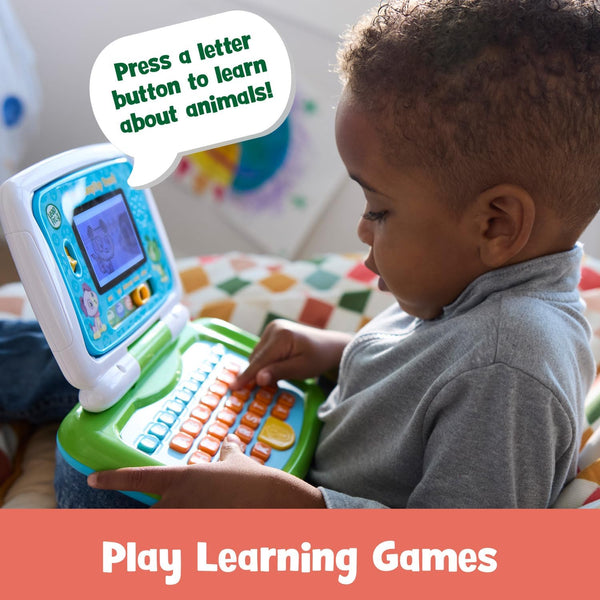
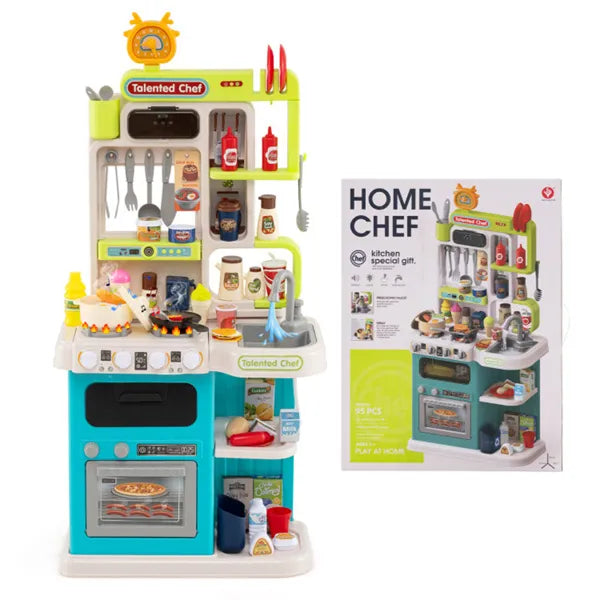
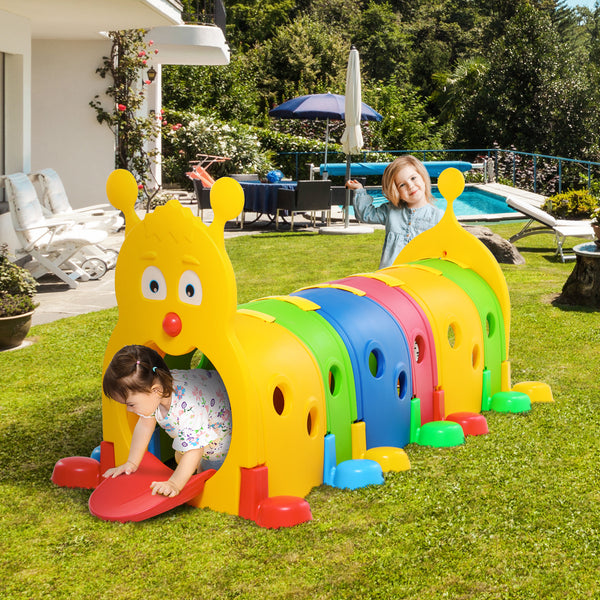
Activities are easier to repeat when the toy or material has a clear beginning and end. A few well-chosen pieces can encourage more concentration than a crowded basket.



Practical life activities
Practical life is not about giving a toddler a long list of chores. It means allowing the child to participate in small, real actions that have a visible purpose. These moments can build coordination, attention, vocabulary, and a sense of belonging.
Carry a small item
Invite the child to carry a lightweight cloth, soft toy, or empty container from one place to another. Use a clear destination and celebrate participation without demanding perfect completion.
Put laundry in a basket
Offer one small cloth at a time and show where it goes. The action combines carrying, releasing, listening, and following a simple routine.
Wipe a small spill
With close supervision, provide a small cloth and model a slow wiping motion. Keep expectations realistic. The toddler may be more interested in the cloth than the spill, and that is still useful exploration.
Place a cup or spoon on the table
A child can participate in mealtime setup by carrying one safe item to a marked place. Narrate the action simply and avoid giving several instructions at once.
Water play with pouring
When appropriate and fully supervised, use a very small amount of water with stable containers made for young children. Pouring supports two-hand coordination and control. Expect spills and treat them as part of the activity.
A simple 15-minute play routine
- Prepare: place one activity on a clear surface.
- Connect: sit nearby and name the material.
- Demonstrate: show one slow movement without a long explanation.
- Pause: allow time for the child to respond.
- Observe: notice what movement interests the child.
- Simplify: remove extra pieces if the setup feels overwhelming.
- Close: return the materials to the tray or basket together.
The child may engage for two minutes or much longer. Follow attention rather than the clock. Consistency matters more than duration.
When an activity does not work
First, reduce the challenge. Offer fewer pieces, make the opening larger, hold the base steady, or demonstrate only the first step. If frustration continues, end calmly and try again another day. A material can be excellent but poorly timed for the child’s current stage.
Also consider whether the child is tired, hungry, overstimulated, or eager to move. A walking toddler may prefer carrying and transporting activities before sitting down for matching or puzzles.
Related collections
Early Development Toys · Sensory Learning Toys · Montessori Educational Toys
Frequently asked questions
What Montessori activities can a 1-year-old do?
Simple posting, stacking, nesting, transferring, opening, closing, naming, book sharing, and practical-life participation are useful starting points.
How long should an activity last?
Follow the child’s attention. A brief, focused attempt can be valuable, and repetition over several days may matter more than one long session.
Should I correct mistakes?
Usually, a slow demonstration and a simplified setup are better than frequent correction. Give the child time to discover the movement.
Do I need special Montessori materials?
No. Purposeful toys can help, but many activities can also use safe household objects selected and supervised carefully.
How many pieces should I offer?
Begin with two to four pieces. Add more only when the child understands the activity and remains comfortable.
What should I do if my child only throws the materials?
Throwing may reflect a current movement interest. Redirect to a safe throwing activity, reduce loose pieces, and return to the original material later.


