-
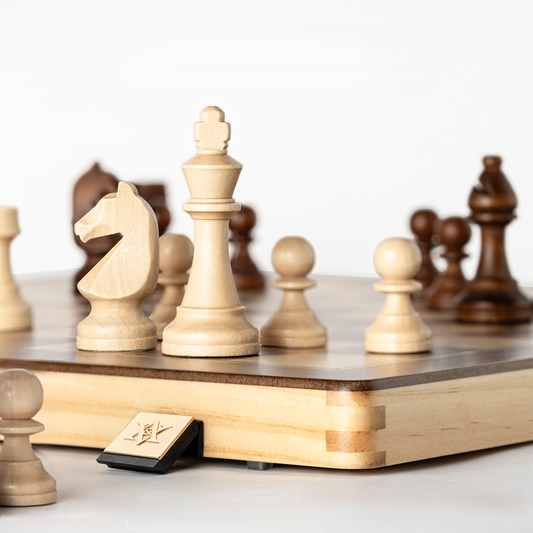
Solid Wood Magnetic Chess Set for Kids
Regular price From $133.00Regular priceUnit price per -

 SAVE 38%
Magnetic Flying Chess Set for Kids
Regular price From $98.00Regular priceUnit price per$157.00Sale price From $98.00SAVE 38% -

 SAVE 38%
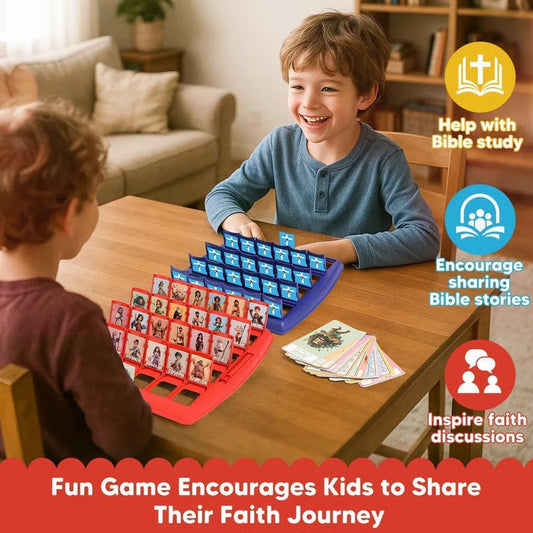
Bible Guessing Board Game for Kids
Regular price $100.00Regular priceUnit price per$160.00Sale price $100.00SAVE 38% -
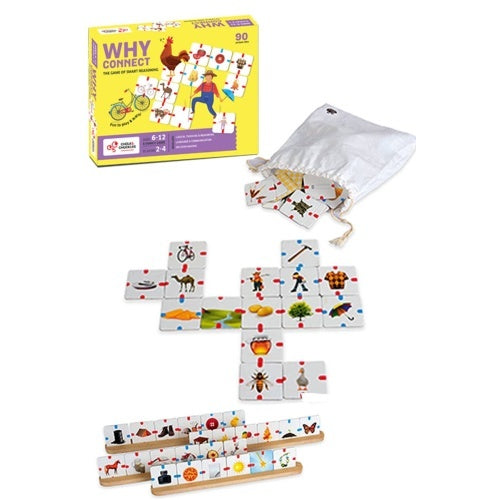
Logic and Focus Mystery Board Game for Kids
Regular price $123.00Regular priceUnit price per$196.00Sale price $123.00SAVE 37%



Educational board games for kids turn learning, strategy, memory, problem-solving and family time into meaningful screen-free play. These games help children practice focus, patience, communication, turn-taking, early math, logic, decision-making and social confidence while having fun with parents, siblings, classmates or friends.
This collection includes learning games for kids, strategy games, memory games, logic games, matching games, math board games, problem-solving games, family board games, preschool learning games, classroom games, homeschool board games and screen-free educational games designed to make learning feel active, social and fun.
Types of Educational Board Games for Kids
The best educational board games help children learn by playing. Some games support memory and matching, some build math confidence, and others help kids practice logic, communication, strategy and problem-solving.
Memory & Matching Games
Memory games and matching games help children practice recall, visual recognition, focus, vocabulary and attention to detail through simple, repeatable play.
Strategy & Logic Games
Strategy games and logic games help kids plan ahead, compare choices, follow rules, solve problems and think step by step.
Math & Counting Games
Math board games help children practice counting, number recognition, comparing, sequencing, patterns and early math confidence through play.
Problem-Solving Games
Problem-solving games help children think through challenges, test choices, learn from mistakes and build confidence after each turn.
Family Board Games
Family board games support communication, turn-taking, patience, fair play and bonding during screen-free family game night.
Preschool Learning Games
Preschool learning games help younger children practice colors, matching, numbers, listening, focus, vocabulary and simple rules.
Educational Board Games by Age
Board Games for Toddlers
Toddlers often do best with simple matching games, color games, chunky pieces, short play times and easy turn-taking.
Board Games for Preschoolers
Preschoolers benefit from memory games, matching games, simple math games, language games and learning games with clear rules.
Board Games for Ages 5–7
Kids ages 5 to 7 can enjoy games with simple strategy, counting, problem-solving, matching, logic and family play.
Board Games for Older Kids
Older kids may enjoy more detailed strategy games, logic games, puzzle games, math games and educational games that require planning.
Explore Related Collections
What Kids Learn With Educational Board Games
Children think ahead, compare choices, test ideas and learn from each turn.
Matching, remembering rules and tracking moves help strengthen recall and attention.
Counting spaces, comparing numbers and recognizing patterns make early math feel playful.
Board games teach turn-taking, listening, patience, communication and fair play.
Talking through turns, rules, choices and stories can support vocabulary and confidence.
Educational games bring kids and adults together for meaningful screen-free family time.
How to Choose the Right Educational Board Game
The best educational board game depends on your child’s age, attention span, number of players and learning goal. Younger kids often enjoy shorter games with simple rules, while older children may enjoy strategy, logic and deeper problem-solving challenges.
- Choose memory games for focus, recall and visual recognition.
- Choose math board games for counting, numbers, comparing and pattern skills.
- Choose strategy games for planning, logic, decisions and patience.
- Choose family board games for communication, turn-taking and shared screen-free time.
- Choose preschool learning games for matching, colors, vocabulary, focus and simple rules.
Educational Board Games Make Smart Gifts
Educational board games make thoughtful birthday gifts, holiday gifts, homeschool tools, classroom activities and family game night choices because they combine fun, learning and connection.
For preschoolers: choose simple matching games, memory games, color games and turn-taking games.
For ages 5–7: choose math games, logic games, family board games and beginner strategy games.
For older kids: choose more advanced strategy games, puzzle games, problem-solving games and logic games.
Educational Board Games for Preschool, Homeschool and Family Learning
Educational board games for kids make learning more active, social and enjoyable. Instead of only using worksheets or screens, children can practice memory, counting, logic, strategy, communication and problem-solving through hands-on game play.
Board games for preschoolers and kindergarten kids are especially useful because they teach simple rules, turn-taking, patience, matching, color recognition, number recognition and early decision-making. Learning games for kids can also support focus, listening skills and confidence in a playful way.
Homeschool board games and classroom learning games are helpful for parents and teachers who want screen-free activities that children can repeat often. Memory games, math board games, logic games, strategy games and problem-solving games can make important skills easier to practice without making learning feel forced.
This collection includes educational board games for kids, learning games, preschool board games, homeschool board games, family board games, memory games, logic games, math board games, strategy games and screen-free educational games.
Frequently Asked Questions
Educational Board Games for Preschool, Homeschool and Family Learning
Educational board games for kids make learning more active, social and enjoyable. Instead of only using worksheets or screens, children can practice memory, counting, logic, strategy, communication and problem-solving through hands-on game play.
Board games for preschoolers and kindergarten kids are especially useful because they teach simple rules, turn-taking, patience, matching, color recognition, number recognition and early decision-making. Learning games for kids can also support focus, listening skills and confidence in a playful way.
Homeschool board games and classroom learning games are helpful for parents and teachers who want screen-free activities that children can repeat often. Memory games, math board games, logic games, strategy games and problem-solving games can make important skills easier to practice without making learning feel forced.
This collection includes educational board games for kids, learning games, preschool board games, homeschool board games, family board games, memory games, logic games, math board games, strategy games and screen-free educational games.
What are educational board games for kids?
Educational board games are games that help children practice useful skills like memory, logic, counting, communication, focus, turn-taking and problem-solving through play.
Are educational board games good for learning?
Yes. Educational board games make learning feel playful by helping kids practice thinking, counting, memory, communication and problem-solving in a natural way.
What age are educational board games best for?
Educational board games are available for toddlers, preschoolers, ages 5 to 7 and older kids. Younger children usually need simple rules, while older kids may enjoy strategy and logic games.
Are board games good for screen-free play?
Yes. Board games are a strong screen-free activity because they keep children engaged through hands-on play, social interaction, rules and problem-solving.
Do educational board games help with problem-solving?
Yes. Many educational board games help children plan, compare choices, solve small challenges, learn from mistakes and try again.
Can board games improve memory?
Yes. Matching games, memory games and rule-based games help children practice recall, visual recognition, focus and attention.
Are educational board games good for homeschool?
Yes. Educational board games work well for homeschool because they make learning active, social, repeatable and easier to practice without worksheets.
Can board games help with math?
Yes. Math board games can help children practice counting, comparing, sequencing, patterns, number recognition and early math confidence.
Are educational board games good gifts?
Yes. Educational board games make thoughtful birthday, holiday and classroom gifts because they combine fun, learning and family connection.
What is the biggest benefit of educational board games?
The biggest benefit is that educational board games help children learn, think, communicate, wait, remember and build confidence through fun screen-free play.
Popular Searches
More Collections
- 3D Wooden Puzzle Kits for Kids
- Arts & Crafts Kits for Kids
- Baby & Toddler Learning Toys Ages 0–2
- Board Games for Kids & Families
- Building and Construction Toys for Creative STEM Play
- Climbing & Active Play Toys for Toddlers
- Coding and Robotics Toys for Kids That Build STEM Skills
- Coding Toys for Kids That Teach Programming & STEM Logic
- Creative Building Toys for Kids