

Educational play mats for babies are more than colorful additions to your nursery. They are essential for your child's early development, offering a safe and stimulating environment for cognitive, motor, and sensory growth. This guide will help you navigate the options available, ensuring you choose the best play mat to support your baby's development.
While many parents focus on larger furniture, the floor is actually where most early learning happens. Pairing a high-quality mat with educational toys creates a dedicated "learning zone" that encourages exploration and milestone achievement.
In this guide, you will learn about the different types of mats, key safety features to look for, and how to integrate these tools with early development toys for the ultimate sensory experience.
Table of Contents
The Hard Floor Dilemma: A Barrier to Tummy Time
Hardwood, tile, or even thin carpets can be intimidating for a newborn learning to lift their head. Without a soft, dedicated space, babies may find tummy time uncomfortable, leading to fussiness and a refusal to engage in the very activities that build their neck and shoulder strength.
Many parents try to use simple blankets, but these often bunch up, slide on the floor, or provide zero visual stimulation to keep a curious baby engaged. This results in shorter play sessions and slower motor skill progression.
The Risk of Missing Sensory Windows
The first year is a peak window for sensory development. If a baby's environment is dull or lacks contrast, their brain doesn't receive the "spark" it needs to develop visual tracking and pattern recognition. Furthermore, without a safe "landing zone," babies may be less likely to attempt rolling or crawling.
Ignoring the need for a structured play space can lead to a lack of core strength. Integrating a mat with sensory learning toys ensures that every moment on the floor is contributing to their neurological growth.
A Purpose-Built Learning Zone
Educational play mats provide a cushioned, non-slip surface that makes "tummy time" a joy rather than a chore. These mats are often designed with high-contrast graphics, numbers, and shapes that act as an early introduction to mathematics and counting concepts.
By providing a safe, stimulating environment, you encourage your baby to reach, roll, and eventually crawl. This physical freedom is the first step toward the independence found in Montessori educational toys.
Ready to support their first milestones?
Explore our selection of early development tools designed for safety and skill-building.
Shop Early Learning Tools
A well-designed mat encourages babies to lift their heads and engage with their surroundings.
Types of Educational Play Mats
Foam Puzzle Mats
Foam mats (usually EVA foam) provide excellent cushioning. They often come as interlocking puzzle pieces, allowing you to customize the size of the play area.
Fabric and Cotton Mats
Perfect for parents who prefer natural fibers. These are often machine washable and can be easily folded for travel. They provide a softer, more "blanket-like" feel while maintaining structure.
Interactive Activity Gyms
These include overhead arches with hanging toys. These are the gold standard for sensory stimulation, often featuring mirrors, rattles, and crinkle fabrics.
Key Features to Look For
1. Safety Standards: Always ensure the mat is BPA-free, lead-free, and phthalate-free. For infants, avoid any mats with small, detachable parts that could pose a choking hazard.
2. Ease of Cleaning: Look for mats that can be wiped down quickly or are machine washable. Hygiene is paramount when choosing toys for babies who explore with their mouths.
3. Educational Value: Choose mats with high-contrast imagery for newborns and alphabet/number designs for older infants to build language learning foundations early.
Quick Comparison: Best Mat Options
Foam Puzzle Mats
Best for: Easy cleaning & customization
Benefit: Shock absorption for falls
Age: 6 months to Toddler
Interactive Gyms
Best for: Sensory stimulation & reach
Benefit: Builds hand-eye coordination
Age: Newborn to 8 months
Inflatable Water Mats
Best for: Core strength & tummy time
Benefit: Visual interest with floating toys
Age: 3 months to 9 months
Common Mistakes to Avoid
Ignoring the Backing: A mat without a non-slip backing can slide out from under a baby who is trying to push up into a crawl. This can be scary for the infant and delay their progress.
Prioritizing Aesthetics Over Contrast: While neutral "beige" nurseries are trendy, infants need high-contrast colors (black, white, red) to stimulate their visual cortex. A "too-muted" mat might not provide the engagement your baby needs for cognitive growth.
Final Thoughts
An educational play mat is more than a piece of nursery decor—it is your baby's first "gym" and "classroom." By choosing a mat that balances safety, comfort, and sensory stimulation, you are providing the foundation for a lifetime of movement and learning.
Pair your new mat with early learning toys to create an environment where your child can flourish. Happy playing!
Ready to build a better nursery?
Discover educational tools and sensory play mats that spark imagination and brain power.
Explore Learning ToysFrequently Asked Questions
1. At what age should a baby start using a play mat?
Babies can start supervised tummy time on a soft play mat from day one!
2. Are foam mats safe for infants?
Yes, provided they are made from non-toxic materials like EVA foam and are BPA/Phthalate-free.
3. How often should I clean my baby's play mat?
Surface wipes should be done daily, and a deep clean once a week is recommended.
4. What is the benefit of a water play mat?
Water mats provide a unique sensory experience and encourage tummy time by moving the toys inside the water.
5. Can play mats help with crawling?
Yes, they provide a non-slip, cushioned grip that gives babies the confidence to push off the floor.
6. Are fabric mats better than foam?
It depends on your needs. Fabric is softer and more portable; foam provides better shock absorption for falls.
7. What are the best colors for a play mat?
For newborns, black, white, and red are best for visual stimulation. For older babies, bright primary colors are great.
8. Can I use a play mat on carpet?
Yes, but ensure the mat is firm enough to provide a stable surface for your baby's movements.
9. How do I choose the right size?
Measure your nursery floor space and choose a mat that allows your baby to roll at least twice without falling off.
10. Why are interactive arches good?
They build hand-eye coordination as babies reach for and bat at the hanging toys.
11. What is tummy time?
Placing your baby on their stomach while awake and supervised to build neck and core muscles.
12. Are play mats worth the investment?
Yes, they are one of the most used items in the first year of a baby's life.
13. Can play mats help with sensory processing?
Yes, by exposing babies to different textures and sounds in a safe environment.
14. What are BPA-free materials?
Materials made without Bisphenol A, a chemical often found in plastics that can be harmful to babies.
15. Do play mats teach letters and numbers?
Many educational mats include these designs to build early familiarity with symbols and language.
16. How do I dry a fabric mat?
Air drying is best to maintain the shape and integrity of any non-slip backing.
17. Can I travel with a play mat?
Yes, fabric mats and folding foam mats are designed specifically for portability.
18. What is EVA foam?
Ethylene-vinyl acetate, a soft yet durable foam used in many puzzle-style play mats.
19. Are mirrors on mats safe?
Yes, they are made from "baby-safe" acrylic that is shatterproof and won't break like real glass.
20. How do play mats help with cognitive development?
By encouraging problem-solving (reaching for toys) and pattern recognition.
21. Why is cushioning important?
It protects babies' delicate joints and head during the inevitable bumps of learning to roll and sit.
22. What is an "educational" mat?
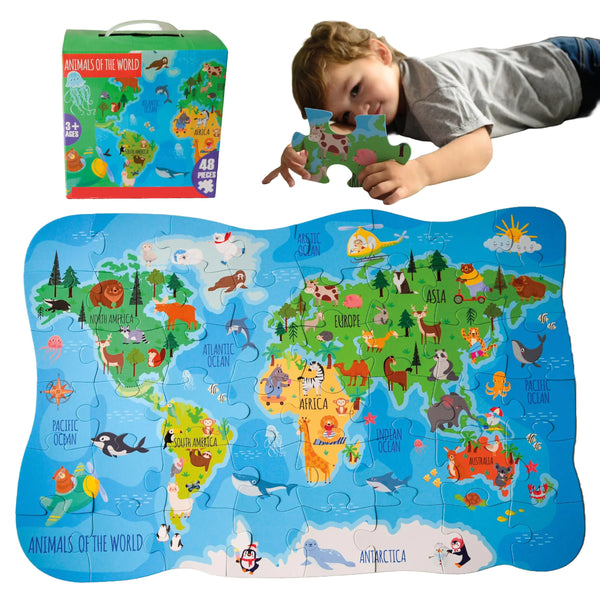
A mat that incorporates learning elements like geography, animals, numbers, or letters.
23. Can I use a play mat outside?
Yes, but ensure it is easy to clean and placed on a flat, debris-free surface.
24. Do play mats have a weight limit?
Generally no, but foam can be compressed over time by heavy furniture.
25. How long do play mats last?
High-quality mats can easily last for several years through multiple children.
26. Are "natural" mats better?
Organic cotton is great for sensitive skin, but foam provides better protection for motor skill development.
27. What are the best brands for play mats?
Fisher-Price, Tiny Love, and Infantino are long-standing leaders in the category.
28. Why do babies like crinkle fabrics?
The sound and texture provide auditory and tactile feedback that babies find fascinating.
29. Can play mats help with language development?
Yes, when parents use the imagery on the mat to name objects and talk to the baby.
30. Where can I find top-rated play mats?
You can find a curated selection of safe, educational mats at WonderKidsToy.
Earn Commission Promoting Educational Toys
If you are a blogger, parenting influencer, teacher, or homeschool creator, you can earn commission by promoting educational toys from WonderKidsToy.
Our affiliate program allows creators to share Montessori toys, STEM toys, and learning toys for kids while earning income from their content. Joining takes less than a minute.
👉 Apply here: https://wonderkidstoy.com/pages/join-our-affiliate-program