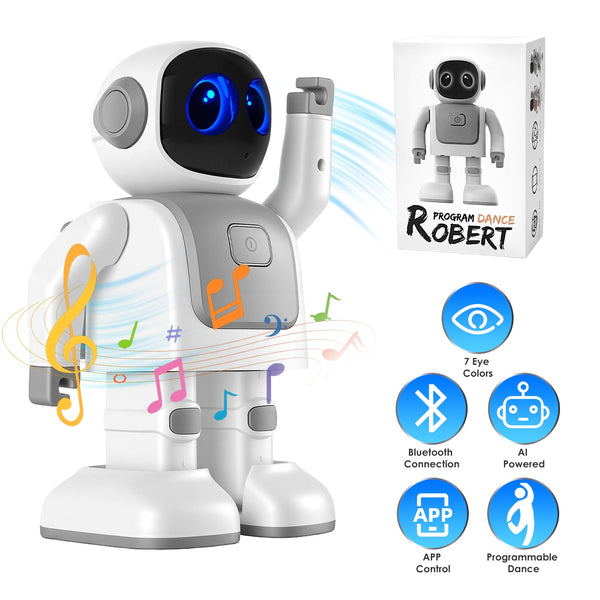

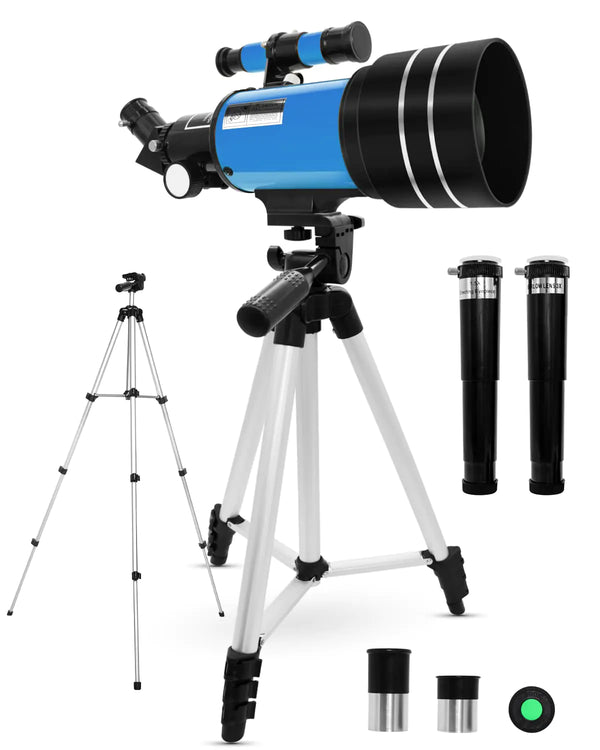
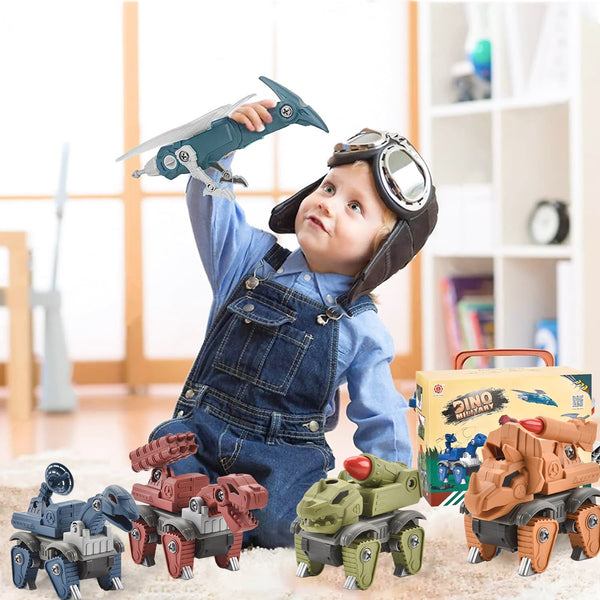
At age three, the "magic window" of preschool readiness swings wide open. This is the age where play transitions from simple exploration to purposeful skill-building. Choosing the best educational toys for 3-year-olds isn't just about filling a toy box; it's about architecting the cognitive and social foundations your child needs to thrive in a classroom environment.
Explore our curated Educational Toys Collection and Montessori Essentials to bridge the gap between home and school.
The 3-Year-Old Mind: Decoding Developmental Milestones
By age three, the brain is roughly 80% of its adult size and is forging neural pathways at a lightning-fast rate. Understanding these milestones allows parents to select toys that provide the "just-right" challenge—sparking growth without causing frustration.
Cognitively, they are moving into the world of symbolic thought and cause-and-effect. Physically, they are refining the fine motor skills needed for future handwriting. Socially, they are shifting from parallel play to cooperative interaction. The right kindergarten prep toys target these specific windows of opportunity.
The Screen-Time Shadow: Why Active Play Wins
In a digital world, it’s tempting to rely on tablets for "education." However, research shows that play-based learning anchored in the physical world is far superior for executive function. Passive consumption fails to build the hand-eye coordination and patience required for a classroom. Truly effective toys put the child in the driver’s seat, requiring them to be the source of logic and action.
The Preschool Readiness Pillars
To ensure a smooth transition to school, we focus on three developmental pillars: Technical Logic, Linguistic Foundation, and Motor Precision.
STEM & Critical Thinking
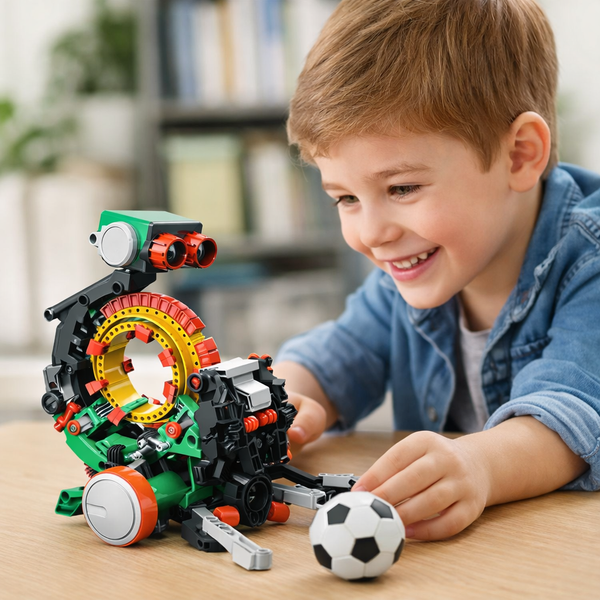
Introduce engineering through building sets. LEGO DUPLO and magnetic blocks teach spatial logic and structural balance.
Literacy & Phonics
Interactive books and letter recognition games bridge the gap between "seeing" a character and "knowing" its sound.
Shop Literacy ToolsFine Motor Handwriting
Arts, crafts, and puzzle toys improve the dexterity and hand strength needed for future writing tasks.
Refining the Hands: Fine Motor Mastery
Handwriting readiness begins long before a child picks up a pencil. It starts with the muscles used to manipulate playdough, stack blocks, and solve knobbed puzzles. These activities develop finger dexterity and grip strength, ensuring that when they reach preschool, the physical act of drawing and writing is effortless.
Similarly, gross motor development—running, jumping, and climbing—builds the physical confidence and core strength required for a child to sit attentively at a desk or participate in group physical activities.
Frequently Asked Questions
What are the best toys for preschool readiness?
Focus on toys that promote independence and basic academic concepts: shape sorters, building blocks, simple puzzles, and interactive storytelling tools are top priorities.
How can I improve my 3-year-old's attention span?
Choose open-ended toys that require sustained focus, such as a construction set or a multi-step craft. Encourage "deep play" by limiting distractions and letting them solve small problems independently.
Do 3-year-olds need STEM toys?
Yes! At this age, STEM is about foundational physics and logic—understanding gravity, magnetism, and how parts fit together to form a whole.
How do I organize an educational play space?
Use low, child-accessible shelves and clear bins. Rotate toys every 2-3 weeks to keep their curiosity high and reduce visual clutter.
Invest in Their Most Critical Years
Every discovery starts with a single piece. Give your child the tools to solve, create, and innovate. Prepare them for the classroom with the expert-vetted collection at WonderKidsToy today.
Browse the Readiness Collection