
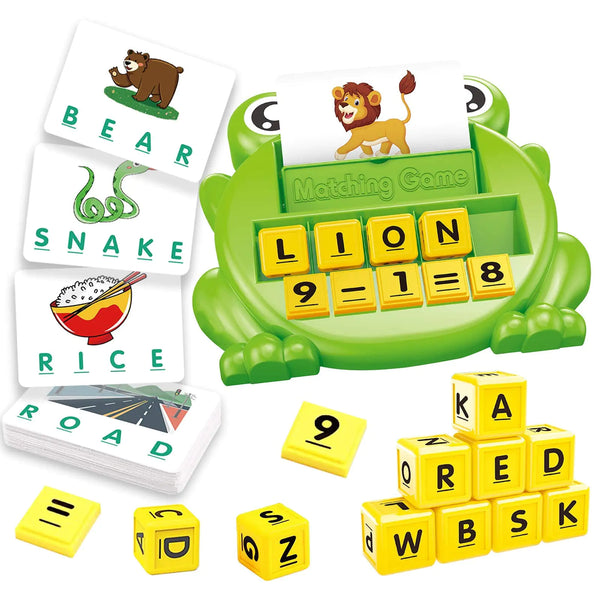


Three-year-olds are full of curiosity, imagination, and energy. At this age, children learn best through movement, pretend play, building, sorting, touching, experimenting, and asking questions. The best educational toys for 3-year-olds help turn everyday play into important learning experiences.
Educational toys for preschoolers should support language development, problem-solving, creativity, fine motor skills, early math concepts, social confidence, and independent thinking — all while keeping learning playful and exciting.
Parents searching for learning toys for 3-year-olds, preschool educational toys, or screen-free toys for toddlers often explore educational toys, Montessori toys, pretend play toys, puzzle toys, and STEM toys.
Table of Contents
Why Educational Play Is Important for 3-Year-Olds
At age three, children are developing rapidly across many areas at once. Their language skills expand quickly, imagination becomes stronger, and they begin understanding simple logic, routines, and social interactions.
Educational toys help preschoolers practice these important developmental skills naturally through play instead of formal learning pressure.
The best educational toys help 3-year-olds learn through creativity, movement, exploration, and hands-on discovery.
Best Language Development Toys for 3-Year-Olds
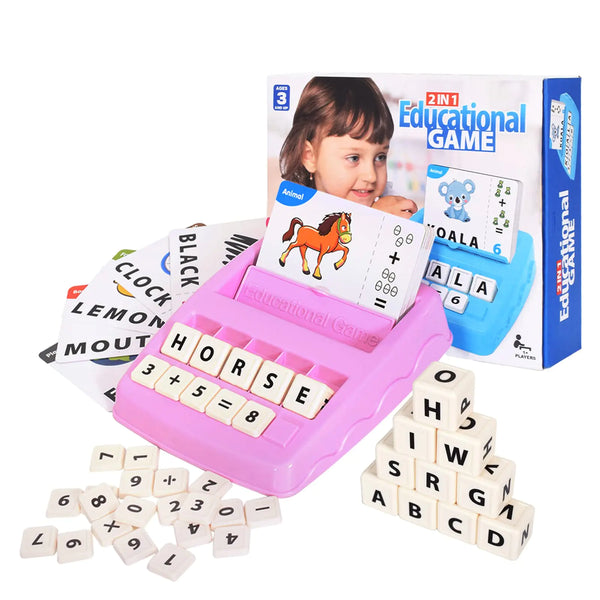
Three-year-olds are rapidly learning new words and improving communication skills. Toys that encourage storytelling, naming, listening, singing, and pretend conversations can strongly support language development.
Interactive books, storytelling cards, alphabet puzzles, puppets, pretend kitchens, and role-play toys all help children practice vocabulary and communication naturally.
Encourage imagination, vocabulary, and communication.
Help children recognize letters and early language patterns.
Support emotional expression and conversation skills.
Looking for fun educational toys for preschoolers?
Explore learning toys designed to build creativity, confidence, and early developmental skills.
Explore Educational ToysBest Problem-Solving Toys for Preschoolers
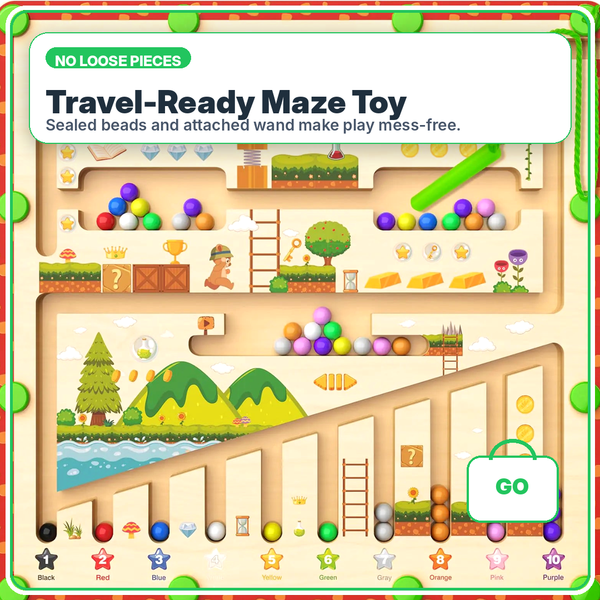
Problem-solving toys help children think critically, experiment with ideas, and practice simple logical reasoning. Preschoolers learn best when they can physically test solutions through hands-on interaction.
Puzzles, shape sorters, stacking games, matching activities, and beginner STEM toys all support cognitive development through playful challenges.
- Wooden puzzles
- Shape sorters
- Stacking toys
- Memory matching games
- Simple logic toys
Best Pretend Play Toys for 3-Year-Olds
Pretend play is one of the most powerful learning activities for preschoolers. Through role-play, children practice communication, empathy, storytelling, creativity, and social interaction.
Pretend kitchens, doctor kits, tool benches, grocery sets, dolls, and puppet theaters encourage imaginative learning while building emotional confidence.
Best for: preschoolers developing communication skills, imagination, emotional understanding, and independent creativity.
Best Fine Motor Skill Toys for 3-Year-Olds
Fine motor skills help children strengthen the small hand movements needed for drawing, writing, dressing, cutting, and independent daily tasks.
The best fine motor toys encourage grasping, sorting, threading, building, balancing, and controlled movement through play.
Improve coordination and finger strength.
Support balance, coordination, and concentration.
Strengthen hand control and creativity.
Best STEM Toys for 3-Year-Olds
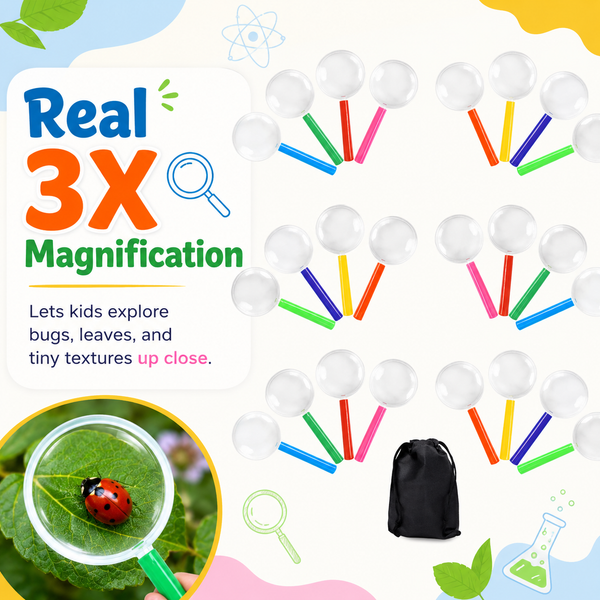
Preschool STEM toys help children explore science, engineering, counting, patterns, movement, and experimentation through active hands-on learning.
The best STEM toys for 3-year-olds keep learning simple, playful, and exploration-focused rather than overly academic.
Parents can explore STEM toys and problem-solving toys to support early critical thinking skills.
Why Screen-Free Toys Are Better for Preschool Learning
Hands-on educational toys encourage active participation instead of passive entertainment. Preschoolers learn best when they can physically touch, move, build, sort, imagine, and experiment during play.
Screen-free toys also help children improve creativity, concentration, patience, communication, and independent thinking.
Ready to make learning more fun at home?
Discover educational toys that encourage creativity, confidence, and meaningful hands-on learning.
Explore Montessori ToysHow to Choose the Best Educational Toys for 3-Year-Olds
Choose Open-Ended Toys
Open-ended toys allow children to play creatively in many different ways over time.
Focus on Hands-On Learning
Preschoolers learn best by touching, moving, building, sorting, pretending, and experimenting.
Support Multiple Developmental Skills
The best educational toys strengthen language, creativity, fine motor skills, social confidence, and problem-solving together.
Keep Learning Playful
At age three, learning should feel exciting, imaginative, and pressure-free.
Final Thoughts
The best educational toys for 3-year-olds encourage creativity, imagination, language development, problem-solving, and hands-on exploration through play. Preschoolers learn best when they are actively participating, building, pretending, and experimenting.
Educational play does not need to feel formal or stressful. The right toys help children build important developmental skills naturally while having fun every day.
Shop Educational ToysFrequently Asked Questions About Educational Toys for 3-Year-Olds
1. What are the best educational toys for 3-year-olds?
The best educational toys include puzzles, STEM toys, pretend play sets, Montessori toys, building blocks, and language development toys.
2. What skills should a 3-year-old practice?
Three-year-olds benefit from practicing language, coordination, creativity, problem-solving, social skills, and fine motor control.
3. Are Montessori toys good for 3-year-olds?
Yes, Montessori toys support independent learning, concentration, coordination, and hands-on exploration.
4. What toys help language development?
Storytelling toys, alphabet puzzles, puppets, pretend play sets, and interactive books help improve language skills.
5. What toys improve problem-solving?
Puzzles, stacking toys, sorting games, building blocks, and beginner STEM toys all support problem-solving development.
6. Are pretend play toys educational?
Yes, pretend play toys help children build communication, creativity, storytelling, empathy, and social confidence.
7. What are good STEM toys for preschoolers?
Building toys, magnetic tiles, counting games, beginner engineering toys, and science exploration kits are great STEM choices.
8. What toys help fine motor skills?
Lacing toys, building blocks, stacking toys, peg toys, and sorting activities help strengthen fine motor skills.
9. Are educational toys worth buying?
Many parents find educational toys valuable because they support long-term developmental learning through play.
10. What toys encourage independent play?
Montessori toys, puzzles, building toys, pretend play sets, and sensory toys all encourage independent exploration.
11. Are screen-free toys better for preschoolers?
Hands-on screen-free toys help children improve creativity, focus, communication, and active learning skills.
12. What toys improve creativity?
Pretend play toys, building systems, art toys, storytelling kits, and open-ended educational toys help creativity.
13. What toys are best for preschool learning?
Preschoolers benefit from puzzles, STEM toys, Montessori toys, building blocks, pretend play sets, and educational games.
14. What toys help social skills?
Board games, pretend play toys, puppets, and cooperative games help children practice communication and sharing.
15. Where can parents buy educational toys for 3-year-olds?
Parents can explore WonderKidsToy collections for educational toys, Montessori toys, STEM toys, puzzles, and preschool learning products.