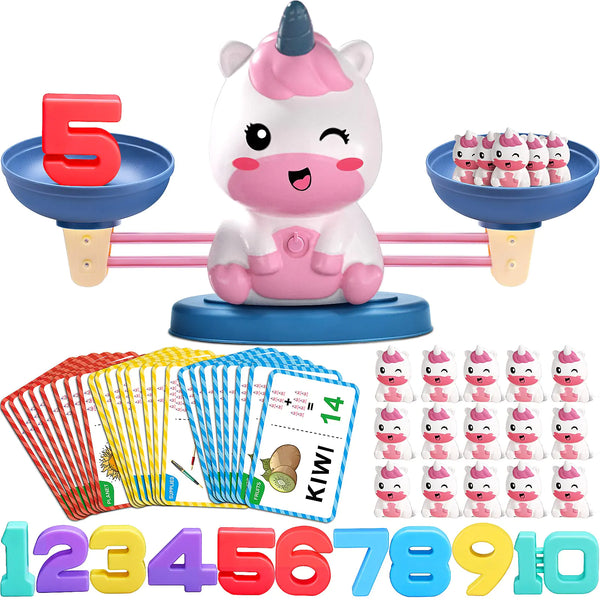

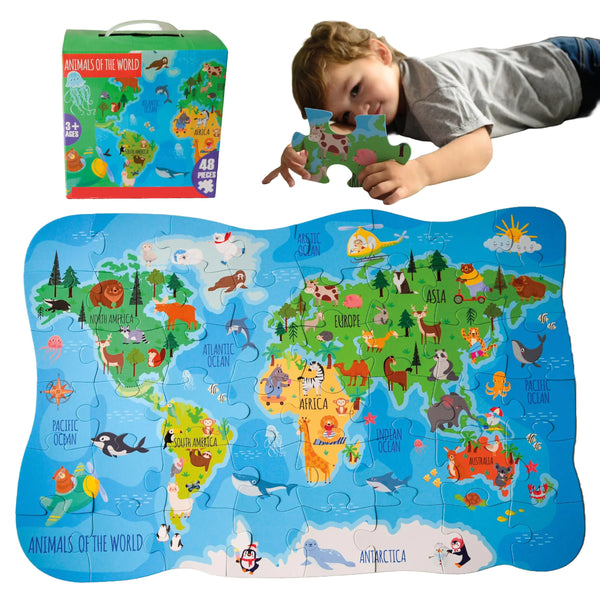
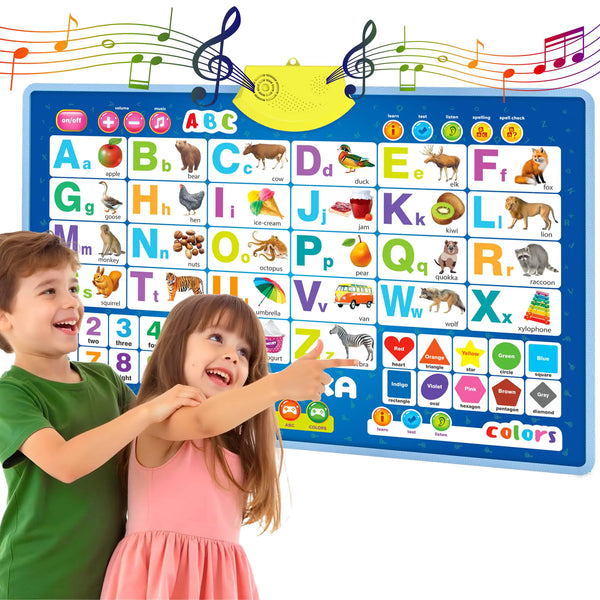

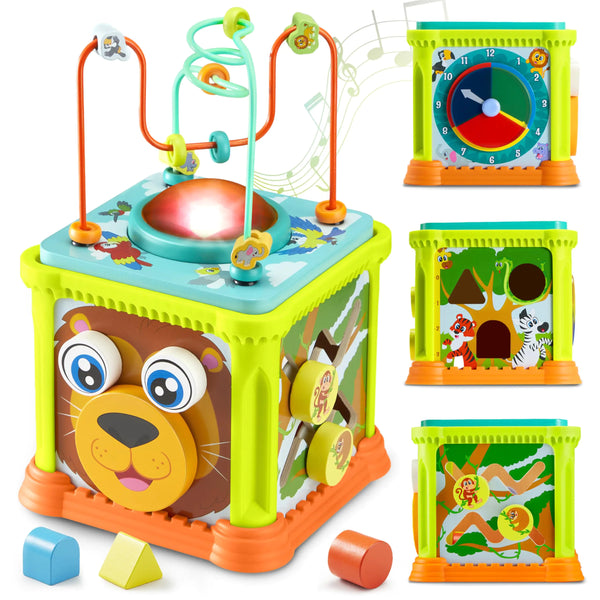
Choosing the right language learning toy can feel overwhelming, especially with so many options labeled “educational.” For toddlers aged 1–3, the most effective tools aren't the ones that talk at them, but the ones that invite Active Discovery.
In this guide, we explore how to move beyond passive observation to build the technical and sensory foundation your child needs to master communication through simplicity, safety, and meaningful interaction.
Featured Tools for Language Mastery
Table of Contents
Flashy Distraction vs. Linguistic Logic
In many homes, "language toys" are electronic gadgets that perform long songs for the child. While entertaining, these provide "one-way" input. This lack of active engagement stalls the development of auditory discrimination and expressive language. When a toy does all the talking, the brain stays in a passive state.
Linguistic growth requires "auditory resistance"—the need for the toddler to respond, repeat, and troubleshoot sounds. This is why parents seek toys to enhance speech development that prioritize the child leading the action.
Why Sensory Feedback Builds "Word Brain"
Early childhood is a critical window for sensory brain mapping. By using tactile language toys, children practice logical sequencing—understanding that a sound connects to a specific object or action. Research on cognitive skill development proves that children need this physical-audio feedback to build the persistence required for future academic success.
Active Discovery via Low-Tech
The right tools turn your home into a natural learning lab. Instead of just observing, toddlers use physical materials to understand daily vocabulary. This strategy is a core tenet of the Montessori approach to independence. Look for toys that:
- Invite Participation: Require the child to insert, move, or match to trigger a result.
- Ground in Reality: Focus on real-life objects like food, animals, and household items.
- Foster Manual Precision: Encourage the pincer grip through card manipulation or button pressing.
Ready to spark their first words?
Discover expert-vetted language tools designed for screen-free, focused discovery.
Shop Language Discovery ToolsFrequently Asked Questions
Why are screen-free language toys better than apps?
Apps are often "one-way" entertainment. Physical toys provide the 3D spatial logic and tactile feedback that digital pixels cannot replicate, leading to deeper active recall.
At what age should I start using talking flash cards?
Toddlers as young as 15–18 months can begin exploring simple vocabulary through tactile cards, helping bridge the gap between sounds and visual symbols.
Can language toys help with bilingual learning?
Yes! High-quality toys that offer multi-language support help the brain categorize different linguistic systems through consistent, repetitive play.
Final Thoughts: Nurturing a Lifetime of Awareness
Selecting intentional play materials is an investment in your child’s cognitive potential. By choosing tools that encourage rhythm, logic, and physical mastery, you are setting the stage for a lifetime of innovative thinking. Every word repeated today is a building block for a bright future.
Ready to build a better discovery box? Explore our specialized early development collection today and start the journey toward purposeful play.