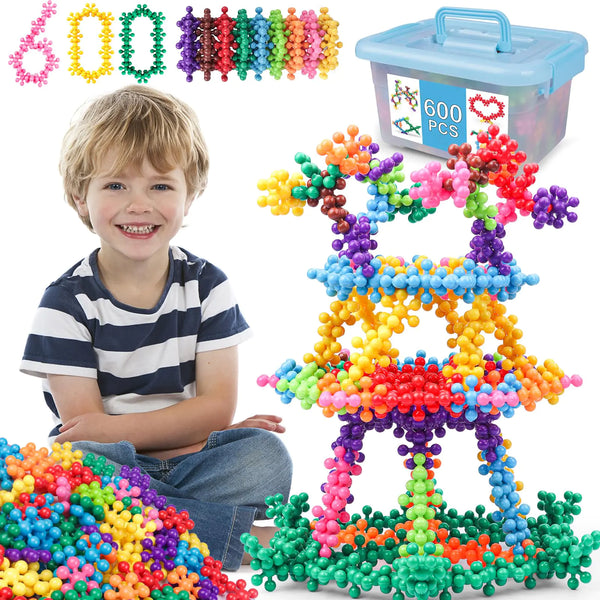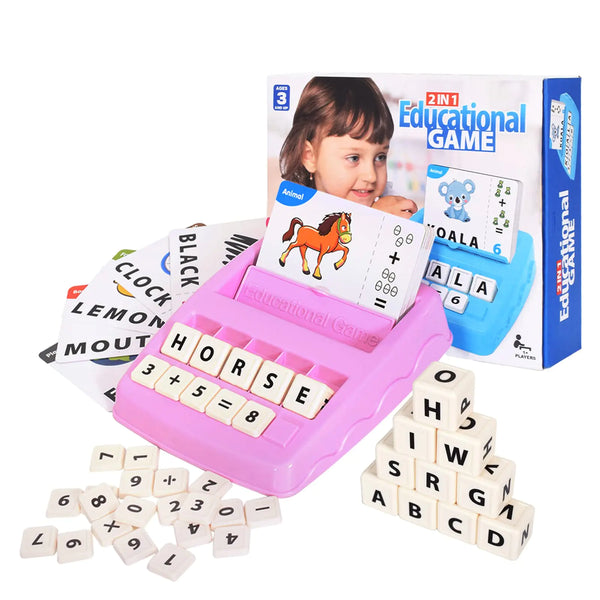

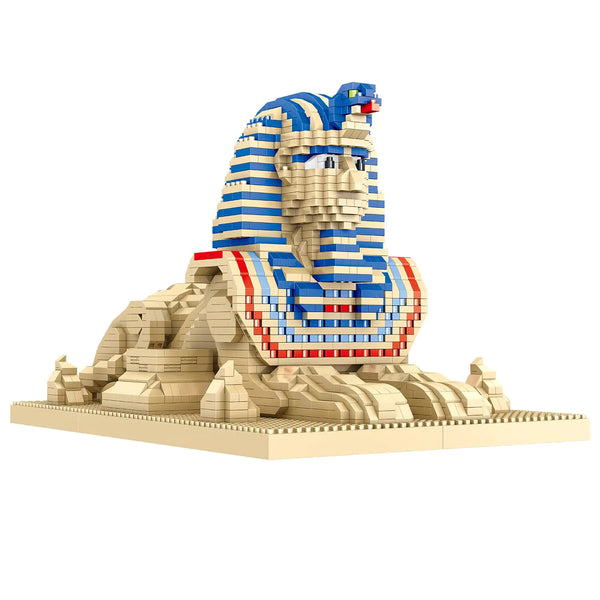
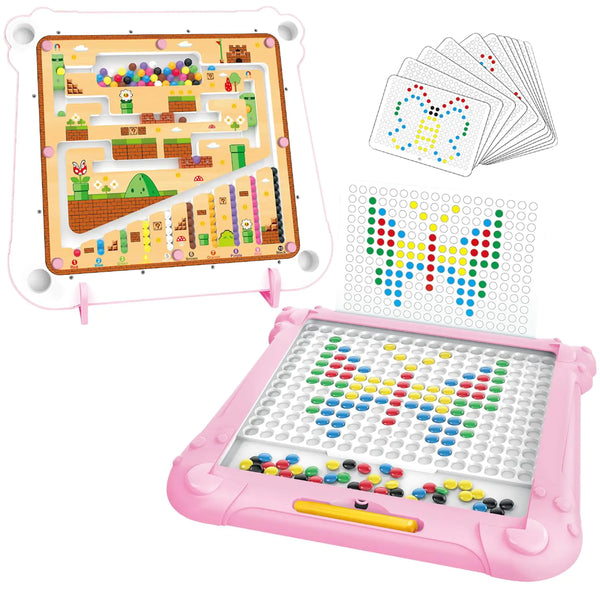
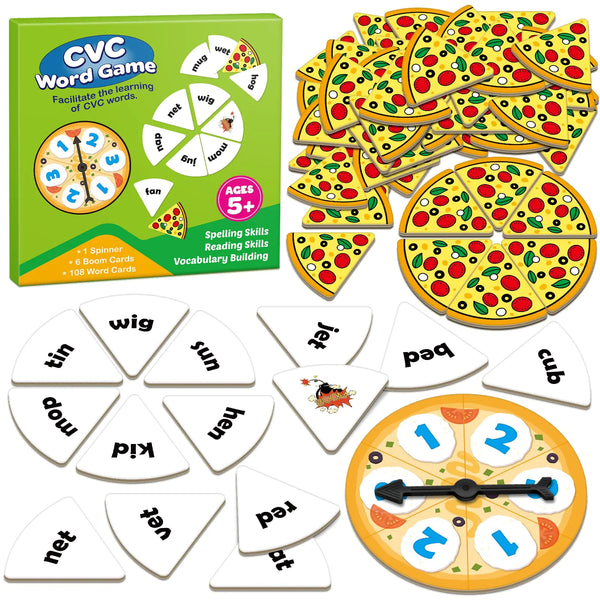
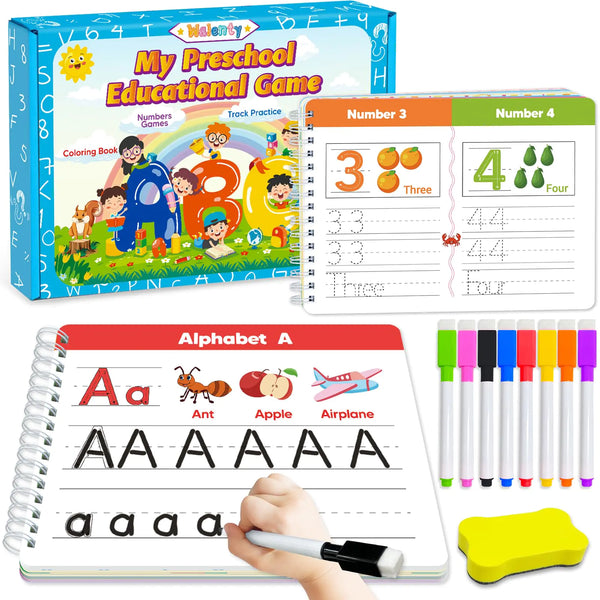
When children play, they aren’t just passing time—they’re learning, growing, and developing essential life skills. One of the best ways to combine fun with education is through building construction toys. These aren't just playthings; they are tools that allow kids to use their imagination, practice problem-solving, and develop cognitive and motor skills while creating amazing structures.
Whether it’s math wooden blocks, advanced building toys for kids, or a classic wooden animal puzzle, the possibilities for development are endless. These sets fit perfectly with our curated collections like building construction toys, mathematics and counting toys, and problem-solving play sets.
In this blog, let’s explore why construction-based play is so valuable, the different types of building toys available, and how they help children learn while having the time of their lives.
Table of Contents
Most Toys Provide Entertainment Without Engagement
Standard toys often have one specific function: they sing, light up, or talk at the child. While this might keep a toddler busy for ten minutes, it doesn't challenge their brain. These "one-way" toys leave children in a passive state, where they are consuming entertainment rather than creating an experience.
Parents often find themselves in a cycle of buying new gadgets because the child gets bored almost instantly. The missing ingredient isn't more lights or sounds; it's the lack of opportunity for the child to use their own logic and imagination.
Why Missing Out on Active Building Play Stunts Growth
If a child only interacts with passive toys, they miss the critical "golden window" for developing spatial reasoning and fine motor precision. Without the "trial and error" that comes from building a tower that eventually falls, children don't practice the resilience needed for future academic challenges.
The National Association for the Education of Young Children (NAEYC) highlights that play-based learning—specifically construction play—is essential for school readiness. Without it, children can struggle with logical sequencing, basic geometry, and the persistence required to solve complex problems.
Construction Toys Turn Play Into Active Discovery
Construction play shifts the power back to the child. Whether they are using sustainable building blocks to build a city or figuring out a wooden animal puzzle, they are actively engaging their brain. These toys grow with the child, offering new ways to play as their skills evolve.
Ready to build a stronger future?
Explore our collection of construction and engineering sets that turn every afternoon into a masterclass in creativity.
Explore Construction ToysWhy Building Construction Toys Are Essential
Creativity
Toys spark imagination as kids design custom castles, bridges, or futuristic cities from scratch.
Problem-Solving
Figuring out how pieces fit together or why a tower tipped over improves logical thinking and persistence.
Motor Skills
Handling small blocks and intricate puzzle pieces strengthens the hand-eye coordination needed for writing.
Teamwork
Construction play often becomes a social activity, fostering vital communication and cooperation skills.
Math & Wooden Blocks: Hidden Education
Math wooden blocks combine the fun of building with the fundamentals of numbers and shapes. They help kids understand geometry and fractions long before they reach a classroom desk.
Parents love them because they make math approachable. Stacking blocks in specific patterns introduces children to sequencing and symmetry—the very building blocks of mathematical logic—without the child ever realizing they are "studying."
Choosing Your Build: Toy Comparison
Large Blocks
Best for: Toddlers & Fort building
Main benefit: Gross motor & dreaming big
Age: 2 to 5 years
Engineering Kits
Best for: Budding Inventors
Main benefit: Mechanical logic & persistence
Age: 5+ years
Animal Puzzles
Best for: Sensory & Shape matching
Main benefit: Vocabulary & focus
Age: 18 months to 4 years
Frequently Asked Questions About Construction Toys
1. What are building construction toys?
They are interactive tools that allow children to assemble, stack, and create structures, developing spatial and logical skills.
2. Are building toys only for younger kids?
Not at all. Complexity increases with age, from simple wooden blocks for toddlers to intricate robotics kits for teens.
3. How do building toys help with math?
They introduce foundational concepts like geometry, symmetry, fractions, and counting through tactile manipulation.
4. What are the benefits of wooden puzzles?
They offer high durability and unique sensory textures, teaching shape recognition and focus.
5. Can large building blocks be used outdoors?
Yes, many are designed to be sturdy enough for both indoor forts and backyard adventures.
6. Do construction toys improve motor skills?
Absolutely. Precision stacking and snapping pieces together refines hand-eye coordination and finger dexterity.
7. What are problem-solving toys?
Toys that present a challenge with a specific goal, requiring the child to test multiple approaches to find a solution.
8. How do building sets help with persistence?
When a build fails, it encourages the child to try again, fostering a "growth mindset."
9. Are these toys safe for 3-year-olds?
Yes, but ensure you choose sets without small parts that could be choking hazards for younger toddlers.
10. Why choose sustainable building blocks?
They are environmentally friendly, durable, and free from harmful chemicals often found in low-quality plastics.
11. Do construction toys reduce screen time?
Yes! Their high level of engagement provides a healthy, physical alternative to passive screen consumption.
12. Can toys help with social skills?
Collaborative building projects require negotiation, sharing, and clear communication.
13. What is spatial awareness?
It is the ability to visualize shapes and understand how objects relate in a three-dimensional space.
14. Are there building kits for future engineers?
Yes, advanced kits with gears, pulleys, and connectors are perfect for introducing mechanical principles.
15. What are pattern blocks?
Geometric shapes that can be arranged to create larger pictures, teaching symmetry and composition.
16. Why is wood a popular material for these toys?
Wood provides a superior tactile experience, lasting weight, and classic durability that plastic often lacks.
17. How do I choose the right level of difficulty?
Look for toys that offer a challenge just above your child's current ability to encourage growth.
18. Do building toys help with speech?
Yes, by encouraging children to describe their structures and name different pieces or animals.
19. What is open-ended play?
Play that has no pre-defined outcome, allowing the child to lead and create whatever they imagine.
20. Can puzzles teach biology?
Yes, animal puzzles help familiarize children with different species and their environments.
21. Are magnetic blocks safe?
High-quality brands use secure, internal magnets that are safe for toddlers to handle under supervision.
22. How do I maintain wooden toys?
Wipe them down with a damp cloth and mild soap; avoid soaking them to prevent warping.
23. What are modular building kits?
Sets that use standardized pieces to create a wide variety of different structures.
24. Can construction toys help with ADHD?
Yes, the immediate tactile feedback and clear progress can help maintain focus and calm.
25. What age can kids start with STEM kits?
Introductory kits are available for children as young as age 3, focusing on simple cause and effect.
26. Why do kids love knocking down their towers?
It's a way of exploring cause and effect and celebrating the power they have over their environment.
27. Do toys need to be high-tech to be educational?
No, some of the most educational toys are the simplest wooden blocks that rely on human imagination.
28. Can building toys improve focus?
Yes, the deep concentration required to complete a build helps extend a child's attention span.
29. Are construction sets good for gifts?
They are excellent gifts because they offer lasting play value and developmental benefits.
30. Where can I find top construction toys?
WonderKidsToy offers a wide selection of vetted building and problem-solving tools for every stage.
Final Thoughts: Building the Brain One Block at a Time
Construction toys are more than just a way to pass an afternoon; they are an investment in your child's cognitive foundation. By moving away from passive entertainment and providing tools for active discovery, you are fostering the resilience, logic, and creativity your child will need for life. Pick up a set today and watch their world expand.