
STEM Toys for 6-Year-Olds: A Complete Parent’s Guide to Smart Learning Through Play

STEM Toys for 6-Year-Olds: A Complete Parent’s Guide to Smart Learning Through Play

At six years old, children are at a beautiful stage of development. They are no longer toddlers, but they are not quite “big kids” either. This is the age where curiosity explodes. They ask why things work the way they do, enjoy solving small challenges, and feel deeply proud when they figure something out on their own. This is exactly why STEM toys for 6-year-olds are so powerful. They meet children right where they are and turn natural curiosity into meaningful learning without pressure or stress.

STEM toys are not about pushing academics early or forcing children to learn concepts they are not ready for. Instead, they are about giving children the right tools to explore, experiment, and think independently. When learning feels like play, children stay engaged longer, remember more, and build confidence that carries into school and everyday life.

What Are STEM Toys and What Do They Teach?

STEM stands for Science, Technology, Engineering, and Math. STEM toys are designed to introduce these ideas through hands-on play rather than worksheets or lectures. For a 6-year-old, STEM learning is not about complex formulas or advanced technology. It is about understanding how things fit together, why something moves, how patterns work, and what happens when you change one part of a system.

STEM toys often involve building, experimenting, testing ideas, and solving simple problems. A child might stack pieces to create a stable structure, guide a marble through a track, explore magnets, or follow logical steps to complete a challenge. All of this builds foundational thinking skills that support learning across every subject, not just science or math.

Why Age 6 Is Perfect for STEM Learning

Six-year-olds are developmentally ready for deeper thinking than younger children. At this age, children begin to plan ahead, follow multi-step instructions, and understand cause and effect more clearly. They are also learning how to handle frustration, try again after mistakes, and stay focused for longer periods of time.

STEM toys support all of these skills naturally. When a child builds something that falls over, they learn to adjust and try again. When an experiment doesn’t work the first time, they learn patience and persistence. These experiences teach children that learning is a process, not something that needs to be perfect right away.

Learning by Doing: Why Hands-On Play Matters

Children do not learn best by sitting still and listening for long periods. They learn best by doing. STEM toys allow children to touch, move, build, and experiment, which makes learning more concrete and easier to understand. When a child physically connects pieces or watches how a change affects an outcome, the concept becomes real rather than abstract.

This hands-on learning also helps children stay engaged. Instead of being told what to think, they discover answers on their own. This sense of ownership over learning is incredibly motivating and helps children develop a genuine love for exploration and discovery.

Building Confidence Through STEM Play

One of the most valuable benefits of STEM toys for 6-year-olds is the confidence they build. When a child successfully completes a challenge or figures out how something works, they feel capable and proud. Even when they struggle, STEM toys teach children that mistakes are not failures but part of the learning process.

Over time, children begin to trust their own thinking. They learn that effort matters more than getting things right immediately. This mindset is essential not only for academics but also for life. Confident children are more willing to try new things, ask questions, and face challenges without fear.

Different Types of STEM Toys for 6-Year-Olds

STEM toys come in many forms, and each type supports different interests and skills. Building and construction toys are especially popular at this age. These toys allow children to create structures, experiment with balance, and understand how shapes and pieces fit together. Through building and rebuilding, children develop spatial awareness, creativity, and early engineering skills.

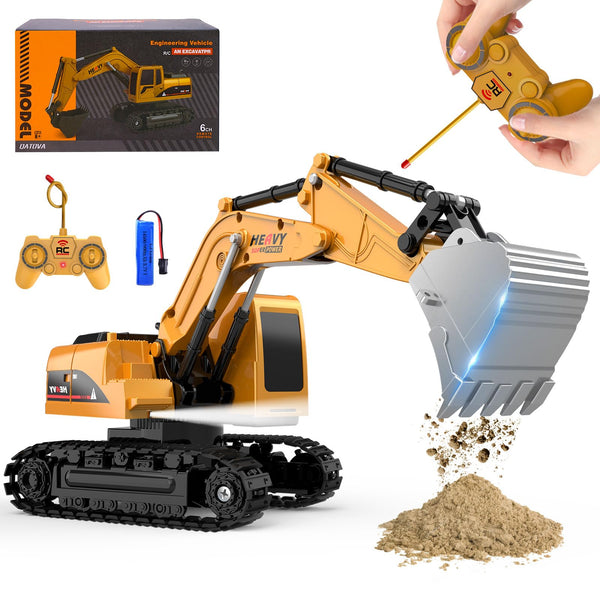
Engineering and mechanics toys help children understand how things move and work. Simple machines, gears, pulleys, and marble runs introduce cause-and-effect relationships in a very visual way. Children learn that one small change can create a different outcome, which strengthens logical thinking and problem-solving skills.

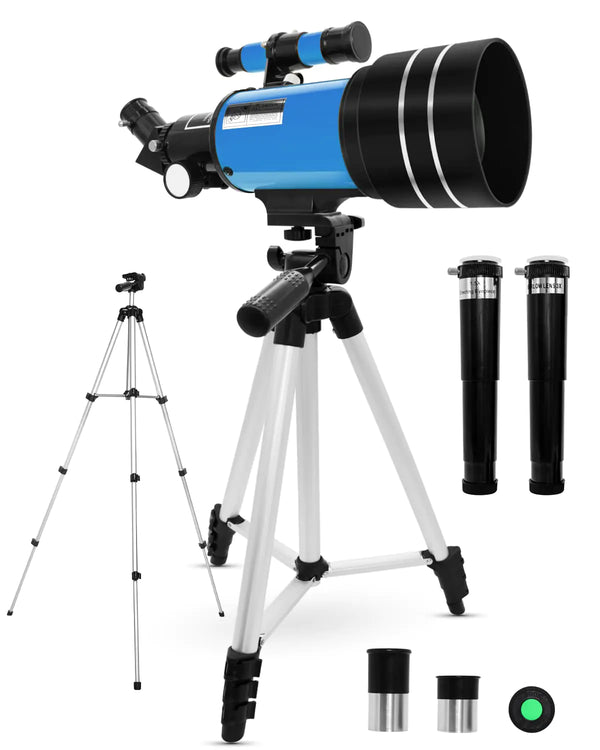
Science-based STEM toys encourage observation and curiosity. Simple experiment kits, magnet sets, and nature exploration toys allow children to explore the world around them. At six years old, children don’t need complex scientific explanations. What matters most is that they observe, ask questions, and make connections between actions and results.

Coding and logic toys designed for this age are often screen-free and highly visual. These toys teach children sequencing, planning, and logical thinking without using digital devices. By arranging pieces or following step-by-step challenges, children begin to understand the basics of computational thinking in a fun and accessible way.

Math-focused STEM toys help children build number confidence through play. Counting, measuring, recognizing patterns, and solving simple logic challenges become part of everyday play instead of something to fear. When math is hands-on and playful, children are more relaxed and open to learning.

Supporting Different Learning Styles

Every child learns differently, and one of the strengths of STEM toys is their flexibility. Some children love building and creating with their hands, while others enjoy solving puzzles or exploring how things work. STEM toys allow children to learn in a way that matches their natural interests and strengths.

Hands-on builders often enjoy construction sets and engineering toys. Curious explorers may gravitate toward science kits and experiment-based toys. Logical thinkers often enjoy coding games and puzzles. Creative children benefit from open-ended STEM toys that allow multiple solutions and imaginative play. There is no single “right” type of STEM toy, only what works best for your child.

STEM Toys and Emotional Development

STEM toys do more than support cognitive skills. They also play a role in emotional development. When children work through challenges, they practice patience, emotional regulation, and perseverance. They learn how to cope with frustration and celebrate progress, even when the outcome is not perfect.

STEM play also encourages independence. Children learn to explore on their own, make decisions, and trust their ideas. This independence builds self-esteem and helps children feel capable and secure in their abilities.

Montessori-Inspired STEM Toys

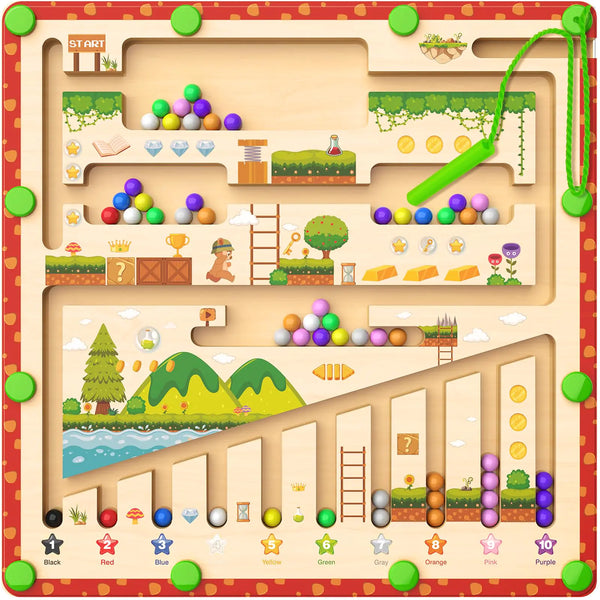
Many parents are drawn to Montessori-style STEM toys because of their simplicity and focus on independent learning. Montessori-inspired STEM toys are usually made from natural materials, have a clear purpose, and avoid unnecessary distractions like lights and sounds. These toys encourage children to concentrate, explore at their own pace, and learn through repetition and self-correction.

For 6-year-olds, Montessori-aligned STEM toys support deeper focus and meaningful engagement. They allow children to fully immerse themselves in an activity without being overstimulated, which is especially helpful for building attention and concentration.

How Parents Can Support STEM Learning at Home

Parents do not need a science or engineering background to support STEM learning. Simple encouragement and curiosity go a long way. Asking open-ended questions, allowing children to struggle a little before helping, and celebrating effort rather than perfection all support healthy learning habits.

Playing alongside your child occasionally can also be powerful. When children see adults showing curiosity and interest, they feel validated and motivated. Most importantly, keeping STEM play pressure-free helps children associate learning with enjoyment rather than stress.

Choosing the Right STEM Toy for Your 6-Year-Old

The best STEM toys for 6-year-olds are age-appropriate, engaging, and open-ended. They should encourage active participation rather than passive play. Toys that allow children to make mistakes, try again, and explore different outcomes support deeper learning and long-term interest.

It is also important to consider your child’s personality and interests. A toy that excites one child may not engage another. Observing what your child enjoys and choosing toys that align with those interests will make STEM learning more meaningful and enjoyable.

Final Thoughts: Why STEM Toys Matter at Age Six

STEM toys for 6-year-olds are not about preparing children for careers or pushing academic achievement too early. They are about nurturing curiosity, confidence, and a love for learning. Through play, children develop critical thinking skills, problem-solving abilities, and emotional resilience that will support them throughout life.

At six years old, learning should feel exciting, empowering, and fun. STEM toys provide children with the opportunity to explore the world, understand how things work, and believe in their ability to figure things out. When learning feels like play, children don’t just learn more — they enjoy the journey.

Related Posts

From Sounds to Sentences: How Our Language Development Toys Help Your Child Thrive
Every babble, coo, and first word marks an exciting milestone...
Montessori Sensorial Toys: Unleash Your Child\'s Potential
As a parent, I love the Montessori method. It focuses...
The Best STEM Science Kits for Hands-On Learning
In today's technology-driven world, STEM education has become essential for...
STEM Toys for Kids Who Think Robots Are Cooler Than Cartoons
Why STEM toys for kids matter—especially when robots rule the...
Best Reading and Writing Toys for Toddlers (1–3 Years)
Toddlers learn through movement, repetition, and curiosity. Reading and writing...
Wooden vs Plastic Building Blocks – What’s Better for Toddlers?
Parents often compare wooden and plastic building blocks when choosing...
Back to blog

Discover the toys parents and kids love most