

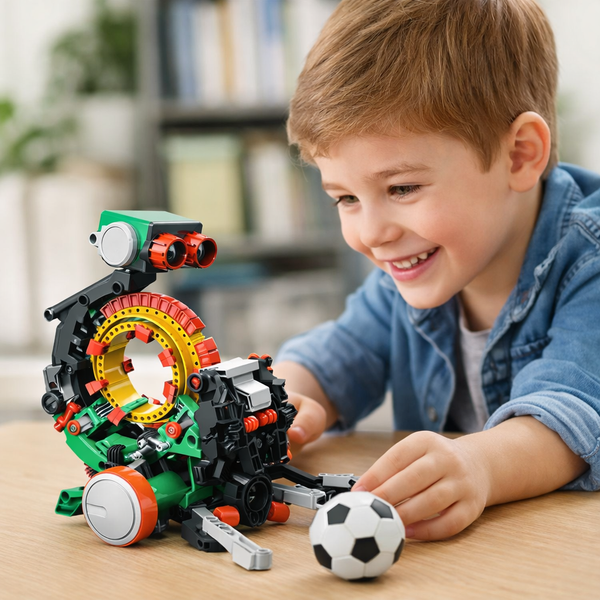
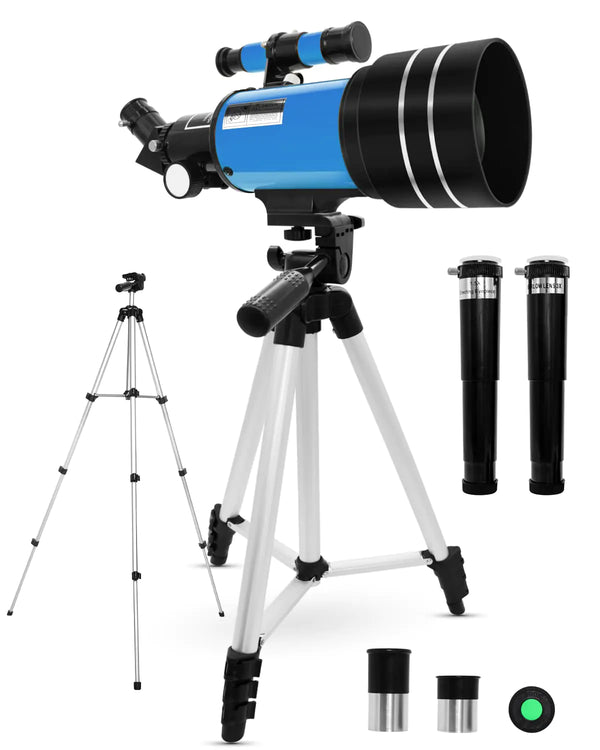
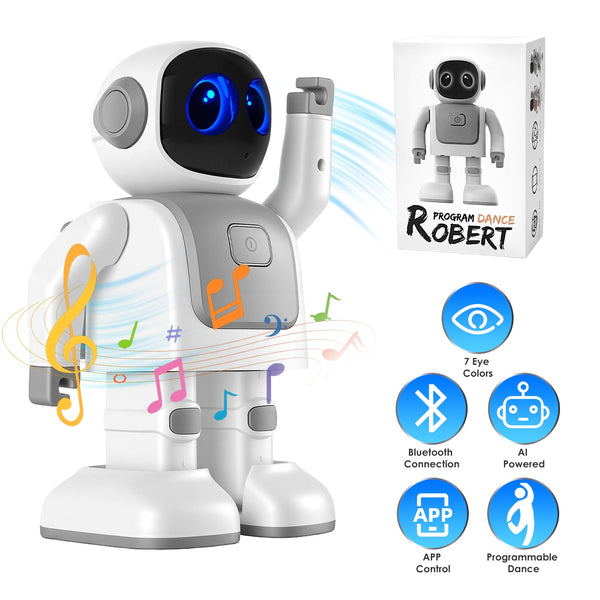
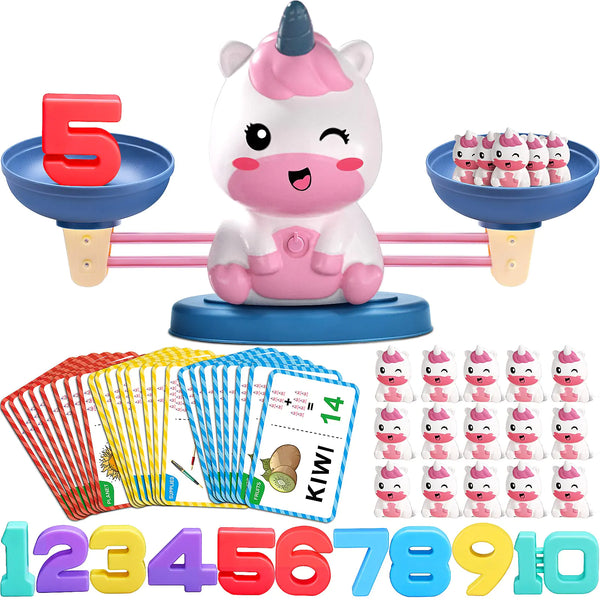
Parents searching for the best robot kits for kids usually want more than a toy that lights up for a few minutes. They want something that builds curiosity, strengthens problem-solving, and helps children learn real STEM skills through hands-on play. That is exactly why robot kits for teens, beginner robotics sets, and coding robot kits have become one of the smartest educational categories for families who want learning and fun in the same product.
The right robot kit can help a child build, test, troubleshoot, and understand how technology works. Instead of just watching a screen, kids get to create something real with their hands. They see how different parts connect, how simple logic controls movement, and how problem-solving leads to progress. That makes robotics toys one of the strongest ways to support creativity, confidence, and future-ready thinking.

If your child enjoys building, experimenting, or figuring out how things work, a strong robotics kit can become a favorite learning tool at home. Families often pair these kits with STEM toys, coding & programming toys, engineering toys, science kits & experiments, and problem-solving play sets to build an even stronger learning environment.
This guide will help you choose the best robot kits for kids, understand which robot kits for teens are worth buying, and find coding robot kits that are fun, educational, and much easier to choose with confidence.
Top Picks (Quick Answer)
If you want the best options quickly, these are our top recommended toys based on learning value, fun, and long-term use.
Creative Building Kits Educational Blocks Sets
A powerful all-in-one toy that helps kids build creativity, problem-solving skills, and focus through hands-on play.
Best for: creativity, building skills, and long-term engagement
Shop NowJigsaw Puzzle Large 12 Piece Rainbow Blocks
Perfect for toddlers and preschoolers to build coordination, shape recognition, and early problem-solving skills.
Best for: ages 2–5, early learning, and hands-on play
Shop Now
Table of Contents
Many Tech Toys Keep Kids Busy but Do Not Build Real Problem-Solving Skills
A lot of toys look advanced because they make sounds, flash lights, or move automatically. But many of them ask very little from the child. The toy performs, and the child simply watches. That might create quick excitement, but it usually does not lead to stronger thinking, better patience or deeper learning.
Parents who want long-term value are usually looking for something more meaningful. They want toys that encourage a child to build, test, explore, fix mistakes, and feel proud of figuring something out. That is where robotics kits stand apart from ordinary tech toys.
Without Hands-On Robotics Play, Kids Miss Valuable Opportunities to Build Confidence, Logic, and STEM Thinking
Children learn best when they interact with ideas instead of only observing them. When they assemble a robot, test movement, or change how a simple sequence works, they start understanding cause and effect in a much more powerful way. They also learn that mistakes are part of the process, which builds patience and resilience.
That matters because robotics combines multiple skills at once. A child may be using engineering logic, fine motor control, creative thinking, and beginner coding awareness all in one activity. When this kind of learning is missing, kids lose a very exciting path into real hands-on STEM discovery.
The Best Robot Kits for Kids Turn Playtime Into Building, Coding, and Real Discovery
The best robotics kits do much more than entertain. They teach children how parts connect, how instructions work, how problems can be solved step by step, and how logical thinking creates real results. This is why coding robot kits are one of the strongest educational purchases for curious children and teens.
Whether you are buying for a beginner, a child who loves building, or a teen who wants something more advanced, the right kit should make learning feel exciting instead of overwhelming. A strong kit should be engaging enough to hold attention, structured enough to teach real skills, and open-ended enough to keep kids coming back to it.
Looking for robotics toys that build more than short-term excitement?
Explore hands-on robot kits that help children build, code, test, and grow real STEM confidence through play.
Shop Robotics Kits for KidsQuick Answer: What Type of Robot Kit Is Best?
If you want the fastest answer, start here. The best robot kit depends less on hype and more on your child’s age, patience, and learning style.
Simple Build-and-Move Kits
Ideal for younger kids who are just starting with robotics and need quick wins.
Browse beginner-friendly kits →Coding Robot Kits
Best for children ready to explore logic, sequencing, and beginner programming concepts.
Explore coding toys →Advanced Engineering-Style Kits
Great for teens who want more challenge, deeper building, and stronger STEM engagement.
Explore engineering toys →What Are Robot Kits for Kids?
Robot kits are hands-on learning sets that let children build, assemble, test, and sometimes program simple or advanced robotic creations. Some are focused more on construction and mechanics, while others go deeper into electronics, motion, sensors, or beginner coding logic.
The reason these kits are so valuable is simple: they ask children to participate. Instead of passively pressing a button, children have to think about structure, parts, movement, and how instructions lead to action. That is why robotics works so well alongside STEM toys and problem-solving play sets.
Some children start with very basic robot building activities. Others are ready for coding robot kits that introduce sequencing, logical steps, and simple programming ideas. The best fit depends on the child’s stage and confidence level.

Why Robot Kits Are One of the Best STEM Purchases for Kids and Teens
A strong robotics kit builds several important skills at once, which is why these products convert so well for parents who want educational value from every purchase.
Children begin to understand that small steps create larger outcomes.
Robotics makes science, engineering, and problem-solving feel practical and fun.
Building and testing teaches children to keep going instead of giving up quickly.
When a child sees something work because they built it, confidence grows naturally.
Many robotics activities feel exciting without relying on passive entertainment.
Good kits stay interesting because children can improve, rebuild, and try new ideas.
The best robot kits do not just teach technology. They teach children how to think, test, improve, and believe they can solve hard things.
Best Robot Kits by Age and Stage
Ages 5 to 7: Simple Entry-Level Robot Kits
At this age, the best kits should feel exciting without being frustrating. Look for robot kits that focus on simple assembly, clear steps, and movement-based results children can understand quickly. Younger learners usually do best when they feel successful early.
Ages 8 to 12: Build-and-Learn Robotics Kits
This is often the sweet spot for best robot kits for kids. Children at this stage can usually handle more steps, more parts, and stronger problem-solving challenges. Many are also ready to begin exploring beginner coding concepts through play.
Teens: Advanced Robot Kits and Coding Challenges
Robot kits for teens should offer more depth. Teens usually enjoy bigger challenges, stronger building variety, and kits that feel closer to real engineering or real coding. This is where advanced engineering toys and coding toys become especially valuable.
How to Choose Coding Robot Kits Without Overcomplicating It
A lot of parents hesitate when they hear the word coding. It can sound too advanced, especially for younger children. But many coding robot kits are built to introduce coding concepts in a simple, visual, child-friendly way.
The goal is not to turn every child into a programmer overnight. The goal is to help children understand instructions, logic, sequence, patterns, and how one action leads to another. That kind of thinking builds a strong base for future STEM confidence.
If your child already enjoys patterns, games, puzzles, or building, a coding robot kit may be one of the best upgrades you can make because it combines fun with skill-building in a way that feels practical and exciting.
Quick Guide: Which Type of Robot Kit Should You Buy?
These mobile-friendly cards make choosing easier based on your child’s goals, not just age.
Beginner Robot Kits
Best for: first-time builders
Main skills: assembly, confidence, cause and effect
Explore beginner kitsCoding Robot Kits
Best for: kids ready for sequencing and logic
Main skills: coding awareness, patterns, reasoning
Explore coding kitsEngineering Robotics Kits
Best for: older kids and teens
Main skills: mechanics, persistence, deeper STEM
Explore engineering kitsSTEM Experiment Kits
Best for: curious learners who love discovery
Main skills: experimentation, testing, science thinking
Explore science kitsWhat to Look for Before Buying the Best Robot Kits for Kids
Choose the Right Difficulty Level
A kit that is too easy may not stay interesting. A kit that is too difficult may create frustration. The sweet spot is a kit that challenges your child but still gives them a clear path to success.
Look for Replay Value
The strongest kits are not one-and-done purchases. Look for kits that can be rebuilt, expanded, or used in different ways over time.
Prioritize Real Learning, Not Just Gadget Appeal
A flashy kit may look impressive, but the best educational value comes from kits that encourage thinking, testing, and solving instead of passive entertainment.

Match the Kit to Your Child’s Interest
Some children love building. Some love coding logic. Some are curious about motion and machines. Buying the right kind of kit matters just as much as buying the right difficulty level.
How to Pick the Right Robot Kit Fast
If you are still deciding, use this simple buying shortcut:
- Choose beginner robot kits if your child is new to robotics and needs quick success.
- Choose coding robot kits if your child enjoys logic, patterns, or tech-based problem-solving.
- Choose engineering-style kits if your child or teen wants a bigger building challenge.
- Choose STEM kits if you want broader science and discovery learning around robotics.
Ready to buy a robot kit your child will actually use?
Browse robotics kits, coding toys, and engineering-focused learning tools designed to make STEM play exciting and meaningful.
Browse the Best Robot KitsDiscover More STEM Collections for Curious Kids
Children who enjoy robotics often love these learning categories too:
Top Picks (Quick Answer)
If you want the best options quickly, these are our top recommended toys based on learning value, fun, and long-term use.
Creative Building Kits Educational Blocks Sets
A powerful all-in-one toy that helps kids build creativity, problem-solving skills, and focus through hands-on play.
Best for: creativity, building skills, and long-term engagement
Shop NowJigsaw Puzzle Large 12 Piece Rainbow Blocks
Perfect for toddlers and preschoolers to build coordination, shape recognition, and early problem-solving skills.
Best for: ages 2–5, early learning, and hands-on play
Shop NowFinal Thoughts: The Best Robot Kit Is the One Your Child Wants to Build Again and Again
The best robot kits for kids and teens do much more than introduce technology. They spark curiosity, build confidence, and teach children how to keep going when a design does not work the first time. That is exactly why robotics kits are one of the smartest choices for modern learning through play.
When children build, test, adjust, and improve, they are not just playing with a toy. They are developing problem-solving skills, patience, independence, logical thinking, and resilience. These are the kinds of skills that support learning far beyond one activity or one stage of childhood.
If you want a gift or learning tool that feels exciting now and continues to deliver real value over time, coding robot kits and hands-on robotics sets are some of the best investments you can make for your child’s growth.
Frequently Asked Questions About Robot Kits for Kids and Teens
1. What are robot kits for kids?
Robot kits for kids are hands-on learning kits that let children build, test, and sometimes program simple or advanced robots through playful STEM activities.
2. Are robot kits educational?
Yes. Good robot kits support problem-solving, logical thinking, engineering awareness, persistence, and hands-on STEM learning.
3. What age is best for robot kits?
Some simple robot kits work well for younger children, while more advanced building and coding robot kits are often best for older kids and teens.
4. Are robot kits good for teens?
Yes. Robot kits for teens can be especially valuable because teens often enjoy deeper challenges, stronger engineering concepts, and coding-based learning.
5. What are coding robot kits?
Coding robot kits are kits that combine robotics play with beginner programming ideas such as sequencing, logic, instructions, and simple code-based actions.
6. Do robot kits help children learn coding?
Yes. Many robot kits help children understand the basics of coding logic, step-by-step commands, and how instructions control actions.
7. Are robot kits good for STEM learning?
Yes. Robot kits are one of the strongest STEM categories because they blend engineering, logic, testing, and hands-on problem-solving.
8. What makes the best robot kits for kids?
The best robot kits are age-appropriate, engaging, well-structured, educational, and interesting enough to encourage repeat use instead of one-time play.
9. Are robot kits worth buying?
Yes. Many robotics kits are worth buying because they offer stronger replay value and deeper educational benefit than many passive tech toys.
10. Do robot kits improve problem-solving skills?
Yes. Children often have to test, adjust, troubleshoot, and improve their builds, which strengthens problem-solving naturally.
11. Are coding robot kits too advanced for beginners?
Not always. Many coding robot kits are built for beginners and introduce coding concepts in a simple and very child-friendly way.
12. What robot kits are best for beginners?
Beginner-friendly kits are usually the ones with clear steps, fewer frustrating parts, and quicker visible results that help children feel successful early.
13. What robot kits are best for older kids?
Older kids often do best with kits that include deeper building, coding, mechanics, sensors, or more advanced STEM challenges.
14. What robot kits are best for teens?
The best robot kits for teens are often engineering-style or coding-focused kits that feel challenging, rewarding, and closer to real technical learning.
15. Do robot kits help confidence?
Yes. Completing a build, fixing a mistake, or getting a robot to work can build strong confidence and a sense of achievement.
16. Are robot kits good gifts for kids?
Yes. Robot kits make great gifts for children who enjoy building, technology, discovery, or STEM-style challenges.
17. Are robot kits screen-free?
Some are mostly screen-free build kits, while others include app or coding components. It depends on the type of kit you choose.
18. Do robotics kits improve fine motor skills?
Yes. Many kits support fine motor growth because children handle pieces, build structures, connect parts, and test movement carefully.
19. Do robot kits help children think more logically?
Yes. Robot kits naturally teach children that instructions, order, structure, and testing all matter in reaching a result.
20. Are robot kits better than passive electronic toys?
In many cases yes, because robot kits ask children to build, think, and solve instead of mostly watching the toy perform on its own.
21. What should I look for in the best robot kits for kids?
Look for age fit, learning value, replay value, child interest alignment, and a challenge level that feels motivating but not overwhelming.
22. Can robotics kits support school learning?
Yes. Robotics often supports school skills like logical reasoning, attention, experimentation, persistence, and engineering awareness.
23. Are coding robot kits good for homeschool?
Yes. Coding robot kits can work very well in homeschool settings because they provide hands-on learning and self-paced exploration.
24. Can robot kits keep older kids engaged longer?
Yes. Older kids and teens often stay engaged longer when the kit feels challenging, useful, and rewarding to improve over time.
25. What is the difference between robot kits and STEM kits?
Robot kits are one type of STEM kit. STEM kits can be broader and include science, engineering, math, or experiment-based learning beyond robotics.
26. Can a child start robotics without prior experience?
Yes. Many children start robotics with no prior experience as long as the kit matches their current level and feels approachable.
27. Are robot kits good for children who love building toys?
Yes. Children who already enjoy building toys often love robot kits because they combine construction with motion and technology.
28. Can robot kits improve patience and persistence?
Yes. Robotics projects often require trial and error, which helps children practice patience and keep working through challenges.
29. Where can I shop the best robot kits for kids online?
You can explore robotics kits, coding toys, and engineering-style learning products online at WonderKidsToy.
30. What is the biggest benefit of robot kits for kids?
The biggest benefit is that they turn curiosity into hands-on learning by helping children build, think, test, and solve through real STEM play.