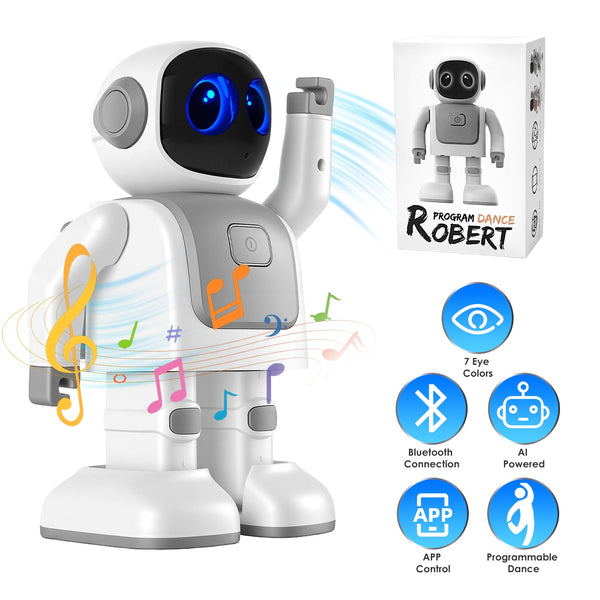

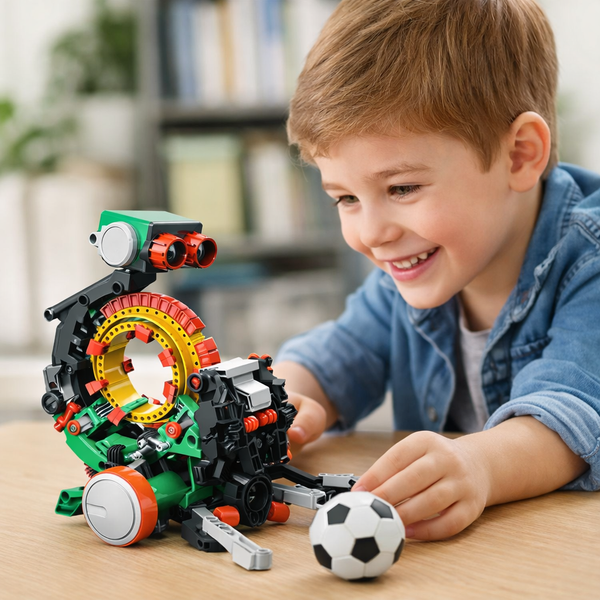
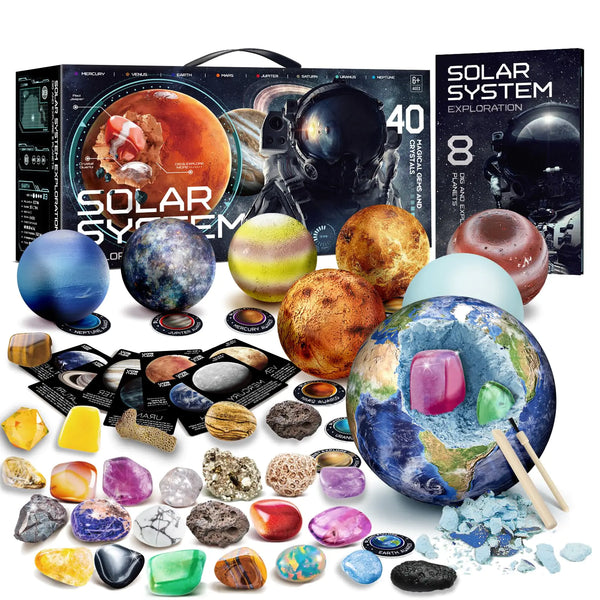

At age three, your child is experiencing a major cognitive bloom. They are moving from simple observation to active experimentation. Choosing the best preschool learning toys is about more than just entertainment—it’s about architecting a foundation for critical thinking, motor precision, and emotional intelligence.
Discover how hands-on discovery can transform your child's cognitive development. Explore our curated Educational Toys Collection and STEM Essentials to fuel their natural curiosity.
The 3-Year-Old Brain: A High-Speed Connection Network
By age three, the brain is roughly 80% of its adult size and is forging neural pathways at an incredible rate. Children begin to master early math skills, recognize patterns, and develop "theory of mind." This is the prime age for toys that don't just "do" something, but ask the child to "be" something or "solve" something.
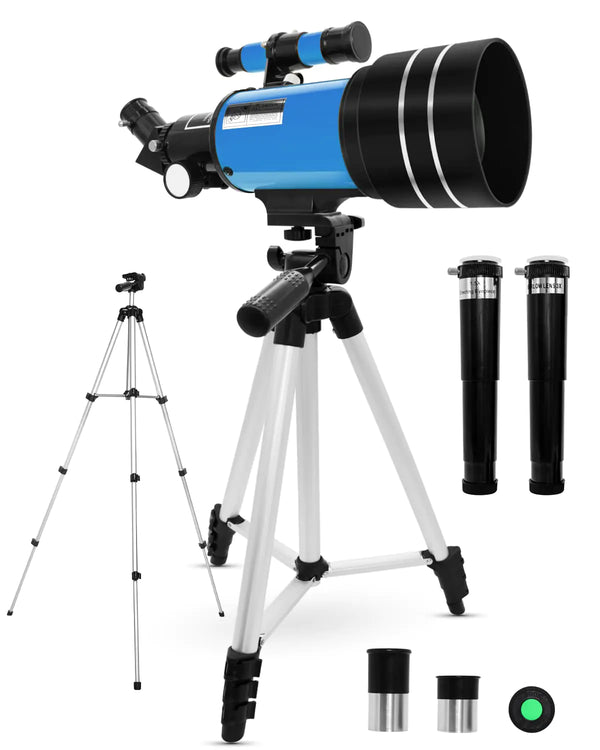
Physically, they are refining both gross and fine motor control. The ability to manipulate small building pieces or balance on a beam is reaching a critical developmental window. Mentally, they are ready for STEM discovery that uses their natural urge to investigate "how" things stand up or "why" they fall.
The Screen-Time Shadow: Why Hands-On Play Wins
In a digital world, passive consumption—where a child simply watches a screen—fails to build the neural connections required for spatial reasoning and social empathy. Truly effective learning toys require a child to be the source of the action. When a child builds a tower that collapses, they learn physics; when an app does it for them, they only learn to wait. Active play is a workout for the prefrontal cortex.
The Active Discovery Framework
To spark genius, we focus on three pillars: technical logic, linguistic foundation, and imaginative empathy.
STEM & Engineering
Introduce physics through building blocks. Magnetic tiles and stacking systems teach balance, symmetry, and structural integrity.
Shop Construction SetsLogic & Patterning
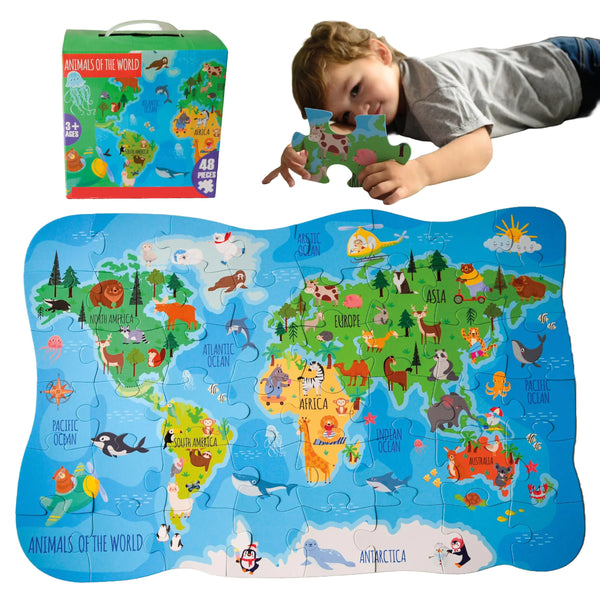
Puzzles and sorting toys turn early math into a game. These tools build patience, shape recognition, and persistence.
Explore PuzzlesImaginative Role-Play
Role-play sets allow children to practice social skills. Acting out scenarios builds emotional intelligence and vocabulary.
Refining the Hands: Fine Motor Precision
At three, children are developing the dexterity needed for writing and self-care. Beading, threading, and using precise art supplies are essential. Building sets that require snapping parts together further enhance hand-eye coordination.
Language development is equally vital. Storytelling toys and interactive picture books provide the tactile feedback brains need to map abstract sounds to concrete meanings, preparing them for future literacy.
Frequently Asked Questions
What are the best types of toys for a 3-year-old's brain development?
Open-ended toys like blocks, magnetic tiles, and pretend-play sets are best. They force the child to use logic and imagination simultaneously, strengthening the prefrontal cortex.
How can toys help with social and emotional growth?
Cooperative games and dolls allow children to practice turn-taking, empathy, and conflict resolution in a safe, play-based environment.
Are "educational" digital apps okay at this age?
While some apps have value, the AAP recommends limiting screen time. It should be a small part of a "hybrid" day that prioritizes physical, tactile discovery.
Why is toy rotation important?
Limiting the number of toys available prevents overstimulation and "choice paralysis." Rotation keeps old toys fresh and encourages deeper focus on the materials at hand.
Invest in Their Academic Foundation
Every discovery starts with a single piece. Give your child the tools to solve, create, and innovate. Discover the expert-vetted collection at WonderKidsToy today.
Browse the Expert-Vetted Collection