Best Toy Computer for Toddlers (2026): Screen-Free Learning Toys That Feel Fun and Familiar

Best Toy Computer for Toddlers (2026): Screen-Free Learning Toys That Feel Fun and Familiar

Finding the best toy computer for toddlers can feel harder than it should. Parents want something that feels exciting and modern, but they also want something that actually helps with learning. A toddler toy computer should not just make noise. It should support early skills like listening, language, matching, memory, and independent play in a way that still feels fun.

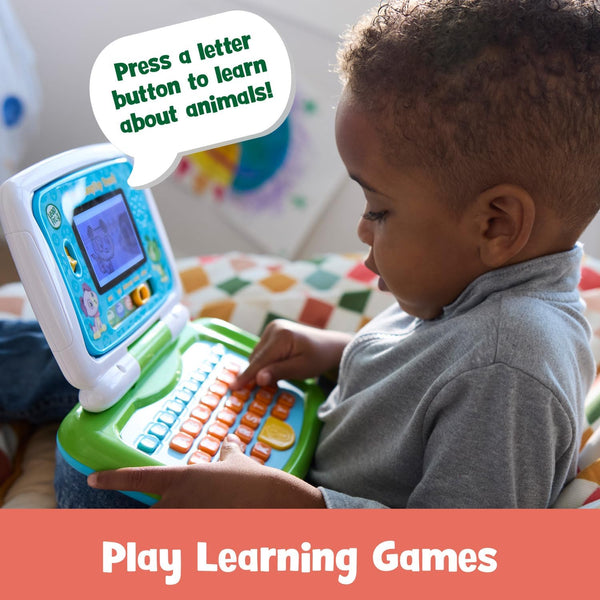
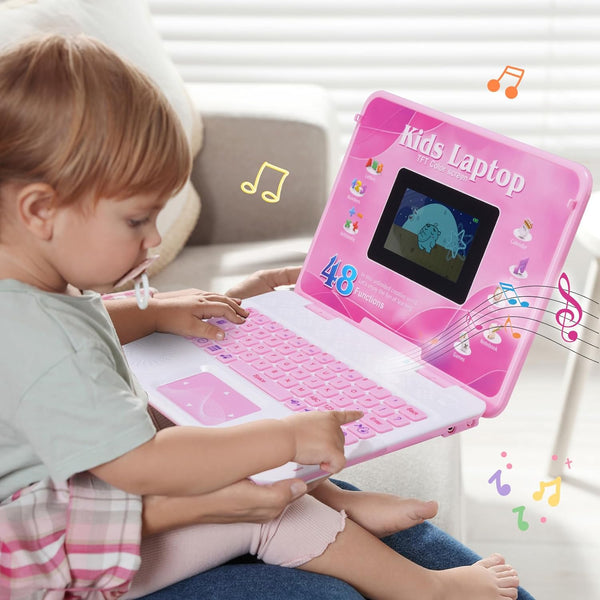
That is why toy computers remain such a popular category for early learning. Toddlers love to copy what adults do. When they see parents using laptops and computers, they naturally want their own version. A good toy computer gives them that familiar “grown-up” feeling while still keeping play screen-free and age-appropriate.

The problem is that many toy computers for toddlers look better online than they feel in real life. Some are too noisy. Some are too passive. Some are too advanced for little hands and short attention spans. Others feel fun for one day and then get ignored. That is why choosing the right one matters.

In this guide, you will learn what makes a toy computer good for toddlers, what features matter most, what learning benefits to look for, and how to choose one that truly fits your child’s stage. Families building a stronger learning setup at home also often explore early development toys, language learning toys, educational toys, problem-solving play sets, and educational toys for 3 year olds.

Table of Contents

Top Picks (Quick Answer)

If you want the fastest starting point, begin here before reading the full guide.

BEST OVERALL GUIDE

Best Toy Laptop for Toddlers (2026)

A strong guide for comparing toddler laptop-style learning toys and understanding which ones actually support early development instead of just making noise.

Best for: parents comparing toddler computer-style toys quickly

Read the Guide
BEST FOR BROADER TODDLER LEARNING

Early Development Toys Collection

A strong backup option if you want screen-free learning toys beyond the computer category, especially for language, sensory development, coordination, and confidence.

Best for: parents who want broader early-learning value

Explore Early Development Toys

Why Many Toy Computers for Toddlers Disappoint

The idea sounds perfect. Give your toddler a toy computer that feels fun and educational, and let them enjoy a screen-free version of something adults use every day. But in real life, many toy computers miss the mark. Some are overloaded with noise and flashing features. Some are too confusing. Some do not really teach anything beyond random button pressing.

That is why parents often feel disappointed. The toy looked smart in photos, but after a few minutes it either overstimulates the child or gets pushed aside. Instead of supporting language, memory, or listening, it becomes another short-term distraction.

The best toy computer for toddlers is not the one with the longest feature list. It is the one that feels simple, rewarding, and genuinely useful for this age.

The Wrong Toy Computer Gets Ignored Fast and Can Create More Chaos Than Learning

Toddlers need toys that match their actual stage. They are still learning to listen, respond, repeat, imitate, and feel successful with simple tasks. If a toy computer is too noisy, too advanced, or too passive, it can work against those goals. The child may press buttons for a few minutes, but that is very different from real learning.

This matters even more when parents are trying to reduce screen time. If the toy does not feel satisfying enough, toddlers may quickly go back to wanting a real device. That defeats one of the biggest reasons parents buy this category in the first place.

A strong toy computer should feel exciting enough to hold interest and simple enough to support repeat learning through play.

The Best Toy Computer for Toddlers Feels Familiar, Simple, and Worth Repeating

A great toy computer works because it combines imitation play with simple early learning. Toddlers are already interested in laptops and computers because they see adults using them. That natural curiosity gives this category a big advantage. The toy begins with attention, which makes it easier for learning to happen through repeated play.

The strongest toy computers for toddlers stay manageable. They do not try to do too much. Instead, they offer simple words, sounds, matching, listening prompts, or memory-style interaction that feels understandable and fun at this age.

When chosen carefully, a toy computer can work beautifully alongside language learning toys, early development toys, and educational toys.

Looking for smarter screen-free toddler learning toys?

Explore educational toys that help toddlers build language, confidence, coordination, memory, and focus through everyday play.

Browse Educational Toys

Why Toddlers Love Toy Computers

Toddlers love pretending to do what adults do. That is why toy phones, toy kitchens, and toy computers feel so interesting to them. A toy computer feels important, real, and grown-up. It gives them something familiar to copy in their own playful way.

This matters because children are far more likely to return to a toy they already find exciting. A good toy computer can become part pretend work, part learning routine, and part confidence-building experience.

That “grown-up” feeling is not just fun. It is often the reason the learning sticks.

Learning Benefits of a Good Toy Computer for Toddlers

Language and Listening Development

Many toddler toy computers help with first words, sounds, simple prompts, and basic vocabulary practice.

Memory and Matching Skills

Simple recognition, matching, and recall tasks can help strengthen memory and early thinking patterns.

Independent Screen-Free Play

A good toy computer can keep toddlers engaged independently because it feels personal, familiar, and repeatable.

Confidence Through Small Wins

When toddlers can repeat simple actions successfully, they begin to feel more capable and eager to try again.

Screen-Free Tech Familiarity

Toy computers let toddlers enjoy computer-style play without depending on real screens.

Best Features to Look For in a Toy Computer for Toddlers

Simple Controls

Toddlers should be able to understand the toy without constant adult help.

Clear Learning Focus

Look for words, sounds, matching, memory, or listening rather than random stimulation.

Durability

Toddler toys need to handle drops, carrying, and lots of button pressing.

Low Overstimulation

Too much noise and flashing usually reduce the toy’s learning value.

Replay Value

The best toy computers stay useful across many sessions instead of becoming boring quickly.

Right Age Fit

The toy should match toddler attention span, hand control, and learning stage.

Best Toy Computer by Toddler Age Stage

Ages 1 to 2

At this stage, toddlers usually need very simple toy computers with easy buttons, basic sounds, and a light focus on imitation and early familiarity.

Ages 2 to 3

This is often the strongest age for toy computers. Children at this stage enjoy pretend work play while also being ready for simple words, matching, and listening activities.

Older Toddlers Moving Toward Preschool

As toddlers get older, parents may want to compare toy computers with broader categories like educational toys for 3 year olds and language learning toys for stronger long-term value.

Best Toy Computer for Toddlers by Learning Goal

These quick cards help you choose based on the skill you want to support most.

Language Growth

Best for: toddlers learning words and sounds

Main skills built: vocabulary, listening, sound recognition

Explore language toys

Independent Play

Best for: toddlers who enjoy solo pretend play

Main skills built: confidence, familiarity, routine play

Explore early development toys

Memory and Matching

Best for: toddlers ready for simple learning games

Main skills built: recognition, matching, early logic

Explore problem-solving toys

Broader Toddler Learning

Best for: parents comparing computer toys with wider options

Main skills built: balanced early development

Explore educational toys

How to Choose the Best Toy Computer for Toddlers Fast

Match It to Real Toddler Ability

The toy should feel understandable now, not too advanced and not too babyish for the child’s stage.

Choose Learning Over Noise

Pick toys with real support for words, sounds, matching, listening, or memory instead of endless stimulation.

Think About Replay Value

A good toy should still feel useful after many sessions, not just the first day.

Compare It Against Other Early-Learning Toys

Sometimes a broader educational toy category may support the same goals even better than a toy computer specifically.

Best Alternatives to Toy Computers for Toddlers

Sometimes the strongest choice for a toddler may not be a toy computer at all. If your main goal is stronger vocabulary, sensory development, coordination, or independent exploration, other categories may give better value depending on your child’s interests.

Strong alternatives include language learning toys for vocabulary growth, early development toys for stage-based learning, and problem-solving play sets for early logic.

That does not make toy computers a bad choice. It just means they work best when they clearly match both the child and the learning goal.

Final Thoughts: The Best Toy Computer for Toddlers Makes Screen-Free Learning Feel Worthwhile

The best toy computer for toddlers is not the one with the loudest sounds or the longest feature list. It is the one that keeps your child curious while quietly building useful early skills like listening, language, memory, and confidence.

When chosen thoughtfully, a toy computer can become much more than a pretend gadget. It becomes a screen-free learning tool that fits naturally into daily play while still feeling exciting to a toddler.

If you want the strongest result, compare carefully and keep the bigger goal in mind: helping your child learn, focus, and feel capable through play that is actually worth repeating.

Frequently Asked Questions About Toy Computers for Toddlers

1. What is the best toy computer for toddlers?

The best toy computer for toddlers is simple, durable, age-appropriate, and focused on useful early skills like sounds, words, matching, listening, or memory.

2. Are toy computers good for toddlers?

Yes, they can be good for toddlers when they are easy to use and support real learning instead of just random stimulation.

3. What does a toy computer help a toddler learn?

It can help with sounds, first words, listening, recognition, matching, memory, and simple independent play routines.

4. Are toy computers educational for toddlers?

They can be educational for toddlers when they offer real replay value and age-appropriate learning interaction.

5. Why do toddlers like toy computers?

They like them because they enjoy copying adults and feel excited by toys that look like real grown-up tools.

6. Are toy computers better than tablets for toddlers?

For many families, yes. Toy computers can give toddlers the fun of a device without relying on real-screen time.

7. What features should a toy computer for toddlers have?

It should have simple controls, durability, low overstimulation, and a clear focus on sounds, words, memory, matching, or listening.

8. Can a toddler use a toy computer independently?

Yes, many toddlers can use simple toy computers independently when the interaction is easy to understand.

9. Do toy computers help with speech and language?

They can help with speech and language when they include sounds, first words, listening prompts, and repetition-based learning.

10. Do toy computers help with memory?

Yes, many include matching and recognition activities that support early memory development.

11. Are toy computers too noisy for toddlers?

Some are, which is why simpler toys with clearer learning value are usually the better choice.

12. What makes a bad toy computer for toddlers?

A bad one is usually too noisy, too passive, too complicated, or too limited to hold interest for long.

13. What makes a good toy computer for a toddler?

A good one feels easy to use, durable, educational, and enjoyable across many play sessions.

14. Are toy computers screen-free?

Yes, they are usually screen-free or low-tech toys that imitate device play without using a real screen.

15. Are toy computers worth buying for toddlers?

They can be worth buying when they offer strong replay value, real learning support, and a satisfying alternative to real devices.

16. Do toy computers reduce screen time?

For some families, yes. They can reduce the desire for real screens by giving toddlers a familiar but child-friendly alternative.

17. Are toy computers good for focus?

They can support focus when they are simple, purposeful, and easy enough for a toddler to use without frustration.

18. Are toy computers Montessori-style?

Most are not strictly Montessori-style, but some can still support independence and purposeful learning when chosen carefully.

19. What are the best alternatives to a toy computer?

Strong alternatives include language learning toys, early development toys, educational toys, and simple problem-solving toys.

20. Are language toys better than toy computers?

Sometimes, depending on your goal. If you want more direct vocabulary and communication support, language toys may be stronger.

21. Are early development toys better than toy computers?

In some cases, yes. Broader early development toys may offer more flexible, hands-on learning depending on your child’s interests.

22. Is a toy computer a good birthday gift for a toddler?

Yes, it can be a good gift when the child enjoys pretend work play and the toy offers real educational value.

23. What if my toddler gets bored quickly with toys?

Choose toys with stronger replay value and clear activities. Sometimes a broader educational category may work better than a toy computer specifically.

24. Are computer-style toys good for independent play?

Yes, many toddlers enjoy them for independent play because they feel personal, familiar, and easy to repeat.

25. Can toy computers support school readiness later?

They can help build early foundations through listening, recognition, vocabulary, and simple memory-based learning.

26. What is better for a toddler: toy laptop or toy computer?

That depends on the child and the toy. Many parents compare both because the best option is usually the one with clearer age-appropriate learning.

27. Do these toys help confidence?

Yes, repeated small successes can help children feel more capable and willing to engage independently.

28. Where can I compare good toy computers for toddlers?

You can compare guidance through WonderKidsToy blog content and related toddler learning collections.

29. Should I buy a toy computer only if my toddler loves gadgets?

No, but toddlers who already enjoy grown-up device imitation often take to them especially well.

30. What is the biggest benefit of the best toy computer for toddlers?

The biggest benefit is that it makes screen-free learning feel familiar and fun while supporting useful early skills through repeatable play.

Related Posts

Top STEM Electronics Kits That Make Learning Fun for Teens
📚 Table of Contents Why STEM Electronics Kits Matter The...
Best Learning Toys for Kids (2026): Smart Picks That Actually Help Children Grow
Every parent wants toys that do more than create a...
Best Screen-Free Toys for Toddlers (That Actually Keep Them Busy)
If you’ve ever handed your toddler a toy… only to...
Back to blog

Top Picks (Quick Answer)

If you want the best options quickly, these are our top recommended toys based on learning value, fun, and long-term use.

BEST OVERALL

Creative Building Kits Educational Blocks Sets

A powerful all-in-one toy that helps kids build creativity, problem-solving skills, and focus through hands-on play.

Best for: creativity, building skills, and long-term engagement

Shop Now
BEST FOR YOUNGER KIDS

Jigsaw Puzzle Large 12 Piece Rainbow Blocks

Perfect for toddlers and preschoolers to build coordination, shape recognition, and early problem-solving skills.

Best for: ages 2–5, early learning, and hands-on play

Shop Now
Exclusive Bundle

FREE: Get $99 worth Creative Digital Vault

Order now and get instant access to 130+ Digital Learning Books. While your item ships, your child can start learning immediately!

✓ Link Sent Instantly to Your Email Post-Purchase