
Quick Answer:
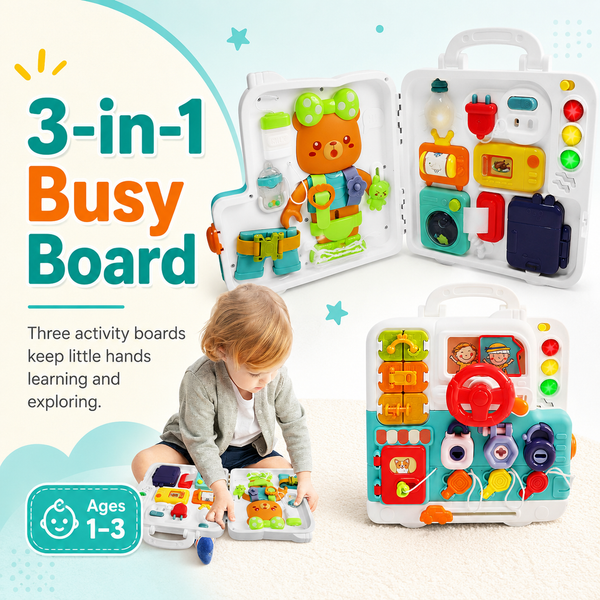
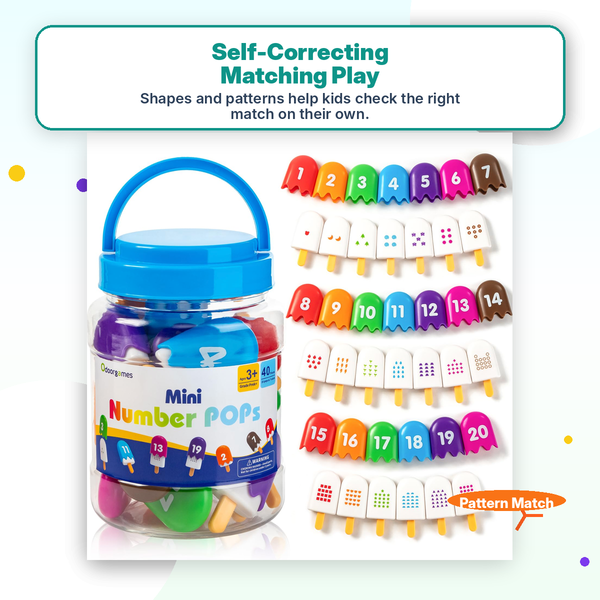
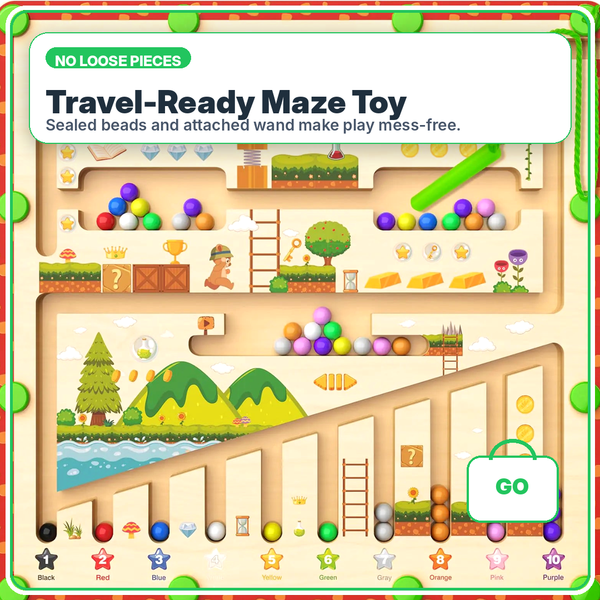
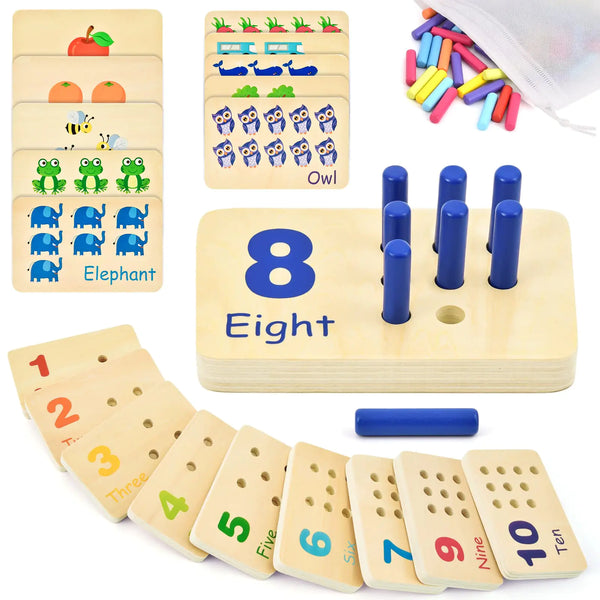
The best Montessori toys for 2-year-olds focus on fine motor development, sensory exploration, and practical life skills. At this age, toddlers are beginning to refine hand control and are fascinated by cause-and-effect relationships. Top picks include pouring activities, simple puzzles, stacking toys, and sensory materials that support natural development while building confidence and independence.
Table of Contents
- What 2-Year-Olds Are Learning (Developmental Overview)
- Why Montessori Works at Age 2
- 10 Best Montessori Toys for 2-Year-Olds
- Montessori Activities to Do at Home
- Safety Considerations for 2-Year-Olds
- How to Set Up a Montessori Space for Toddlers
- FAQ for Parents of 2-Year-Olds
- Start Your 2-Year-Old's Montessori Journey
What 2-Year-Olds Are Learning (Developmental Overview)
At age 2, toddlers are in what developmental psychologists call the "explosive language period." But beyond language, 2-year-olds are experiencing rapid development in several key areas:
Fine Motor Skills
Two-year-olds are transitioning from raking (using whole hand) to pincer grip (using thumb and fingers). They can:
- Stack blocks (2-4 blocks high)
- Turn pages in books
- Start to hold utensils
- Scribble with crayons
- Begin threading large beads
Cognitive Development
- Understanding simple cause-and-effect (press button → sound happens)
- Developing object permanence (understanding things still exist when hidden)
- Beginning to sort by color and shape
- Imitating actions and sounds
- Showing interest in how things work
Sensory Development
- Heightened interest in textures, sounds, and sensations
- Learning to distinguish between smooth and rough, soft and hard
- Fascinated by water, sand, and other sensory materials
- Beginning to understand concepts like "in," "out," "up," and "down"
Independence Development
- Desire to do things "by self"
- Interest in helping with simple tasks
- Beginning to show preferences and make choices
- Developing routines and expectations
Why this matters: Choosing toys that support these exact developmental areas means your 2-year-old isn't just playing—they're building the foundation for future learning.
Why Montessori Works at Age 2
At 2 years old, children have an innate drive to participate in real life. They want to do what they see adults doing. They watch you pour water, button a shirt, or clean up—and they want to try it too.
Montessori respects this drive. Instead of toys that entertain passively, Montessori toys invite active participation. A 2-year-old using a pouring activity isn't just "playing"—they're developing the exact fine motor skills and concentration they need for future academic success.
The Montessori Advantage at Age 2:
- ✅ Supports natural developmental patterns
- ✅ Builds genuine confidence (not false praise)
- ✅ Develops concentration and focus
- ✅ Encourages independence
- ✅ Reduces tantrums through purposeful engagement
- ✅ Creates a sense of order and security
10 Best Montessori Toys for 2-Year-Olds
1. Pouring & Transferring Activities
What it is: Containers with beans, rice, or pasta that children pour from one container to another
Why it's essential:
- Develops fine motor control
- Teaches hand-eye coordination
- Builds concentration (children love this activity and do it for 15+ minutes)
- Teaches practical life skills (pouring)
- Incredibly affordable
How to use:
- Start with larger objects (pom-poms, plastic balls) for easy transfer
- Graduate to smaller items (beans, rice) as skill develops
- Use child-sized pitchers and containers
- Expect spilling—it's part of learning
Recommended product: DIY with household items or buy a "Pouring Tray Set" ($20-40)
Skill development: Fine motor, concentration, practical life
2. Stacking Rings
What it is: A pole with removable rings that children stack
Why it's perfect for age 2:
- Develops hand-eye coordination
- Teaches problem-solving (figuring out which ring goes where)
- Promotes self-correction (only one way works)
- Supports fine motor development
- Simple enough for beginners, complex enough to be engaging
How to use:
- Start with 3-4 rings for beginners
- Child removes rings, then stacks them back
- No "teaching" needed—the toy guides the learning
- Practice with both hands
Recommended product: Wood stacking rings ($15-40)
Skill development: Fine motor, hand-eye coordination, problem-solving
3. Simple Wooden Puzzles (Knob Puzzles)
What it is: Wooden puzzles with large pieces and knobs for easy gripping
Why it's ideal:
- Develops fine motor control and grip strength
- Teaches shape and spatial awareness
- Self-correcting (pieces only fit one way)
- Builds confidence (puzzle can be completed independently)
- Beautiful and natural
How to use:
- Start with 2-3 piece puzzles
- Show once, then let child explore
- Don't jump in to help—let them problem-solve
- Celebrate effort, not just completion
Recommended product: Knob puzzle with 4-6 large pieces ($20-35)
Skill development: Fine motor, shape recognition, spatial awareness, problem-solving
4. Color Tablets (Sensorial Material)
What it is: Wooden tablets in various colors that children match and sort
Why it's perfect:
- Develops color discrimination
- Introduces sensorial exploration
- Supports concentration through focused activity
- Builds vocabulary ("red," "blue," "yellow")
- Beautiful and inviting
How to use:
- Start with primary colors (red, blue, yellow)
- Child sorts matching pairs
- Arrange by color gradation (introduces ordering concept)
- No "right" or "wrong"—exploration is the learning
Recommended product: Primary color tablets or homemade versions ($25-50 or DIY)
Skill development: Color recognition, sensorial discrimination, concentration
5. Lacing Activities
What it is: Large beads and thick strings for threading
Why it works for age 2:
- Develops fine motor control and hand-eye coordination
- Pincer grip practice (essential skill before writing)
- Repetitive activity that builds concentration
- Creates a sense of accomplishment
- Affordable and portable
How to use:
- Start with large beads (3/4 inch or bigger)
- Use thick, waxed string or shoelaces
- Child threads beads onto string
- No pressure for precision—the process is the learning
Recommended product: Large wooden bead lacing set ($15-30)
Skill development: Fine motor, hand-eye coordination, fine pincer grip
6. Scoop & Pour Sensory Activities
What it is: Containers with scoops for moving materials (sand, kinetic sand, water)
Why it's excellent:
- Sensory engagement
- Hand-eye coordination development
- Practical life skill practice (scooping)
- Calming and focused activity
- Develops concentration
How to use:
- Indoors with kinetic sand (no mess)
- Outdoors with real sand or water
- Child scoops from one container to another
- Let them explore freely
Recommended product: Kinetic sand scoop set ($20-40)
Skill development: Fine motor, sensory exploration, concentration, practical life
7. Nesting Cups/Stacking Cups
What it is: A set of cups that nest inside each other or stack
Why it's ideal:
- Teaches size gradation (smallest to largest)
- Develops understanding of spatial relationships
- Promotes hand-eye coordination
- Simple but endlessly engaging
- Versatile (nest, stack, roll, hide objects inside)
How to use:
- Start with 3-4 cups
- Child nests them (put inside each other)
- Child stacks them (build towers)
- Hide toys inside cups for surprise
Recommended product: Wooden or silicone nesting cups ($15-30)
Skill development: Spatial awareness, fine motor, size discrimination, cause-and-effect
8. Object Permanence Box (Imbucare Box)
What it is: A box with a hole where children drop a ball that disappears and reappears
Why it's magical for age 2:
- Supports object permanence understanding (essential cognitive skill)
- Cause-and-effect learning
- Repetitive engagement (children do this 50+ times!)
- Teaches spatial concepts
- Simple but profound learning
How to use:
- Child drops ball through hole in top
- Ball rolls down inside box
- Child opens bottom door to retrieve ball
- Repeat endlessly
Recommended product: Wooden ball drop box ($25-45)
Skill development: Object permanence, cause-and-effect, problem-solving, spatial awareness
9. Sorting Activities (Color or Shape Sorting)
What it is: Containers with holes for sorting objects by color or shape
Why it works:
- Develops fine motor control
- Teaches discrimination and classification
- Self-correcting (wrong shape won't fit hole)
- Builds problem-solving
- Promotes independence
How to use:
- Start with 2 colors/shapes
- Child sorts objects into correct holes
- No pressure—exploration is learning
- Graduate to more colors/shapes as skill develops
Recommended product: Wooden color/shape sorter ($20-40)
Skill development: Fine motor, color/shape recognition, problem-solving, discrimination
10. Child-Sized Household Tools
What it is: Real-sized tools and utensils designed for small hands
Examples:
- Child-sized broom and dustpan
- Child-sized gardening tools
- Real (plastic) dishes and utensils
- Child-sized apron
- Spray bottle for water play
Why it's crucial:
- Satisfies desire to "help" with real tasks
- Develops practical life skills
- Builds independence
- Promotes concentration on meaningful work
- Creates confidence
How to use:
- Child "helps" with sweeping, gardening, cleaning
- They're not actually "helping" the household—they're developing skills
- Real work, real accomplishment
- Sets expectation of contribution and responsibility
Recommended product: Child-sized broom set ($15-30)
Skill development: Practical life skills, fine motor, independence, responsibility
Montessori Activities to Do at Home (No Toys Needed)
You don't need to buy everything. Many Montessori activities use items you already have:
Water Pouring
- Small pitcher and cups
- Child pours water from pitcher to cup
- Repeat endlessly
- Free, accessible, powerful learning
Food Preparation
- Child helps wash vegetables
- Tear lettuce for salad
- Break crackers
- Stir ingredients
- Real skill-building, real contribution
Sweeping & Cleaning
- Child-sized broom
- Sweep crumbs after snack
- Clean up spills
- Wash windows with water and cloth
- Builds responsibility
Sensory Exploration
- Touch different textures (silk, sandpaper, sponge)
- Smell different scents (vanilla, lemon)
- Listen to different sounds (bells, rustling leaves)
- Taste different flavors (apple, cheese)
Practical Puzzles
- Opening and closing containers
- Taking lids on and off
- Putting coins in a slot
- Threading pasta through string
- Turning light switches on and off
Safety Considerations for 2-Year-Olds
At age 2, safety is paramount:
- ✅ Choking hazards: No pieces smaller than 1.25 inches
- ✅ Toxicity: All materials should be food-safe and non-toxic
- ✅ Stability: Stacking materials won't tip dangerously
- ✅ Sharp edges: All edges smooth and safe
- ✅ Lead-free: Ensure paint and finishes are lead-free
- ✅ Small magnets: Avoid strong magnets that could be swallowed
- ✅ Supervision: Always supervise play with pouring materials (water/beans)
How to Set Up a Montessori Space for 2-Year-Olds
Key Principles:
- Low shelves - Child can access toys independently
- Limited choices - 5-8 toys available, rotate monthly
- Beautiful presentation - Toys displayed attractively
- Order - Clear place for everything
- Child-sized - Furniture, tools, materials fit small hands
- Safety - Everything is safe for independent exploration
Simple Montessori Shelf Setup:
- Use a low, open shelf (12-24 inches high)
- Each toy on its own basket or tray
- Simple, beautiful presentation
- Room to work on a mat or table
Rotate toys monthly to maintain freshness
FAQ for Parents of 2-Year-Olds
Q: My 2-year-old just throws toys. Is Montessori right for them?
A: Throwing is a 2-year-old's way of learning about cause-and-effect. Choose toys that are safe to throw (soft balls) and redirect to appropriate use. The development will come. Montessori is perfect for exploring how things work, even if it involves throwing first.
Q: How long should my 2-year-old concentrate on one toy?
A: At age 2, expect 5-15 minutes. Don't interrupt focused play. If they lose interest, let them move on. Concentration builds over time.
Q: Should I teach my 2-year-old how to use toys?
A: Show once, briefly. Then step back. Montessori toys are self-explanatory. Let your child discover. Over-teaching prevents independence.
Q: My 2-year-old is hitting other kids. Will Montessori help?
A: Hitting often indicates frustration or lack of language. Montessori builds frustration tolerance, concentration, and language. It helps, but hitting at 2 is developmental. Set boundaries while building skills.
Q: How much should I expect to spend?
A: Start small: $50-100 for basics (pouring set, puzzle, stacking rings). Build over time. Quality matters more than quantity.
Q: Can I use Montessori if I don't have a "Montessori home"?
A: Absolutely. Start with one activity. Add gradually. You don't need special furniture or lots of money. Montessori principles apply anywhere.
Q: What if my 2-year-old is in daycare? Can I use Montessori at home?
A: Yes. Home Montessori supports school learning. Talk to teachers about reinforcing Montessori principles at home.
Start Your 2-Year-Old's Montessori Journey
At 2 years old, your child is ready for purposeful learning disguised as play. Montessori toys tap into their natural desire to explore, create, and contribute.
Start small: Choose one activity this week. Observe your child's engagement. Build from there.
The investment you make now in supporting your 2-year-old's development pays dividends for years to come.
Shop Montessori Toys for 2-Year-OldsDiscover our curated collection of Montessori-approved toys for 2-year-olds. Each item selected for developmental appropriateness, quality, and beauty.
Author:
Alok Gupta | WonderKidsToy Founder & Child Development Expert
Alok has helped thousands of families choose toys that support genuine child development. Every recommendation is grounded in child development research and Montessori principles.