

In today’s global world, giving your child an early language advantage can make a huge difference. Children who are exposed to two languages early often develop stronger communication skills, better memory, and improved cognitive flexibility.
That’s why bi-lingual learning toys are becoming one of the smartest choices for parents. These toys help children naturally pick up vocabulary, pronunciation, and understanding through play — not pressure.
Parents building a strong learning environment often combine these with language learning toys, educational toys, and Montessori toys to create a well-rounded learning setup.
Table of Contents
Children Are Growing Up With Less Real Language Exposure
Many children today spend more time on screens and less time engaging in real conversations. This reduces natural language learning opportunities, especially for second languages.
Parents want their children to learn multiple languages, but traditional methods often feel forced or boring.
Without Early Language Exposure, Kids Miss a Huge Advantage
Language learning is easiest during early childhood. If kids are not exposed to multiple languages early, it becomes harder later in life.
They may struggle with pronunciation, confidence, and understanding — missing out on global opportunities.
Bilingual Learning Toys Make Language Fun and Natural
Bilingual toys turn language learning into play. Instead of memorizing words, children hear, repeat, and use language naturally while interacting with toys.
Make language learning fun from day one
Explore toys that help your child learn multiple languages naturally.
Shop Language ToysTop 5 Bi-lingual Learning Toys for Children
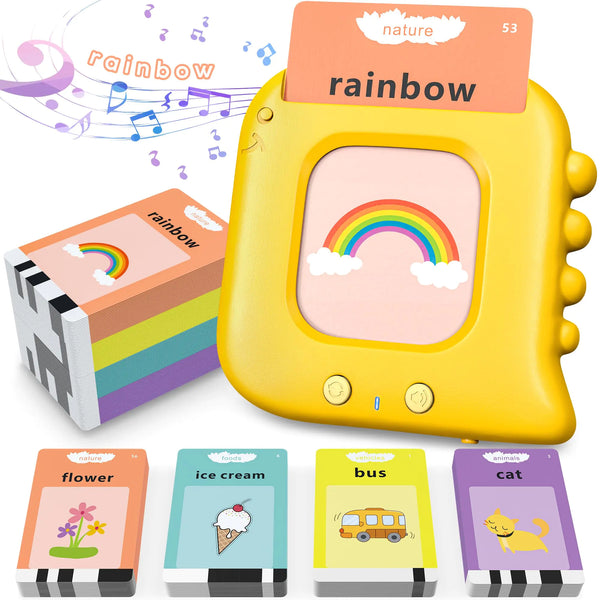
1. Talking Flash Cards
Interactive flash cards that pronounce words in two languages help children build vocabulary quickly and effectively.
2. Bilingual Learning Tablets
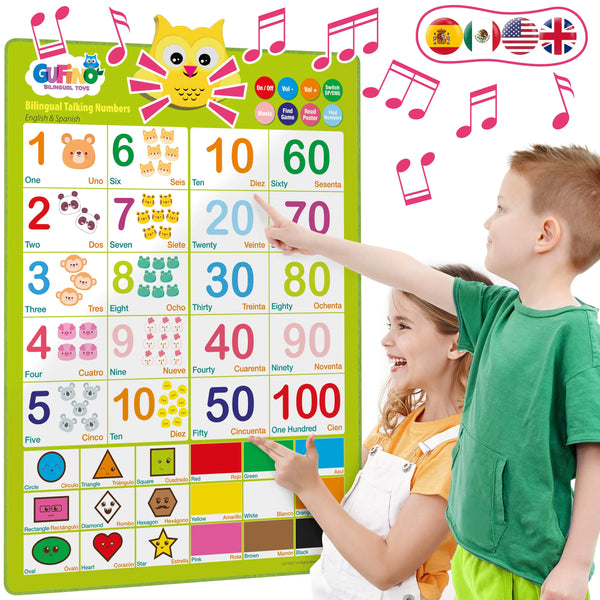
These tablets teach numbers, alphabets, and words in multiple languages through sound and visuals.
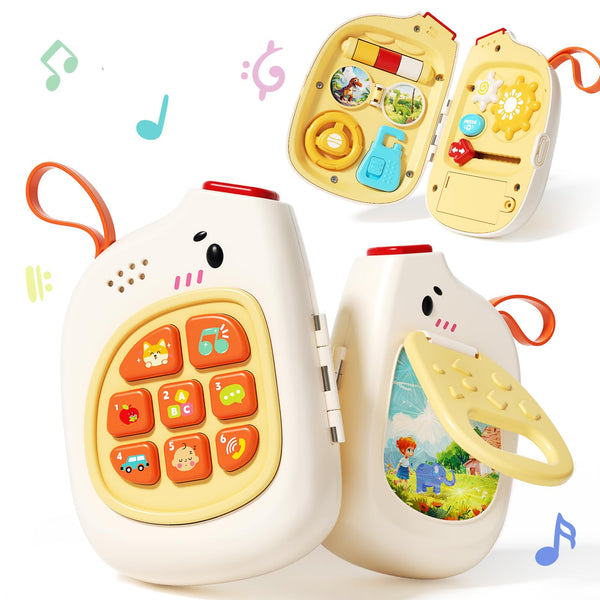
3. Musical Language Toys
Songs in two languages help children remember words faster and improve pronunciation naturally.
4. Interactive Story Books
Books with audio support in two languages help children connect words with meaning and context.
5. Montessori Language Toys
Hands-on toys that teach matching, naming, and recognition in two languages.
Benefits of Bilingual Learning Toys
- Improves memory and brain development
- Enhances communication skills
- Builds confidence in speaking
- Supports early literacy
- Encourages global thinking
How to Choose the Right Bilingual Toy
Choose toys based on your child’s age, interest, and learning style. Look for toys that are interactive, easy to use, and encourage repetition.
Combining these with reading & writing toys and problem-solving toys can boost overall learning.
Frequently Asked Questions About Bi-lingual Learning Toys
1. What are bilingual learning toys?
Bilingual learning toys are toys designed to teach children two languages through interactive play, including sounds, words, and activities.
2. Why are bilingual toys important for kids?
They help improve language skills, memory, and cognitive development while making learning fun and natural.
3. At what age should kids start using bilingual toys?
Children can start as early as 1 year old, as early exposure helps them absorb languages more easily.
4. Do bilingual toys really help children learn faster?
Yes, early exposure to multiple languages improves brain flexibility and speeds up language learning.
5. Can bilingual toys improve speech development?
Yes, they encourage children to listen, repeat, and speak, improving pronunciation and vocabulary.
6. Are bilingual toys better than regular toys?
They offer additional learning benefits by combining play with language development.
7. Do bilingual toys help with school readiness?
Yes, they improve vocabulary, listening skills, and comprehension, which are important for school.
8. Can bilingual toys reduce screen time?
Yes, they provide a hands-on and engaging alternative to digital devices.
9. What languages do bilingual toys usually teach?
Common combinations include English-Spanish, English-French, and English-Mandarin.
10. Are bilingual toys suitable for toddlers?
Yes, many are designed specifically for toddlers with simple sounds and visuals.
11. Do bilingual toys improve memory?
Yes, learning multiple languages strengthens memory and recall abilities.
12. Are bilingual toys Montessori-friendly?
Many bilingual toys follow Montessori principles by encouraging hands-on and self-directed learning.
13. Can bilingual toys help shy children?
Yes, they build confidence by encouraging children to practice speaking in a fun environment.
14. Do bilingual toys teach pronunciation?
Yes, many include audio features that help children hear correct pronunciation.
15. Are bilingual toys good gifts?
Yes, they are educational, fun, and offer long-term value.
16. Can parents use bilingual toys together with kids?
Yes, playing together enhances bonding and improves learning outcomes.
17. Do bilingual toys help with reading skills?
Yes, they build vocabulary and recognition skills that support early reading.
18. Can kids get confused learning two languages?
No, children can easily learn multiple languages without confusion.
19. How often should kids use bilingual toys?
Daily play sessions of 15–30 minutes are highly effective.
20. Do bilingual toys improve listening skills?
Yes, they train children to recognize and understand different sounds and words.
21. Are bilingual toys good for travel?
Yes, portable toys help children learn on the go.
22. Can bilingual toys improve creativity?
Yes, language learning enhances imagination and storytelling.
23. Do bilingual toys require supervision?
Some do, but many are designed for independent play.
24. What type of bilingual toy is best?
Interactive toys like flashcards, books, and audio devices work best.
25. Are bilingual toys expensive?
They are available in a wide price range to suit different budgets.
26. Can bilingual toys be used in classrooms?
Yes, they are widely used in schools and learning centers.
27. Do bilingual toys improve focus?
Yes, interactive play improves attention span and concentration.
28. Are bilingual toys safe?
Most are made with child-safe materials and meet safety standards.
29. Can bilingual toys help with global skills?
Yes, they prepare children for a multicultural and global environment.
30. Are bilingual toys worth buying?
Absolutely. They offer long-term benefits in language, cognition, and confidence.