



Teaching kids about money is one of the most important life skills—but let’s be honest, it’s not always easy. Concepts like saving, budgeting, and spending can feel confusing or boring to children. That’s why financial literacy games for kids are such a powerful solution.
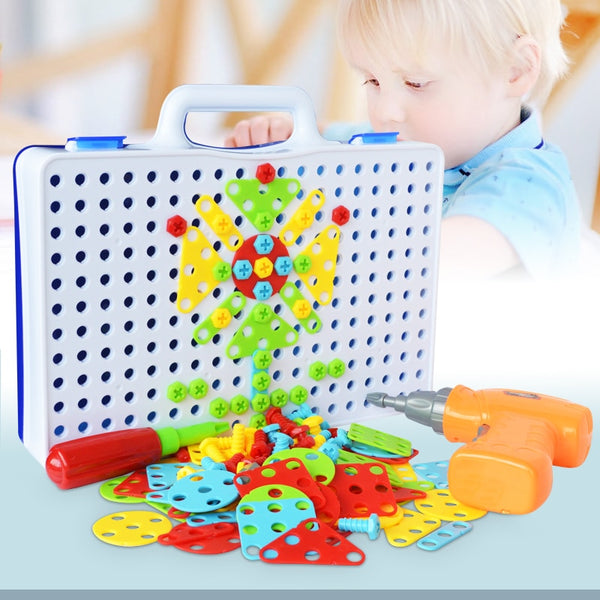
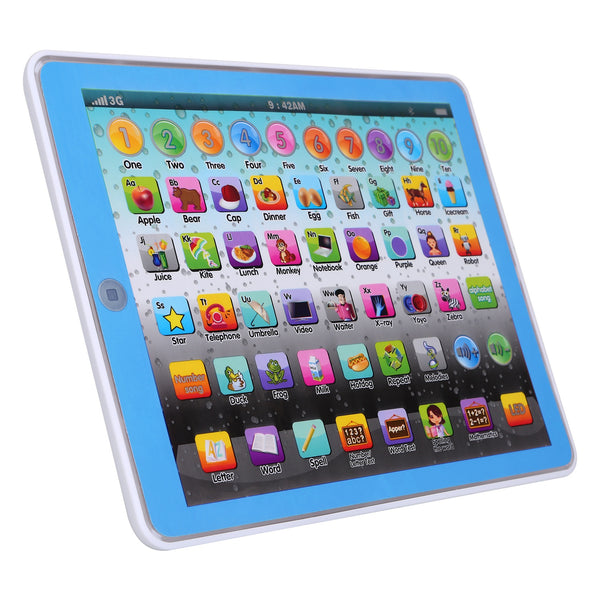
Instead of lectures, kids learn through play. They explore real-world money decisions in a fun, safe, and engaging way. When combined with educational toys, STEM toys, and problem-solving toys, financial learning becomes even more impactful.
Kids Don’t Naturally Learn Money Skills
Most kids grow up learning how to spend money—but not how to manage it. Without proper guidance, they miss key concepts like saving, budgeting, and making smart choices.
Traditional teaching methods often don’t work because they feel boring or too complex. As a result, children disengage and fail to develop strong financial habits early in life.
Poor Money Habits Start Early
Money decisions affect everyday life. Without early exposure, children may struggle with basic financial responsibility later on.
If learning feels like a chore, kids avoid it. But when learning feels like play, everything changes. That’s why financial education needs to be interactive, simple, and fun.
Learn Money Skills Through Play
Financial literacy games make learning natural and enjoyable. Kids actively participate, make decisions, and see real outcomes. These experiences build confidence and long-term skills.
Make Learning Fun & Meaningful
Discover toys that build real-world skills while kids play.
Explore Educational ToysTop Financial Literacy Games for Kids
Cash Puzzler
Best for: Ages 3–6
Skills: Currency recognition, memory
This fun puzzle game introduces young kids to money through matching activities. It builds early awareness of currency while improving memory and focus.
Penny Pinchin’ Mom Games
Best for: Ages 6+
Skills: Budgeting, decision-making
These games help kids understand spending choices, saving habits, and money planning in a safe and interactive way.
Interactive Financial Learning Games
Best for: Ages 7+
Skills: Planning, money management
These games simulate real-life scenarios, helping kids learn how to manage money, save, and spend wisely.
Elementary Financial Games
Best for: School-age kids
Skills: Banking basics, budgeting
Perfect for introducing children to banking, saving goals, and financial planning through easy gameplay.
Family Financial Board Games
Best for: All ages
Skills: Strategy, decision-making
These games turn family time into learning time, encouraging discussions about money while playing together.
Why Financial Literacy Games Work So Well
Boost Financial Learning with the Right Toys
You can enhance financial education by combining games with:
Final Thoughts
Financial literacy doesn’t have to be boring. With the right games, kids learn essential money skills naturally while having fun.
These early lessons build confidence, responsibility, and smart decision-making habits that last a lifetime.
Start Building Smart Money Skills Today
Shop Learning ToysFrequently Asked Questions
What is financial literacy for kids?
Financial literacy means helping kids understand how money works, including saving, spending, and making smart decisions.
Why should kids learn about money early?
It builds strong habits like saving and budgeting from a young age.
At what age should financial learning start?
Kids can start as early as 3–5 years with simple concepts.
Do financial literacy games really work?
Yes, they help kids learn through hands-on experience.
Can kids learn budgeting through games?
Yes, many games simulate real-life budgeting situations.
Are these games suitable for family play?
Yes, they are great for family bonding and learning.
Do financial games improve math skills?
Yes, they help with counting and calculations.
What skills do kids develop?
Decision-making, saving, and problem-solving skills.
Where can I find financial learning toys?
Explore our educational toys collection.