

In today’s connected world, learning a second language is no longer just a nice skill to have. It can help children build confidence, improve communication, strengthen memory, and develop a deeper appreciation for different cultures. That is exactly why language learning toys for kids have become such a valuable part of early education.
The best language learning toys do much more than teach a few words. They turn language practice into playful, hands-on discovery. Instead of memorizing vocabulary in a rigid way, children can listen, repeat, match, sing, touch, explore, and use language in a way that feels natural and enjoyable.
In this guide, you will discover the best types of language toys for children, how they support multilingual development, which toys work best by age, and how to choose the right option for your child. Language learning also pairs beautifully with educational toys, Montessori educational toys, reading and writing toys, sensory learning toys, and educational board games to create a richer learning environment at home.

Table of Contents
Traditional Language Learning Can Feel Too Hard, Too Rigid, and Too Boring for Kids
Many children are naturally capable of learning new languages, but traditional learning methods do not always match how young minds learn best. Flash memorization, repetitive drills, and formal lessons may work for older students, but for younger children they can quickly feel frustrating or dull.
That is where many parents get stuck. They want to help their children build vocabulary, pronunciation, and listening skills early, but they do not want language learning to feel stressful or forced. They want a better way to make it fun, natural, and sustainable.
The Early Years Are a Powerful Window for Language Development
Children absorb sounds, patterns, and vocabulary differently from adults. In the early years, their brains are especially ready for language. They naturally imitate tones, repeat words, and connect sounds to meaning through everyday experiences.
If language learning feels playful and interactive, children often stay engaged much longer. But if it feels like pressure or performance, they may lose interest. That is why the format matters so much. Toys that invite listening, touching, speaking, singing, matching, and storytelling can make all the difference.
Language Learning Toys Turn New Words Into Playful Everyday Discovery
Language learning toys help children explore new words and sounds through hands-on play. Instead of just hearing a lesson, kids can interact with buttons, cards, books, plush toys, puzzles, games, and musical tools that make language feel active and enjoyable.
The best language toys support vocabulary growth, pronunciation, listening comprehension, memory, and confidence all at once. They give children a safe and playful way to explore new languages without pressure. That makes them one of the smartest tools for building early multilingual skills.
Ready to make language learning fun?
Explore engaging toys that help children build vocabulary, listening skills, pronunciation, and confidence through playful learning.
Shop Language Learning ToysWhat Are Language Learning Toys?
Language learning toys are educational tools designed to help children explore words, sounds, pronunciation, and communication through play. These toys may introduce one additional language or support broader multilingual learning through interactive activities.
Common examples include talking flashcards, interactive bilingual books, electronic language pads, plush toys that speak phrases, puzzles with multilingual labels, music-based language toys, and board games that encourage speaking and matching. These toys help children connect language with real objects, actions, stories, and experiences.
Why Language Learning Toys Work So Well for Children
They Make Learning Feel Like Play
When language learning is playful, children stay more engaged and are more likely to repeat words and phrases naturally.
They Build Listening Skills
Children hear sounds, accents, and pronunciation more clearly when toys use repetition, audio response, and native-style speech patterns.
They Encourage Repetition Without Pressure
Good toys let children repeat words and phrases as part of play instead of making practice feel like a test.
They Support Memory Through Multiple Senses
Hearing, seeing, touching, and speaking together helps language stick better in a child’s memory.
This is one reason language learning toys work so well alongside reading and writing toys, early development toys, and musical toys for more complete learning.
The best language toys do not just teach words. They help children listen, respond, repeat, and grow more confident with every playful interaction.
Top Language Learning Toys for Kids
Interactive Talking Flashcards
Talking flashcards are one of the easiest ways to introduce vocabulary. Children can match pictures with spoken words and hear clear pronunciation through repeated play.
Electronic Language Learning Pads
These toys often include touch buttons, sound prompts, categories, and structured activities that help children build vocabulary and listening skills without the distractions of open-ended screen time.
Interactive Bilingual Books
Bilingual books help children connect spoken and written language while enjoying stories. They are excellent for vocabulary, comprehension, and parent-child interaction.
Language Puzzles and Matching Toys
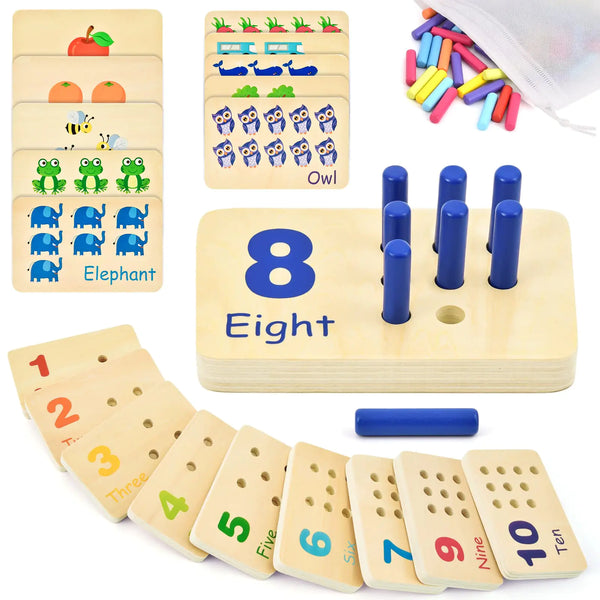
Puzzles with letters, pictures, and word matching make vocabulary more tactile and memorable. These are especially helpful for younger children who learn well through touch and repetition.
Language Board Games
Language games make speaking and matching words a shared activity. This builds confidence and makes language learning feel social rather than isolated.
Musical Language Toys
Songs and rhythm help children remember phrases more easily. Music-based toys can make pronunciation and repetition feel joyful and natural.
Roleplay Language Sets
Pretend market sets, restaurant play, travel kits, and daily-life roleplay can help children use language in real-world style situations. These work especially well with dramatic play pretend toys.
Best Language Learning Toys by Age
Toddlers
Toddlers usually respond best to simple sound toys, picture-word cards, musical language toys, and bilingual books with repetition and bright visuals.
Preschoolers
Preschoolers often enjoy interactive pads, matching puzzles, talking flashcards, simple language games, and pretend play sets that let them use new words.
School-Age Kids
Older children may benefit from bilingual books, advanced vocabulary games, conversation-based roleplay, language board games, and more structured learning toys that build reading and comprehension.
Best Language Learning Toys for Kids: Quick Comparison Cards
Here is a clean mobile-friendly comparison card layout to help parents choose the right type of language toy based on learning benefits, age range, and play style.
Talking Flashcards
Best for: Early vocabulary building
Main benefits: Pronunciation, repetition, listening
Typical age: 2 to 6 years
Language Pads
Best for: Guided interactive practice
Main benefits: Vocabulary, audio response, structure
Typical age: 3 to 8 years
Bilingual Books
Best for: Reading and listening growth
Main benefits: Comprehension, vocabulary, parent-child learning
Typical age: 2 years and up
Language Puzzles
Best for: Hands-on learners
Main benefits: Matching, memory, tactile learning
Typical age: 2 to 6 years
Language Board Games
Best for: Shared family learning
Main benefits: Confidence, speaking, social practice
Typical age: 5 years and up
Musical Language Toys
Best for: Kids who learn through rhythm
Main benefits: Memory, pronunciation, joyful repetition
Typical age: 1.5 years and up
Language Learning Toys vs Passive Screen Learning
Passive screen-based language exposure can introduce words and songs, but it does not always require children to interact, respond, or use the language themselves. Toys often work better because they invite active participation. Children press, match, repeat, move, respond, and engage their senses while learning.
That active involvement is especially important for early childhood. While some tech-supported tools can be helpful, the strongest language learning usually happens when children can participate rather than just watch. That is why many families like pairing language toys with educational games and Montessori educational toys.
How to Choose the Best Language Learning Toys for Kids
Match the Toy to Your Child’s Age
Younger children need simple, repetitive, visually clear toys. Older children may enjoy more advanced toys with reading, matching, or conversation elements.
Choose Toys That Encourage Interaction
The best toys require the child to respond, repeat, match, sing, or speak. That active engagement makes language learning more effective.
Look for Clear Audio and Strong Repetition
Hearing words clearly and repeatedly is essential for building pronunciation and listening confidence.
Consider Your Child’s Learning Style
Some children love books, some enjoy music, and others learn best through matching, roleplay, or tactile activities. Choosing the right format improves engagement.
Final Thoughts
Language learning toys can do much more than teach children a few words. They can help build vocabulary, listening, confidence, cultural awareness, and a real love of communication. When children learn language through play, the experience often feels lighter, more natural, and more memorable.
Whether your child responds best to books, music, flashcards, games, or pretend play, the right toy can turn everyday moments into meaningful language discovery. With the right tools, multilingual learning can begin earlier and feel far more joyful.
Start your child’s language journey through play
Discover language learning toys that help children listen, speak, match, sing, and explore new words with confidence.
Explore Language Learning ToysFrequently Asked Questions About Language Learning Toys for Kids
1. What are language learning toys?
Language learning toys are educational toys designed to help children learn new words, sounds, phrases, and communication skills through interactive play.
2. Are language learning toys good for kids?
Yes, they can help children build vocabulary, pronunciation, listening skills, memory, and confidence in a fun and age-appropriate way.
3. At what age can children start using language learning toys?
Many children can begin with simple sound-based and picture-based language toys in toddlerhood, with more advanced toys added as they grow.
4. Do language learning toys really work?
They can work very well when they are interactive, age-appropriate, and used consistently through play and conversation.
5. What are the best language learning toys for toddlers?
Talking flashcards, bilingual books, musical language toys, and simple picture-sound toys are often strong choices for toddlers.
6. What are the best language learning toys for preschoolers?
Preschoolers often enjoy interactive language pads, matching puzzles, flashcards, songs, and simple language-based roleplay toys.
7. Can language learning toys help children become bilingual?
They can support bilingual development by helping children hear, repeat, and understand words in another language more often.
8. Do bilingual books count as language learning toys?
Yes, interactive bilingual books can be excellent language learning tools because they support vocabulary, listening, and comprehension through stories.
9. Are talking flashcards good for language learning?
Yes, they help children connect pictures with words and hear pronunciation repeatedly, which makes vocabulary easier to remember.
10. What languages can kids learn through toys?
Many toys introduce languages such as Spanish, French, Mandarin, German, Japanese, and other widely taught languages.
11. Are language learning toys better than apps?
They are often better for younger children because they encourage hands-on interaction and active participation instead of passive watching.
12. Do language toys help pronunciation?
Yes, toys with clear audio and repetition can help children hear and practice pronunciation more confidently.
13. Can musical toys help with language development?
Yes, rhythm and song can help children remember words and phrases more easily while making repetition enjoyable.
14. Are language board games good for children?
Yes, they can help children practice vocabulary, matching, turn-taking, and speaking in a social and engaging way.
15. Can language puzzles help kids learn vocabulary?
Yes, puzzles help children connect images, words, and memory through tactile, hands-on learning.
16. Are electronic language pads good for kids?
They can be very useful when they offer clear sound, simple categories, and interactive learning without overwhelming children.
17. What should I look for in a language learning toy?
Look for age-appropriate design, clear audio, repetition, interaction, and activities that match your child’s learning style.
18. Do language learning toys support school readiness?
Yes, they can support listening, memory, vocabulary, attention, and confidence, which are all helpful for school readiness.
19. Are language toys useful for speech development?
They can help support speech development by encouraging children to hear, repeat, and experiment with sounds and words.
20. Can roleplay toys help children learn language?
Yes, roleplay gives children a reason to use words in context, which often makes learning more meaningful and memorable.
21. Are language learning toys good for homeschooling?
Yes, they can be excellent for homeschooling because they add interactive and hands-on ways to practice language every day.
22. Can parents use language learning toys with children at home?
Yes, many language toys work best when parents join in, repeat words, ask questions, and turn learning into a shared experience.
23. Do children need to know how to read to use language toys?
No, many toys are designed for pre-readers and focus on pictures, sounds, songs, and simple matching activities.
24. Are language learning toys good gifts for kids?
Yes, they can make thoughtful gifts because they support both fun and long-term learning value.
25. Can one toy teach a child a full language?
No single toy teaches a full language, but the right toys can build a strong foundation in vocabulary, listening, and confidence.
26. Is repetition important in language learning toys?
Yes, repetition is one of the most important parts of early language learning because it helps sounds and words stay in memory.
27. Are screen-free language toys better for younger kids?
They are often a strong choice because they reduce distraction and encourage more direct, hands-on engagement.
28. Can language toys help cultural awareness too?
Yes, many language toys also introduce songs, stories, greetings, and ideas from different cultures.
29. What is the easiest way to start language learning at home?
A simple start is to choose one or two engaging toys, repeat words daily, and make language part of normal play routines.
30. Where can I find language learning toys for kids?
You can explore engaging language learning toys, books, games, and educational tools for children at WonderKidsToy.