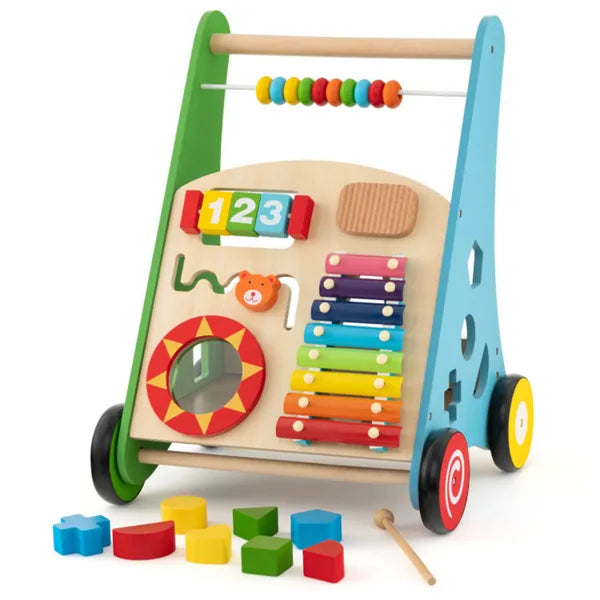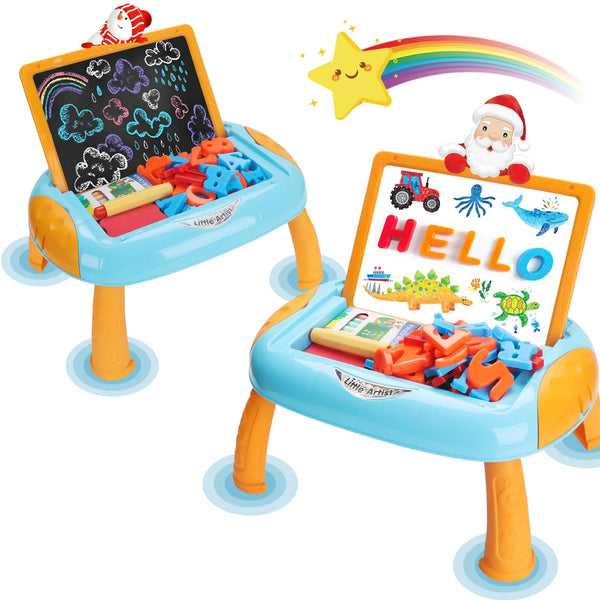

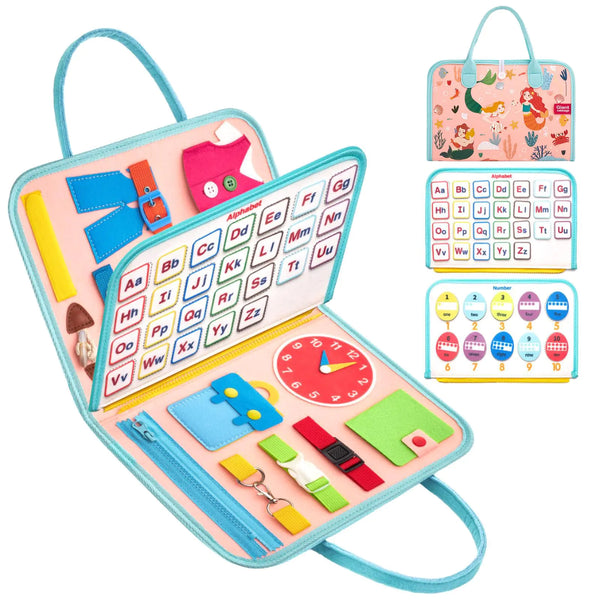
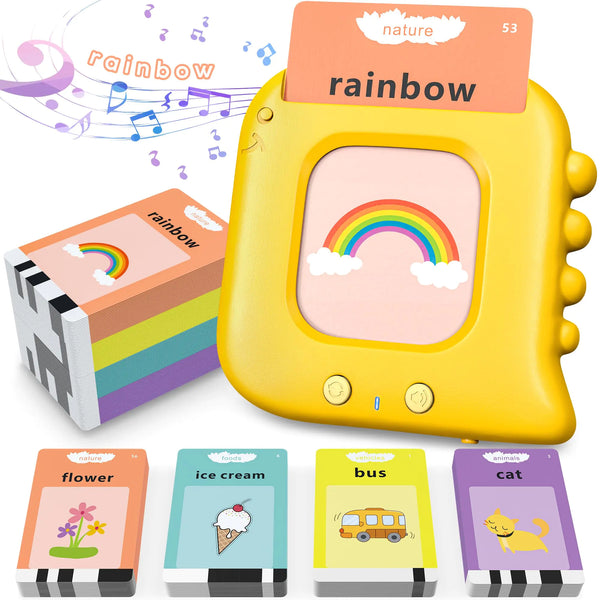
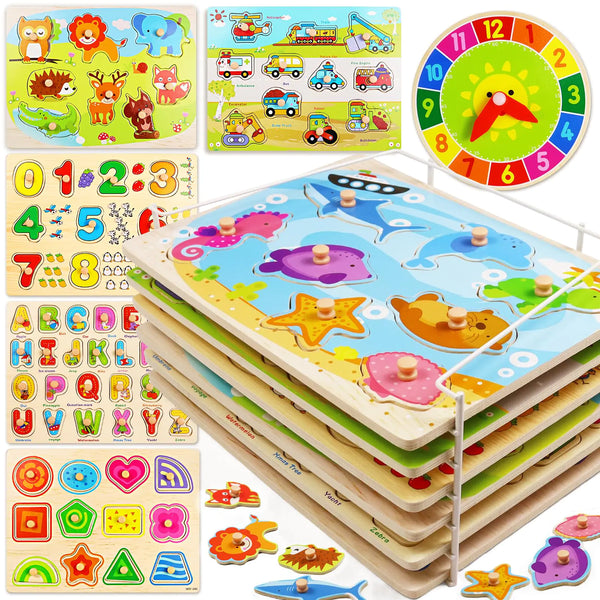

Language development begins long before a child says their first clear word. Between ages 1 and 3, toddlers experience a high-stakes window for sensory brain mapping. High-quality language learning toys are designed to turn passive listening into Active Discovery, building the foundation for clear communication.
In this guide, we explore how sound-based tools provide the technical and sensory foundation your toddler needs to master vocabulary, logic, and phonics through screen-free, purposeful play.
Top Discovery Tools for First Words
Table of Contents
Flashy Distraction vs. Linguistic Logic
In many homes, "language learning" starts with a tablet app. While colorful, these provide "one-way" input. This lack of active engagement stalls the development of auditory discrimination and executive function. When a toddler only watches, the brain stays in a passive state, missing the opportunity to troubleshoot sounds and meanings.
Purposeful language toys solve this by providing the "auditory resistance" children need to anchor concepts through physical touch and movement. This strategy is a core tenet of the Montessori approach to independence.
Why Sensory Feedback Builds "Word Brain"
Early childhood is a critical window for neural wiring. By using tactile language toys, toddlers practice logical sequencing—linking a physical action to an audio result. Research on cognitive skill development proves that children need these predictable "sensory hits" to build the persistence (grit) required for future language mastery.
Active Discovery & Two-Way Play
The right tools turn your home into an innovation lab where the toddler leads. Instead of just observing, they use manual precision to trigger sounds and words. To maximize the impact of early development toys, follow these standards:
- Conversational Turns: Respond to every sound attempt to build academic confidence.
- Reality Grounding: Use toys that focus on real-life objects (animals, food) to improve visual discrimination.
- Joint Attention: Engaging with the toy alongside your child doubles the rate of vocabulary retention compared to solo play.
Ready to spark their first sentences?
Discover expert-vetted language tools designed for screen-free, active discovery.
Shop Language Mastery ToolsFrequently Asked Questions
Can toys help a child who isn't talking yet?
Yes! Speech enhancement toys provide a repeatable audio anchor that allows the brain time to "map" sound correctly without social pressure.
Why is tactile play better than talking apps?
Physical interaction builds the sensory cortex and 3D spatial logic through tactile feedback, which digital pixels cannot replicate, providing a more robust foundation for language.
How long should daily play sessions be?
Consistency is more important than duration. Just 5–10 minutes of daily, focused Active Discovery with a toy is enough to anchor new vocabulary.
Final Thoughts: Nurturing a Lifetime of Awareness
Selecting intentional play materials is an investment in your child’s future. By choosing tools that encourage rhythm, logic, and physical mastery, you are setting the stage for a lifetime of innovative thinking. Every sound mimicked today is a building block for a bright future.
Ready to build a better discovery box? Explore our specialized Montessori educational collection today and start the journey toward purposeful play.