
Few things spark a child’s imagination like space. The moon, planets, rockets, stars, and the mystery of what exists beyond Earth naturally make kids curious. That is exactly why astronomy toys for kids can be such a powerful choice for parents who want playtime to feel both exciting and educational. The best astronomy toys do more than entertain. They help children ask questions, explore new ideas, and build a deeper interest in science through hands-on discovery.
Many parents search for the best space toys, astronomy learning toys, telescope toys for kids, and STEM space gifts that can support curiosity in a meaningful way. These are smart questions because the right toy can turn ordinary play into an early science journey. Instead of just hearing about planets or astronauts, children get to build, observe, imagine, experiment, and explore.
In this guide, you will discover why astronomy toys matter, which kinds are best for different ages, how they support learning, and how to choose the right one for your child. Space-themed learning also pairs beautifully with STEM toys, science and nature toys, science kits and experiments, puzzle brain teasers, and geography and world exploration toys to build an even richer learning environment at home.
Table of Contents
Many Kids Are Curious About Space but Do Not Always Have the Right Tools to Explore It
Children are naturally fascinated by the night sky. They ask big questions. Why does the moon change shape? What are stars made of? How do rockets fly? Is there life somewhere else? That kind of curiosity is powerful, but without the right learning tools, those questions often stay unanswered or get replaced by short, passive entertainment.
Parents want toys that can keep that curiosity alive. They want something more meaningful than a toy that is exciting for a day and forgotten by the weekend. They want play that feels adventurous while still building knowledge, confidence, and imagination.
Big Curiosity Can Fade Fast When Learning Feels Too Passive
When children only watch space content on a screen or hear facts without interacting with them, their interest can stay shallow. They may like rockets and planets, but they do not always get the chance to investigate, build, compare, observe, or imagine in a deeper way.
That is why hands-on astronomy play matters so much. It turns “space is cool” into “I want to explore this more.” The moment a child points a beginner telescope at the moon, builds a model solar system, or solves a planet puzzle, space becomes more real. That kind of active discovery is what keeps learning exciting.
Astronomy Toys Turn Space Curiosity Into Real Learning Through Play
Astronomy toys help children explore planets, stars, constellations, rockets, and the solar system in a way that feels interactive and memorable. These toys invite kids to observe, build, imagine, experiment, and ask new questions. Instead of simply hearing about space, they begin discovering it for themselves.
The best astronomy toys for future astronauts can support STEM learning, spatial thinking, observation skills, problem-solving, imagination, and patience. Some toys are ideal for younger kids just beginning to love space. Others are better for older children who want more detail, hands-on science, and deeper exploration.
Looking for toys that inspire big dreams and smarter play?
Explore science, STEM, and discovery toys that help children learn through curiosity, creativity, and hands-on adventure.
Shop STEM Toys
What Are Astronomy Toys?
Astronomy toys are toys, kits, tools, and learning products that introduce children to space, planets, stars, the moon, constellations, rockets, and the broader universe. Some focus on observation, like telescopes and star maps. Some focus on building and experimentation, like space model kits and rocket sets. Others support imaginative learning through puzzles, games, books, and role-play.
What makes astronomy toys special is that they combine wonder with education. They help children connect imagination with real ideas in science, exploration, and discovery.
Why Astronomy Toys Are Important for Kids
They Build Scientific Curiosity
Space toys encourage children to ask questions, notice patterns, and become more interested in how the universe works.
They Support STEM Learning
Astronomy play naturally connects with science, technology, engineering, and mathematics through observation, building, and problem-solving.
They Strengthen Patience and Focus
Using star maps, building models, or looking through a telescope teaches kids to slow down, observe, and stay engaged.
They Inspire Big Dreams
Astronomy toys help children imagine themselves as explorers, scientists, engineers, and future astronauts.
Space learning also works especially well with engineering toys, coding and robotics toys, and reading and writing toys because it encourages children to think creatively while also building real academic skills.
The best astronomy toys do not just teach kids about space. They help them think bigger, ask better questions, and enjoy learning in a more adventurous way.
Top Astronomy Toys for Future Astronauts
The best astronomy toys come in different forms because children learn in different ways. Some kids love looking closely. Some love building. Some love storytelling and pretend play. A great astronomy toy matches both the topic and the child’s style of learning.
Beginner Telescopes for Kids
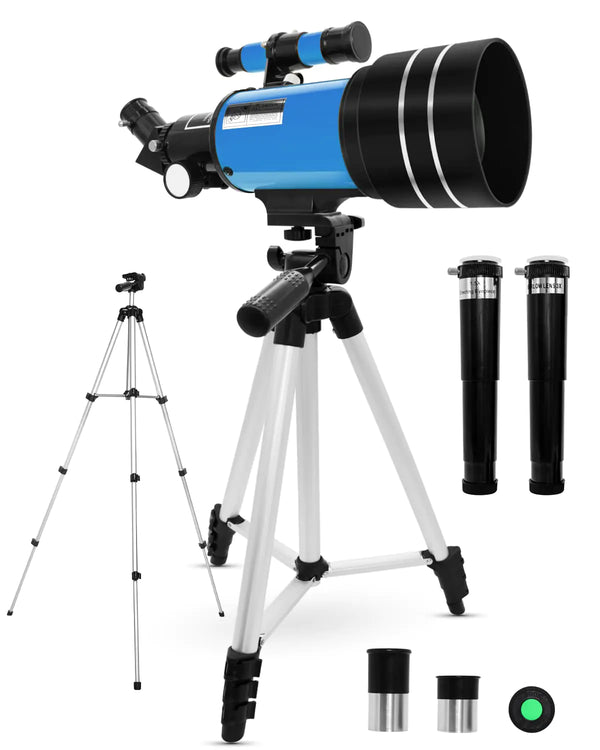
A kid-friendly telescope can be one of the most exciting first steps into astronomy. It helps children observe the moon, bright stars, and the night sky in a hands-on way. This kind of toy supports patience, observation, and real-world exploration.
Solar System Model Kits
Solar system kits help children understand planet order, relative position, and basic space vocabulary. They are especially useful for visual learners who enjoy seeing ideas laid out physically in front of them.
Rocket Building and Launch Kits
Rocket toys combine excitement with STEM thinking. They help children learn about motion, design, cause and effect, and engineering through active experimentation. These toys work especially well alongside science kits and experiments.
Space Puzzles and Brain Games
Planet puzzles, constellation games, and space memory activities help children build logic, concentration, and visual recognition skills. These are great for children who enjoy quiet but engaging learning. They pair naturally with puzzle brain teasers.
Planetarium Projectors and Star Maps
These toys bring the night sky indoors. They help children understand constellations, star patterns, and the bigger idea of the universe in a more immersive way.
Space Pretend Play Toys
Rocket ships, astronaut sets, and mission-based role-play toys help younger children connect with space through imagination. These can work well with dramatic play pretend toys for even more creative storytelling.

A second image here can show model-building or solar system play to break up the article visually and improve mobile readability.
Best Astronomy Toys: Quick Comparison Cards
These mobile-friendly comparison cards make it easier for parents to choose the right type of astronomy toy based on learning style, age, and interest.
Beginner Telescopes
Best for: Kids who love real observation
Main benefits: Patience, focus, stargazing, curiosity
Typical age: 6+ years
Solar System Kits
Best for: Visual learners and planet lovers
Main benefits: Planet recognition, sequencing, science learning
Typical age: 4+ years
Rocket Building Kits
Best for: Kids who enjoy STEM challenges
Main benefits: Engineering thinking, motion, experimentation
Typical age: 7+ years
Space Puzzles and Games
Best for: Kids who enjoy quiet learning and logic
Main benefits: Problem-solving, memory, visual learning
Typical age: 4+ years
Planetarium Projectors
Best for: Kids fascinated by stars and constellations
Main benefits: Night sky awareness, immersive learning, wonder
Typical age: 5+ years
Best Astronomy Toys by Age
For Preschoolers
Younger children do best with simple, visual, and tactile space toys. Think planet puzzles, plush solar system sets, simple projectors, and pretend-play rockets. At this stage, astronomy toys should feel playful, not overwhelming. They pair well with educational toys for 3 year olds and early development toys.
For Elementary-Age Kids
This is often the ideal age for beginner telescopes, solar system model kits, space board games, and hands-on science activities. Children in this age range are ready for more detail and deeper questions. That makes astronomy one of the most exciting entry points into science and nature toys.
For Older Kids and Future STEM Explorers
Older children often enjoy rocket experiments, model building, coding-based space themes, deeper astronomy books, and science exploration tools. You can also extend their interest with coding programming toys and robotics kits for kids if they are especially interested in technology and engineering.
How to Choose the Best Astronomy Toy for Your Child
Match the Toy to Your Child’s Interest
If your child loves building, choose model kits or rockets. If they love looking closely, choose telescopes or star maps. If they love stories and pretend play, choose astronaut and mission-based toys.
Choose the Right Difficulty Level
The best toy should feel exciting, not frustrating. Younger children need simple and visual play. Older children can enjoy more advanced models, experiments, and strategy-based learning.
Look for Toys with Replay Value
Great astronomy toys invite repeat play. A child should be able to revisit the toy, discover something new, or enjoy it in different ways over time.
Think Beyond Entertainment
The strongest toys build skills too. Try to choose options that support observation, curiosity, creativity, logic, or STEM thinking along with fun.
Why Space Play Matters More Than Ever
Space has a special way of making children think bigger. It helps them understand that there is still so much to learn and explore. That feeling matters. It pushes children to imagine, ask questions, and stay curious about science and the world around them.
Astronomy toys can also support broader learning habits. Children who enjoy space often become more interested in maps, science, engineering, reading, and experimentation. That is one reason space toys work so well with global learning toys, educational board games, and board games that encourage strategic and thoughtful play.
For many children, a love of astronomy starts with one small moment: a puzzle, a telescope, a model rocket, or a glowing planet projector. That moment can lead to much bigger interests later.
Final Thoughts
Astronomy toys do something special. They mix wonder, science, imagination, and hands-on play in a way very few toy categories can. They help children dream big while also building real learning skills through observation, problem-solving, model building, and exploration.
Whether your child is fascinated by rockets, loves the moon, wants to learn the planets, or already dreams of becoming an astronaut, the right astronomy toy can make that interest even stronger. It can turn curiosity into discovery and discovery into lifelong learning.
Ready to fuel your child’s love of science and discovery?
Explore STEM, science, and educational toys that help young minds build, imagine, experiment, and reach for the stars.
Explore Science ToysFrequently Asked Questions About Astronomy Toys
1. What are astronomy toys?
Astronomy toys are toys and learning tools that help children explore space, planets, stars, rockets, and the solar system through play.
2. Are astronomy toys educational?
Yes, astronomy toys can support science learning, observation, problem-solving, spatial thinking, and curiosity.
3. What age is best for astronomy toys?
Astronomy toys can work for many ages, from simple planet puzzles for preschoolers to telescopes and rocket kits for older children.
4. Are space toys good for toddlers?
Simple, age-appropriate space toys like plush planets, easy puzzles, and pretend-play rockets can be a great fit for toddlers.
5. What are the best astronomy toys for kids?
Some of the best options include beginner telescopes, solar system kits, rocket toys, star maps, planet projectors, and space puzzles.
6. Are telescopes good toys for kids?
Yes, beginner telescopes can be excellent educational tools for kids who are ready to observe the moon and stars in a hands-on way.
7. Do astronomy toys help with STEM learning?
Yes, astronomy toys naturally connect with science, technology, engineering, and mathematics through exploration and experimentation.
8. What astronomy toys are best for future astronauts?
Rocket kits, telescopes, solar system models, planet projectors, and mission-based pretend play toys are all strong choices.
9. Can space toys inspire a love of science?
Yes, they often spark bigger questions and make science feel exciting, imaginative, and personal for children.
10. What are good astronomy gifts for kids?
Good space-themed gifts include telescopes, solar system kits, space board games, star maps, rockets, and science experiment sets.
11. Are planet puzzles educational?
Yes, planet puzzles can help children learn names, order, shapes, and visual recognition while improving problem-solving.
12. What is a good first astronomy toy?
A solar system puzzle, planet projector, or beginner telescope can be a great first astronomy toy depending on the child’s age.
13. Are rocket building kits good for kids?
Yes, they can support engineering thinking, creativity, experimentation, and excitement around motion and design.
14. What astronomy toys are good for preschoolers?
Preschoolers often enjoy space plush toys, simple puzzles, model planets, projectors, and astronaut pretend-play sets.
15. What astronomy toys are good for 6 year olds?
Many 6 year olds enjoy planet kits, beginner telescopes, space board games, and age-appropriate science activities.
16. Do astronomy toys improve problem-solving?
Yes, many astronomy toys involve building, comparing, puzzling, and observing, which all support problem-solving skills.
17. Are star projectors good educational toys?
They can be, especially when used to introduce children to constellations, patterns, and interest in the night sky.
18. Can astronomy toys help with focus?
Yes, activities like stargazing, model building, and puzzle solving often encourage patience and longer attention spans.
19. Are astronomy toys better than passive screen time?
Hands-on astronomy toys usually offer more active learning because children observe, build, and explore instead of only watching.
20. What toys help kids learn the planets?
Solar system kits, planet puzzles, model sets, and visual space charts are especially helpful for learning the planets.
21. Can astronomy toys support imagination too?
Yes, space themes naturally inspire imaginative play, storytelling, pretend missions, and future-thinking.
22. Are astronomy toys good for classroom learning?
Yes, many are useful in classrooms or homeschooling because they make science more visual, interactive, and memorable.
23. Do astronomy toys help spatial thinking?
Yes, toys involving planets, models, maps, and constellations can help children think more visually and spatially.
24. What are the best space toys for curious kids?
Curious kids often love telescopes, science kits, rockets, solar system models, and astronomy puzzles.
25. Are space-themed board games worth buying?
Yes, they can combine learning, strategy, family fun, and space-themed storytelling in one activity.
26. How do I choose the right astronomy toy?
Choose based on your child’s age, attention span, interest in building or observing, and the level of challenge they enjoy.
27. Are astronomy toys good for girls and boys?
Yes, astronomy toys are great for any child who enjoys space, science, building, discovery, and imaginative play.
28. Can astronomy toys grow with a child?
Yes, some toys like telescopes, projectors, and model kits can stay interesting as children gain more knowledge and skill.
29. Where can I find good science and astronomy toys for kids?
You can explore educational science, STEM, and discovery toys at WonderKidsToy for more space-inspired learning options.
30. What is the biggest benefit of astronomy toys?
The biggest benefit is that they turn a child’s natural wonder about space into active learning, curiosity, and discovery.