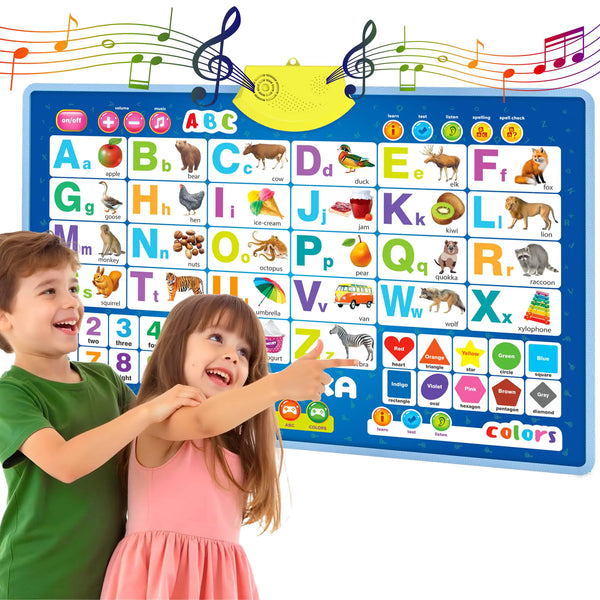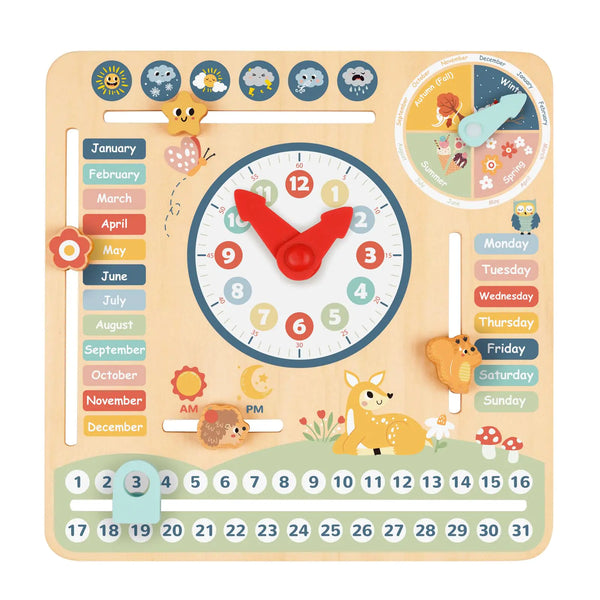

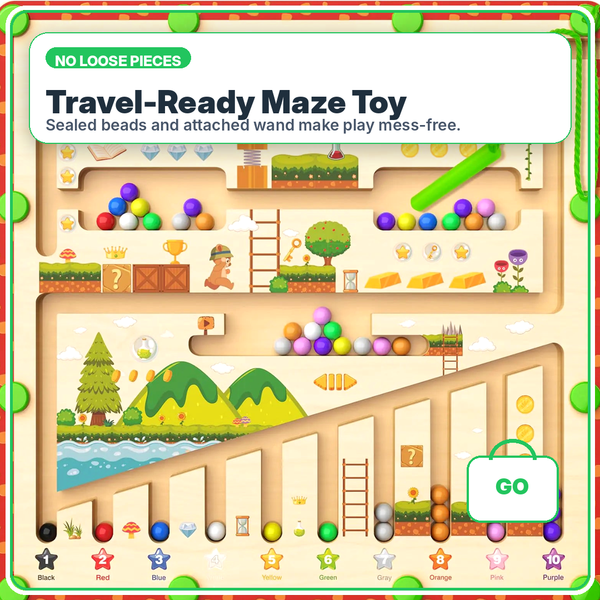
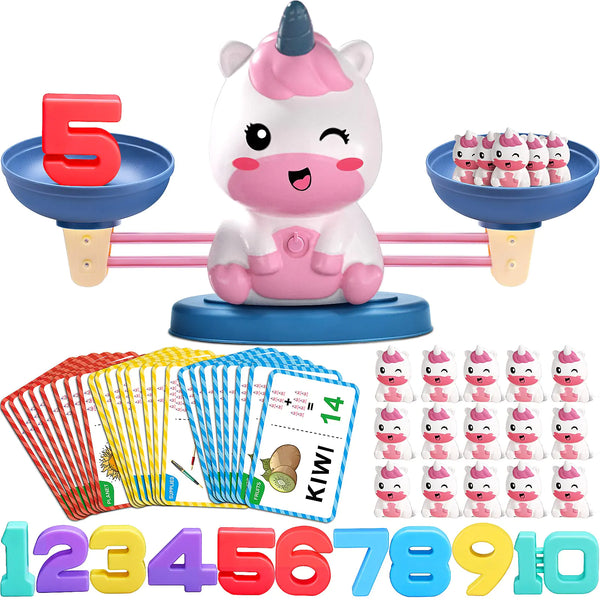

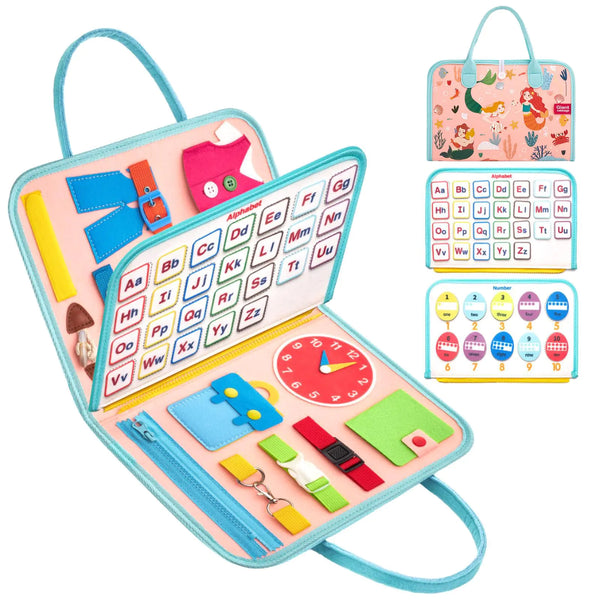
The third year of a child's life marks an exciting developmental period filled with curiosity, imagination, and rapid skill acquisition. Educational toys for 3 year olds serve as powerful tools that transform playtime into valuable learning experiences. These carefully designed toys not only entertain but also help develop critical cognitive, motor, social, and emotional skills during this formative stage.
Many parents search for the best educational toys for 3 year olds to help their children reach new milestones. Choosing toys that promote independent play and problem-solving is a smart way to prepare them for preschool. Exploring a high-quality educational toys for 3-year-olds collection is the first step in unlocking their full potential.
In this guide, you will learn why specific toy categories matter, how to choose based on developmental leaps, and how to integrate play with learning goals. These picks pair beautifully with STEM toys and Montessori toys to create a rich environment for growth.
Table of Contents
Why Traditional Entertainment Often Leaves Kids Bored
Many toys found in big-box stores are designed for "passive entertainment." They flash, beep, and sing at your child, but they don't require the child to think, react, or solve problems. When a 3-year-old is constantly given toys that do the work for them, their natural curiosity can begin to fade, often replaced by a short attention span and a dependence on screens for stimulation.
Families today want toys that build mental stamina and independence. Smart parents know that 3 is a critical age for building the "grit" and focus needed for early academics and social success.
Why Missing Hands-On Discovery Stalls Brain Development
The third year is a peak window for neural plasticity. If a child only interacts with passive electronics, they miss out on the vital feedback loops that strengthen spatial awareness and hand-eye coordination. Without tactile challenges—like fitting a puzzle piece or balancing a block—the development of the fine motor skills required for writing can be delayed.
A lack of active play can also affect a child's future self-confidence. Choosing toys for problem-solving ensures your child learns how to overcome obstacles independently. By ignoring these foundations, we miss the chance to raise self-motivated learners.
Educational Toys that Empower Active Discovery
The right educational toys turn playtime into a cognitive workout. By using open-ended designs and tactile materials, these toys invite your 3-year-old to experiment. Whether it’s a magnetic building set to learn geometry or counting bears to understand quantity, the child is always the "engine" of the activity. This builds a massive sense of confidence and classroom readiness.
By introducing toys that require active interaction, you provide your child with a foundation for lifelong innovation. Exploring problem-solving play sets is the most effective way to foster these essential motor and logic skills at home.
Ready to spark your child's genius?
Discover our hand-picked collection of educational toys designed specifically for the curious minds of 3-year-olds.
Shop 3-Year-Old Toys Now
Tactile interaction with high-quality learning toys helps 3-year-olds build coordination and spatial logic during playtime.
Top Educational Toy Categories for 3-Year-Olds
Building and Construction
Building blocks are the ultimate tool for open-ended play. They teach balance, gravity, and early engineering. Whether it's classic wooden blocks or sustainable building blocks, these toys encourage children to become the architects of their own tiny worlds.
Puzzles and Logic
Puzzles sharpen pattern recognition and memory. For a 3-year-old, look for wooden jigsaw puzzles with 12-20 pieces. These build critical thinking and patience. Refer to our age-appropriate puzzle guide for more tips.
Early Math and Numbers
Using physical manipulatives like counting bears or Stacked High Blocks makes abstract numerical concepts concrete. This is a foundational step for mathematics and counting fluency.
Quick Comparison: Best Educational Toys by Goal
Construction Sets
Best for: Engineering & Physics.
Main benefits: Spatial reasoning, motor control.
Typical age: 2 to 8 years
Shape Sorters
Best for: Geometry & Logic.
Main benefits: Hand-eye coordination, sorting.
Typical age: 1 to 3 years
Pretend Play Kits
Best for: Social & Emotional IQ.
Main benefits: Language, empathy, role-play.
Typical age: 3 to 6 years
Mastering Motor and Literacy Skills
At age 3, developing hand strength is vital for future writing. Lacing cards and playdough build the finger dexterity needed for motor mastery. For literacy, interactive picture books and character figurines encourage storytelling and vocabulary expansion.
Consider incorporating Rainbow Arch Bridge Blocks into your playroom. They challenge children to understand size relationships while creating beautiful structures, hitting both cognitive and creative milestones at once.
How to Choose the Right Educational Toy
Prioritize Safety and Non-Toxic Materials
Ensure toys are free from small parts that could pose choking hazards. High-quality sustainable building blocks and toys made from natural wood are safer and more durable than flimsy plastic alternatives.
Look for "Layered" Play Value
The best toys grow with your child. A set of blocks used for simple stacking today can be used for complex engineering next year. This focus on longevity is a core part of the Montessori educational toy philosophy.
Match Developmental Leaps
Choose toys that are challenging but not frustrating. If a child hits a wall, they'll lose interest. Look for tools that encourage independent exploration while offering a clear sense of achievement.
Final Thoughts
Educational toys for 3-year-olds are much more than simple playthings—they are investments in your child's cognitive potential. By selecting toys that encourage building, logic, and imaginative role-play, you are setting the stage for a lifetime of joyful discovery. Every hour of purposeful play contributes to the foundations of their future success.
Ready to build a better toy box? Explore our expert-selected range of Montessori and educational toys today. Your journey toward meaningful play starts here. You can even check out the Dinosaur Sliding Car to add a dash of prehistoric fun to your motor skill training!
Make Every Play Moment Count
Discover curated educational products designed to help children explore with confidence.
Shop All 3-Year-Old Toys3-Year-Old Educational Toy FAQs
1. What are educational toys for 3-year-olds?
These are purposeful tools designed to teach specific concepts like logic, coordination, or early math through hands-on interaction.
2. How do toys help prepare for preschool?
They build foundational focus, motor control, and problem-solving skills needed for a structured classroom environment.
3. Why are wooden blocks important at age 3?
They teach balance, gravity, and spatial reasoning better than passive electronic toys.
4. Do puzzles help with brain development?
Yes, they sharpen pattern recognition, memory recall, and the persistence needed to see a task to completion.
5. Can toys help with speech delays?
Yes, toys that encourage naming, storytelling, and role-play support early verbal expression.
6. Are expensive toys more educational?
Not necessarily. Simple, well-made wooden toys often offer higher play value than expensive electronic gadgets.
7. Do these toys reduce screen time?
Yes, providing high-engagement physical alternatives is the most effective way to limit digital consumption.
8. What is a "Self-Correcting" toy?
A toy where the child can immediately see if they made a mistake (like a puzzle piece not fitting) and fix it without adult help.
9. Why avoid "noisy" toys for learning?
Loud, flashy toys often over-stimulate and perform "for" the child, rather than requiring active brain work.
10. How do I maintain wooden toys?
Wipe them with a damp cloth and mild soap. Avoid soaking them in water to prevent warping.
11. Can toys teach math to 3-year-olds?
Yes, through counting beads and blocks that turn abstract numbers into physical quantities.
12. What are "open-ended" toys?
Toys with no one "right" way to play, such as blocks or playdough, which allow for infinite creativity.
13. Do educational toys help with social skills?
Yes, collaborative sets teach turn-taking, sharing, and communication with playmates.
14. Are Montessori toys safe for toddlers?
High-quality brands use non-toxic paints and food-grade finishes that are safe for little explorers.
15. What is "Spatial awareness"?
It's the ability to understand how objects relate to each other in space—a key precursor to math and physics.
16. Do these toys help with ADHD?
Tactile focus and immediate feedback can help children with focus challenges build concentration.
17. Are there educational toys for travel?
Yes, magnetic drawing boards and small fabric quiet books are great for on-the-go learning.
18. How do I setup a playroom?
Use low, open shelves for accessibility and create distinct zones for different types of play.
19. Can toys teach science to 3-year-olds?
Yes, through simple cause-and-effect toys like gear sets or basic physics block games.
20. What is "grit" in play?
It's the persistence to keep trying a difficult puzzle or tower after it falls—a vital life skill.
21. Why use "Real-World" toys?
Kitchen sets or tool kits teach practical life skills and social roles through imitation.
22. Can I mix different toy brands?
Absolutely. A variety of textures and materials (wood, silicone, cotton) is actually better for development.
23. How do I know if a toy is high-quality?
Look for natural materials, smooth finishes, non-toxic labels, and awards from developmental associations.
24. Do toys help with fine motor control?
Yes, picking up pieces and fitting them into slots builds the precision needed for writing.
25. Can toys help with anxiety?
Structured, repetitive play like sorting or beading can be very grounding and calming for toddlers.
26. Why rotate toys every 2 weeks?
It maintains novelty and prevents the child from being overwhelmed by too many choices at once.
27. Can 3-year-olds play with STEM kits?
Yes, provided they are designed for the "preschool" level focusing on simple logic and assembly.
28. Do magnetic tiles foster creativity?
Absolutely. They allow for 3D architectural exploration and imaginative structural play.
29. Can toys teach patience?
Yes, jigsaw puzzles are the ultimate tool for teaching a child that hard work takes time.
30. Where can I find high-quality educational toys?
Specialized stores like WonderKidsToy curate collections based on developmental milestones and safety.