
Independence does not suddenly appear one day. Children build it gradually through hundreds of small moments where they try something new, struggle a little, adjust, and finally realize, “I can do it.” The right toys can support that process beautifully because they give kids a safe, low-pressure place to practice real-life skills like solving problems, making choices, finishing tasks, staying calm, and taking care of their own things.
That is what makes independence-building toys so valuable. The best ones do not simply entertain. They invite children to begin something on their own, work through it, and experience the satisfaction of completing it with less adult help. Over time, those small wins grow into real confidence.
In this guide, you’ll discover the best toys for building independence, organized by the specific life skills they strengthen. You’ll also get age-based suggestions, smart buying tips, and simple ways to set up your home so these toys actually get used. These ideas pair perfectly with Montessori educational toys, problem-solving play sets, puzzle brain teasers, building and construction toys, and educational toys.
Table of Contents
What “Independence” Really Means for Kids
When parents say they want their child to be more independent, they usually mean a mix of several real-life skills. It is not only about getting dressed alone or cleaning up toys. True independence includes self-care, planning, problem-solving, handling frustration, making choices, and feeling confident enough to try without immediately asking for help.
That is why the best independence-building toys usually do three things well. First, they invite the child to do something from start to finish on their own. Second, they give natural feedback without needing an adult to constantly correct. Third, they allow repetition, which is how children gradually get stronger and more capable.
The goal is not perfection. The goal is helping children feel increasingly capable in small, meaningful ways.
How to Choose the Right Independence Toy
One Clear Goal
The toy should have an obvious mission the child can understand, like finishing a puzzle, building a model, or matching a set.
Visible Progress
Children stay engaged when they can clearly see progress, such as pieces fitting together or a structure taking shape.
Just-Right Difficulty
A toy should be challenging enough to stretch the child, but not so difficult that it creates constant frustration.
Try-Again Encouragement
The best toys reward experimenting, adjusting, and trying again instead of requiring perfection the first time.
When a toy offers structure, clear feedback, and room to retry, it becomes much more useful for building independence than a toy that simply entertains.
Practical Life Toys for Real-World Independence
Dressing Frames and Dressing Boards
These are excellent for practicing buttons, zippers, buckles, and snaps without the stress of needing to get ready quickly. They help children build fine motor control, patience, and self-care confidence.
Pretend Kitchen with Functional Play Food
A good pretend kitchen helps children practice routines like preparing, serving, organizing, and cleaning up. It also supports planning, sequencing, and responsibility in a playful way.
Cleaning and Care Sets
Child-sized brooms, dustpans, cloths, and safe water spray bottles help kids feel capable in real household routines. When tools fit their size, children are often much more motivated to participate.
Toys That Build Executive Function
Executive function is the “manager” in a child’s brain. It supports planning, remembering steps, starting tasks, and finishing what they began. Many children do not struggle because they are not capable. They struggle because organizing themselves is still developing. The right toys can support that growth in a very natural way.
Puzzles
Puzzles are excellent for persistence, focus, and visual problem-solving. They teach children to stick with a challenge and return to it until it is complete.
Sequencing and Matching Games
Sequence cards, memory games, and pattern activities help children follow steps, remember what comes next, and organize information more clearly.
Beginner Board Games
Simple board games help children follow rules, take turns, stay patient, and complete an activity within structure. These are important foundations for school and everyday routines.
Toys That Build Problem-Solving and “I Can Figure It Out” Thinking
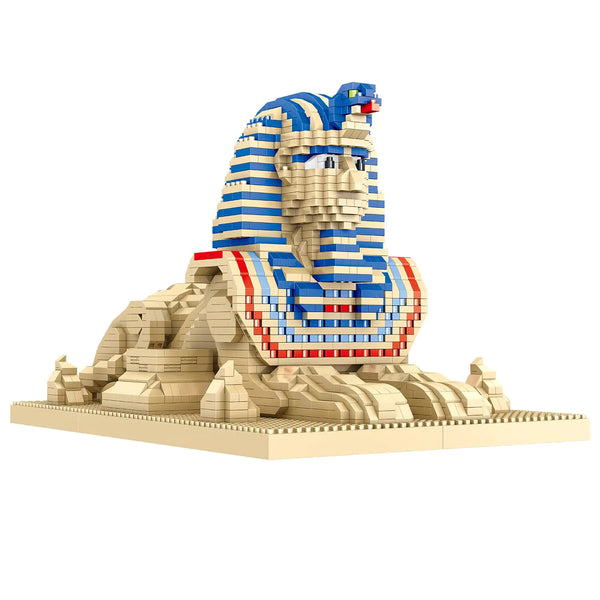
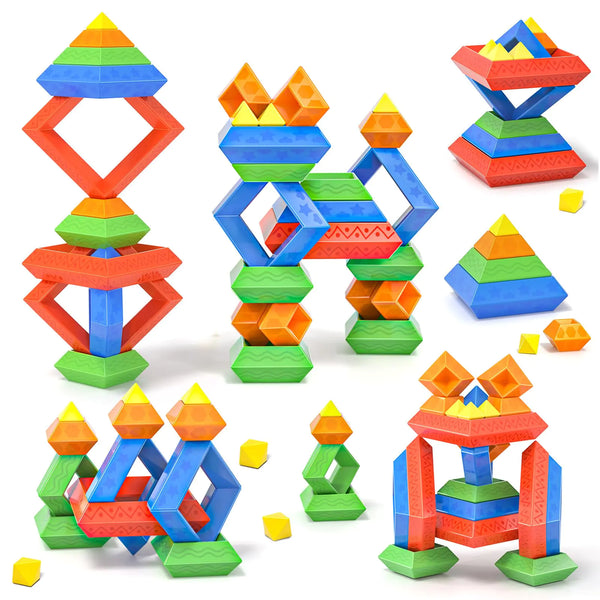
Building Blocks, Magnetic Tiles, and LEGO
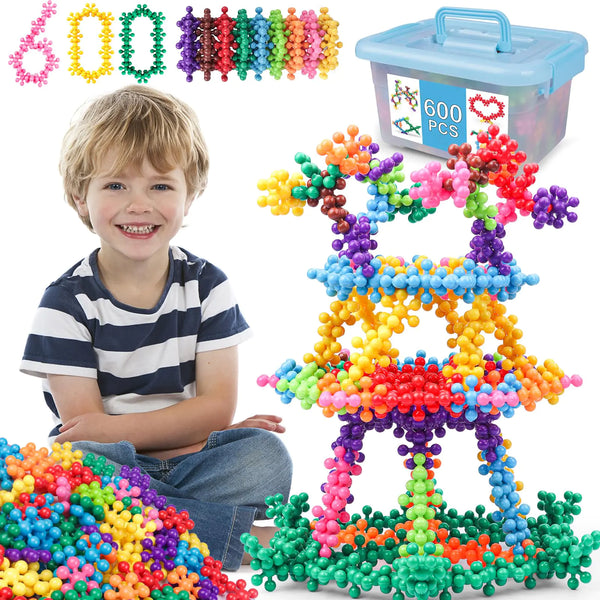
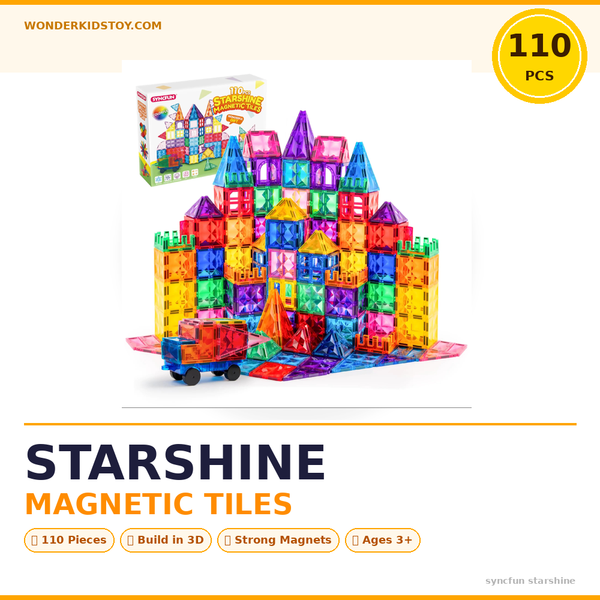
Construction toys help children test ideas, notice balance, plan ahead, and adjust when something falls apart. This is independence in action because children learn directly from what works and what does not.
STEM Construction Kits
Marble runs, gear sets, and kid-friendly circuit kits are especially useful because they “fail” in helpful ways. Children have to observe, troubleshoot, and try a new approach instead of quitting immediately.
Logic and Brain Teaser Toys
Tangrams, sliding puzzles, pattern boards, and logic challenges are great for kids who enjoy focused problem-solving. These toys help children practice calm thinking and persistence without constant adult direction.
Fine Motor Toys for Everyday Independence
Fine motor skills are the hidden foundation behind many independent tasks. A child needs hand strength and control for zippers, buttons, pencils, scissors, utensils, and tools. That is why fine motor toys are much more important than they first appear.
Lacing and Threading Toys
These build coordination, focus, and finger strength while also helping children follow patterns and sequences.
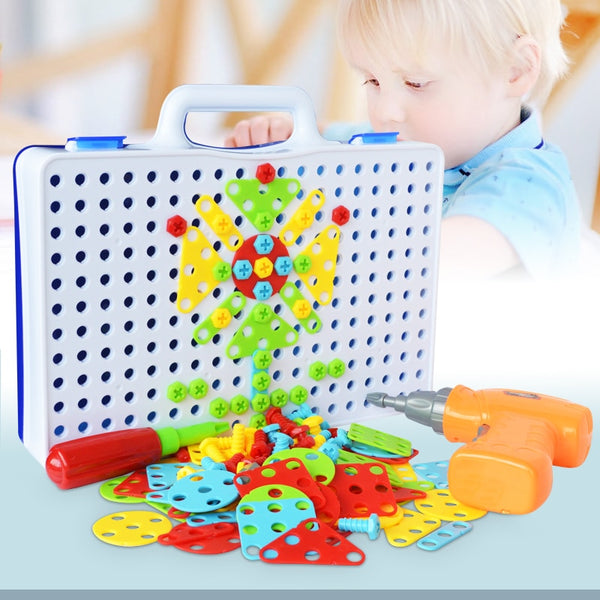
Bead Sets and Pegboards
These support precision, patience, and visual planning while giving children a satisfying sense of visible progress.
Child-Safe Scissors and Cutting Work
Cutting is a major independence milestone. It helps children gain tool confidence and hand control in a very practical way.
Open-Ended Creative Toys That Support Independent Play
Art Kits and Creative Trays
Art materials can become powerful independence tools when they are organized well. A simple art tray with paper, crayons, glue, and a few chosen materials encourages self-direction and project completion.
Playdough and Modeling Tools
Playdough supports hand strength, calm focus, and creative control. It is especially helpful for children who need a more soothing, sensory-based activity.
Building and Storytelling Combos
Small figures, dollhouse items, vehicles, and blocks give children the chance to plan, create, and play out their own stories without relying on a script. That kind of self-directed play builds confidence and imagination together.
Best Independence Toys by Age
Ages 1–2: “I can do it with my hands”
Shape sorters, chunky puzzles, stacking rings, posting toys, large blocks, and simple push-pull toys are all excellent for early confidence-building.
Ages 3–4: “I can do it with steps”
Dressing boards, magnetic tiles, beginner puzzles, pretend kitchens, cleaning sets, lacing cards, and simple memory games are ideal at this stage.
Ages 5–6: “I can do it from start to finish”
LEGO sets with instructions, marble runs, board games, craft kits, larger puzzles, and beginner science kits help children experience full project completion.
Ages 7–9: “I can learn new skills by myself”
More advanced build kits, snap circuits, logic puzzles, model building, sewing kits, and drawing or journaling prompts work especially well.
Ages 10–12: “I can manage projects”
Advanced STEM kits, robotics, strategy games, DIY creative projects, coding-based toys, and planner-style tools help children take ownership of time, skills, and responsibility.
How to Set Up Toys So Kids Actually Become Independent
Use an Open Shelf System
Choose only a small number of activities at once and place them on low shelves. Too many options can make children less independent, not more.
Use Trays and Bins
Keeping one activity per tray makes it easier for children to take something out, use it, and return it properly. This simple step often boosts independence quickly.
Teach a Short Reset Routine
A simple “put it back, wipe it down, wash hands” routine after play helps children understand that independence also includes caring for their environment.
Schedule Independence Time
Giving children 15 to 30 minutes where they choose an activity and work on it mostly alone can make a huge difference in their confidence and follow-through.
Common Mistakes Parents Make
Choosing Toys That Do Everything for the Child
Some toys flash, talk, and entertain, but require very little real effort. They may be fun, but they do not build much independence.
Offering Too Many Choices
An overload of toys often leads to overwhelm, distraction, and less focused play. Less can truly be more.
Helping Too Quickly
When adults jump in immediately, children can begin to believe they need help to succeed. A pause and a thoughtful question are often more powerful than fixing it for them.
Choosing Toys That Are Too Hard
A toy that creates constant frustration can damage confidence. It is usually better to choose one level easier and build up from there.
A Simple Independence Toy Plan for Your Home
If you want a simple, low-clutter setup, try creating a small rotation rather than filling your home with too many options.
For Toddlers
Try one puzzle, one sorter or posting toy, one block toy, one practical life activity, and one art option.
For Preschoolers
Try one puzzle or logic board, one building toy, one pretend play set, one fine motor activity, one sequence or matching game, and one creative tray.
For Early School Age
Try one build kit, one STEM activity, one logic toy, one board game, and one independent art or craft project. Rotate weekly to keep everything feeling fresh.
Independence-Building Toys: Quick Comparison Cards
These comparison cards make it easier to choose the best type of toy based on the specific independence skill you want to strengthen.
Practical Life Toys
Best for: Self-care and responsibility
Main benefits: Routines, confidence, real-life skills
Examples: Dressing boards, cleaning sets, kitchens
Executive Function Toys
Best for: Planning and finishing tasks
Main benefits: Focus, memory, sequencing
Examples: Puzzles, sequence games, board games
Problem-Solving Toys
Best for: “I can figure it out” thinking
Main benefits: Troubleshooting, persistence, logic
Examples: Blocks, STEM kits, logic puzzles
Fine Motor Toys
Best for: Tool use and hand control
Main benefits: Grip, precision, patience
Examples: Lacing toys, beads, scissors work
Final Thoughts: Independence Is Built in Small Wins
The best toys for building independence are the ones that let children choose, start, struggle safely, solve problems, finish, and feel proud. That pride matters because it spreads into real life. It becomes, “I can put my shoes on,” “I can clean this up,” “I can figure this out,” and eventually, “I can handle new things.”
Independence is not about making children do everything alone. It is about giving them enough support, practice, and space to believe in their own abilities. The right toys make that process gentler, more playful, and much more natural.
Ready to support more confidence and independence through play?
Explore toys that help kids build real-life skills, focus, and problem-solving confidence at home.
Explore Independence-Building ToysFrequently Asked Questions About Toys for Building Independence
1. What kinds of toys help build independence in kids?
Toys that encourage self-direction, problem-solving, finishing tasks, and natural feedback are often the best for building independence.
2. Why are toys important for building independence?
Toys give children a safe, low-pressure way to practice life skills like decision-making, persistence, focus, and self-care.
3. What does independence mean for children?
Independence includes self-care, problem-solving, emotional regulation, executive function, decision-making, and confidence in trying new things.
4. What are practical life toys?
Practical life toys are toys that help children practice real-world tasks like dressing, cleaning, preparing food, and organizing materials.
5. Are dressing boards good for independence?
Yes, dressing boards are excellent because they help children practice zippers, buttons, buckles, and other self-care skills without time pressure.
6. Can pretend kitchens build independence?
Yes, pretend kitchens can support routines, planning, sequencing, clean-up habits, and responsibility through play.
7. Are child-sized cleaning sets useful?
Yes, they help children feel capable in real household tasks and encourage pride in caring for their environment.
8. What toys help with executive function?
Puzzles, sequence games, matching activities, and beginner board games are very useful for building planning, focus, and task completion.
9. How do puzzles help kids become more independent?
Puzzles teach children to keep trying, focus on a goal, and finish what they started without needing constant adult help.
10. Are board games good for independence?
Yes, simple board games can help children learn turn-taking, following rules, waiting, and completing an activity within structure.
11. What toys build problem-solving skills?
Building blocks, magnetic tiles, STEM kits, marble runs, circuits, and logic toys all help children practice problem-solving independently.
12. How do building toys support independence?
They encourage planning, testing, adapting, and trying again, which helps children learn they can solve problems on their own.
13. Are STEM kits good for independent learning?
Yes, many STEM kits are excellent because they help children experiment, troubleshoot, and understand cause and effect through direct experience.
14. What are good fine motor toys for independence?
Lacing toys, threading sets, pegboards, large beads, and child-safe scissors are all strong choices for building hand control and independence.
15. Why are fine motor skills important for independence?
Fine motor skills are needed for dressing, writing, using utensils, cutting, brushing teeth, and handling many everyday tasks.
16. Can art supplies support independence?
Yes, organized art trays and simple craft kits can help children plan projects, work independently, and practice cleaning up afterward.
17. Is playdough good for independence?
Yes, playdough supports hand strength, calm focus, and self-directed creativity, which can help children feel more capable and regulated.
18. What toys are best for toddlers learning independence?
Toddlers often benefit most from shape sorters, chunky puzzles, stacking toys, posting toys, large blocks, and simple practical life activities.
19. What toys are best for preschoolers building independence?
Preschoolers often do well with dressing boards, magnetic tiles, beginner puzzles, pretend play sets, lacing toys, and simple memory games.
20. What toys are best for older kids learning independence?
Older kids often benefit from LEGO, STEM kits, strategy games, logic puzzles, model-building sets, and project-based creative tools.
21. How should toys be set up at home to encourage independence?
Toys should be easy to reach, organized in trays or bins, limited in number, and placed in a calm, low shelf setup that supports self-choice.
22. Why do too many toys reduce independence?
Too many options can overwhelm children, reduce focus, and make it harder for them to start and finish meaningful play independently.
23. What is an open shelf toy system?
An open shelf system is a simple way of displaying a small number of activities where children can see, choose, use, and return them on their own.
24. How can parents avoid helping too quickly?
Pausing, observing, and asking a gentle question instead of fixing the problem right away can help children build more confidence and persistence.
25. What kind of praise helps independence?
Praise that focuses on effort, persistence, and trying again is usually much more helpful than praise focused only on results.
26. Are open-ended toys better for independence?
Open-ended toys are often very helpful because they allow children to make choices, create solutions, and stay engaged without needing step-by-step direction every time.
27. How long should independence play time be?
Even 15 to 30 minutes of daily independent play can make a meaningful difference when the setup is calm and the toys are well matched to the child.
28. What if my child gets frustrated easily?
Try choosing slightly easier toys, reducing clutter, offering simpler goals, and letting the child repeat the same activity until confidence grows.
29. What is the biggest benefit of independence-building toys?
The biggest benefit is that children begin to believe they are capable, which supports confidence not only in play but also in everyday life.
30. Where can I find toys that help kids build independence?
You can explore WonderKidsToy’s collections of Montessori toys, puzzles, construction toys, and problem-solving play sets to support confidence and independence through play.