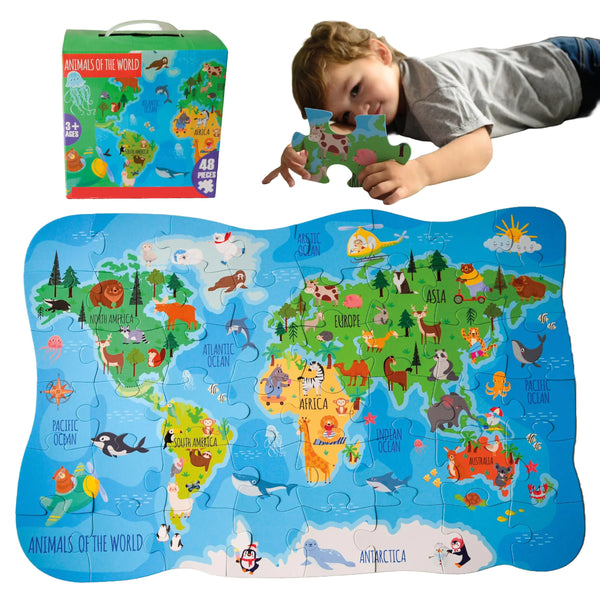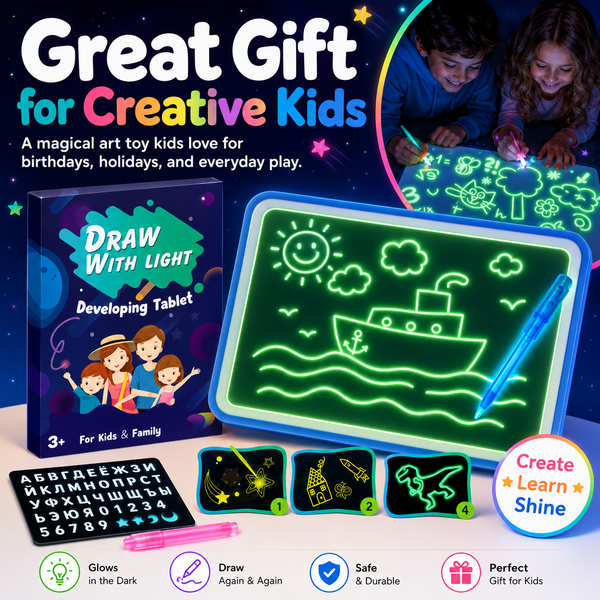

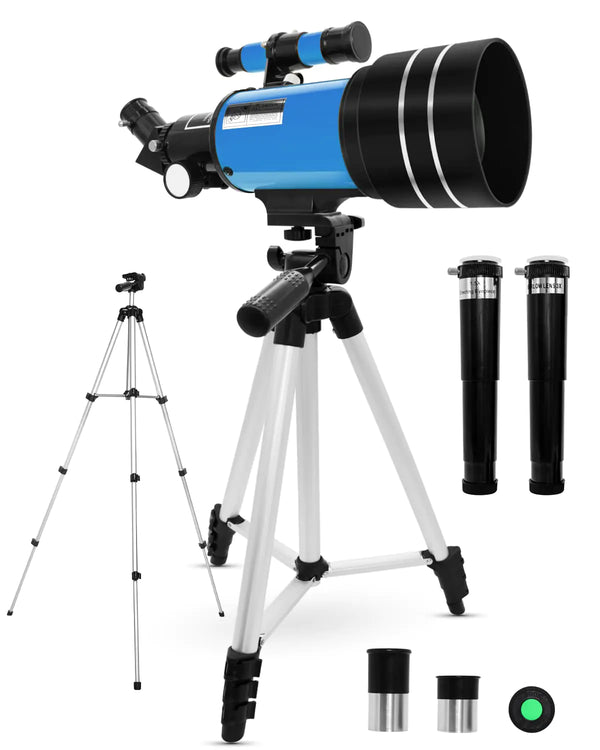
Creativity isn’t just a talent children are born with—it’s a skill that grows when they’re given the right tools. While many toys provide temporary entertainment, the best toys for building creativity transform playtime into Active Discovery.
In this guide, we explore how creative learning toys move beyond passive consumption to build the technical and emotional foundation your child needs to think, create, and express themselves with confidence.
Top Discovery Tools for Creative Minds
Table of Contents
Passive Screen Hits vs. Active Creation
In many homes, "entertainment" is a one-way street: a child watches a screen that does all the work. While flashy, this requires zero physical troubleshooting or original thought. This lack of engagement stalls the development of executive function and flexible thinking. When a screen creates the story, the brain stays idle.
Open-ended toys provide the "creative resistance" children need. Whether it's building a tower or mixing colors, children lead the action. This grounded-in-reality approach is a core tenet of the Montessori approach to potential, helping kids see that their ideas have physical consequences.
Why Tactile Feedback Builds Creative Brains
Early childhood is a critical window for sensory brain mapping. By using educational toys that require manual manipulation, children practice logical sequencing and manual precision. They aren't just making a "mess"; they are performing high-level experiments in cause and effect. Research shows that children need this physical feedback to build the persistence (grit) required for later academic success.
Top Categories for Active Innovation
- Open-Ended Toys: Blocks and loose parts that have no single "right" answer, fostering original ideas.
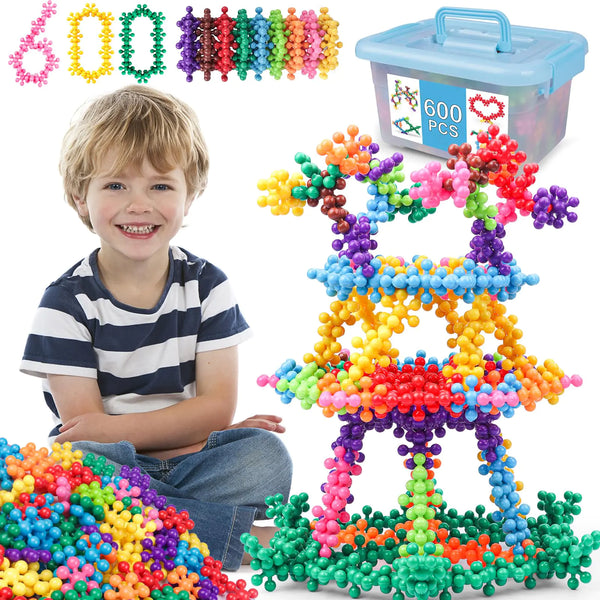
- Building & Construction: Tools that support spatial thinking and planning. See our building toys for examples.
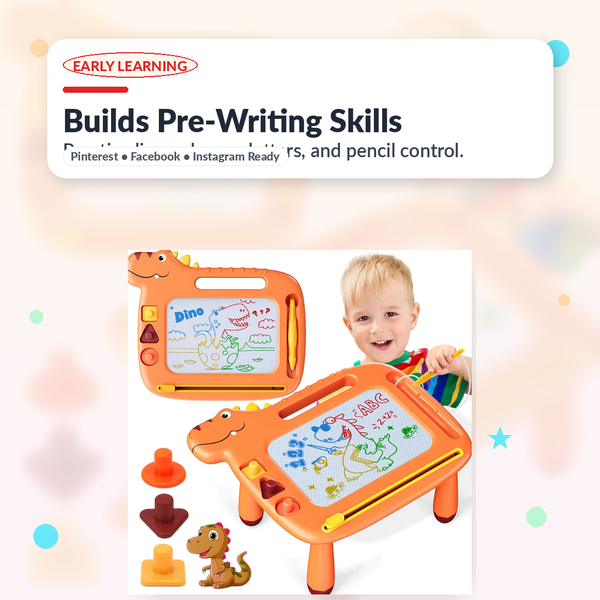
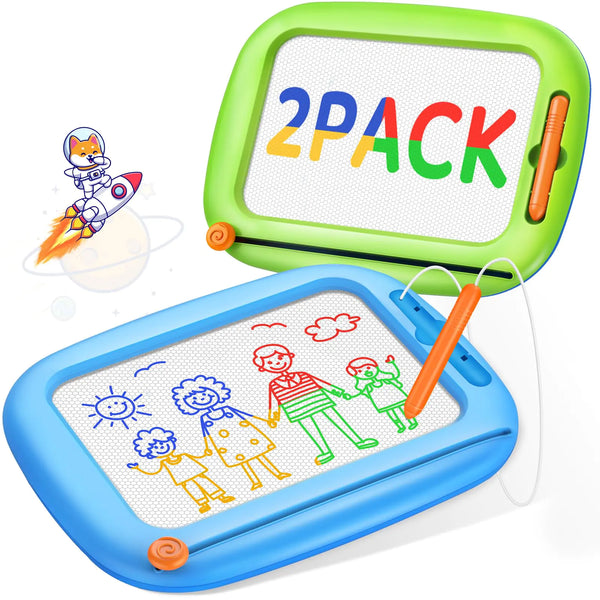
- Arts & Craft Kits: Visual tools that improve pincer grip while encouraging emotional expression.
- Pretend Play: Role-playing sets that build social EQ and storytelling skills through the logic of symbols.
Ready to spark their inner innovator?
Discover expert-vetted materials that turn screen time into "make" time.
Explore All Creative ToysChoosing the Right Tool for the Milestone
Effective creative discovery follows the child's natural pace:
- Toddlers (2-3y): Focus on manual precision with large blocks and simple stacking tools. Exploration is the goal, not the result.
- Preschoolers (4-5y): Introduce systems logic with complex building sets and role-play kits to develop narratives.
- Kids (6y+): Advance to Active Innovation with STEM kits and detailed art projects that require computational thinking.
Frequently Asked Questions
Do creative toys really help with math and science?
Yes. Building blocks and construction sets teach 3D spatial logic and logical sequencing, which are the foundations of geometric math and physics.
What is the best "open-ended" toy for a beginner?
Natural wooden blocks are unmatched. They provide honest feedback on weight and balance that lightweight plastic cannot replicate.
Can physical toys reduce screen time dependency?
Yes! High-engagement physical activities provide the same "discovery hit" as digital media but anchor the child in real-world logic and tactile feedback.
Final Thoughts: Nurturing a Lifetime of Awareness
Selecting intentional play materials is an investment in your child’s cognitive potential. By choosing tools that encourage rhythm, logic, and physical mastery, you are setting the stage for a lifetime of innovative thinking. Every pieces snapped andogni story imagined is a building block for a bright future.
Ready to build a better discovery box? Explore our specialized early development collection today and start the journey toward purposeful play.