

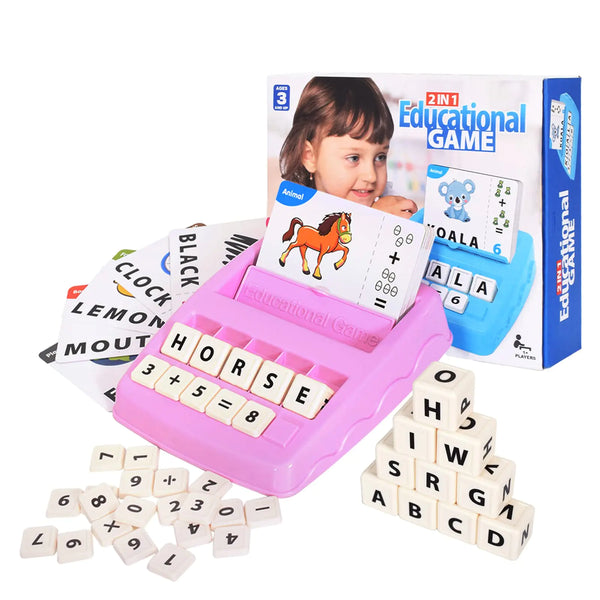
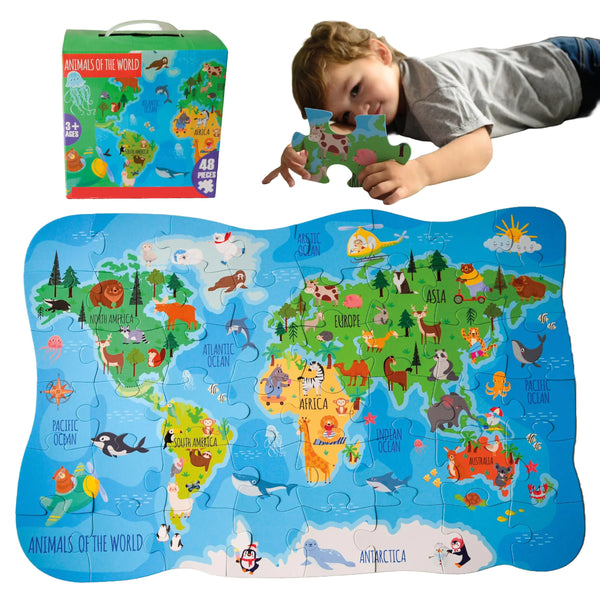
Finding the perfect gift for children can be tricky—especially when you want something fun and meaningful. That’s where educational toy gifts come into play. These are not just ordinary toys—they’re thoughtfully designed to develop skills, inspire curiosity, and turn playtime into learning time.
Whether you're shopping for a birthday, holiday, or just a surprise treat, educational gifts are a smart and heartwarming choice. In this guide, we’ll explore the best options to help your child grow intellectually, emotionally, and creatively.
Table of Contents
Gift Choices That Hinder Focus
Many traditional gifts are designed for "one-and-done" entertainment. They often feature excessive lights and pre-programmed sounds that do all the work for the child. This creates a passive experience where the toddler isn't required to think, imagine, or innovate. This leads to a cycle where gifts are quickly discarded once the initial novelty of the battery-operated features wears off.
Barriers Created by Low-Engagement Toys
Passive toys can actually stall critical developmental milestones. Without the need to physically troubleshoot or solve a puzzle, children miss out on forming vital neural pathways. Research on cognitive skill development shows that children need hands-on experimentation to build the persistence and logical sequencing required for school readiness.
Active Discovery: Gifting for Long-Term Success
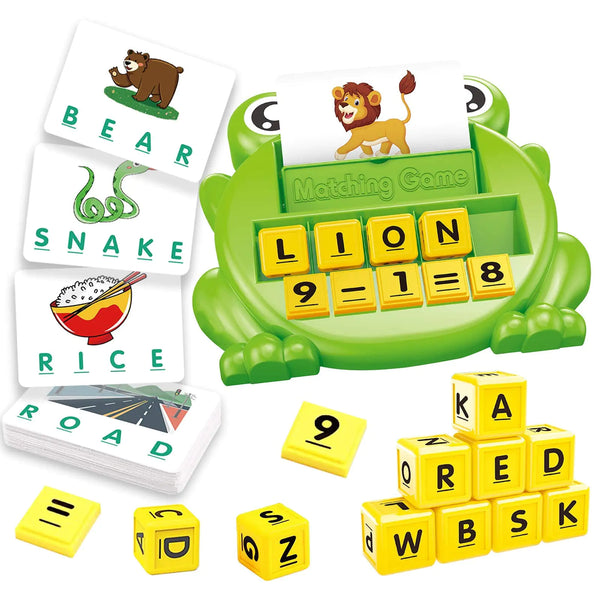
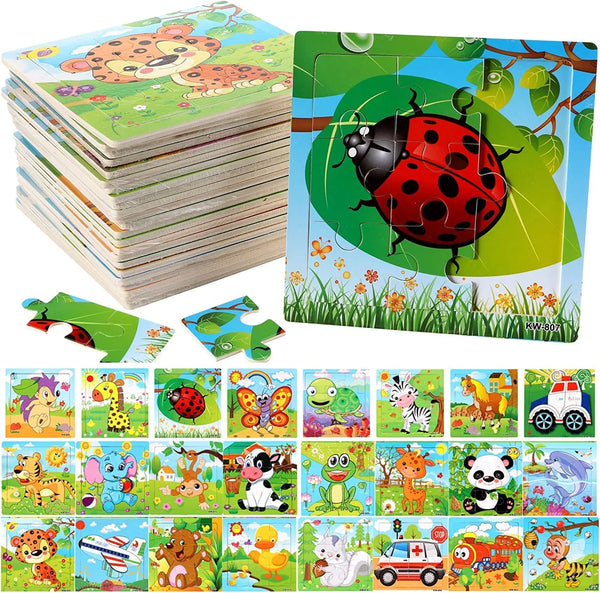
The best educational gifts provide "active" engagement. They are tools that invite the child to become the protagonist of their own discovery. Whether it's Montessori-inspired sets or complex 3D puzzles, these gifts require the child to lead the action. This active engagement is why children with high-quality educational tools often display longer concentration spans and higher independent problem-solving skills.
Ready to gift a bright future?
Discover curated gifts that encourage independence and a lifelong love of learning.
Shop Best Educational GiftsMilestone Gift Comparison
STEM & Robotics
The Goal: Engineering logic and coding basics.
Top Gift: Solar Robot Kits.
Best for: Ages 8+.
Early Numeracy
The Goal: Tactile math and counting mastery.
Top Gift: Mathematics Counting Toys.
Best for: Ages 3–6.
Creative Literacy
The Goal: Fine motor and writing readiness.
Top Gift: 3D Magic Drawing Pads.
Best for: All ages.
Highly Recommended Picks
For a gift that truly lasts, these products offer the best balance of fun and skill-building:
FAQ
1. What are educational toy gifts?
These are gifts specifically designed to teach children core concepts in STEM, literacy, and motor skills while they play.
2. How do these gifts help with school readiness?
They foster critical thinking, spatial logic, and hand precision, providing a strong foundation for classroom learning.
3. Why are hands-on gifts better than digital ones?
Hands-on toys offer tactile sensory feedback that strengthens neural pathways better than passive screen observation.
4. What should I look for in a gift for an 8-year-old?
Focus on "discovery" gifts like solar robot kits or geology sets that encourage independent experimentation.
5. Are Montessori gifts suitable for a home setting?
Absolutely. They are designed to foster independence and master specific skills through active, sensory-based play.
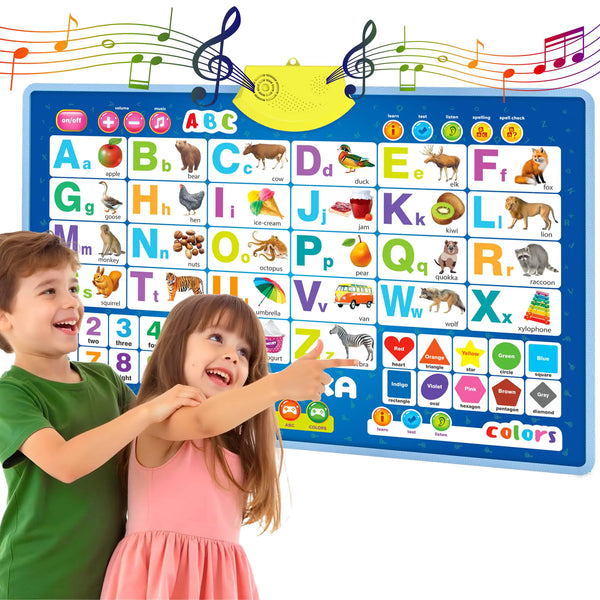
6. Can musical toys improve language skills?
Yes, rhythm and melody play help children recognize patterns and sounds, which is foundational for speech and vocabulary.
7. What is "open-ended play" in a gift?
It refers to toys like building blocks that can be used in infinite ways, fostering long-term creativity and value.
8. How do I know if a toy is age-appropriate?
Check the manufacturer's age range to ensure the complexity and safety features match the child's developmental stage.
9. Are these gifts safe for infants?
Yes, provided you choose from vetted collections designed for sensory foundation without small choking hazards.
10. Why is durability important in educational toys?
Quality tools are meant to be used repeatedly. Durable materials like wood ensure the gift lasts through years of active discovery.
11. Can toys help with ADHD focus?
Yes. Tactile toys with clear, immediate goals require sustained attention and help build longer concentration spans.
12. What is a "Geology Science Kit"?
A kit that allows children to excavate real crystals and minerals, teaching them about the earth's composition through action.
13. Do counting toys really teach math?
Yes, they turn abstract numbers into physical objects, helping kids grasp volume, quantity, and sequence naturally.
14. Are LCD tablets good for writing skills?
Yes, they provide a mess-free way for kids to practice handwriting and fine motor control anywhere.
15. What is "Control of Error" in toys?
A design feature where the child can see their own mistake (like a block not fitting) and adjust without adult help.
16. Can outdoor play be educational?
Yes. Tools like water sprinklers teach lessons in water pressure and motion while improving core motor skills.
17. Why gift non-toxic wooden toys?
They are safer for children who explore with their mouths and provide a realistic weight for brain mapping.
18. What are the best travel-friendly gifts?
Portable LCD tablets, magnetic puzzle boxes, and small dinosaur building blocks are excellent for on-the-go play.
19. How do dinosaur toys help with history?
They spark curiosity about the prehistoric world and encourage children to learn facts about various species and timelines.
20. Do bulk rubber ducks serve a purpose?
Yes, they are excellent for bathtime sorting, color recognition, and early narrative storytelling.
21. Can gifts teach physics at home?
Yes, through building kits and stacked blocks that demonstrate forces like gravity and structural integrity.
22. What is "symbolic play"?
When a child uses a toy to represent something else (like a block for a phone), building cognitive flexibility.
23. Are expensive sets worth the investment?
High-quality materials offer far more long-term play value and accurate logic feedback than cheap disposable items.
24. How many toys should a child have out?
Keeping 6-10 purposeful activities accessible helps maintain focus and prevent choice paralysis.
25. Do robot kits lead to career skills?
Yes, they introduce robotics, engineering, and coding—key skills for high-demand careers of the future.
26. Why avoid battery-operated "performing" gifts?
They often perform "for" the child, taking away the opportunity for the kid to use their own spatial and sensory logic.
27. How does active play help with sleep?
The mental exertion of problem-solving helps regulate a child's natural sleep-wake cycle better than passive media.
28. Is toy rotation hard to manage?
No, just put half your gifts in a bin and swap them every two weeks to maintain novelty and high focus levels.
29. Can math happen without numbers?
Yes, through understanding proportions, symmetry, and volume during tactile construction play.
30. Where can I find high-quality educational gifts?
Explore the specialized collections at WonderKidsToy for vetted, high-quality discovery tools designed for development.
Nurturing a Lifetime of Discovery
Selecting an educational gift is much more than giving a plaything—it is an investment in a child’s cognitive potential. By choosing tools that encourage rhythm, logic, and physical mastery, you are setting the stage for a lifetime of innovative thinking. Every pieces snapped and ogni sound explored is a building block for a bright future.
Ready to build a better discovery box? Explore our expert-selected range of Montessori and educational toys today. Your journey toward purposeful gifting starts here.