
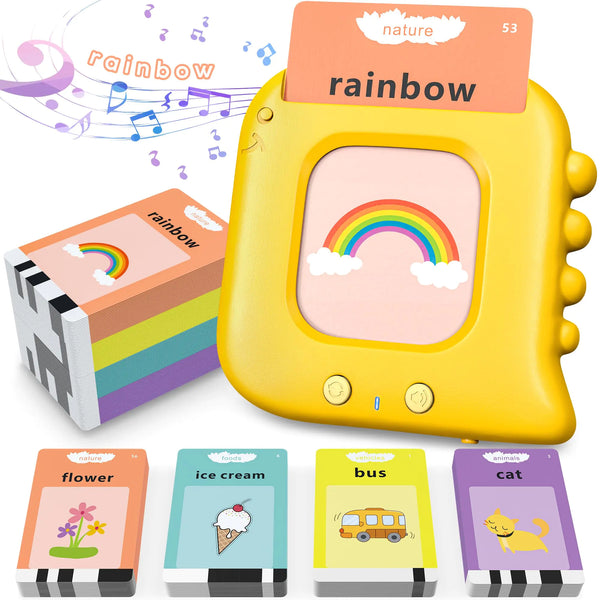
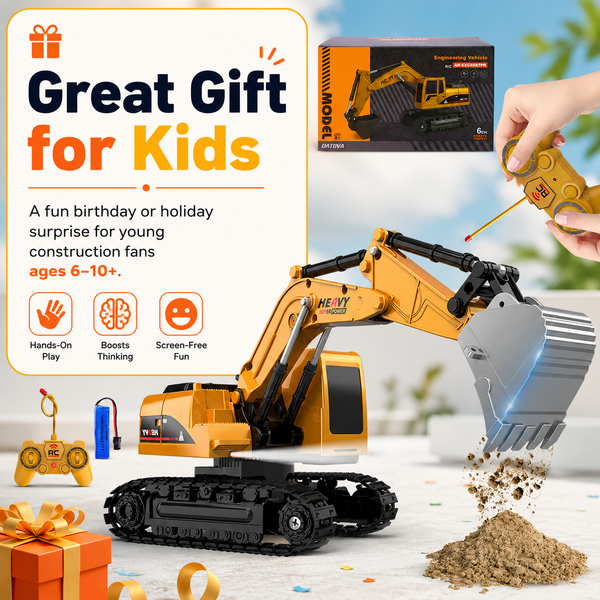
Every parent wants their child to grow up confident, curious, creative, and ready to learn. But the truth is, children do not build these skills only through worksheets, lessons, or screen-based learning apps. They build them through play. The right brain development toys for kids can turn everyday playtime into a powerful learning experience that supports memory, focus, creativity, problem-solving, and early intelligence.
Childhood is one of the most important stages for brain growth. Every time children build, sort, match, solve, count, create, or experiment, they strengthen the thinking skills they will use for years. That is why parents are now looking for toys that do more than entertain. They want toys that help children think deeper, stay focused longer, and learn with confidence.
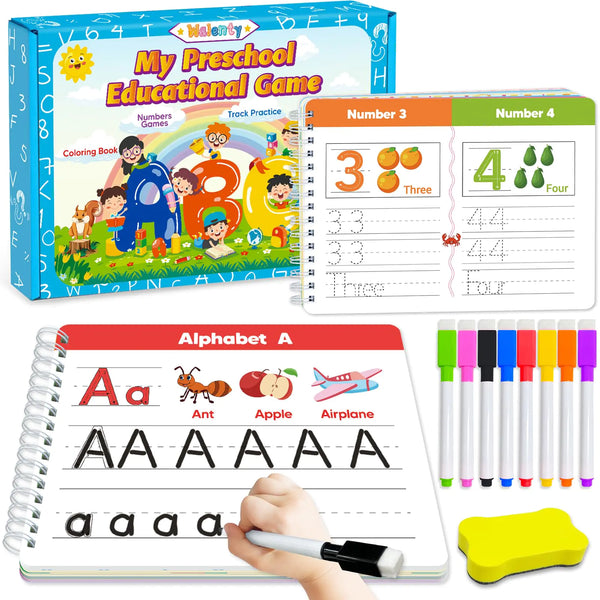
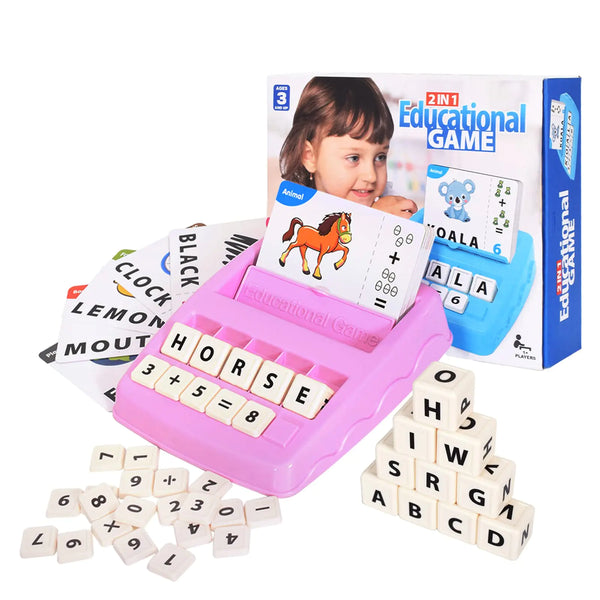
In this guide, you will discover the best types of brain development toys, how they support learning, and how to choose the right toy based on your child’s age and learning goal. Families building a strong learning environment often explore educational toys, puzzle brain teasers, STEM toys, building construction toys, problem-solving play sets, and Montessori educational toys.
Table of Contents
Quick Picks: Best Brain Development Toys by Learning Goal
Need a fast starting point? Choose the toy category based on the skill you want your child to build most.
Best for Problem Solving
Puzzles, logic games, and challenge-based toys help kids think step by step.
Explore Puzzle Brain Teasers →Best for Creativity
Building, art, and open-ended toys help children create, imagine, and express ideas.
Explore Art Creativity Kits →Best for Focus
Montessori-style toys encourage calm, hands-on concentration without overwhelm.
Explore Montessori Toys →Best for STEM Thinking
STEM and engineering toys help kids test ideas, build, experiment, and learn how things work.
Explore STEM Toys →Many Toys Entertain Children but Do Not Build Real Brain Skills
Many toys today are built to grab attention quickly. They flash, beep, move, sing, or use screens to keep children busy. While these toys may create excitement for a few minutes, they do not always encourage deep thinking, creativity, memory, reasoning, or independent problem-solving.
Parents often notice this difference. A toy may look exciting online, but after a short time, the child loses interest. That usually happens when the toy does too much for the child. The best brain development toys work differently. They invite children to participate, think, explore, and try again.
Passive Play Can Limit Creativity, Focus, and Independent Thinking
Children learn best when they are actively involved. They need to touch, build, test, compare, sort, imagine, and solve little challenges. When play becomes too passive, children may miss valuable chances to strengthen the skills that support school readiness and lifelong learning.
This does not mean play needs to feel serious. In fact, the best learning toys feel fun. But underneath the fun, they are helping children practice attention, memory, reasoning, patience, creativity, and confidence. That is why choosing the right toy matters so much.
Brain Development Toys Turn Playtime Into Powerful Learning
Brain development toys are designed to help children learn by doing. They encourage kids to solve puzzles, build structures, test ideas, recognize patterns, remember sequences, create designs, and explore how things work. This kind of hands-on play strengthens important cognitive skills in a natural and enjoyable way.
The best brain development toys do not give children all the answers. They create small challenges that children can explore. Each time a child tries a new solution, adjusts a design, remembers a pattern, or completes a puzzle, they build confidence in their own thinking.
Looking for toys that build real thinking skills?
Explore educational toys that support memory, creativity, focus, problem-solving, and hands-on learning.
Shop Educational ToysWhat Are Brain Development Toys?
Brain development toys are toys that encourage children to use important thinking skills during play. These toys may involve problem-solving, matching, sorting, building, sequencing, creating, experimenting, or remembering patterns.
Unlike passive toys, brain development toys ask children to do something meaningful. A puzzle asks them to analyze shapes. A building set asks them to think about balance and structure. A Montessori toy asks them to focus and complete a task independently. A STEM toy asks them to experiment and observe what happens next.
Key Benefits of Brain Development Toys for Kids
Matching games, puzzles, and pattern toys help children remember positions, sequences, and relationships.
Challenge-based toys teach children to observe, test, adjust, and try again.
Open-ended toys help children create new ideas, stories, structures, and designs.
Hands-on toys help children stay engaged with one task for longer periods of time.
Building, science, engineering, and coding toys introduce children to logical thinking.
When children complete small challenges on their own, they build confidence and self-trust.
Best Types of Brain Development Toys for Kids
1. Puzzle Toys and Brain Teasers
Puzzle toys are one of the strongest choices for brain development because they teach children to analyze, compare, remember, and solve. When a child works on a puzzle, they must look carefully at shapes, colors, edges, patterns, and relationships. This supports logical thinking, spatial reasoning, patience, and persistence.
Puzzles also teach children that mistakes are part of learning. A piece may not fit the first time, but the child keeps trying until they find the right match. That simple process builds resilience and problem-solving confidence.
Shop Puzzle Brain Teasers2. Building and Construction Toys
Building toys help children understand space, balance, structure, and design. When kids build towers, bridges, houses, vehicles, or imaginary worlds, they are using creativity and logic at the same time. If a structure falls, they observe what happened and try a new approach.
This kind of trial-and-error learning is excellent for cognitive growth. It teaches children to test ideas, improve designs, and think like young engineers. Building toys pair well with building construction toys, sustainable building blocks, and engineering toys.
3. Montessori Educational Toys
Montessori toys are often simple, calm, and purposeful. They are designed to encourage independent exploration instead of overstimulation. These toys are especially helpful for focus, fine motor development, sorting, matching, concentration, and self-directed learning.
For parents who want brain development toys without too many lights, sounds, or distractions, Montessori educational toys are a smart place to start.
4. STEM Toys for Logical Thinking
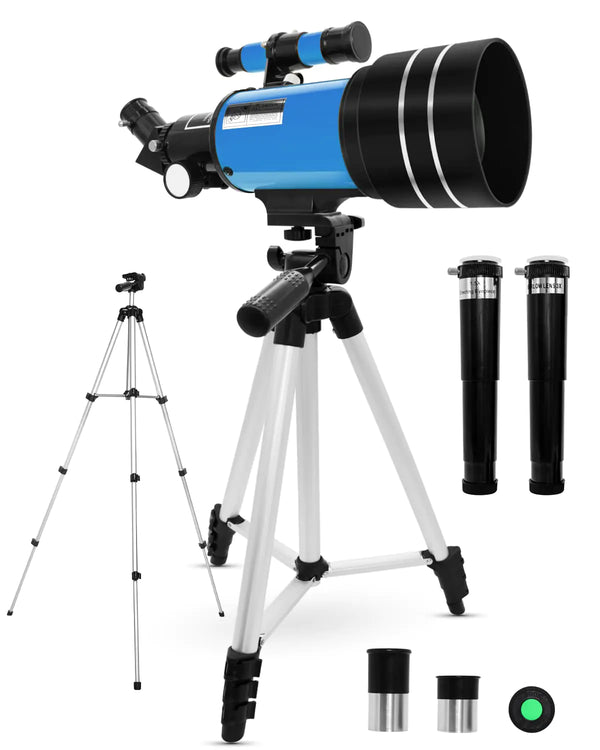
STEM toys introduce children to science, technology, engineering, and math through play. These toys help children experiment, observe results, and understand how things work. STEM play can include building circuits, testing movement, exploring magnets, solving engineering challenges, or using beginner coding concepts.
Kids who enjoy asking “why?” and “how?” often love STEM toys, science kits and experiments, robotics kits for kids, and coding programming toys.
5. Memory and Matching Toys
Memory toys help children practice recall, attention, and pattern recognition. Matching cards, shape games, sequencing activities, and logic-based toys can strengthen working memory in a playful way.
Strong memory skills support reading, math, following instructions, and everyday learning. This makes memory-based play especially valuable for preschool and early elementary children.
Best Brain Development Toys by Age
Ages 2–3: Simple Sorting, Stacking, and Sensory Toys
Toddlers need toys that are easy to hold, simple to understand, and rich in hands-on exploration. Shape sorters, stacking toys, sensory toys, and simple puzzles are great choices. Parents can also explore educational toys for 3 year olds and sensory learning toys.
Ages 4–5: Puzzles, Pretend Play, and Early Logic Toys
Preschoolers are ready for more thinking-based play. Puzzles, matching games, early board games, pretend play sets, and simple STEM toys help build creativity, language, and reasoning skills.
Ages 6–8: STEM, Engineering, Coding, and Brain Teasers
Older kids often enjoy more advanced challenges. STEM kits, engineering toys, coding toys, robotics kits, and logic puzzles help children test ideas and develop stronger problem-solving skills.
Quick Comparison: Best Brain Development Toys by Skill
Use these mobile-friendly comparison cards to quickly choose the best toy category for your child’s learning goal.
Puzzle Toys
Best for: logic and problem-solving
Skills: focus, memory, spatial reasoning
Explore puzzles →Building Toys
Best for: creativity and engineering
Skills: design, balance, persistence
Explore building toys →Montessori Toys
Best for: calm focus and independence
Skills: concentration, sorting, fine motor control
Explore Montessori toys →STEM Toys
Best for: science and logical thinking
Skills: testing, experimenting, reasoning
Explore STEM toys →How to Choose the Best Brain Development Toy for Your Child
Choose by Skill Goal
Start by asking what skill you want to support. For memory, choose matching games. For creativity, choose open-ended building or art toys. For logic, choose puzzles. For STEM thinking, choose engineering or science toys.
Choose Age-Appropriate Challenge
A good toy should be challenging enough to keep your child interested but not so hard that it creates frustration. The best toys stretch a child’s thinking gently.
Look for Open-Ended Play
Open-ended toys can be used in many ways. Blocks, construction sets, art kits, and STEM toys often offer more replay value because children can create something new each time.
Avoid Overstimulation
The best learning toys do not need to overwhelm children with too many lights and sounds. Calm, hands-on toys often support deeper focus and more meaningful play.
How to Create a Brain-Stimulating Play Environment at Home
A strong learning environment does not need to be complicated. Children benefit from having a few thoughtful toys that encourage different types of thinking. A balanced toy setup may include puzzles, building toys, Montessori toys, art kits, STEM toys, and educational board games.
Rotating toys can also help. Instead of putting every toy out at once, keep a small selection available and change it every few weeks. This keeps play fresh and helps children focus better.
Parents can also join play occasionally by asking simple questions like “What happens if you try it this way?” or “How can we make this stronger?” These small prompts help children think deeper without taking over the activity.
Build a smarter playroom, one toy at a time
Discover hands-on toys that help children learn, solve, create, and grow with confidence.
Explore Educational ToysFinal Thoughts
Brain development toys are more than ordinary toys. They help children build the skills that support learning, creativity, focus, memory, reasoning, and confidence. The best toys encourage children to participate actively instead of passively watching or pressing buttons.
Whether your child enjoys puzzles, building, Montessori play, STEM kits, art activities, or logic games, the right toy can make learning feel natural and exciting. When children learn through play, they do not just remember more. They enjoy the process of discovering what they can do.
Frequently Asked Questions About Brain Development Toys for Kids
1. What are brain development toys for kids?
Brain development toys are toys that encourage children to think, solve problems, remember patterns, create ideas, and explore how things work through hands-on play.
2. Why are brain development toys important?
They help children practice important cognitive skills such as memory, focus, creativity, logical thinking, and problem-solving in a playful way.
3. Do brain development toys improve intelligence?
They can support the thinking skills connected to learning and intelligence, such as reasoning, memory, attention, creativity, and problem-solving.
4. What toys are best for brain development?
Puzzle toys, building toys, Montessori toys, STEM toys, memory games, art kits, and problem-solving play sets are all strong choices for brain development.
5. Are puzzles good for brain development?
Yes. Puzzles help children build logical thinking, visual memory, spatial reasoning, patience, and problem-solving skills.
6. Are building toys good for the brain?
Yes. Building toys support creativity, spatial awareness, planning, engineering thinking, and trial-and-error learning.
7. Are Montessori toys good for brain development?
Yes. Montessori toys encourage focus, independence, fine motor control, sorting, matching, and calm hands-on exploration.
8. What toys improve memory in kids?
Matching games, sequencing toys, puzzles, board games, and pattern-based activities can help children practice memory and recall.
9. What toys improve concentration?
Puzzles, Montessori activities, building sets, art kits, and educational board games can help children practice focus and attention.
10. What toys improve creativity?
Open-ended toys such as building blocks, art kits, pretend play sets, construction toys, and musical toys help children create and imagine freely.
11. Can STEM toys help brain development?
Yes. STEM toys help children explore science, engineering, math, logic, experimentation, and cause-and-effect thinking.
12. What are the best brain development toys for toddlers?
Simple puzzles, stacking toys, shape sorters, sensory toys, Montessori toys, and early matching games are excellent for toddlers.
13. What are the best brain development toys for preschoolers?
Preschoolers often benefit from puzzles, counting toys, memory games, pretend play sets, construction toys, and early STEM toys.
14. What are the best brain development toys for 6-year-olds?
STEM kits, engineering toys, science experiments, brain teasers, coding toys, and advanced building sets are strong choices for 6-year-olds.
15. Do educational toys really help kids learn?
Yes. Educational toys can make learning more active, memorable, and enjoyable by helping children practice skills through hands-on play.
16. Can brain development toys reduce screen time?
Yes. Hands-on toys give children an engaging alternative to screens while supporting creativity, focus, and problem-solving.
17. What toys help with problem-solving?
Puzzle toys, logic games, STEM toys, construction sets, and problem-solving play sets are especially helpful for building problem-solving skills.
18. What toys help with logical thinking?
Brain teasers, puzzles, coding toys, engineering kits, and strategy games can help children practice logical thinking.
19. Are board games good for brain development?
Yes. Educational board games can support memory, strategy, patience, turn-taking, communication, and reasoning skills.
20. Are art toys good for brain development?
Yes. Art toys support creativity, self-expression, fine motor skills, planning, and flexible thinking.
21. Are musical toys good for brain development?
Yes. Musical toys support listening, rhythm, coordination, memory, creativity, and emotional expression.
22. How do I choose the right brain development toy?
Choose based on your child’s age, interest, and learning goal. Look for toys that encourage active thinking instead of passive watching.
23. Should brain development toys be difficult?
They should be gently challenging. A toy should stretch your child’s thinking without causing too much frustration.
24. Are expensive toys better for brain development?
Not always. A simple, well-designed puzzle, block set, or Montessori toy can be more valuable than a flashy expensive toy.
25. How many brain development toys does a child need?
A few high-quality toys are enough. A balanced mix of puzzles, building toys, creative toys, and STEM toys can create a strong learning setup.
26. Should I rotate brain development toys?
Yes. Toy rotation helps keep children curious and prevents overwhelm by making old toys feel fresh again.
27. Are screen-free toys better for brain development?
Screen-free toys often encourage more active hands-on thinking, movement, creativity, and problem-solving than passive screen activities.
28. Can brain development toys help school readiness?
Yes. These toys can support attention, memory, communication, problem-solving, early math, early literacy, and confidence.
29. What is the best first brain development toy?
For younger children, simple stacking toys, shape sorters, puzzles, and sensory toys are excellent first brain development toys.
30. Where can I buy brain development toys for kids?
You can explore brain-building educational toys, puzzles, STEM toys, Montessori toys, and construction toys at WonderKidsToy.