


Language is one of the most critical skills children develop during their early years. It allows them to express thoughts, ask questions, and understand the world around them. From birth, infants soak up sounds and interactions, but as they transition into toddlerhood, the best language development toys become essential bridge-builders for fluent communication.
While many modern gadgets offer passive entertainment, true educational toys turn playtime into a conversation. By encouraging children to describe, imitate, and narrate, these tools strengthen vocabulary and confidence long before they enter a classroom.
In this guide, you will learn why interactive play beats "talking" apps, how language learning toys stimulate the brain, and which specific categories—from alphabet sets to pretend play—are most effective at boosting your child's speech and literacy skills.
Table of Contents
Passive Input vs. Active Output
Many toys today are designed for entertainment rather than engagement. They light up, sing, and talk at the push of a button. While these might keep a child "busy," they rarely require the child to respond or communicate. Research indicates that language develops fastest when children have back-and-forth conversations with caregivers. Passive toys often silence the child, turning them into a spectator rather than a speaker.
When children rely on toys that do all the "talking," they miss out on practicing the phonetics, sentence structure, and descriptive language needed for healthy speech development.
Why the Absence of "Toy Talk" Matters
The early years are a peak window for neurological growth. If a child's environment lacks opportunities for descriptive play, their vocabulary growth can stall. "Toy Talk"—the practice of describing what a toy is doing or feeling—is a proven method for expanding linguistic depth. Without tools that invite this, children may struggle to express complex emotions or organize their thoughts into narratives.
Ignoring the need for cognitive skill development through speech can lead to academic hurdles later. Parents today need toys that act as a "blank canvas" for their child's growing voice.
Toys That Inspire Conversation
Educational toys support language by introducing new objects, concepts, and scenarios. Whether it is an early literacy set or a pretend kitchen, these tools prompt children to ask "why?" and "how?" This combination of play and social interaction makes educational toys the most powerful speech therapy tools available at home.
By choosing toys that require the child to participate, you are giving them the safe space to experiment with new words, practice pronunciation, and build the confidence to speak up in any setting.
Ready to boost your child's vocabulary?
Explore our curated collection of language-boosting toys designed to turn playtime into story time.
Shop Language Toys NowTop 5 Categories for Language Growth
1. Alphabet and Letter Learning
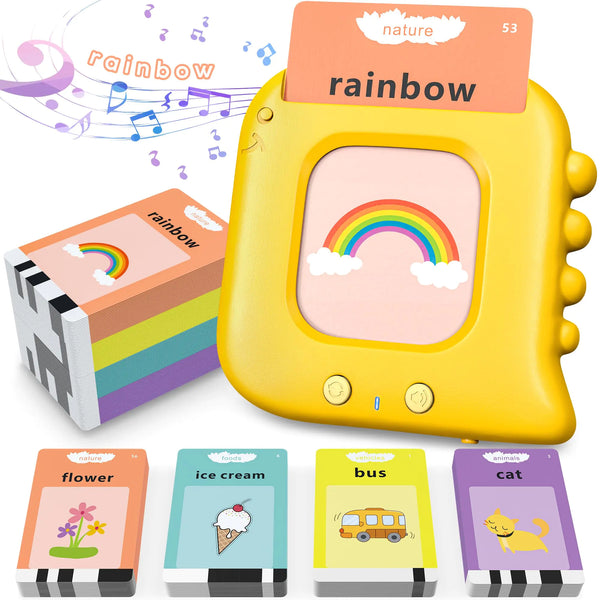
Hands-on alphabet toys allow children to touch the shapes of letters, anchoring phonics in their physical memory. This is the first step toward reading readiness.
2. Interactive Puzzles
Puzzles are excellent for descriptive language. As children search for pieces, they naturally discuss colors, shapes, and "where" things fit.
3. Pretend Play & Storytelling
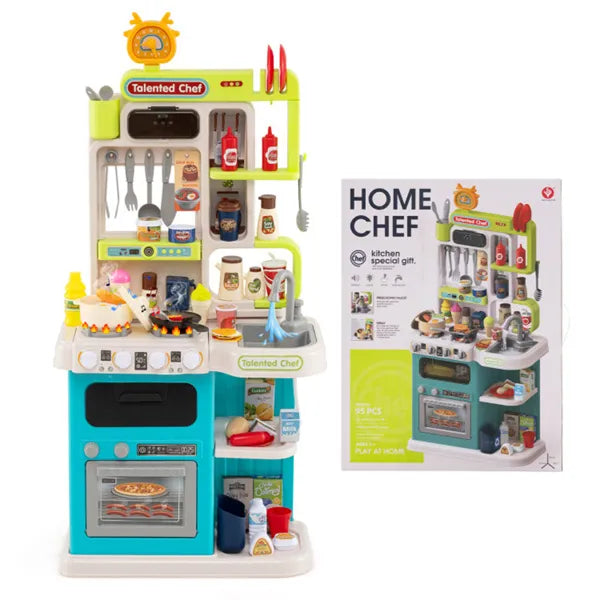
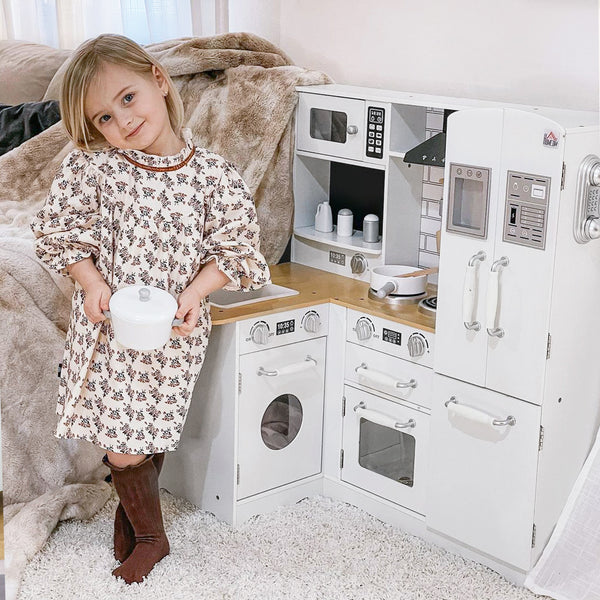
Kitchen sets, dolls, and action figures invite children to invent dialogue and narrate complex scenarios, building essential social-communication skills.
4. Building Sets
Building toys encourage children to explain their architectural choices, expanding their use of spatial and technical vocabulary.
5. Musical Instruments
Musical toys help children recognize rhythms and sounds, which are the foundational auditory building blocks of spoken language.
Quick Guide: Toys for Every Speech Milestone
Toddler Blocks
Best for: Labeling and basic nouns.
Main benefit: Descriptive words (Tall, Red, Big).
Typical age: 18 months - 3 years
Pretend Kits
Best for: Sentence structure & empathy.
Main benefit: Social dialogue practice.
Typical age: 3 - 6 years
Phonics Puzzles
Best for: Letter-sound association.
Main benefit: Early literacy foundations.
Typical age: 4 - 7 years
Final Thoughts: A Future Built on Words
Choosing high-quality language development toys is an investment in your child's ability to navigate the world. By prioritizing interaction over passive entertainment, you give them the greatest gift of all: a confident and articulate voice. Start your journey today and watch your child flourish.
Explore our full range of skill-building tools and find the perfect addition to your home learning environment.
Empower your child to speak up.
Discover educational tools and Montessori kits that help children explore their potential with confidence.
Explore Language ToysFrequently Asked Questions
1. What toys help language development?
Toys that encourage conversation and storytelling, such as pretend play sets, puppets, puzzles, and building blocks, are the most effective.
2. Why are educational toys good for speech development?
They require active participation, prompting children to describe objects, name colors, and narrate their actions.
3. At what age should I start using language development toys?
You can start with simple sensory toys and picture books in infancy, moving to more complex interactive toys around 12-18 months.
4. Do puzzles help with language?
Yes, they encourage children to use descriptive words and spatial terms (like 'over', 'under', or 'next to').
5. Can building toys improve language skills?
Absolutely. Building requires planning and explaining ideas, which significantly expands a child's vocabulary.
6. What are the best toys for toddlers learning to talk?
Alphabet blocks, toy phones, kitchen sets, and realistic animal figures are top choices for early talkers.
7. Are musical toys educational for speech?
Yes, songs and rhymes help children master the rhythm and phonetics of language.
8. How does pretend play support storytelling?
It allows children to rehearse social interactions and organize their thoughts into logical sequences.
9. Are electronic toys less effective for language?
Generally yes, because they often silence the child's own voice and limit back-and-forth social exchange.
10. Can toys help with speech therapy at home?
Yes, toys that encourage imitation and labeling are frequently recommended by speech-language pathologists.
11. Do storytelling toys help with literacy?
Yes, they build the narrative skills needed to understand story plots and reading comprehension later.
12. What toys help children express emotions?
Pretend play toys like dolls or puppets help children act out and name their feelings in a safe environment.
13. Do sensory toys support language development?
Yes, as children explore different textures and sounds, they learn adjectives to describe their experiences.
14. What are open-ended toys?
Toys that have no single "right" way to play (like blocks), which forces the child to use more language to explain their play.
15. How can I use building blocks to teach language?
Describe the colors and shapes, ask your child what they are building, and narrate the construction process.
16. Are Montessori toys good for bilingual children?
Yes, they are excellent because they focus on real-world objects and clear concepts that bridge multiple languages.
17. Why is 'Toy Talk' important?
It increases the quantity and quality of words a child hears, which is the strongest predictor of their future vocabulary.
18. What toys help with listening skills?
Musical instruments and sound-matching games are perfect for training the ears for language processing.
19. Can puzzles improve sentence structure?
Yes, by requiring the child to follow logical sequences, which mirrors how we build sentences.
20. How do dolls help with social communication?
They allow children to practice turn-taking and conversational etiquette during pretend scenarios.
21. Are wooden toys better for language learning?
They are often simpler and quieter, leaving more "auditory space" for the child's own voice and parent interaction.
22. What are the best toys for 4-year-olds?
Complex building sets, advanced pretend play kits, and early board games that require following multi-step rules.
23. Do toys help with early reading?
Yes, toys that teach letter-sound association are the building blocks of phonetic reading.
24. Can puppets encourage shy children to talk?
Absolutely. Children often feel safer talking through a puppet character than speaking as themselves.
25. How do musical toys help with pronunciation?
Songs slow down language and highlight phonetic sounds, making them easier for kids to mimic correctly.
26. What toys improve communication skills in infants?
Soft books, rattles, and mirrors are great for encouraging early vocalizations and facial recognition.
27. Why should I choose high-quality toys?
High-quality educational toys are durable, safe, and specifically designed to support developmental milestones.
28. Can toys help children ask better questions?
Yes, exploration-based toys (like science kits) naturally stimulate curiosity and the desire to seek information.
29. Do educational toys reduce screen dependency?
Yes, by being more engaging and rewarding, they draw the child's attention into real-world discovery.
30. Where can I buy language development toys online?
WonderKidsToy offers a wide range of curated, educator-vetted tools for every development stage.
Earn Commission Promoting Educational Toys
If you are a blogger, parenting influencer, teacher, or homeschool creator, you can earn commission by promoting educational toys from WonderKidsToy.
Our affiliate program allows creators to share Montessori toys, STEM toys, and learning toys for kids while earning income from their content. Joining takes less than a minute.
👉 Apply here: https://wonderkidstoy.com/pages/join-our-affiliate-program