
Easy Returns
24 x 7 Support
2 to 5 Day Delivery
Easy Returns
24 x 7 Support
2 to 5 Day Delivery
Easy Returns
24 x 7 Support
2 to 5 Day Delivery
Easy Returns
24 x 7 Support
2 to 5 Day Delivery
Easy Returns
24 x 7 Support
2 to 5 Day Delivery
Easy Returns
24 x 7 Support
2 to 5 Day Delivery
Easy Returns
24 x 7 Support
2 to 5 Day Delivery
Easy Returns
24 x 7 Support
2 to 5 Day Delivery
Easy Returns
24 x 7 Support
2 to 5 Day Delivery
Easy Returns
24 x 7 Support
2 to 5 Day Delivery
Easy Returns
24 x 7 Support
2 to 5 Day Delivery
Easy Returns
24 x 7 Support
2 to 5 Day Delivery


HOT PRODUCT | LOW STOCK
Dinosaur Montessori Busy Book: 20+ Hands-On Activities for Travel & Learning
Dinosaur Busy Book for Toddlers 2–4 — Fine Motor Skills | 12 Activities

That's absolutely fantastic to hear! My child genuinely adored this toy.
Couldn't load pickup availability
FREE: Get $99 worth Creative Digital Vault
Order now and get instant access to 130+ Digital Learning Books. While your item ships, your child can start learning immediately!
🦕 Dinosaur Montessori Busy Book · 10 Pages · 20+ Activities
The Dinosaur World Your Toddler Can Take Anywhere — That Finally Keeps Her Off Your Phone
10 dino-themed activity pages. 20+ hands-on Montessori activities. A removable T-Rex buddy she'll name and carry everywhere. And zip-secured pages so nothing falls out on the plane, in the car, or at the restaurant. The travel toy that USA moms are calling "the one that actually works."
✅ 30-day guarantee🇺🇸 Ships 2–5 days🔒 Secure checkout

"I've bought at least a dozen travel toys over three years of parenting. This is the first one that genuinely lasted an entire cross-country flight. My son sat quietly for over two hours moving his T-Rex from page to page, naming every dinosaur. My husband looked at me mid-flight and whispered 'where has this been our whole lives.'"— Megan R., mom of 2, Dallas TX · ✔ Verified Purchase
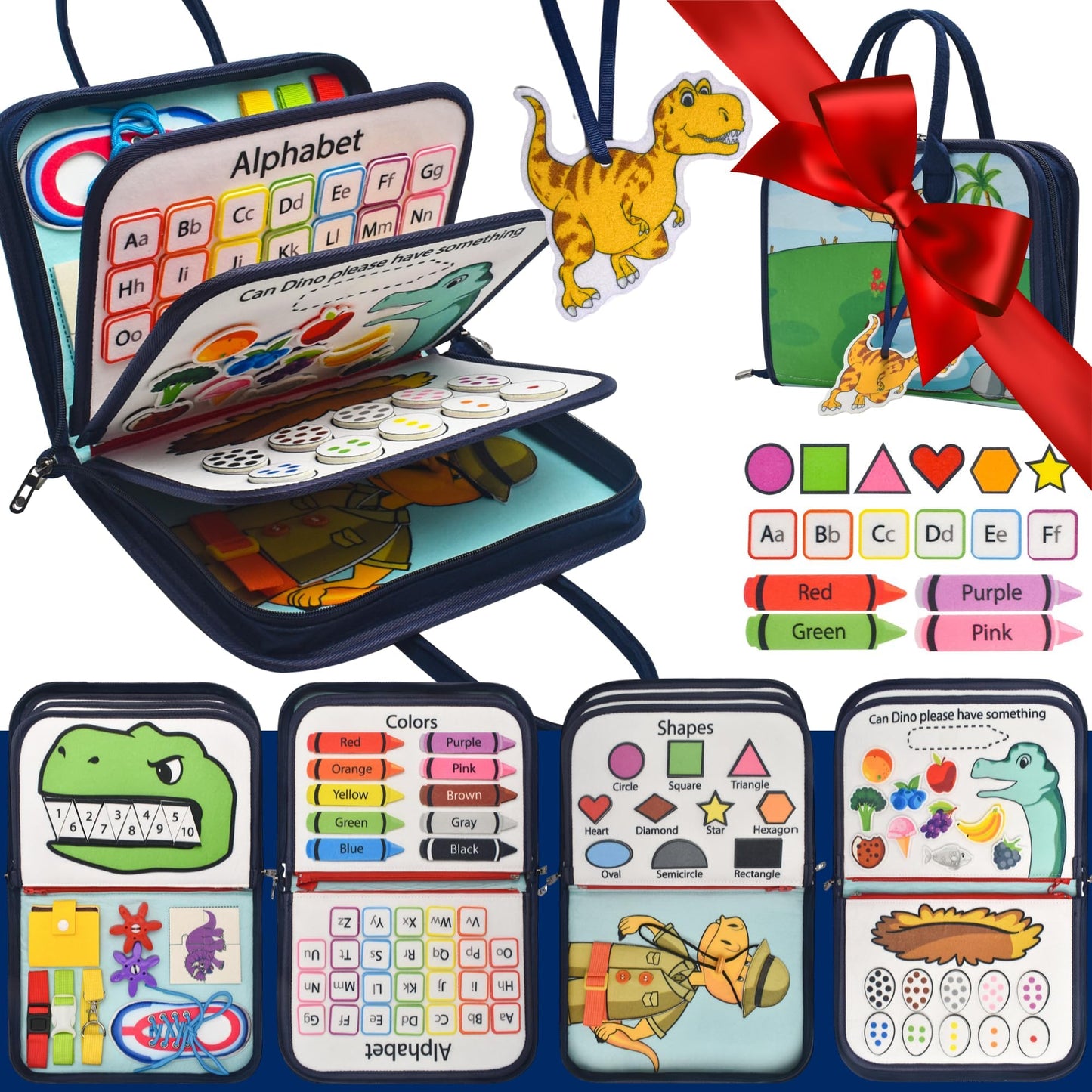
📖 10 Fully Unique Activity Pages
Color matching, counting, lacing, alphabet, shape puzzles, sensory textures, habitat sorting — every page is a completely different world. 10 pages means she never sees the same activity twice in a row.
🦖 Removable T-Rex Buddy
The detachable T-Rex travels from page to page with your child, turning every activity into a story adventure. Kids name him, bond with him, and bring him back to the book time and again.
🤐 Zip-Secured Pages That Stay Put
Every page zips securely into the book. Nothing falls out in your bag, on the plane, or in the car seat. The first busy book actually designed for how real travel works with real toddlers.
✈️ Built for the Whole Journey
Slim enough for a carry-on side pocket, light enough to forget it's there. 20+ activities in the space of one thin book — the travel companion that replaces screens, snack bribes, and back-seat desperation.
Your toddler isn't addicted to your phone. She's addicted to things that respond to her. Give her a world that responds back — without a screen.
Every time your daughter swipes a tablet, her brain gets what it's looking for: something happens because I did something. That's not screen addiction — that's a toddler brain doing exactly what it was designed to do. The Dinosaur Busy Book gives her that same rewarding feedback loop: zip a page and it zips. Move the T-Rex to a new activity and a new challenge appears. Sort the dinosaur eggs by color and it looks right. Real hands. Real outcomes. Real learning. And a child who is calm, proud, and absorbed — instead of glazed over and immediately demanding more.

Why This Busy Book Is Different From Every Other One You've Tried
Most busy books last a week. Here's why this one lasts years.
Most busy books are isolated activities with no thread between them. The T-Rex buddy creates a character your child bonds with — he goes on every adventure, joins every page, and gives the whole book a story that pulls her back in day after day.
Loose pages in a car or on a plane mean lost pieces, meltdowns, and stress. Zip-secured removable pages solve this completely — every page can come out when she wants it, and zip back in when done. Nothing disappears mid-flight.
Single-activity busy toys run out in 20 minutes. With 20+ varied Montessori activities across 10 different themed pages, toddlers cycle through, find new favorites, and return to the book over days, weeks, and months.
Sensory processing, early academic skills (letters, numbers, colors, shapes), and fine motor development all happen at once. Every minute spent with this book builds multiple skills simultaneously — which is exactly what Montessori design does.
A toddler in her dinosaur phase doesn't just like this book — she's obsessed. The theme turns every activity into something personally meaningful. Generic busy books can't replicate the engagement that comes from honoring a child's genuine passion.
The best travel toy is the one that's always with you. This fits in a diaper bag side pocket and weighs almost nothing. You won't leave it at home because it's too bulky — which means it's there exactly when you need it.
"My son named the T-Rex 'Stompy.' He brought Stompy to soccer practice, to grandma's, and to bed. The book is the bonus."
— Jessica T., Portland OR · Verified Buyer"3-hour Southwest flight. Toddler didn't ask for my phone once. The mom next to me photographed the cover before we landed."
— Amanda K., Phoenix AZ · Verified Buyer"My daughter has used the zip pages hundreds of times. The zippers should be worn out. They're absolutely not. Built to last."
— Rachel W., Seattle WA · Verified Buyer"Her preschool teacher said she's ahead on colors AND fine motor. I know exactly which toy is responsible for that."
— Stephanie B., Nashville TN · Verified Buyer😩 Before This Book
- 📱Phone grabbed the second you reach for yours — every single time
- ✈️Flight anxiety starts a week early because you already know what's coming
- 😭Restaurant meltdowns because nothing holds attention past 8 minutes
- 🧸Toy graveyard of $30 things played with twice and abandoned forever
- 😓Screen-time guilt every day because it's genuinely the only thing that works
- 🤦Loose busy-book pieces scattered across the car and never found again
🌟 After This Book
- 🦕She reaches for Stompy the T-Rex before she asks for your phone
- ✈️You actually look forward to the flight — you know she'll be absorbed
- 🍽️Restaurants become manageable again — book out, meltdown avoided
- 💰A toy used daily for months — best per-use cost of anything you've bought
- 😌Screen-time guilt gone — she's sorting, counting, and actually building skills
- 🤐Zip-secured pages mean every piece is exactly where you left it
Inside All 10 Pages — Every Activity Revealed
Every page is a completely different world. Every activity builds a different skill.
Meet the T-Rex Buddy — The Feature Every Mom Says Makes This Book Unforgettable
Every other busy book is a collection of isolated activities. This one has a character. The removable T-Rex travels from page to page, joins every activity, and gives the whole book a story that your child writes herself. Kids name him. They introduce him to grandma. They bring him to bed.

- 🦕 Fully removable — goes wherever your child takes him
- 🦕 Designed to interact with activities across all 10 pages
- 🦕 Creates a consistent character your child bonds with deeply
- 🦕 Turns isolated activities into one connected story adventure
- 🦕 Drives language development through character-based storytelling
- 🦕 The single feature moms mention most in every single review
"My son is in occupational therapy for fine motor delays. His OT watched him work through the lacing and zip pages and said — and I'm quoting exactly — 'that is exactly the kind of purposeful repetitive movement we try to build in our sessions.' She asked me to bring it to his next appointment. That was three months ago. He still uses it every day."— Patricia M., Houston TX · ✔ Verified Purchase · Mom of a 3-year-old in OT
This Is Perfect For You If…
Check everything that sounds like your life right now.
You have a big trip coming up — flight, road trip, train — and need something that genuinely lasts the whole journey without a screen backup plan
Your toddler is in her dinosaur phase and you want to channel that obsession into something educational instead of just more dino cartoons
You need a real quiet-time activity she can do fully independently while you work, cook, or exist for 30 minutes without being needed
You're a gift buyer who wants to give something genuinely unique and immediately captivating — not another stuffed animal or generic puzzle
You've tried busy books that lost pieces and need one with zip-secured pages specifically designed to survive real travel without losing anything
You follow Montessori principles and want self-directed, hands-on activity that builds multiple developmental skills simultaneously
Your child has fine motor delays and you want a home supplement for OT goals — lacing and zipping activities are exactly what therapists recommend
You want kindergarten readiness built into daily play — colors, numbers, letters, shapes, sorting — all in one compact, beautiful book
"I'm a kindergarten teacher. This is on my parent recommendation list now. It covers more readiness skills than most pre-K workbooks I know."
— Karen F., Columbus OH · Kindergarten Teacher · Verified Buyer"Bought three — one for home, one for the car, one as a birthday gift. All three are being destroyed by love."
— Priya S., San Jose CA · Verified Buyer"My twins both want it at the same time every time. That is the highest endorsement I can give any product."
— Diana L., Atlanta GA · Mom of twins · Verified Buyer"My 4-year-old reads dinosaur names off the alphabet page every night. She's teaching herself to read from a book she chose herself."
— Sarah O., Denver CO · Verified BuyerWhat Real USA Moms Are Saying
Verified reviews — no edits, no filters. Real families across America.
"My son is 3 and completely dino-obsessed. He went through our entire 4-hour flight working through every page with his T-Rex. He didn't ask for my phone once. My husband and I made eye contact mid-flight and both quietly started crying from relief."
✈️ Flight Savior"My daughter named the T-Rex 'Terry' within two minutes of opening the box. She moved Terry to every single page for an hour straight. She woke up the next morning asking for Terry before breakfast. I have never seen a toy capture her like this."
🦖 Terry Fan Club"The zip-secured pages are what sold me, and what I'm most grateful for after four trips. Three flights and two road trips later — not a single page has gone missing. That alone is worth every penny of the price."
🤐 Zero Lost Pieces"My son has used this daily for 3 months. Daily. He cycles through the pages and always finds something different. 20+ activities is not marketing language — it genuinely holds attention differently every single time."
📅 3 Months Daily Use"My son is in OT for fine motor delays. His therapist saw the lacing and zip pages and asked us to bring it to sessions. Three months later it's part of his therapy toolkit. A children's book earning a spot in professional OT says everything."
🏥 OT Endorsed"Christmas gift for my 2-year-old nephew. His mom messaged me that same evening — he'd been absorbed in it for 2 hours and she ate a hot meal for the first time in months. I have never felt more like the best aunt in history."
🎁 Best Aunt Award"My daughter used the color matching and counting pages every morning before preschool for six weeks. Her teacher pulled me aside to tell me she was ahead of the class in both. I just smiled. I didn't mention the book."
📈 Ahead of Class"We're a Montessori family and genuinely hard to impress with the label. This passed every test. Self-correcting activities, real-world materials, child-led exploration. The dino theme makes it feel like a gift, not a lesson. Rarely achieved."
🌿 Montessori Approved"This book is now on my annual parent recommendation list. It builds more pre-K readiness skills than most dedicated workbooks — colors, counting, letters, shapes, sorting, fine motor — all in one beautifully designed toy. Remarkable breadth."
🎓 Teacher's Top Pick"My husband bought this skeptically. He now tells everyone about it. His exact words: 'I've never seen a toy hold a toddler like this without being a screen.' From a dad who hates hype, that's the highest possible endorsement."
👨 Dad Converted"My 4-year-old corrected her grandfather on the difference between a Brachiosaurus and a Brontosaurus. From a book she chose to use herself every evening. That's the outcome every parent hopes for and so rarely gets."
🦕 Dino Expert in Training"The quality is genuinely premium. The pages feel sturdy and real. The illustrations are so detailed my son studies the pictures before he even starts the activities. Cheap busy books fall apart in two weeks. This looks new after four months."
💪 Built to Last"I run a home daycare. This is the most-fought-over toy in six years. Five kids, one book, endless negotiations."
— Susan T., Sacramento CA · Home Daycare Owner · Verified Buyer"Brought it to Thanksgiving. Three toddlers took turns for 45 minutes while the adults ate together like actual humans."
— Brittany H., Dallas TX · Verified Buyer"My son used to have epic restaurant tantrums. Past tense. I now look forward to eating out. Didn't think that was possible."
— Monica R., San Diego CA · Verified Buyer"Pediatrician asked what changed at our last visit because our daughter's fine motor skills jumped so much. This book is what changed."
— Jennifer P., Seattle WA · Verified BuyerProduct Details & Specifications
Give Her a Whole Dinosaur World to Explore — Anywhere You Go
3,200+ families across the US have handed this to their toddlers on planes, in restaurants, and at grandma's house — and gotten back the peaceful, learning, engaged child they knew was in there all along. 10 pages. 20+ activities. One T-Rex she'll name and never forget.
🦕 Add to Cart — Start the Adventure
Questions Moms Actually Ask Before Buying
1. My toddler loses interest in toys after 10 minutes. Why is this different?
Two reasons. First, the T-Rex buddy creates a narrative — a character your child moves from page to page — which makes the book feel like a story that's never quite finished. Second, 20+ activities across 10 different pages means there's always something she hasn't done yet, or hasn't done in the way she wants to today. Parents consistently report 30–60+ minute sessions because the variety and the character pull her back in every time.
2. How exactly do the zip-secured pages work?
Each of the 10 pages can be individually removed from the book and replaced. When inside, pages are held with zip closures — they cannot fall out accidentally in a bag, car seat, or airplane tray. Your child deliberately unzips and removes a page to play, then zips it back when done. Every piece stays with the book. This is specifically why so many travel moms call this the first busy book that actually works on real trips.
3. What is the T-Rex buddy and can it be replaced if lost?
The T-Rex buddy is a removable dinosaur character designed to travel from page to page with your child, creating a storyline that ties all 10 pages together. Kids form deep attachments — he gets named, carried around, and put to bed. We recommend keeping him inside the zip-secured book when not actively playing. If lost, contact our customer support team — we're committed to making it right.
4. Is this genuinely good for long flights and car rides?
This is the most common reason moms buy it, and the feedback is overwhelmingly consistent: yes. Slim enough for a carry-on seat pocket, varied enough to span a multi-hour flight, and zip-secured so you're not chasing pieces down an airplane aisle. Multiple moms describe it as the toy that "saved the flight" — including one whose 18-month-old made a 4-hour flight with zero phone requests.
5. What age is really best? My daughter just turned 2.
2 is a wonderful starting age. At this stage your daughter will be drawn to sensory texture pages, color-matching activities, and especially the T-Rex buddy. She'll explore pages on her own terms without needing to "complete" them correctly — exactly how Montessori learning works. By 3, she engages with counting and lacing. By 4–5, alphabet and puzzle pages open up. One book, three or more years of growth.
6. Is this actually Montessori or just labeled that way?
It's genuinely aligned. Activities are self-correcting — your child can tell without your help whether her color sort or habitat match is right. Learning is child-led and self-paced with no prescribed "correct" way. The T-Rex narrative supports the Montessori emphasis on imagination as a learning tool. Several self-identified Montessori parents in our reviews specifically called it out as authentic rather than cosmetically labeled.
7. My son has fine motor delays and sees an OT. Could this help at home?
Multiple moms with children in occupational therapy use this as a home supplement. The lacing activities and zip pages are exactly the kind of purposeful, repetitive fine motor movements OTs target. One reviewer's therapist was so impressed she incorporated the book into their sessions. Always consult your OT directly, but the activities align very well with common fine motor therapy goals for ages 2–5.
8. How is this better for my toddler than a tablet or educational app?
Educational apps require only one physical movement regardless of what's on screen. This book requires lacing, zipping, matching, sorting, placing, and manipulating — each building different neural and physical pathways. The fine motor skills, sensory processing, and sustained attention span that hands-on play develops are actively inhibited by screens. More practically: the book doesn't create screen-dependency habits that grow harder to manage over time.
9. What specific skills does this build?
Fine motor skills through lacing, zipping, and manipulation. Color recognition and sorting through color-matching pages. Early numeracy through counting activities. Early literacy through alphabet pages. Spatial reasoning through shape and puzzle pages. Sensory processing through textured pages. Language development through T-Rex narrative and storytelling play. Sustained attention and independent play skills through variety and character engagement — essentially the full foundational skill set kindergarten teachers look for.
10. How durable is it? My son destroys everything.
Built for toddler-level enthusiasm. Multiple parents have passed this through two children — through dozens of restaurant visits, flights, and daily quiet-time sessions — with pages and zippers intact. The zip-secured format also protects pages from accidental damage during storage and transit. This is not a thin paper activity book — it's constructed to be handled repeatedly by small hands that are not gentle.
11. Is this good for daily quiet time at home too?
Many moms use it primarily as a daily home quiet-time activity. Consistently effective for morning independent play, post-daycare wind-down, and restaurant outings. The 20+ activities provide enough variety for repeated daily sessions without boredom, and the T-Rex narrative gives your child a reason to return to it even after she's been through all 10 pages multiple times.
12. Is this a good birthday or Christmas gift?
One of the most universally appreciated gifts for this age group — it combines the "wow" of an exciting dinosaur theme with practical daily value parents genuinely appreciate. The removable T-Rex buddy creates an immediate emotional response when the box opens. Multiple moms in our reviews mention buying several as gifts after seeing their own child's response.
13. Can two siblings use this together?
Because pages are removable, siblings can each take a page and work independently side by side. An older sibling often takes on a teaching role naturally — showing a younger one how to work through a page — which adds an additional developmental layer. Several parents of toddler-age siblings mention it as one of the few toys that genuinely engages both children at different levels simultaneously.
14. What if my child doesn't connect with it or there's a problem?
30-day satisfaction guarantee. If the book isn't right for your child for any reason, contact us for a full refund or replacement — no forms to fill out, no long waits, no runaround. Our return rate is under 2% in three-plus years of selling this book. But we stand completely behind every order regardless.
15. Why buy this instead of a cheaper busy book?
Two things differentiate this that cheaper options don't have: the T-Rex buddy and zip-secured pages. The T-Rex buddy is the single feature parents mention most — the reason their child formed a deep emotional attachment and keeps returning. The zip-secured pages are why it survives travel without losing pieces. Combined with 20+ activities (most cheaper books have 8–12), the per-use value over months of daily play makes this one of the most cost-effective toys in the toddler category.
To ensure fast delivery, some orders ship through our trusted U.S. fulfillment partners. Since we also sell on Amazon, your package may sometimes arrive in Amazon-branded packaging. Your order was still placed directly through our store, and the product inside is exactly what you ordered.


Includes a FREE $99 Digital Learning Vault with your purchase
Sent Instantly to Your Inbox the Moment You Order
While your toy ships to your door, your child can start learning today. This hand-picked digital library was built specifically for parents who want screen-free, Montessori-inspired resources at home — and normally costs $99 on its own.
📚 Here's exactly what's inside your FREE vault:
"I didn't expect the digital vault to be this good. We used the Kindergarten Prep pack every morning for two weeks while waiting for our toy to arrive. My daughter walked into her first week of school and her teacher pulled me aside to say how prepared she was."
— Verified Mom, Colorado ⭐⭐⭐⭐⭐
Less Screen Time. More "Mom, Look What I Built!"
Educational toys US parents trust for screen-free play that builds focus, creativity, and real skills.
Shop Screen-Free Toys 🧠 Builds Focus
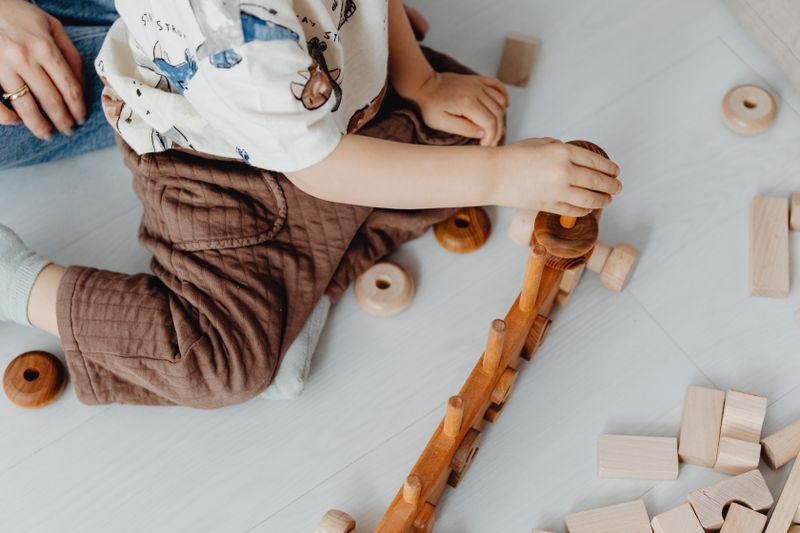 📵 100% Screen-Free
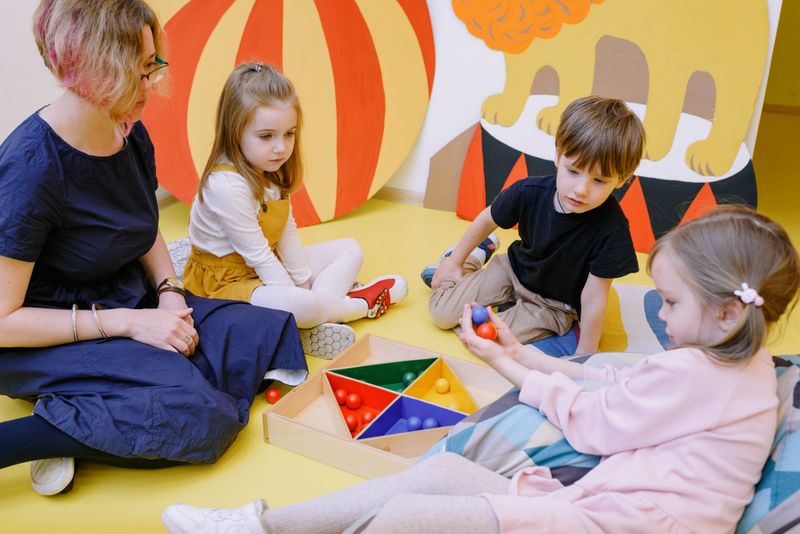 🎨 Sparks Creativity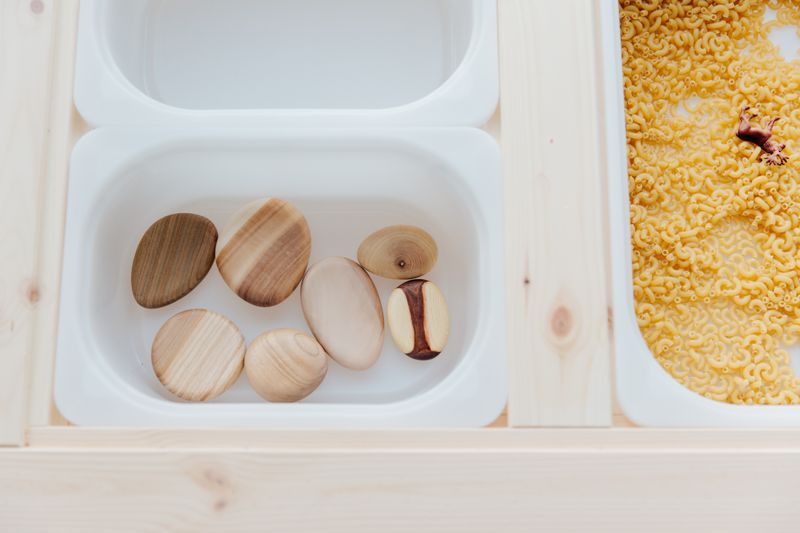
Safe Enough for the Kid Who Puts Everything in Their Mouth 👶
Every toy is non-toxic, BPA-free, and tested to meet or exceed US CPSIA safety standards.
- Non-toxic paints & finishes
- Clear age guidance on every product
Built to Survive Toddlers, Siblings & Gravity 💪
Dropped, thrown, "shared" with a little brother — our toys are made from quality wood and durable materials that last for years.
- Survives rough play (and the stairs)
- Quality you pass down to the next kid
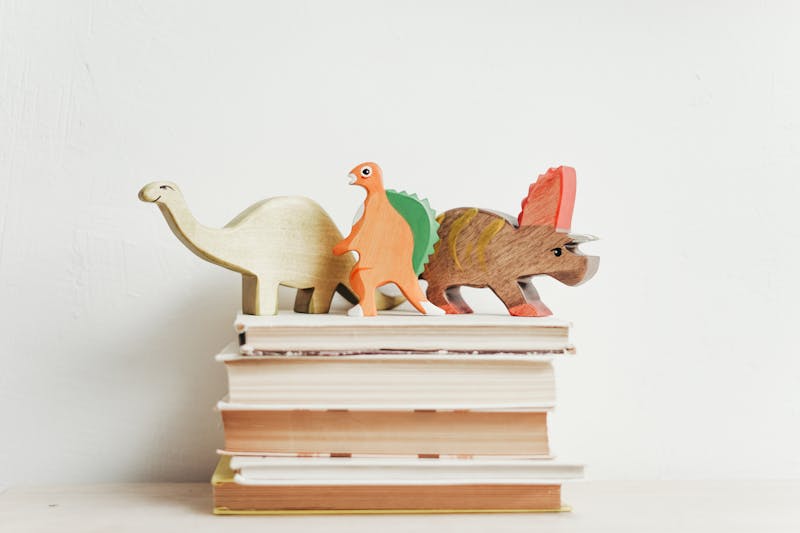
Why Screen-Free Play Matters 🧠
The American Academy of Pediatrics recommends limiting screen time. Hands-on play does what screens can't:
- Focus — longer sustained attention
- Creativity — open-ended play builds imagination
- Motor skills — linked to reading & math readiness
- Calm — tactile play soothes busy little minds

Real Parents, Real Results 🇺🇸
"45 minutes of play while I made dinner. Didn't ask for the tablet once."
— Sarah M., Minnesota"Her daycare teacher noticed the improvement in 2 weeks."
— Jennifer K., California"Still her favorite after 8 months. Got one for her brother too."
— Marcus D., Texas"He has ADHD. Most toys overstimulate him. These are calming. Lifesaver."
— Robert M., Ohio"The robot kit turned my 5-year-old into a little engineer."
— Lisa W., New York"Our kids play together now instead of staring at tablets."
— Nicole B., GeorgiaFind the Perfect Toy by Age 🎯
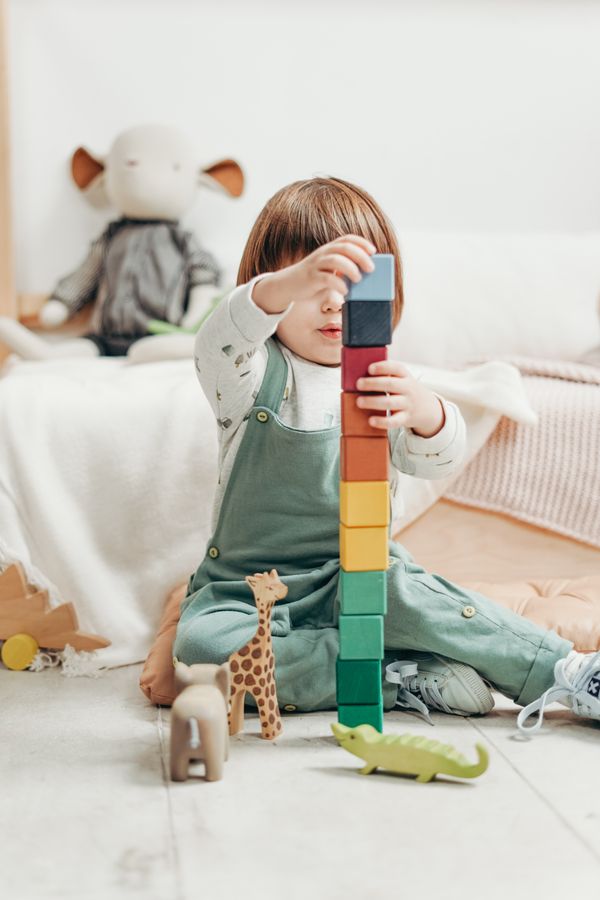
Builds touch, sight & grip
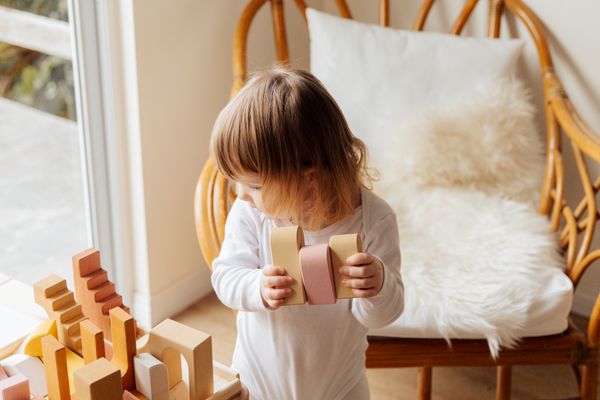
Builds fine motor & problem-solving

Builds logic & science thinking
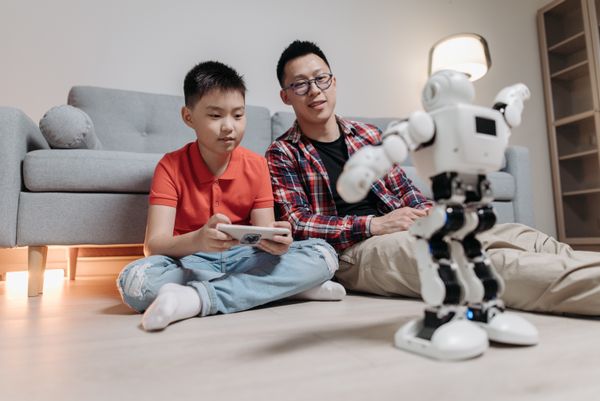
Builds real tech skills & confidence

Good for Your Child. Kinder to the Planet 🌱
Less plastic junk headed for the landfill — eco-friendly materials and toys made to be kept, not tossed.
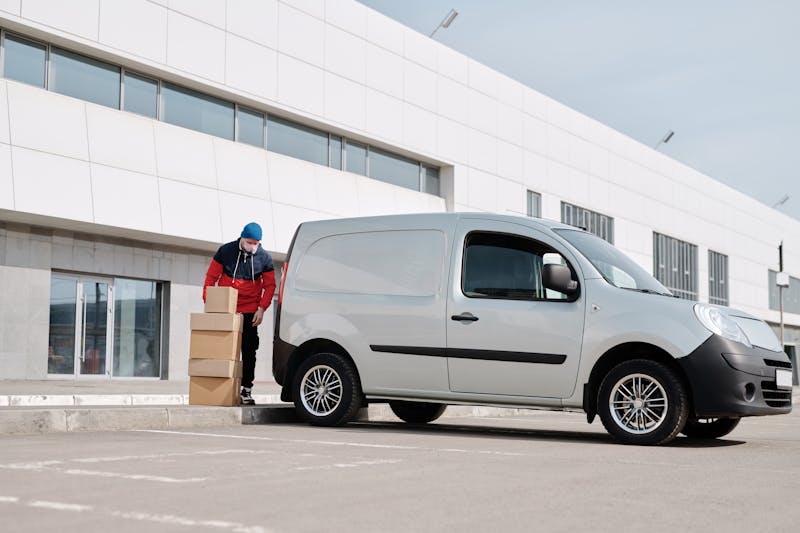
At Your Door in 3–5 Days. Help Available 24/7 🚚
Fast US delivery with tracking — and real humans on live chat & email any hour. Because mom life doesn't run 9 to 5.
- 3–5 business day US delivery
- Questions at 11pm? We're awake.
Quick Answers for Busy Parents
Is this toy safe for my child?
Will it actually keep my kid off screens?
How fast does it arrive?
What if my child doesn't love it?
My kid has ADHD / sensory sensitivities. Will these help?
How do I pick the right toy for my child's age?
Give Your Child 30 Screen-Free Minutes. You'll See the Difference.
Toys that build focus, creativity, and confidence — shipped fast to your door anywhere in the USA.
Shop Educational Toys NowEasy Returns
24 x 7 Support
2 to 5 Day Delivery
Easy Returns
24 x 7 Support
2 to 5 Day Delivery
Easy Returns
24 x 7 Support
2 to 5 Day Delivery
Easy Returns
24 x 7 Support
2 to 5 Day Delivery
Easy Returns
24 x 7 Support
2 to 5 Day Delivery
Easy Returns
24 x 7 Support
2 to 5 Day Delivery
Easy Returns
24 x 7 Support
2 to 5 Day Delivery
Easy Returns
24 x 7 Support
2 to 5 Day Delivery
Easy Returns
24 x 7 Support
2 to 5 Day Delivery
Easy Returns
24 x 7 Support
2 to 5 Day Delivery
Easy Returns
24 x 7 Support
2 to 5 Day Delivery
Easy Returns
24 x 7 Support
2 to 5 Day Delivery