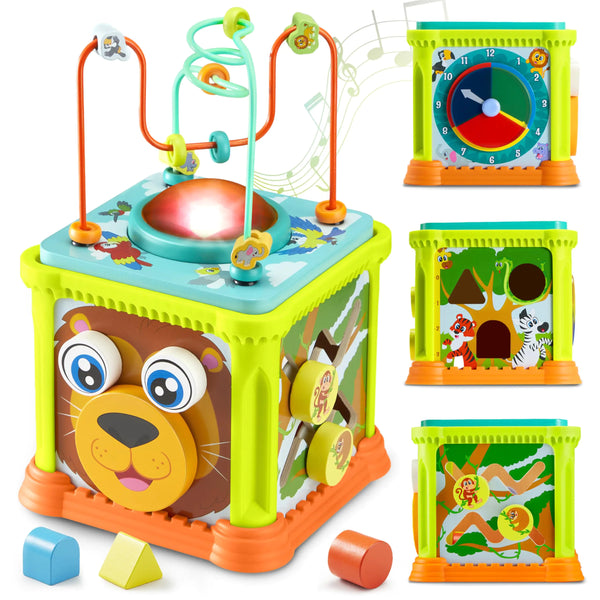

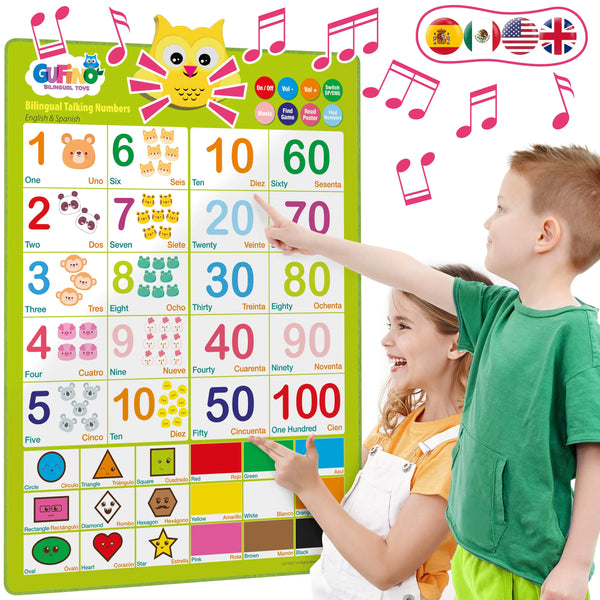
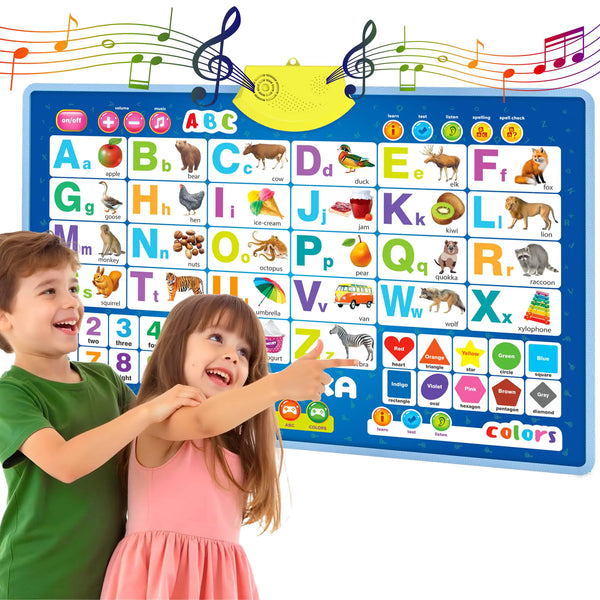

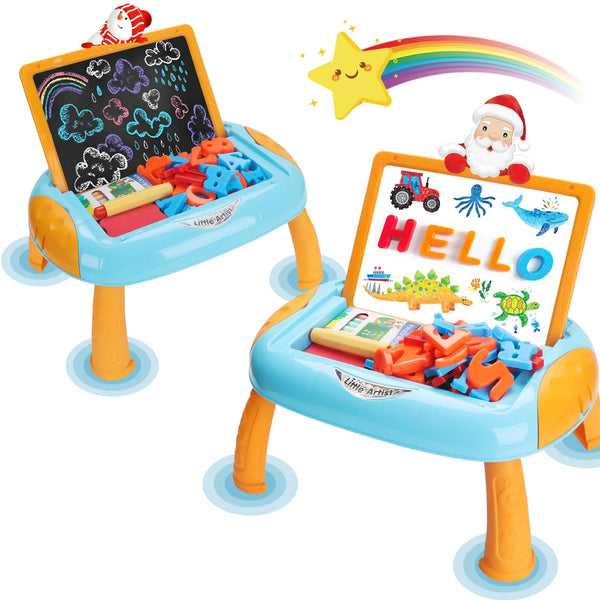
Parents today are surrounded by toys that light up, talk, and sing—but not all of them truly help children learn. Interactive toys stand apart because they require the child to be the leader of the play, not just a spectator.
This guide breaks down how moving beyond passive entertainment to Active Discovery builds the critical thinking and motor skills your child needs. We explore why true interaction turns playtime into a foundational learning experience.
Top Discovery Tools for Hands-On Play
Table of Contents
What Makes a Toy Truly Interactive?
Interactive toys are those that respond directly to a child’s actions. They create a "two-way" relationship. Instead of a child simply watching a character sing, they might solve a sequence to trigger a sound or physically manipulate pieces to build a logic circuit.
The core goal is Active Discovery. By engaging with Montessori-inspired tools, kids use physical materials to understand concepts like cause and effect, gravity, and phonics through immediate results.
Passive Screen Time vs. Real Learning
In many homes, "interactive" is used to describe apps or button-pressing electronic toys. However, if the toy does all the work, the child's brain stays idle. This lack of physical engagement stalls the development of executive function and manual precision. When a child only watches, they miss out on the vital necessity to troubleshoot.
Purposeful interaction provides the "tactile resistance" children need to build neural pathways. This is why parents seek cognitive skill development toys that reward persistence and trial-and-error.
Building Brains: The Benefits of Active Play
- Cognitive Logic: Enhances logical sequencing and pattern recognition.
- Motor Mastery: Improves manual precision and the pincer grip through physical sorting and building.
- Social EQ: Many interactive games build empathy and turn-taking skills.
- Confidence: Mastering a difficult puzzle builds the academic confidence needed for future schooling.
Common Categories for Every Learner
- STEM Activity Kits: Introduce science and math through hands-on experiments. Read more in our guide to choosing science kits.
- Language Discovery: Bridges the gap between hearing a sound and recognizing a physical letter (phonemic awareness).
- Build-and-Explore: Focuses on 3D spatial logic and architectural balance.
Frequently Asked Questions
How do I know if a toy is truly interactive?
Ask yourself: "Does the child have to think or make a decision for the toy to work?" If the answer is yes, it's interactive.
Can physical interactive toys replace screen time?
Yes. High-engagement physical toys provide a similar "discovery hit" as digital media but anchor the child in real-world logic and tactile feedback.
At what age should I start with STEM interactive toys?
Simple cause-and-effect toys can start at 18 months. Complex logic and strategy games become highly effective around ages 5-7.
Final Thoughts: Nurturing a Lifetime of Mastery
Selecting intentional play materials is an investment in your child’s cognitive potential. By choosing tools that encourage rhythm, logic, and physical mastery, you are setting the stage for a lifetime of innovative thinking. Every discovery made today is a building block for a bright future.
Ready to build a better discovery box? Explore our specialized early development collection today and start the journey toward purposeful play.