


Encouraging preschoolers to step away from the screen and engage in outdoor play is essential for their physical and cognitive development. When the backyard transforms into a classroom, magic happens. With the right outdoor educational toys, fresh air and sunshine become the perfect backdrop for building strength, curiosity, and social confidence.
In this guide, we explore the best tools to turn your outdoor space into an enriching experience. These toys align perfectly with our broader collections of educational toys, sensory learning toys, Montessori educational toys, and kids sprinklers and water toys.
From sensory-rich sand tables to gravity-defying trampolines, you’ll discover how to foster fine motor skills, coordination, and imaginative problem-solving. Let's dive into the top choices that make learning outside as fun as it is foundational.
Table of Contents
Standard Indoor Play Often Limits Physical Growth
Many children today spend the bulk of their time in climate-controlled, 2D environments. While indoor learning is valuable, it often lacks the multi-sensory and high-energy input that preschoolers crave. When play is confined to four walls, opportunities for gross motor development—like climbing, balancing, and running—become restricted.
This physical limitation can lead to "restless energy" and a lack of connection with the natural world. Parents often struggle to find ways to make the backyard as engaging as a tablet, leading to more passive screen time and less active exploration.
Why Missing Outdoor Developmental Milestones Matters
Preschoolers are in a critical window for developing proprioception (body awareness) and vestibular sense (balance). If they don't practice navigating uneven terrain or managing their own weight through climbing, they may face challenges with coordination and physical confidence later in life.
Furthermore, the "nature deficit" can impact emotional well-being. Without the sensory variety found in sand, water, and plants, children miss out on the natural stress-relief and creative stimulation that outdoor environments provide. Passive consumption doesn't teach a child how to grow a plant or how a lever (seesaw) works—those are lessons only learned by doing.
The Solution: Turning Your Backyard Into a Developmental Powerhouse
The right outdoor toys act as a bridge between high-energy fun and serious skill-building. By introducing structured physical challenges like climbing sets and sensory environments like sand tables, you provide a "gym for the brain and body." These toys empower children to take safe risks, solve physical puzzles, and engage their imagination on a grander scale.
From the engineering basics of a DIY Splash Pad to the biology lessons of a gardening set, outdoor play makes learning intuitive. It transforms the backyard from a simple lawn into a dynamic space for discovery.
Ready to take the learning outside?
Explore our outdoor collections designed to spark curiosity and active play.
Shop Outdoor Learning NowSensory & Physical Mastery: Sand and Climbing
Foundational outdoor play starts with the senses and the strength of the body.
The Versatile Sand Table
A sand table is a mini-classroom. It promotes sensory development as children feel textures and weights, and fine motor skills through scooping and molding. Pair it with water toys to add a lesson on fluid dynamics and volume.
Wooden Climbing Sets
Climbing sets are essential for developing grip strength and coordination. They offer a sturdy environment for toddlers to explore their physical limits safely, which is a key part of early development.
Active Play: Trampolines, Seesaws, and Beams
Movement-based toys teach children about physics and teamwork in the most fun way possible.
The Physics of Jumping
Preschool trampolines are fantastic for cardiovascular health and gross motor skills. Practicing different jumps is essentially physical puzzle-solving—learning how to control the body in the air.
Balance Beams and Seesaws
A wooden seesaw is a direct lesson in leverage and teamwork. Similarly, balance beams require focus and core strength, building the concentration levels needed for problem-solving tasks.
Quick Comparison: Best Outdoor Educational Toys
Sand Table
Best for: Sensory exploration
Focus: Fine motor, creativity
Typical age: 2 to 5 years
Climbing Set
Best for: Physical mastery
Focus: Gross motor, coordination
Typical age: 18 months to 6 years
Explorer Kit
Best for: Budding scientists
Focus: Biology, observation
Typical age: 3 to 8 years
Gardening Set
Best for: Practical life skills
Focus: Responsibility, nature
Typical age: 3+ years
Exploring the Natural World: Kits and DIY
Connecting children to the environment is the ultimate "real-world" lesson.
Outdoor Explorer Kits
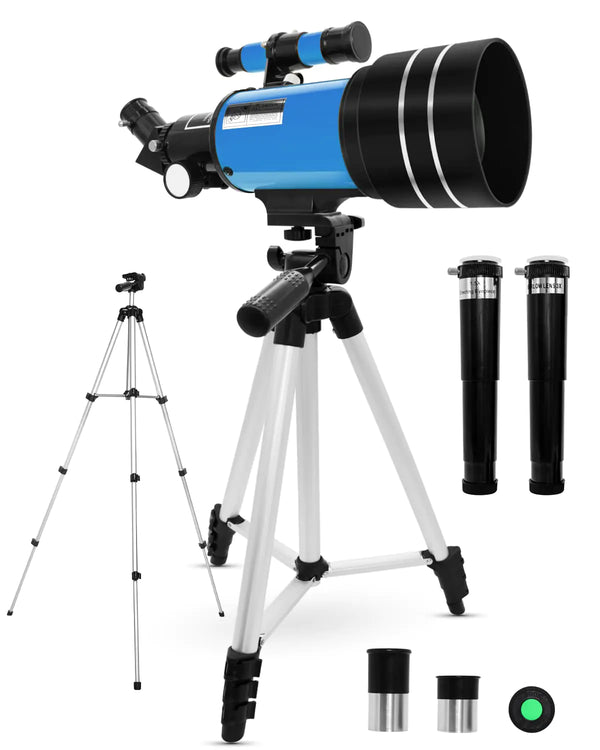
These kits allow children to discover the outdoors with scientific rigor. Using magnifying glasses and bug containers fosters a love for biology and observation.
Kids Gardening Sets
Gardening teaches patience and responsibility. When children grow their own veggies or flowers, they gain a deep understanding of life cycles—a core concept in science and nature toys.

Observation tools spark curiosity and encourage children to look closer at the world around them.
How to Choose the Right Outdoor Gear
Prioritize Versatility
Look for toys that can be used in multiple ways. A playhouse can be a home, a store, or a secret base, encouraging dramatic play and pretend. Sturdy wooden structures are often more durable and offer a better tactile experience than plastic.
Safety and Supervision
Ensure all toys are placed on flat, soft surfaces. While outdoor play is about independence, adult supervision is essential for safety, especially with climbing and water gear.
Frequently Asked Questions About Outdoor Toys
1. What are outdoor educational toys for preschoolers?
They are playthings designed for outdoor use that foster physical, cognitive, and sensory development in children aged 3-5.
2. Are these toys safe for all-day outdoor exposure?
Most are made with weather-resistant wood or plastic, but it's best to store them in a shed during extreme conditions.
3. How does a sand table benefit my child?
It provides tactile sensory input and builds fine motor skills through pouring, scooping, and molding.
4. What age can kids start using a climbing set?
With supervision, many toddlers can begin using simple wooden climbing sets as early as 18-24 months.
5. Are trampolines safe for preschoolers?
Yes, if they are designed for preschoolers (with safety nets and handlebars) and used under adult supervision.
6. What is a vestibular sense?
It is our sense of balance and spatial orientation, which is heavily developed through swinging, jumping, and balancing.
7. Can I use outdoor toys indoors?
Some, like balance beams and small play tents, can be used indoors if you have sufficient space and soft flooring.
8. What skills does gardening teach?
It teaches patience, life cycles, biological responsibility, and fine motor coordination.
9. How do I clean outdoor wooden toys?
Wipe them down with a damp cloth and mild soap; ensure they dry completely to prevent rot.
10. Are bubble machines educational?
They encourage visual tracking, gross motor skills (chasing), and social interaction among groups of children.
11. What are nature blocks?
They are blocks made from natural materials like branches and stones, fostering a connection with the environment.
12. Why choose wooden over plastic?
Wood is more durable, eco-friendly, and provides a better weight and texture for sensory learning.
13. Do outdoor toys help with social skills?
Yes! Shared activities like seesaws or sand tables require cooperation, negotiation, and sharing tools.
14. What is an explorer kit?
It's a set of tools (magnifiers, nets, jars) that encourages children to observe insects and plants closely.
15. How do outdoor toys reduce screen time?
By providing a high-engagement, physical alternative that is more stimulating than passive content.
16. Are splash pads educational?
Yes, they teach basic engineering concepts (water flow) and offer massive sensory input.
17. What is a playhouse good for?
It provides a private space for imaginative roleplay, building storytelling and social skills.
18. Do outdoor toys help with ADHD?
Yes, active outdoor play allows for the "heavy work" and sensory input that helps many children with focus issues.
19. Are outdoor toys worth the investment?
Absolutely; they often last for years and support multiple developmental stages as a child grows.
20. How do I maintain a sand table?
Keep it covered when not in use to keep out rain and animals; replace the sand annually.
21. What are the best materials for a splash pad?
A heavy-duty tarp and pool noodles are great for a safe, low-cost DIY version.
22. Does outdoor play help with school readiness?
Yes, by improving focus, coordination, and the ability to work in groups.
23. What is a nature scavenger hunt?
It's a game where kids find specific items in nature, fostering observation and categorization skills.
24. How high should a balance beam be for preschoolers?
It should be close to the ground (2-4 inches) to ensure safety while still providing a challenge.
25. Can I leave plastic toys in the sun?
Prolonged sun exposure can make plastic brittle and fade colors; try to keep them in the shade when possible.
26. What are the cognitive benefits of seesaws?
They teach cause-and-effect and simple physics (balance and weight distribution).
27. Is gardening too messy for preschoolers?
Mess is part of the learning! Use child-sized gloves and clothes you don't mind getting dirty.
28. How long should outdoor play last?
At least 60 minutes of active outdoor play per day is recommended for healthy development.
29. Do I need a big yard for these toys?
No; even a small patio can accommodate a sand table, garden pots, or an explorer kit.
30. Where can I find quality outdoor educational toys?
WonderKidsToy offers a high-quality selection of vetted outdoor and educational play gear.
Final Thoughts: Investing in Fresh Air and Future Skills
Outdoor educational toys are more than just backyard distractions; they are an investment in your child's physical resilience and cognitive brilliance. By giving them the tools to explore, climb, and create outside, you are building a foundation of coordination and curiosity that will last a lifetime. Start their outdoor adventure today and watch their world expand far beyond four walls.