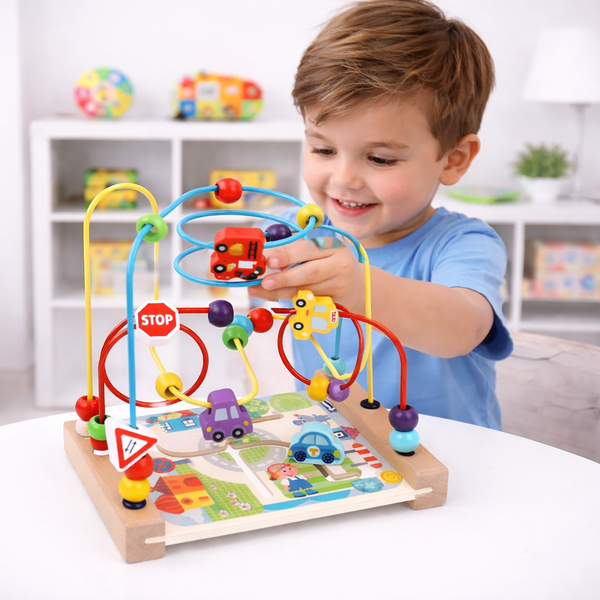

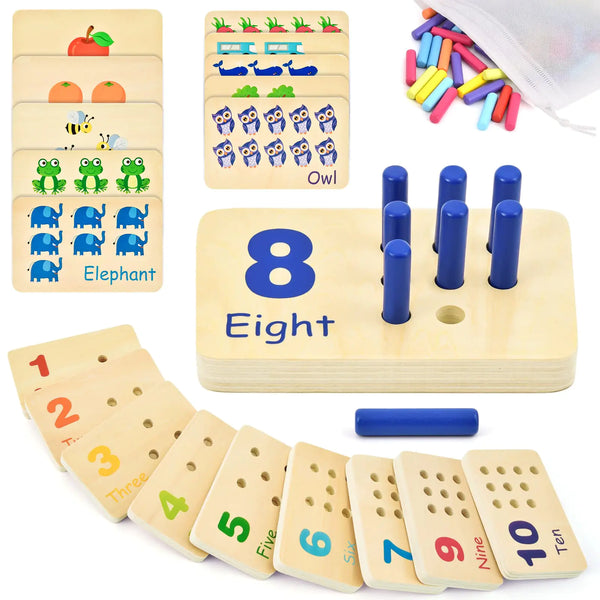
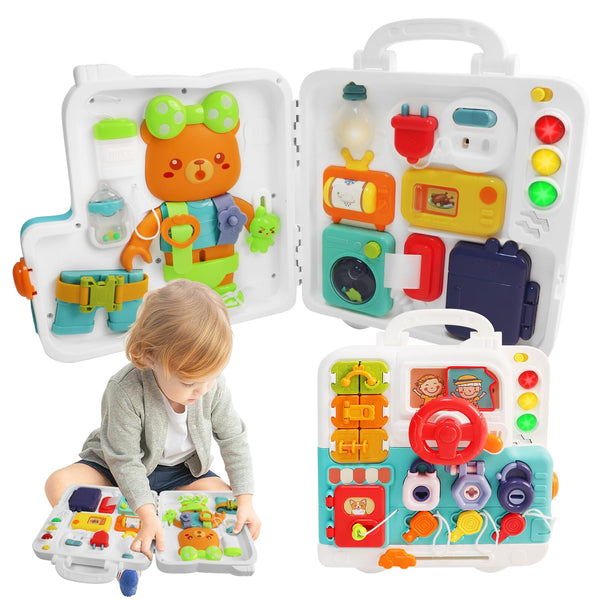
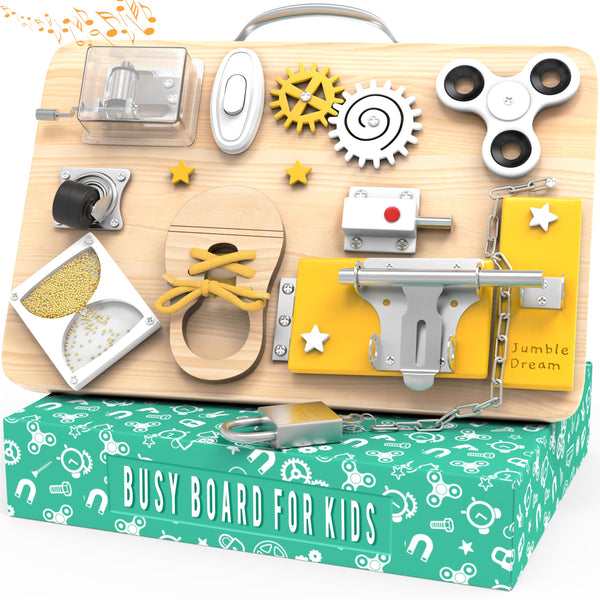
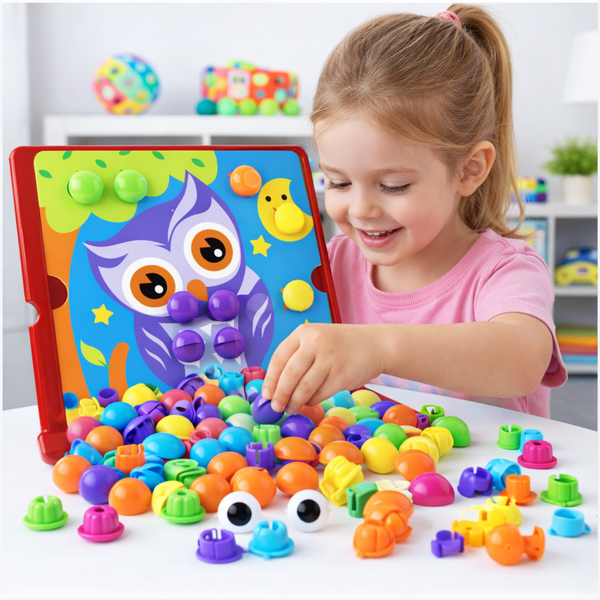
Helping toddlers build early math skills does not need to feel formal or difficult. In fact, some of the best early learning happens through play. That is why counting toys for toddlers are such a smart choice for parents who want to make learning feel natural, hands-on, and fun from the very beginning.
The right counting toys can help children understand numbers, quantity, sorting, matching, patterns, and simple problem-solving long before formal math lessons begin. They also support fine motor development, concentration, and confidence, which makes them useful far beyond number practice alone.
In this guide, I am sharing the top 5 counting toys for toddlers that can support early numeracy in an enjoyable way. I will also explain why counting toys matter so much, what to look for when choosing one, and how to build a stronger learning environment using collections like mathematics & counting toys, educational toys, problem-solving play sets, Montessori educational toys, and educational toys for 3 year olds.
Table of Contents
Toddlers Need More Than Entertainment During Playtime
Toddlers are naturally curious about patterns, sizes, shapes, and amounts, even before they can count clearly out loud. The problem is that many toys keep children busy without really helping them build those early thinking skills. Parents often want toys that feel worth buying, not just because they are fun, but because they support real learning too.
That is where counting toys make such a difference. They help children explore basic math ideas in a way that feels playful and natural instead of formal or pressured.
Without Hands-On Math Play, Children Miss Valuable Early Learning Moments
Early math is not just about memorizing numbers. It starts with comparing, sorting, grouping, matching, recognizing patterns, and understanding that quantities can change. When toys do not encourage this kind of interaction, toddlers miss valuable opportunities to build confidence with math concepts from a very young age.
Counting toys solve this problem beautifully because they invite children to touch, move, count, match, sort, and repeat. That active participation is what makes learning stick.
Counting Toys Make Early Math Feel Fun, Simple, and Natural
The best counting toys for toddlers make numbers feel less abstract and more real. Instead of only hearing number words, children can see and touch objects as they count. That makes early math much easier to understand.
These toys can also support color recognition, fine motor skills, problem-solving, sorting, and early reasoning. That is why they fit so well with mathematics & counting toys and other strong early learning categories.
Looking for toys that build strong learning foundations?
Explore counting toys and early learning tools that help toddlers build number confidence through hands-on play.
Shop Counting ToysWhy Counting Toys Are So Valuable for Toddlers
Number Recognition
Toddlers begin noticing and naming numbers through repeated exposure and play.
One-to-One Counting
Children start understanding that each object counted represents one more item.
Fine Motor Skills
Picking up, sorting, moving, and matching pieces helps strengthen hand control.
Sorting and Matching
Many counting toys help children group by color, shape, number, or size.
Problem-Solving
Toddlers begin comparing, organizing, and figuring out patterns through active play.
Confidence
Small successes in counting and matching help children feel capable and eager to learn more.
When combined with educational toys and problem-solving play sets, counting toys can become part of a much stronger early learning routine.
Top 5 Counting Toys for Toddlers
1. Wooden Beads Abacus
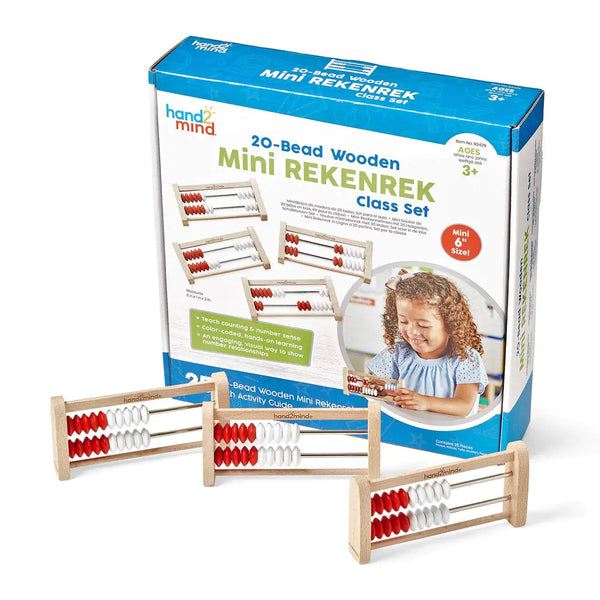
A wooden abacus is one of the best classic counting toys for toddlers. Sliding beads across the frame helps children connect number words with physical movement, which makes counting feel real and interactive. It also supports fine motor skills and color recognition.
2. Learning Resources Smart Counting Cookies
These number-themed cookies make counting playful and easy to understand. They support number recognition, one-to-one counting, and tactile learning, all while feeling like a game instead of a lesson.
3. Joyin Counting Sorting Bears Toy Set
Sorting bears are fantastic because they teach much more than counting alone. Toddlers can sort by color, group by number, compare quantities, and build early logic skills while improving fine motor control at the same time.
4. Osmo Math Wizard and the Magical Workshop
This option is better suited to older children than toddlers, but it still deserves mention because it turns math into a highly interactive experience. It supports counting, comparing, mental math, and early place value through hands-on digital play.
5. Fisher-Price Linkimals Counting Koala
This playful toy introduces numbers, shapes, and counting through songs, interaction, and button-based exploration. It can be especially appealing for toddlers who respond well to sound and movement.
Best Counting Toys for Toddlers: Quick Comparison Cards
These mobile-friendly cards can help parents quickly compare different counting toy styles based on learning goals and play style.
Wooden Beads Abacus
Best for: Classic hands-on counting
Main benefits: Counting, color recognition, fine motor skills
Why it stands out: Simple, durable, and easy to use
Counting Cookies
Best for: Number recognition through playful matching
Main benefits: Counting, number familiarity, tactile learning
Why it stands out: Feels more like a game than a math lesson
Sorting Bears
Best for: Counting and sorting together
Main benefits: Counting, sorting, color recognition, fine motor skills
Why it stands out: Covers multiple learning goals at once
Osmo Math Wizard
Best for: Older kids ready for more interactive math
Main benefits: Counting, comparison, mental math
Why it stands out: Blends hands-on play with interactive technology
Linkimals Counting Koala
Best for: Toddlers who enjoy sound and interactive learning
Main benefits: Numbers, shapes, listening, engagement
Why it stands out: Friendly, affordable, and very interactive
How to Choose the Right Counting Toy for Your Toddler
Choose Hands-On Over Passive
The best counting toys require children to move, sort, touch, or count objects themselves. Active participation builds stronger learning than passive listening alone.
Look for Multiple Learning Benefits
A great counting toy often supports more than just numbers. Sorting, matching, color recognition, and fine motor practice make the toy more useful over time.
Keep It Age-Appropriate
Toddlers need toys that are simple enough to understand but engaging enough to return to again and again. A toy that is too advanced can create frustration.
Think About Durability
Toddlers use toys enthusiastically, so sturdy materials matter. Durable toys make early learning easier and more consistent.
How to Use Counting Toys More Effectively at Home
Count Out Loud Together
As your child moves beads, sorts bears, or matches cookies, say the numbers out loud together. Repetition helps number words feel familiar.
Sort by More Than Number
Use the same toy to sort by color, size, or shape. This helps build deeper reasoning and makes the toy more versatile.
Keep Sessions Short and Playful
Toddlers learn best in short, fun sessions. You do not need long activities to build strong early math habits.
Follow Your Child’s Interest
If your toddler loves moving beads more than matching cookies, follow that interest. Joyful engagement always leads to better learning.
Final Thoughts
The best counting toys for toddlers do much more than teach numbers. They help children sort, compare, match, problem-solve, and build confidence with early math in a natural and playful way. That makes them one of the smartest toy categories for early learning.
Whether you choose an abacus, counting cookies, sorting bears, or another hands-on math toy, the most important thing is to make learning feel active and enjoyable. When toddlers can touch, move, and explore numbers through play, they build stronger foundations for future learning.
Ready to make early math more playful?
Discover counting toys, sorting sets, and early learning tools that help toddlers build confidence with numbers through hands-on fun.
Explore Counting Toys for ToddlersFrequently Asked Questions About Counting Toys for Toddlers
1. What are counting toys for toddlers?
Counting toys for toddlers are toys designed to help young children explore numbers, quantity, sorting, and early math concepts through hands-on play.
2. Why are counting toys important for toddlers?
They help children build early number confidence, counting awareness, sorting skills, and fine motor development in a playful way.
3. At what age can toddlers start using counting toys?
Many toddlers can begin using simple counting toys around ages 1 to 3, depending on the toy design and their developmental stage.
4. Do counting toys really help early math skills?
Yes, counting toys can help children understand number recognition, one-to-one counting, sorting, and early comparison skills.
5. What is the best counting toy for toddlers?
The best counting toy depends on the child, but abacuses, counting cookies, and sorting bear sets are all strong options.
6. Are abacuses good for toddlers?
Yes, simple wooden abacuses are excellent for toddlers because they make counting physical, visual, and interactive.
7. What do counting cookies teach?
Counting cookies help teach number recognition, counting, and tactile learning through playful matching activities.
8. Are sorting bears good for early math?
Yes, sorting bears are great for early math because they support counting, sorting, grouping, and color recognition.
9. Do counting toys help fine motor skills?
Yes, many counting toys improve fine motor skills because children pick up, move, sort, and place small objects.
10. Can counting toys teach sorting skills too?
Yes, many counting toys also teach sorting by number, color, shape, or size, which supports stronger early thinking skills.
11. Are counting toys Montessori-friendly?
Many counting toys fit Montessori learning well, especially when they are simple, hands-on, and encourage self-directed exploration.
12. What counting toys are best for 2 year olds?
For many 2 year olds, simple abacuses, sorting bears, and beginner counting sets are strong choices.
13. What counting toys are best for 3 year olds?
Three-year-olds often enjoy counting cookies, sorting sets, abacuses, and other toys with slightly more matching and problem-solving challenges.
14. Are interactive math toys good for toddlers?
Some interactive math toys can be helpful, especially when they still encourage active participation instead of passive button pressing alone.
15. What skills do counting toys build besides math?
Counting toys can also build fine motor skills, concentration, sorting ability, memory, and confidence.
16. Can counting toys reduce screen time?
Yes, counting toys offer a hands-on and engaging alternative to passive screen-based entertainment.
17. Are counting toys good gifts for toddlers?
Yes, counting toys are excellent gifts because they combine fun, replay value, and educational benefit.
18. How often should toddlers use counting toys?
Short, regular play sessions throughout the week can help toddlers build familiarity and confidence with early math concepts.
19. Are wooden counting toys better than plastic ones?
Many parents prefer wooden counting toys because they are durable, tactile, and often feel more calm and purposeful.
20. Can counting toys help with school readiness?
Yes, counting toys can support school readiness by building early number awareness, problem-solving, and concentration skills.
21. What should I look for in a good counting toy?
Look for age-appropriate design, hands-on interaction, durability, and multiple learning benefits like sorting or matching.
22. Do counting toys help with color recognition?
Yes, many counting toys use bright colored pieces that also help children learn and sort by color.
23. Can toddlers learn addition with counting toys?
Some counting toys can introduce the idea of adding and taking away, though most toddler-focused toys begin with basic counting and grouping.
24. Are counting toys good for independent play?
Yes, many counting toys support independent play when they are simple enough for children to explore on their own.
25. Can I use counting toys for homeschooling?
Yes, counting toys are often very useful in homeschooling because they make early math more visual and hands-on.
26. Are counting toys useful in preschool settings?
Yes, they work very well in preschool and daycare settings because they support both solo play and guided group learning.
27. How can I make counting toys more interesting?
You can count out loud together, sort by color, create small matching games, and rotate toys to keep them feeling fresh.
28. What collections pair well with counting toys?
Counting toys pair well with educational toys, Montessori toys, and problem-solving play sets.
29. Are counting toys worth buying?
Yes, they are often worth buying because they support both math readiness and broader developmental skills through repeated play.
30. Where can I find counting toys for toddlers?
You can explore mathematics and counting toys, educational toys, and early learning collections at WonderKidsToy to find age-appropriate options.