

Raising Innovators: The Ultimate Guide to the Best Toys for Promoting Creativity and Problem-Solving
In a rapidly changing world, creativity is no longer a "nice-to-have" skill—it is a fundamental necessity. Parents today are looking for toys that go beyond simple distraction, seeking tools that empower children to think, build, and solve challenges independently. The best toys for promoting creativity transform passive playtime into a laboratory for discovery.
Explore our curated Educational Toys Collection and STEM Essentials to discover how hands-on play builds the cognitive resilience your child needs for the future.
The "Passive Entertainment" Trap
Many toys are designed to grab attention through flashy lights and automated sounds. While these offer immediate excitement, they often leave the child as a spectator rather than a creator. When a toy does all the "thinking," the child’s brain goes on autopilot. Real growth requires resistance, trial, and error.
Choosing the right tools means shifting from toys that entertain to toys that engage—encouraging children to ask "What happens if I try this?"
The Active Discovery Framework
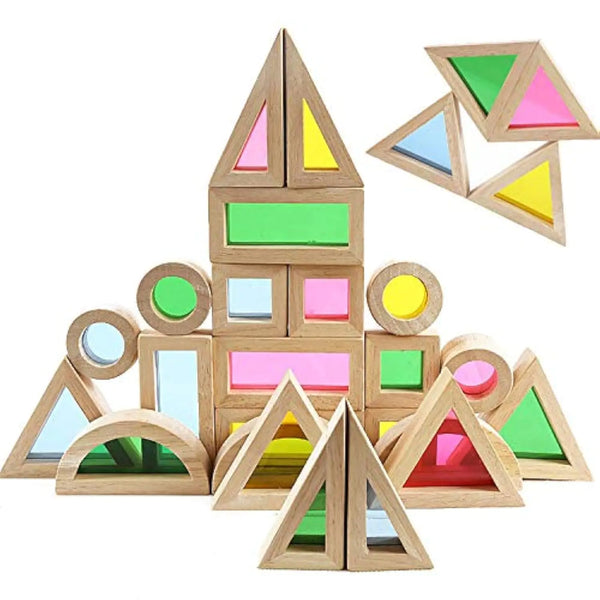
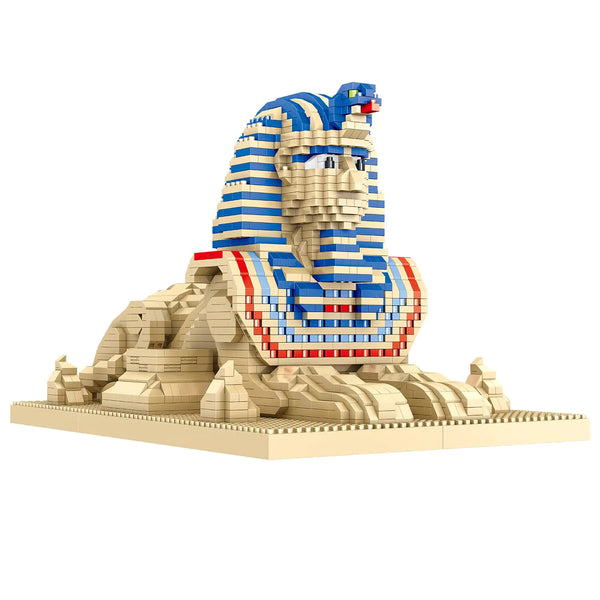
The solution lies in open-ended, hands-on play. Whether it’s designing an architectural marvel with Building & Construction Toys or mastering logic with Problem-Solving Sets, these tools demand participation.
Ready to spark a breakthrough?
Stop entertaining and start empowering. Discover hands-on toys that turn everyday play into extraordinary learning.
Shop Educational Toys NowQuick Selection Guide: Toys for Every Goal
Creativity & Spatial Logic
Magnetic Building Tiles
Ideal for open-ended construction. Helps kids explore geometry, balance, and 3D design while building confidence in their own blueprints.
Problem-Solving & Analysis
Engineering & Robotics
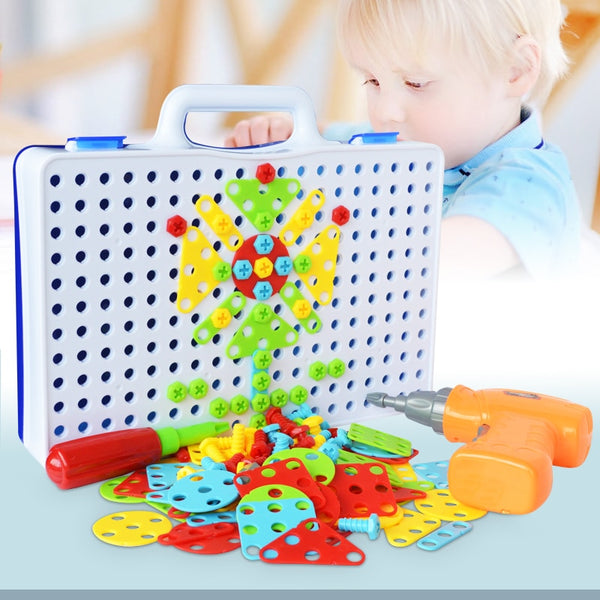
Excellent for experimentation. Introduces mechanics, circuits, and coding logic through active building and "debugging" play.
Focus & Persistence
Logic Puzzles & Games
Develops deep concentration and memory. Challenges children to work through sequences until they find the satisfying solution.
The Right Challenge at the Right Age
Creativity evolves as children grow. Matching the toy to their developmental stage ensures they remain engaged without feeling overwhelmed:
- Ages 3-5: Focus on sensory building and basic shapes. Look for toys for 3-year-olds that emphasize fine motor skills and simple cause-and-effect.
- Ages 6-10: Introduce structured STEM play. This is the prime time for coding toys and more complex engineering challenges.
- Ages 11+: Offer advanced projects. Electronics kits, physics experiments, and world-exploration sets help older kids apply their creativity to real-world concepts.
Frequently Asked Questions
What makes a toy "open-ended"?
An open-ended toy is one with no single "right" way to play. Think of building blocks versus a digital game with levels. Open-ended toys can be a castle one day and a spaceship the next, allowing the child's imagination to lead.
Do STEM toys actually improve problem-solving skills?
Yes. STEM toys require children to follow logical sequences, identify why a structure isn't working (debugging), and adjust their strategy—the exact process used by engineers and scientists.
How can I encourage independent play at home?
Create a "prepared environment" by keeping a small selection of high-quality toys at your child's eye level. Resist the urge to jump in and solve the problem for them; let them experience the "productive struggle."
Invest in Their Most Valuable Skill
Every discovery starts with a single piece. Give your child the tools to think, build, and solve with confidence. Explore WonderKidsToy today.
Explore All Educational Toys