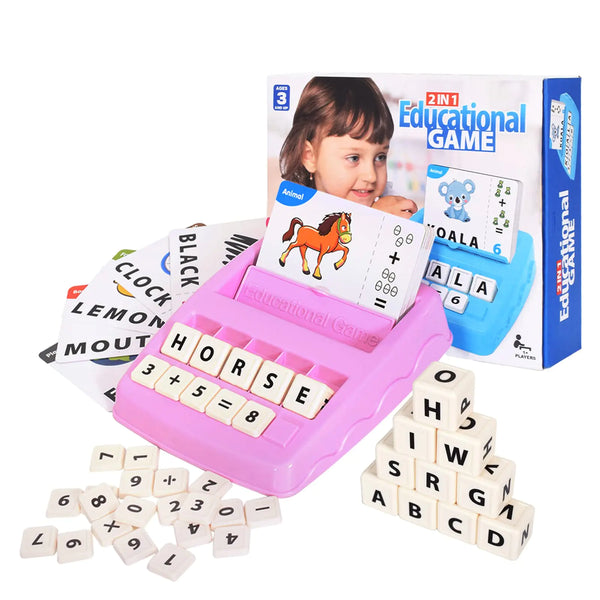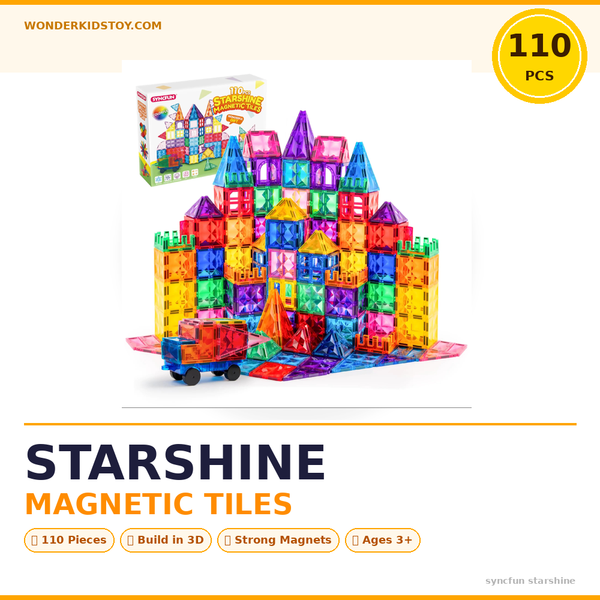

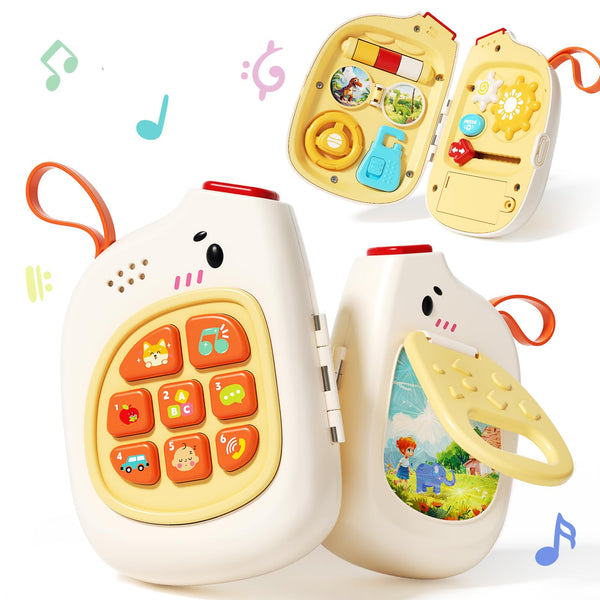
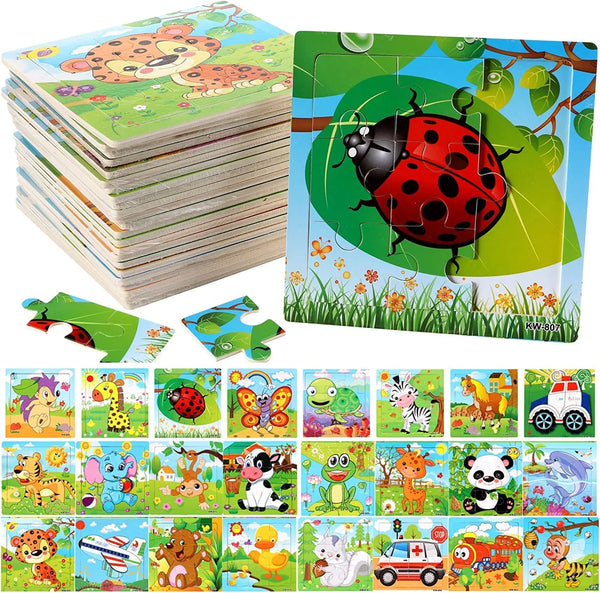
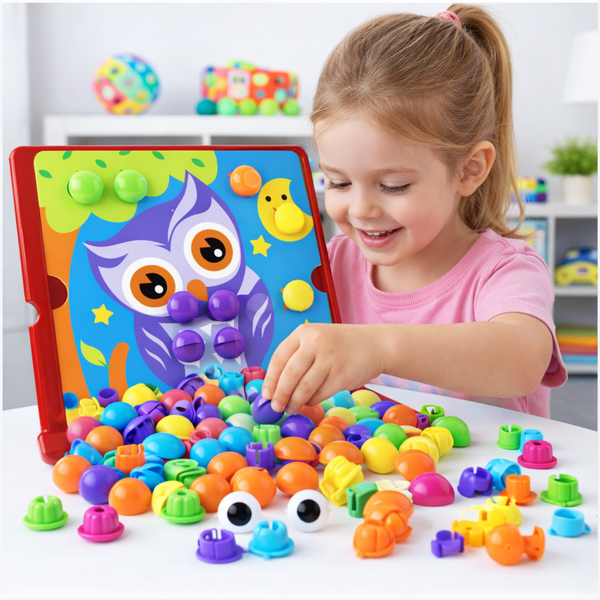

When it comes to choosing the perfect gift for children, toys are usually the first idea that comes to mind. But not all toys are created equal. High-quality educational toys have become increasingly popular because they blend entertainment with Active Discovery.
In this guide, we’ll explore the top categories of learning gifts that inspire curiosity and build confidence. By moving beyond passive entertainment to intentional play, you provide your child with the technical and emotional foundation they need to thrive.
Featured Tools for Innovation
Table of Contents
Flashy Distraction vs. Hands-On Logic
In many households, "play" has been replaced by passive digital consumption. While colorful apps are entertaining, they often require zero physical troubleshooting or critical thinking. This lack of engagement stalls the development of executive function and spatial reasoning. When a toy does all the work, the brain stays idle.
Educational toys solve this by requiring the child to lead the action. Without physical resistance—like fitting a puzzle piece or building a circuit—children miss out on forming vital neural pathways. This is why parents seek expert insights on choosing toys that ground learning in the physical world.
Why Tactile Feedback Builds Brains
Early childhood is a critical window for sensory brain mapping. By using tools like STEM toys, children practice logical sequencing and manual precision. They aren't just playing; they are troubleshooting structural integrity and cause-and-effect. Research on cognitive skill development proves that children need this "physical resistance" to build the grit required for future academic life.
Top Educational Gift Categories
Effective learning toys align with a child's natural pace of Active Discovery:
- Musical Instruments: Improve rhythm, auditory discrimination, and math-pattern recognition.
- Robotics Kits: Introduce computational thinking and engineering through hands-on coding challenges.
- Science Toys: Foster visual discrimination and inquiry by turning the bedroom into a lab. See our science experiments collection for more.
- Building Blocks: The ultimate trainers for 3D spatial logic and structural integrity.
Ready to Move From Passive to Active Learning?
Discover expert-vetted toys that turn your child into an innovator rather than a consumer.
Shop All Educational GiftsExpert Guide to Choosing the Right Gift
- Match the Milestone: Ensure the toy provides enough physical resistance to challenge their current stage without causing frustration.
- Follow Interest: A toy that aligns with their natural curiosity (like space or music) leads to longer concentration spans.
- Seek Open-Endedness: Gifts that can be used in multiple ways (like blocks) foster creativity and flexible thinking.
- Prioritize Safety: Look for non-toxic materials and durable construction as a core part of your Montessori approach to potential.
Frequently Asked Questions
At what age should kids start using educational toys?
Immediately! High-contrast mobiles for infants and textured blocks for toddlers are the first steps in sensory brain mapping.
Can toys help with school readiness?
Yes. By mastering physical logic and persistence through play, children build the conceptual framework needed for formal classroom subjects like math and science.
Are STEM toys too advanced for 3-year-olds?
Not at all. For young children, STEM is simply about Active Discovery—learning how gears turn or why towers fall.
Final Thoughts: Nurturing a Lifetime of Awareness
Selecting intentional play materials is an investment in your child’s future. By choosing tools that encourage rhythm, logic, and physical mastery, you are setting the stage for a lifetime of innovative thinking.
Ready to build a better discovery box? Explore our specialized early development toys today and start the journey toward purposeful play.