
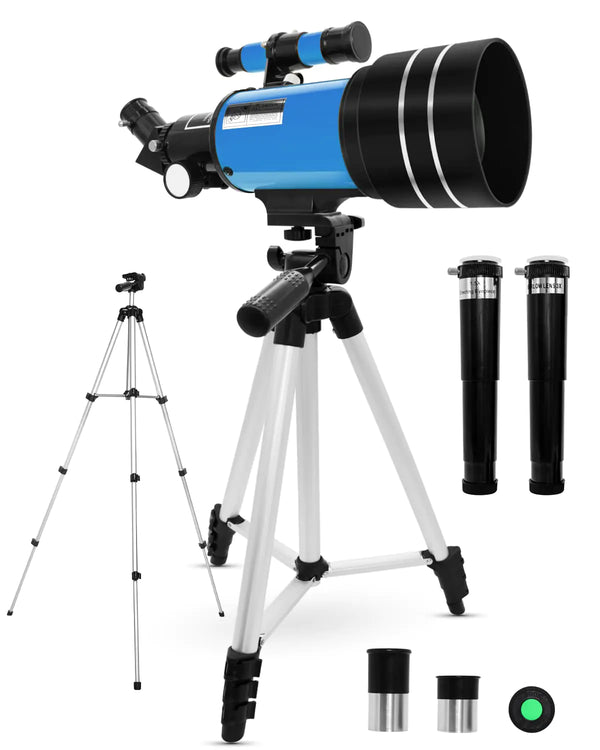

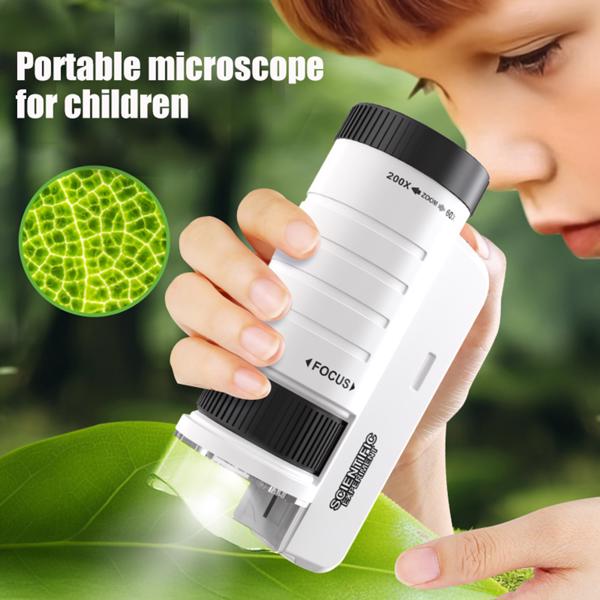
Every child is a born scientist, constantly asking "why" and "how" the world works. Nurturing that natural drive for discovery is one of the greatest gifts a parent can provide. High-quality science experiment kits for kids do more than just follow instructions; they invite children to hypothesize, test, and observe results in real-time. These interactive tools transform abstract concepts into tangible, "aha!" moments that build a lifelong passion for STEM.
Whether you are looking for best science kits for kids or specifically STEM science kits, the goal is the same: providing safe, engaging, and meaningful exploration. By introducing these tools early, you are helping your child develop critical thinking and grit—skills that are essential far beyond the laboratory.
In this guide, we’ll explore how science kits integrate with science kits and experiments, STEM toys, and educational toys to create a rich learning ecosystem at home.
Table of Contents
The Struggle: Keeping Science Exciting in a Digital Age
In modern parenting, we often see children becoming passive consumers of information. They might watch a science video on a tablet or read about a volcano in a book, but they lack the physical experience of mixing the baking soda and vinegar themselves. This "digital disconnect" means children aren't learning how to handle materials, manage failures, or troubleshoot physical problems.
Without active engagement, science becomes just another "subject" at school rather than a thrilling way to understand the universe. Many parents want to bridge this gap but feel overwhelmed by the thought of finding safe, non-toxic materials or designing experiments from scratch.
Why Passive Learning Hinders Cognitive Development
The early years are a peak "sensitive period" for logic and sequencing. If a child only watches results instead of creating them, they miss the opportunity to develop spatial reasoning and executive function. Research suggests that "productive struggle"—the effort required to build a circuit or balance a model—is exactly where true intelligence is forged.
As we explored in our guide on building problem-solving skills, the absence of tactile experimentation can lead to shorter attention spans and a lack of resilience when academic tasks get difficult. If we don't spark that curiosity early, the "why" questions begin to disappear.
The Solution: All-in-One Science Kits for Active Discovery
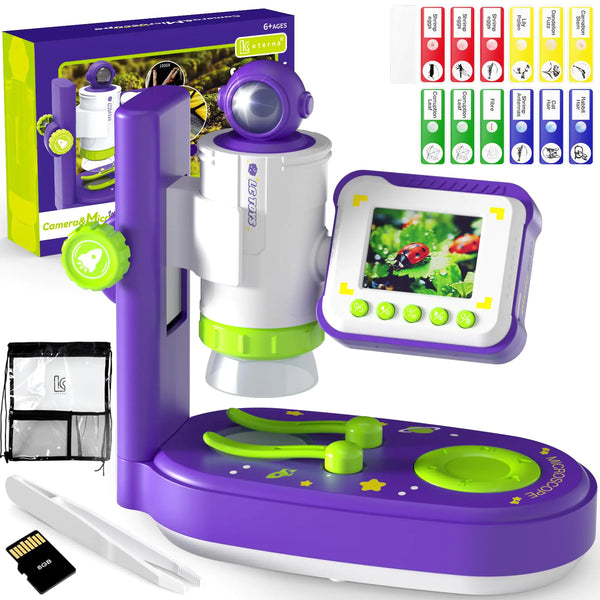
The solution is to bring the lab home. Science experiment kits for kids provide a structured yet open-ended way for families to explore chemistry, physics, and biology together. These kits remove the stress of gathering supplies while ensuring every "experiment" is a safe, age-appropriate learning opportunity.
By utilizing science kits and experiments, you empower your child to lead their own discovery. They become the architect of the project, which builds the independence and confidence they need for school readiness. These tools pair perfectly with problem-solving play sets to create a high-impact learning environment.
Ready to ignite your child's inner scientist?
Explore our expert-curated collection of science kits designed for curious minds and joyful discovery.
Shop Science Experiment Kits
Hands-on experiments transform abstract scientific laws into unforgettable sensory experiences.
The Developmental Impact of Science Kits
Science kits are powerful tools for building the "soft skills" children need for a successful future. As they work through an experiment, they are practicing more than just science.
Critical Thinking
Children learn to analyze why an experiment worked (or why it didn't), fostering a logical mindset.
Fine Motor Skills
Measuring, pouring, and using pipettes strengthens hand-eye coordination and finger dexterity.
Resilience
Science is trial and error. Failing an experiment and trying again builds mental grit and patience.
Confidence
Achieving a successful result gives children a massive sense of mastery and self-worth.
Science Kit Selection Guide
Chemistry Sets
Best for: Exploring matter and reactions
Benefits: Color mixing, fizzing reactions
Age: 5 - 12 Years
Biology & Nature
Best for: Budding naturalists
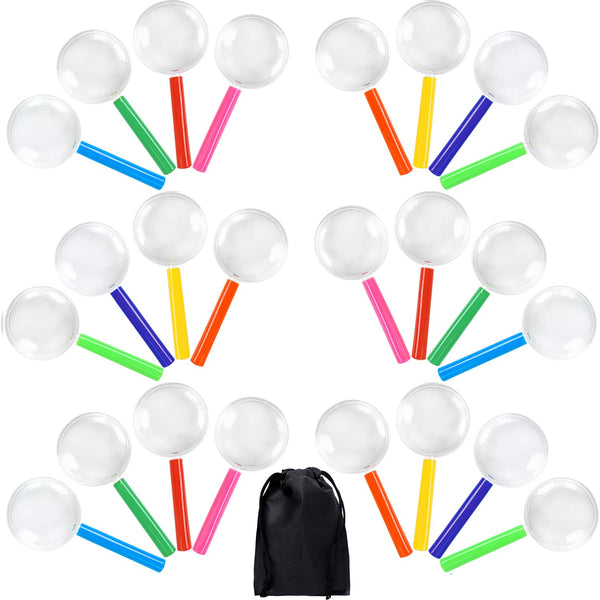
Benefits: Observation, bug hunting
Age: 4 - 10 Years
Physics & Robotics
Best for: Future engineers
Benefits: Force, motion, electricity
Age: 8 - 15 Years
Expert Picks for 2026 Discovery
To truly maximize your child's journey into science, consider these specific examples that combine safety with high educational value.
The Structural Logic Masterpiece: Arch Bridge Rainbow Blocks
Physics is often about balance and gravity. Our rainbow arch bridge blocks provide a physical lesson in structural engineering. Children must understand the "control of error"—if the blocks aren't aligned perfectly, the arch collapses.
The Prehistoric Science Companion: Dinosaur Push Car
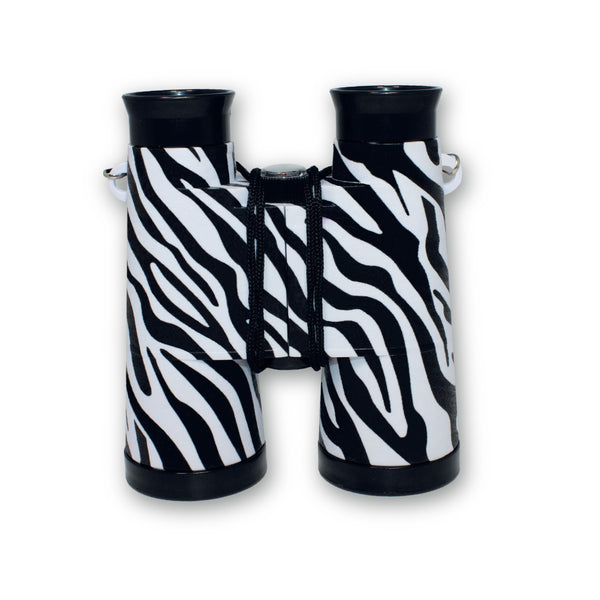
For younger scientists, understanding animal movement and mechanics is the first step. The dinosaur push car encourages role-play that builds observational skills—a core pillar of biological science.
As we noted in our post on choosing science kits for young children, the key is to match the kit’s complexity to your child’s current motor skills.
Final Thoughts: Nurturing a Lifetime of Wonder
A science kit is more than just a box of supplies; it is an invitation to explore the infinite "why" behind our world. By choosing tools that prioritize active discovery, you are building your child's cognitive foundations and sparking a love for learning that will last a lifetime. As we discussed in our guide on the power of educational toys, every experiment is a bridge to a brighter, more confident future.
Ready to start your first experiment?
Browse our full range of expert-vetted science kits and watch your young explorer thrive.
Shop Educational ToysFrequently Asked Questions About Science Kits
1. What are the best science experiment kits for kids?
Chemistry sets, volcano kits, and physics building labs are among the top choices for engaging young minds.
2. Are science kits safe for home use?
Yes, high-quality kits use non-toxic household chemicals and provide safety gear and clear instructions.
3. At what age should a child start with science kits?
Simple observation and "messy play" kits can start at age 4, with formal experiments beginning around age 6.
4. Do science kits help with school readiness?
Absolutely. They build focus, the ability to follow sequences, and basic scientific literacy needed for kindergarten and beyond.
5. Can science kits help with math skills?
Yes, they involve measuring, counting, and understanding volume and ratios, which are core math concepts.
6. What is the benefit of hands-on learning?
Hands-on learning creates stronger neural connections and helps children remember concepts far better than reading alone.
7. Are there science kits for toddlers?
While most are for 5+, there are sensory exploration kits for toddlers that focus on water, textures, and nature observation.
8. How do I choose a science kit for my child?
Match the kit to their interest (bugs, space, or bubbles) and ensure the motor skill level is appropriate for their age.
9. Why is 'productive struggle' important in science?
It teaches kids that failure is just data. Learning to troubleshoot builds resilience and high-level problem-solving.
10. Can science kits help with ADHD or focus issues?
Yes, the high-interest, tactile nature of experiments can help anchor a child's attention and extend their focus span.
11. What are STEM science kits?
These are kits that integrate Science, Technology, Engineering, and Math into a single project, like building a solar car.
12. How do I manage the mess during experiments?
Use a large plastic tray or a designated "lab table" and keep a cleaning station (paper towels/bucket) ready before starting.
13. Do I need scientific knowledge to help my child?
Not at all. Quality kits come with guidebooks that explain the "how" and "why" for parents to learn alongside their kids.
14. Are wooden science toys better than plastic?
Wood provides better haptic feedback and durability, which is excellent for physics and building experiments.
15. Can science kits be used in classrooms?
Yes, they are excellent resources for group learning and illustrating complex concepts in a practical way.
16. What is a 'kitchen chemistry' set?
A kit that uses safe ingredients found at home (like cornstarch or juice) to demonstrate chemical principles.
17. Why choose Wonder Kids Toy science kits?
We curate only the highest-quality, expert-vetted tools that prioritize genuine development over flashy noise.
18. Do kits include everything needed?
Most kits include specialty materials; you may occasionally need common items like water or a spoon.
19. Can science kits help social skills?
Yes, working on an experiment with a sibling or parent encourages communication, collaboration, and patience.
20. How do I maintain interest in science long-term?
Follow their lead. If they love the "ooh" of a reaction, get more chemistry. If they love building, move to physics.
21. Are there eco-friendly science kits?
Yes, many modern kits use sustainable materials and teach concepts like solar energy or recycling.
22. What is a 'Control of Error' in a kit?
It's a feature where the kit itself shows if a piece is wrong (like a circuit that won't light), allowing self-correction.
23. Can kits teach biology without pets?
Yes, plant-growing kits and bug-observing jars are great ways to study life cycles safely.
24. How long do experiments typically take?
Most range from 15 to 45 minutes—the perfect window for a child's natural attention span.
25. Are electronic kits hard to learn?
Snap-circuit style kits make learning electricity very intuitive and frustration-free for beginners.
26. Do science kits expire?
Non-chemical building kits last for years; chemical reagents should be checked for freshness after a few seasons.
27. Can science kits help with spatial reasoning?
Yes, building models and understanding how components fit together strengthens 3D mental visualization.
28. Is adult supervision always required?
Yes, it is recommended to ensure safety and to help guide the child's thinking during the process.
29. Can I buy science kits online at Wonder Kids Toy?
Yes, we offer a curated selection of safety-tested, expert-vetted science kits for all stages of discovery.
30. Where can I find more STEM parenting tips?
Explore the Wonder Kids Toy blog for expert guides on early childhood development and learning through play.