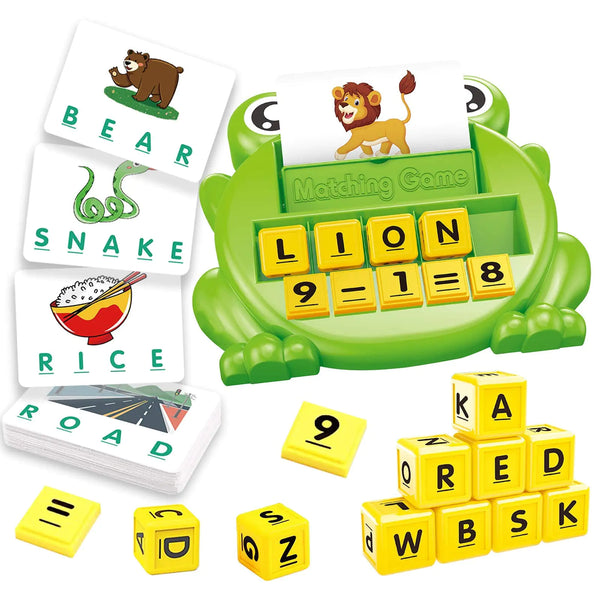

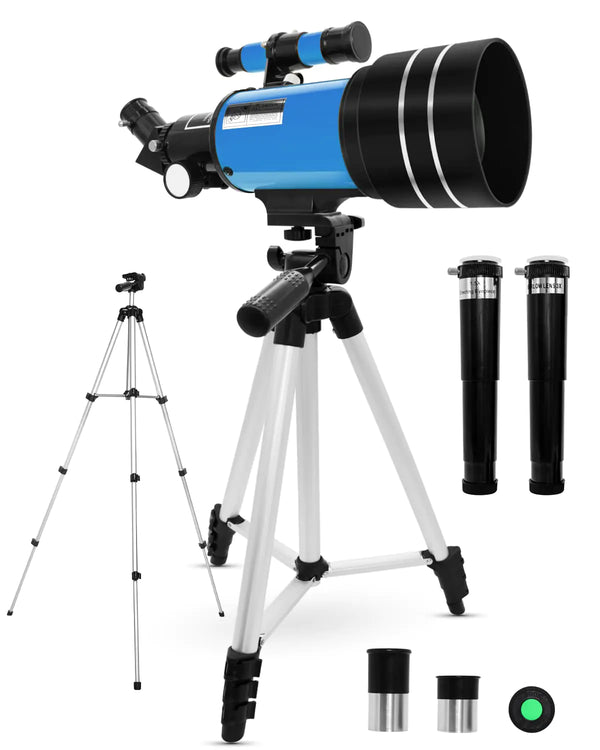
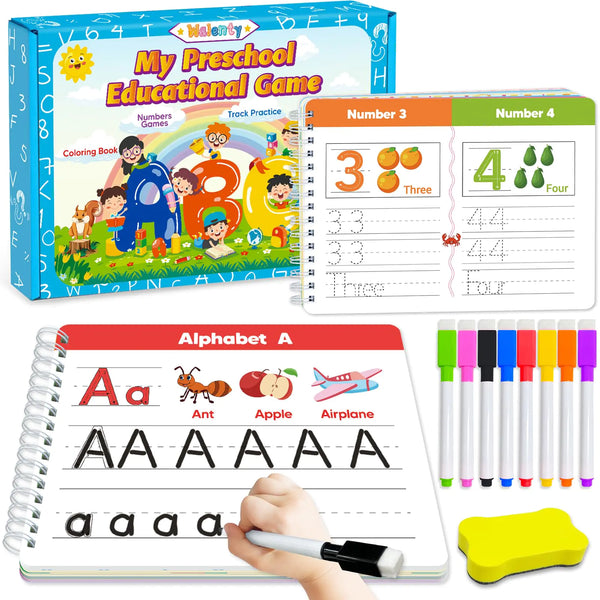
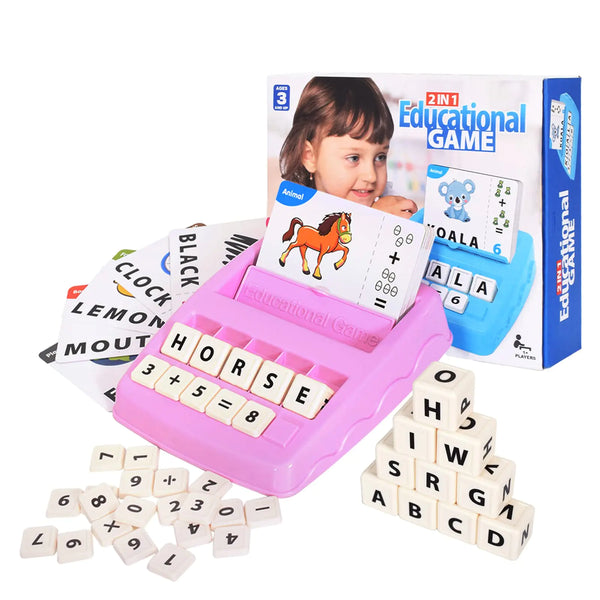
When it comes to finding the perfect toy that balances fun and learning, robotic toys for kids check all the boxes. These toys are not only cool to play with, but they also help children develop valuable skills such as problem-solving, creativity, and logical thinking. The best part is, most kids don’t even realize they’re learning while they build and play with robots.
Whether your child dreams of being an inventor, loves taking things apart and putting them back together, or is curious about how things work, robotic toys can be a perfect gift. These sets integrate perfectly with our specialized collections like robotics kits for kids, coding programming toys, STEM toys, and science kits experiments.
In this guide, we’ll explore why robot toys are a hit with parents, take a look at exciting types like solar robot kits, and explain how these "smart" playthings give your child a head start in an increasingly technical world.
Table of Contents
The Problem: Most Kids Use Tech but Don't Understand It
Children today are surrounded by technology, but most of their interaction is passive. They know how to swipe on a tablet or watch a video, but very few understand the "magic" happening inside the machine. This gap between consuming and creating can lead to a lack of technical confidence as they get older.
Parents often worry about too much screen time, but the real issue is "meaningless" screen time. Without a way to interact with engineering or coding in the real world, children miss the chance to develop the critical thinking skills required for the future.
Why Passive Play is Holding Your Child Back
If a child only watches tech perform, they never learn the "trial and error" that builds a growth mindset. They don't learn what to do when a motor doesn't spin or how to measure energy flow. This lack of practical engagement can make STEM subjects like math and science feel intimidating or "too hard" once they reach the classroom.
The world is moving toward automation and AI. If children aren't given tools to "speak the language" of machines early on, they may find themselves playing catch-up in a technical landscape. They need play that challenges them to build, test, and troubleshoot.
The Solution: Robotic Kits Turn Users Into Creators
Robotic toys provide a hands-on entry point into engineering and mechanics. By building their own functional machines, kids learn about how things move, how energy works, and how parts come together. It transforms tech from a mysterious "black box" into a manageable, exciting project.
From coding and robotics toys that respond to commands to kits that use gears and sensors, these tools offer the perfect balance of construction and technology. They aren't just toys; they are the starting blocks for future inventors.
Ready to spark your child's inner engineer?
Explore our expert-vetted robotics collections and build something amazing together.
Shop Robotics Kits Now
Building a robot requires patience and focus, turning abstract STEM concepts into a tangible achievement.
Exciting Types of Robotic Toys
1. Kids Robot Kits
These are the foundation. They typically include motors, gears, and frames. They are perfect for kids who love LEGO-style building construction toys but want to take their creations to the next level with movement.
2. Solar Powered Robot Kits
These kits are eco-friendly and magical. They teach kids about renewable energy by using sunlight to power motors. It sparks a conversation about sustainability while encouraging science and nature exploration.
3. Programmable Robots
For older children, these kits introduce coding and programming. Kids can script movements, sounds, and responses, learning the logic behind computer software in a tactile way.
Robotics Comparison Guide: Which Kit is Best?
Basic Build Kits
Best for: Mechanics & Construction
Main benefit: Fine motor precision
Typical age: 5 to 8 years
Solar Robots
Best for: Science & Energy lessons
Main benefit: Renewable energy awareness
Typical age: 8 to 12 years
Coding Robots
Best for: Logic & Programming
Main benefit: Algorithmic thinking
Typical age: 9+ years

Modern kits allow kids to explore the same components used in professional robotics labs.
Frequently Asked Questions About Robotic Toys
1. What are robotic toys for kids?
They are playthings that incorporate mechanical movement, electronics, or coding elements to teach engineering and STEM concepts through play.
2. Are robot kits hard for kids to build?
No, most are tiered by age. Beginner kits use large, snap-together parts, while advanced kits involve more complex assembly and coding.
3. What is a solar robot kit?
It's a kit that uses a solar panel to capture sunlight and convert it into electricity to run a motor, teaching kids about renewable energy.
4. Do robotic toys need batteries?
Some use standard batteries, while many modern STEM kits are rechargeable or powered by solar energy.
5. Can robotic toys help with math skills?
Yes! Building robots involves measuring, counting gears, and understanding angles and distance in mathematics and counting.
6. What age is best to start robotics?
Simple building sets can start as early as age 4, with more technical kits starting around age 7 or 8.
7. Do these kits include coding?
Many mid-to-high level kits include "block-based" coding which teaches the logic of programming without needing complex syntax.
8. Are robot kits safe for toddlers?
Toddlers should use large-piece building sets. Most functional robot kits contain small parts and are recommended for ages 4+ with supervision.
9. Why are robotic toys better than passive ones?
They require active participation, construction, and logic, whereas passive toys only perform for the child without challenging their brain.
10. Can robotics build patience?
Yes, following step-by-step instructions and troubleshooting mistakes is an excellent way to build resilience and focus.
11. What are STEM robotics toys?
STEM stands for Science, Technology, Engineering, and Math. These toys are designed to teach principles from all four fields simultaneously.
12. Do I need technical knowledge to help my child?
No, most kits come with detailed visual instructions that both parents and kids can follow together.
13. Are solar toys good for outdoors?
Yes! They are the perfect encouragement for kids to play in the backyard while learning about solar intensity.
14. Can robotics improve fine motor skills?
Absolutely. Connecting small wires, screws, and gears builds the hand-eye coordination needed for writing.
15. What is "Block Coding"?
It is a visual way of programming where kids drag and drop commands like puzzle pieces to control their robot.
16. Are robot toys durable?
High-quality STEM brands use high-impact plastic and reinforced components designed for repeated building.
17. Can robotics toys be used for group play?
Yes, they are excellent for building teamwork as kids take on different roles like "assembler" and "programmer."
18. Do these toys help with ADHD?
The clear, multi-step goals and immediate physical feedback of robotics can be very helpful for children with focus challenges.
19. What is a "Gear Ratio"?
It is how different sized gears change speed and power—a core engineering concept kids learn naturally during assembly.
20. Can I gift a robot kit for a birthday?
Yes, they are considered high-value, meaningful gifts that parents and kids both appreciate.
21. Are there girl-specific robot kits?
Robotics is universal! While most kits are gender-neutral, some are designed with different color palettes or themes to appeal to everyone.
22. How do robot toys build confidence?
Turning a pile of parts into a functional machine gives a child a massive sense of accomplishment and pride.
23. What are sensors in robotic toys?
They are parts that allow the robot to "feel" or "see" its environment, like infra-red for avoiding obstacles or light sensors.
24. Can robotics toys be combined with other building sets?
Many modular kits are compatible with standard building bricks to expand creative possibilities.
25. Why are solar kits called "green toys"?
Because they teach environmental responsibility and don't contribute to battery waste in landfills.
26. What is "Troubleshooting"?
It is the logical process of finding and fixing a problem, which is the most valuable skill robotics teaches.
27. Are there robotics kits for high schoolers?
Yes, advanced kits often move into Arduino or Raspberry Pi based platforms for professional-grade learning.
28. Can robotic toys help with reading skills?
Yes, by requiring the careful reading of assembly instructions and manuals in reading and writing play.
29. Do I need an app to use robot toys?
Some require a smartphone for programming, while many focus entirely on physical mechanical logic without needing a screen.
30. Where can I find the best robot kits?
WonderKidsToy offers a wide selection of vetted, safe, and highly educational robotics and STEM sets for every age.
Final Thoughts: Building the Future One Part at a Time
Robotic toys are more than just gadgets; they are the architectural blueprints for a child's future. By shifting their role from passive tech user to active mechanical engineer, you are fostering the resilience, logic, and creativity they will need for life. Start with a simple build, celebrate every success, and watch their confidence soar. The journey from "how does this work?" to "I built this!" is the most exciting path a child can take.