

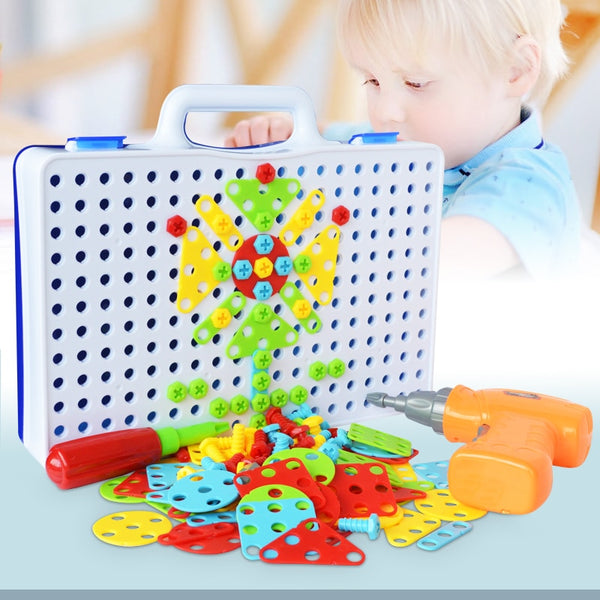
As a parent, you want toys that do more than fill time. You want toys that help your child think, explore, solve problems, and build confidence through hands-on play. That is exactly why Montessori puzzles and shape sorters continue to be some of the best learning tools for young children.
The best Montessori puzzles and shape sorters do not just entertain for a few minutes. They support important early skills like problem-solving, hand-eye coordination, fine motor development, concentration, and independent learning. They also fit beautifully into a calm, purposeful play environment where children can learn at their own pace.
In this guide, I am sharing my top picks for Montessori puzzles and shape sorters, what makes these toys so effective, how to choose the right ones by age, and how to build a stronger learning environment using collections like Montessori educational toys, sensory learning toys, problem-solving play sets, early development toys, and educational toys.
Table of Contents
Many Toys Keep Children Busy but Do Not Build Real Skills
Many toys today are designed to be flashy, noisy, and exciting for a short moment. They may light up, sing, or move automatically, but that does not always mean they help a child learn. Parents often notice that some toys hold attention briefly without really building concentration, problem-solving, or confidence.
That is why so many families start looking for better alternatives. They want toys that feel purposeful. They want toys that support learning in a natural way while still being fun enough for children to enjoy again and again.
When Toys Do Everything for the Child, Important Learning Opportunities Get Lost
Young children learn best when they can touch, test, match, sort, repeat, and discover. They need toys that invite action, not just observation. If a toy performs automatically, children miss out on the trial-and-error moments that help them build problem-solving skills and independence.
This is where Montessori puzzles and shape sorters stand out. They require children to think, try again, notice differences, and solve small challenges on their own. That kind of active learning is exactly what makes these toys so powerful.
Montessori Puzzles and Shape Sorters Turn Playtime Into Real Learning
Montessori puzzles and shape sorters are designed to support hands-on learning. They help children develop cognitive skills, fine motor control, hand-eye coordination, concentration, and early problem-solving in a way that feels engaging instead of forced.
Because these toys are simple, purposeful, and open-ended, they give children space to learn at their own pace. That is why they fit so well with collections like Montessori educational toys and problem-solving play sets.
Looking for learning toys that feel simple but do a lot?
Explore Montessori-inspired toys that help children build focus, independence, and problem-solving through hands-on play.
Shop Montessori ToysWhat Are Montessori Toys?
Montessori toys are learning materials designed to support independent, hands-on exploration. Instead of overwhelming children with too many distractions, they focus on one clear purpose at a time. This makes them easier for young children to understand and use successfully.
These toys are inspired by the Montessori method, created by Dr. Maria Montessori. The Montessori approach values self-directed learning, practical exploration, and a prepared environment where children can grow through doing.
That is why Montessori toys are often simple, durable, tactile, and purposeful. They give children the chance to explore, repeat, and master new skills through direct experience.
Why Puzzles Are One of the Best Learning Tools for Children
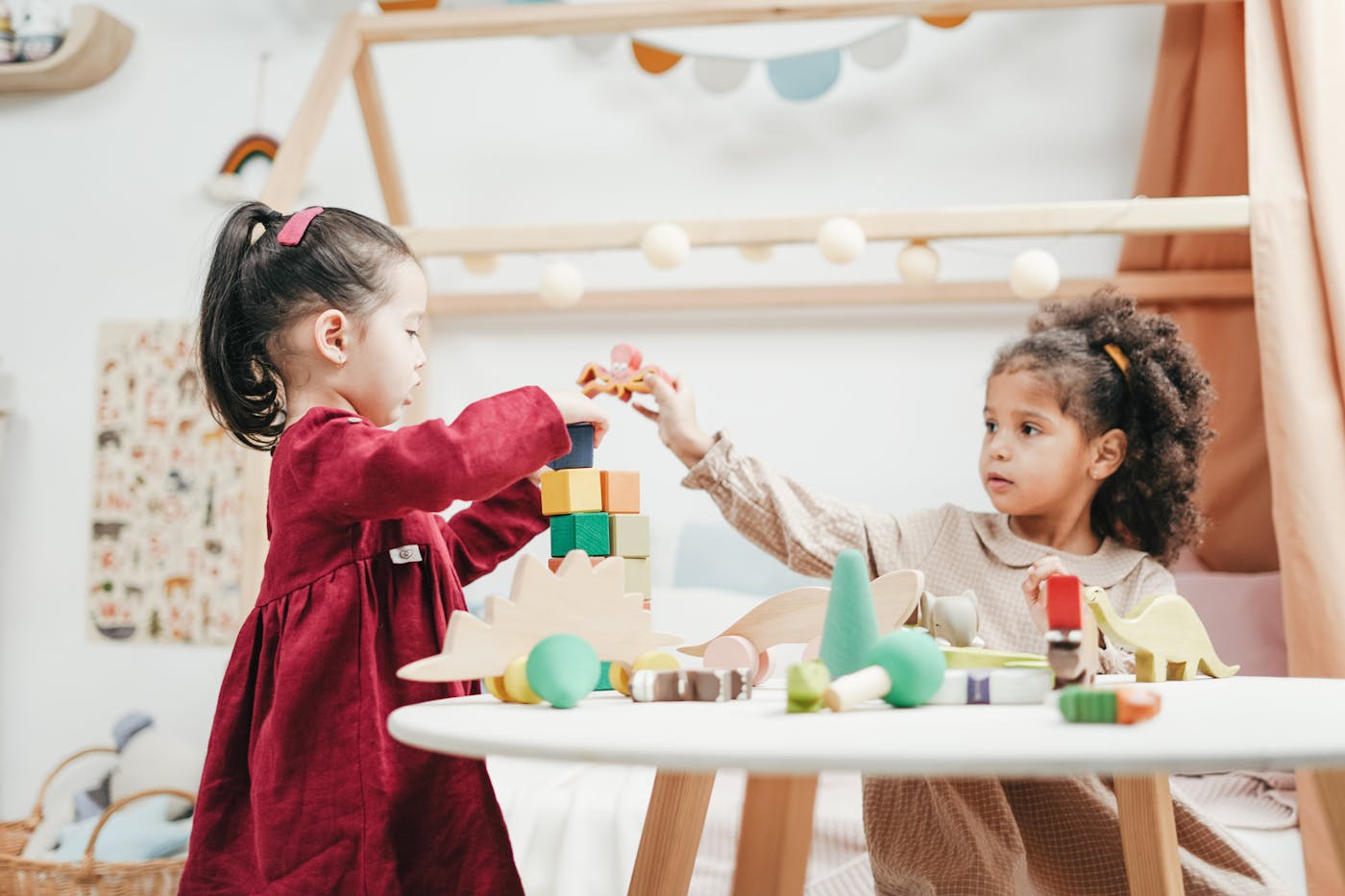
Puzzle play supports several areas of development at the same time. As children work through a puzzle, they learn to notice shape differences, compare pieces, test solutions, and keep trying. This builds important thinking skills in a very natural way.
Problem-Solving
Children learn how to test ideas, notice mistakes, and try different solutions.
Memory and Focus
Puzzle play strengthens concentration and helps children remember patterns and shapes.
Spatial Awareness
Children begin understanding how parts fit together and how shapes relate to space.
Fine Motor Skills
Picking up, turning, and placing puzzle pieces improves hand strength and coordination.
That is why puzzles remain one of the most effective educational toys for early learning and skill development.
Why Shape Sorters Are a Must-Have Montessori Toy
Shape sorters are simple, but they teach a lot. Children need to match shapes with the correct openings, which helps them notice differences, compare options, and use logic to solve the challenge. It is one of the earliest forms of hands-on reasoning.
Shape sorters also support coordination because children must pick up each piece, turn it, and fit it into place. This strengthens both problem-solving and motor development at the same time.
They fit especially well into play routines that also include early development toys and sensory learning toys.
My Top Picks for Montessori Puzzles
Wooden Animal Puzzles
Wooden animal puzzles are one of my favorite Montessori picks because they combine hands-on learning with natural child interest. Children enjoy the familiar animal themes while developing shape recognition, fine motor skills, and simple problem-solving.
Jigsaw Puzzles for Toddlers
Toddler jigsaw puzzles are a great next step once children are ready for simple multi-piece challenges. Large, easy-to-hold pieces help build confidence while introducing children to sequencing and fit.
Knob Puzzles and Peg Puzzles
These are especially helpful for younger learners because the knobs and pegs make the pieces easier to grasp. That makes them excellent for children still building hand strength and coordination.
3D Puzzles for Advanced Learners
For older children who are ready for more of a challenge, 3D puzzles support deeper spatial awareness, persistence, and critical thinking. They are a great bridge into more advanced problem-solving play.
My Top Picks for Shape Sorters
These mobile-friendly comparison cards make it easier to choose the right type of shape sorter based on age, skill level, and learning goal.
Classic Wooden Shape Sorters
Best for: Early learners
Main benefits: Fine motor skills, matching, shape recognition
Why I like them: Simple, timeless, and easy to understand
Color-Coded Shape Sorting Sets
Best for: Children learning both shapes and colors
Main benefits: Sorting, visual recognition, attention
Why I like them: They add an extra learning layer without being too complex
Textured Shape Sorters
Best for: Sensory learners
Main benefits: Touch exploration, sensory input, matching
Why I like them: They combine problem-solving with tactile learning
Eco-Friendly Shape Sorters
Best for: Families who prefer natural materials
Main benefits: Durability, safety, sensory richness
Why I like them: They feel more timeless and often last longer
Wood vs Plastic: Which Material Is Better?
When comparing Montessori toys, the material matters. Wooden toys are often preferred because they are durable, tactile, and visually calmer than many plastic options. They also tend to fit the Montessori style better because they feel more natural and less distracting.
Why Wooden Toys Stand Out
Wooden Montessori toys usually last longer, feel better in the hands, and create a more grounded learning experience. They are often a better fit for parents who want toys that feel simple, beautiful, and purposeful.
When Plastic Can Be Useful
Plastic is sometimes lighter or more affordable, but it often does not offer the same tactile quality. In many cases, it also feels less durable over time compared with well-made wooden toys.
My Recommendation
Whenever possible, I prefer wooden Montessori puzzles and shape sorters because they combine durability, learning value, and a more natural play experience.
Best Montessori Puzzles and Shape Sorters by Age
Ages 1–2
At this stage, simple shape sorters, knob puzzles, and large-piece puzzles are best. Children benefit from easy-to-hold pieces and very clear matching tasks.
Ages 2–3
Children in this range are often ready for more shapes, slightly harder sorting tasks, and beginner jigsaw puzzles. This is a great time to introduce more problem-solving variety.
Ages 3–4
Preschoolers can often handle smaller pieces, more detailed matching, and early multi-step puzzles. Their attention span and reasoning skills are growing quickly.
Ages 5+
Older children may be ready for layered sorters, complex puzzles, and 3D puzzle challenges that support deeper logic and spatial awareness.
How to Use Montessori Puzzles and Shape Sorters More Effectively at Home
Create a Calm Learning Space
A simple, organized play space helps children focus more deeply. Keep toys visible and easy to reach so your child can choose them independently.
Rotate Toys Regularly
Toy rotation keeps familiar toys feeling fresh. Instead of leaving everything out at once, rotate puzzles and sorters so children stay curious and engaged.
Guide Without Taking Over
Children learn more when they are allowed to try. Offer support when needed, but avoid stepping in too quickly. Small struggles often lead to meaningful breakthroughs.
Observe What Interests Your Child
Watching how your child interacts with puzzles and sorters helps you choose the next right challenge. Follow their interests and skill level instead of rushing ahead.
Final Thoughts
Montessori puzzles and shape sorters remain some of the best toys for early childhood learning because they are simple, purposeful, and highly effective. They help children build real skills through active exploration instead of passive entertainment.
Whether you choose wooden animal puzzles, toddler jigsaws, classic shape sorters, or eco-friendly sorting sets, the best options are the ones that match your child’s current stage and encourage them to keep trying. With the right materials, play becomes one of the most powerful learning tools you can offer.
Ready to choose Montessori toys that do more than entertain?
Explore puzzles, shape sorters, and hands-on learning toys that help children build confidence, coordination, and problem-solving through play.
Explore Montessori Learning ToysFrequently Asked Questions About Montessori Puzzles and Shape Sorters
1. What are Montessori puzzles?
Montessori puzzles are hands-on learning toys designed to help children build problem-solving, concentration, and fine motor skills through simple, purposeful play.
2. What are Montessori shape sorters?
Montessori shape sorters are toys that help children match shapes to the correct openings, supporting coordination, logic, and shape recognition.
3. Are Montessori puzzles good for toddlers?
Yes, Montessori puzzles are excellent for toddlers because they support focus, hand-eye coordination, and early problem-solving in a simple way.
4. Are shape sorters Montessori toys?
Yes, shape sorters fit Montessori learning very well because they encourage hands-on, self-directed problem-solving and repetition.
5. Why are Montessori toys good for children?
Montessori toys help children learn through doing. They support independence, concentration, practical problem-solving, and confidence.
6. What skills do puzzles develop?
Puzzles help develop problem-solving, memory, concentration, spatial awareness, and fine motor skills.
7. What skills do shape sorters develop?
Shape sorters help children build matching skills, shape recognition, hand-eye coordination, patience, and reasoning.
8. What age are Montessori puzzles best for?
Montessori puzzles can be used from toddlerhood onward, with different puzzle styles suited to different ages and skill levels.
9. What age are shape sorters best for?
Shape sorters are often best introduced around ages 1 to 3, depending on the design and the child’s developmental stage.
10. Are wooden Montessori toys better than plastic ones?
Many parents prefer wooden Montessori toys because they are durable, tactile, and often feel more natural and less overstimulating.
11. Are Montessori toys safe for toddlers?
Yes, when they are age-appropriate, well-made, and used under proper supervision, Montessori toys can be very safe for toddlers.
12. What are the best Montessori puzzles for beginners?
Knob puzzles, peg puzzles, and large-piece wooden puzzles are often the best starting options for beginners.
13. What are the best shape sorters for toddlers?
Simple wooden shape sorters with easy-to-hold pieces are often among the best options for toddlers.
14. Do Montessori toys help with fine motor skills?
Yes, many Montessori toys, especially puzzles and shape sorters, are excellent for strengthening fine motor skills and coordination.
15. Do Montessori toys help with concentration?
Yes, Montessori toys often support concentration because they are simple, purposeful, and designed to keep children engaged without unnecessary distractions.
16. Are Montessori puzzles good for problem-solving?
Yes, puzzles are one of the best Montessori tools for building early problem-solving and logical thinking.
17. Can shape sorters help hand-eye coordination?
Yes, shape sorters are very helpful for hand-eye coordination because children must pick up, turn, and place each piece correctly.
18. What are eco-friendly Montessori toys?
Eco-friendly Montessori toys are often made from sustainable materials like wood or bamboo and are designed with durability and lower environmental impact in mind.
19. Are homemade Montessori toys a good idea?
Yes, homemade Montessori toys can be a great option when they are safe, simple, and designed to encourage hands-on learning.
20. How often should I rotate Montessori toys?
Many parents rotate Montessori toys every one to two weeks, depending on how engaged their child remains with the current options.
21. What should I look for in a quality Montessori toy?
Look for safety, durability, age-appropriate design, simple purpose, and materials that feel good for hands-on learning.
22. Are Montessori toys only for certain children?
No, Montessori toys can be helpful for many different children because they support a wide range of learning styles and developmental stages.
23. Can Montessori toys be used with other learning tools?
Yes, Montessori toys work very well alongside books, music, sensory activities, and other educational materials.
24. What is the benefit of open-ended Montessori toys?
Open-ended Montessori toys encourage exploration, creativity, and repeated play because children can use them in more than one way.
25. Are 3D puzzles good for children?
Yes, 3D puzzles can be excellent for older or more advanced learners because they strengthen spatial reasoning and critical thinking.
26. How do I know when to introduce a harder puzzle?
You can introduce a harder puzzle when your child completes current puzzles comfortably and still seems interested in a greater challenge.
27. Why do parents prefer wooden puzzles?
Parents often prefer wooden puzzles because they are sturdy, long-lasting, and offer a more tactile, natural play experience.
28. Can Montessori toys help children play independently?
Yes, Montessori toys are designed to encourage independent play by letting children explore and solve challenges on their own.
29. What collections pair well with Montessori puzzles and shape sorters?
Montessori puzzles and shape sorters pair well with sensory learning toys, early development toys, and problem-solving play sets.
30. Where can I find Montessori puzzles and shape sorters?
You can explore Montessori educational toys, sensory learning toys, and early development toys at WonderKidsToy to find age-appropriate options.