

Most parents think of musical instruments as a way to make playtime more joyful, expressive, and memorable. And that is true. But there is another benefit that often gets overlooked: music is one of the earliest and most natural ways young children begin to understand patterns. Rhythm repeats. Notes rise and fall. Sounds change in order. Beats come back again and again. In other words, music quietly introduces toddlers to one of the most important foundations of future learning.
That foundation is pattern recognition. It matters in reading, math, memory, logic, movement, language, and problem-solving. When toddlers clap along to a beat, strike the same note twice, notice that one sound is higher than another, or repeat a simple rhythm on a toy xylophone, they are not just making noise. They are building the kind of mental flexibility that helps them spot relationships, sequences, and structure later on.
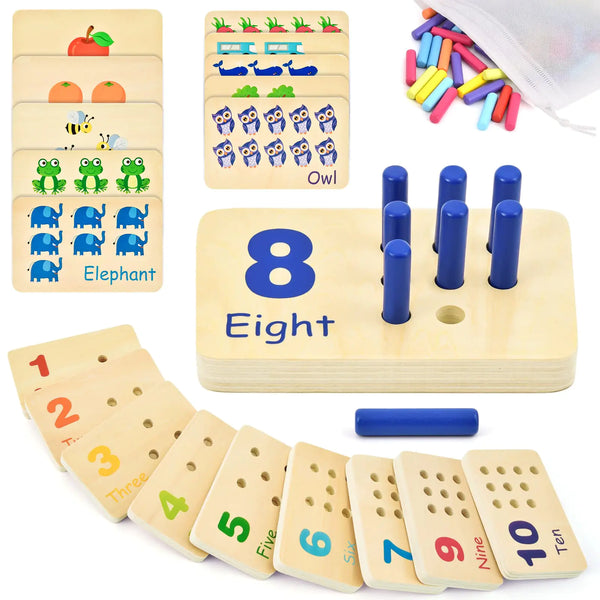
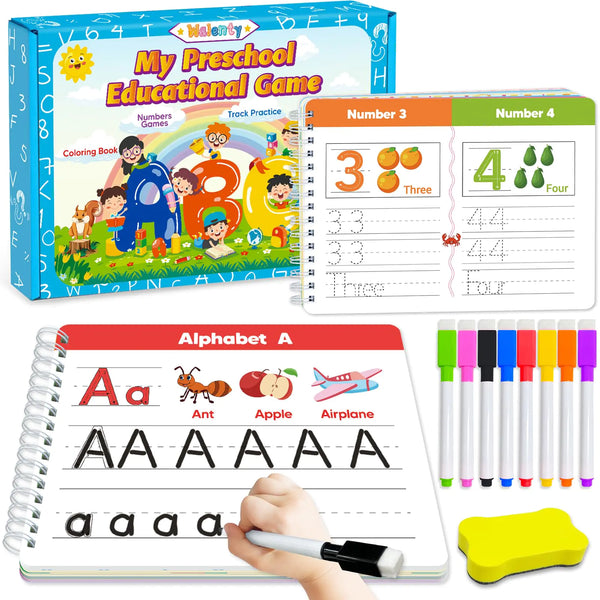
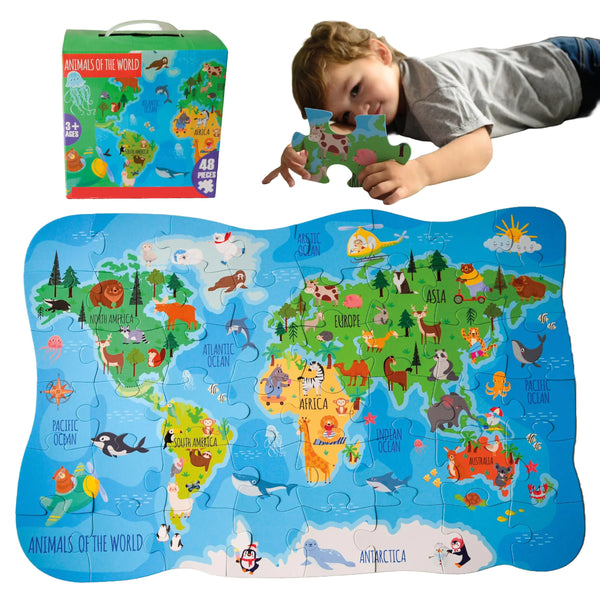
This is exactly why high-quality instruments for toddlers matter so much. The right instrument does more than entertain. It gives children clear sound feedback, consistent repetition, and better sensory input, which makes pattern-based learning stronger and more meaningful. Families who want richer early learning often combine musical play with language learning toys, mathematics & counting toys, early development toys, and educational toys to support multiple areas of development at once.
In this guide, you will learn why music and math are more connected than they seem, how musical instruments help toddlers develop pattern recognition, and what to look for when choosing instruments that truly support future learning.
Table of Contents
Many Toys Keep Toddlers Busy but Do Not Strengthen Real Pattern-Based Thinking
A lot of toddler toys are designed to grab attention fast. They flash, sing, blink, and react instantly. Some are exciting for a few minutes, but they do not always help children notice structure, sequence, repetition, or relationships between sounds and actions. That is where a lot of hidden learning gets lost.
Parents often want toys that do more than entertain. They want toys that support memory, focus, language, and early math in a natural way. Musical instruments can do exactly that, especially when they encourage toddlers to repeat rhythms, compare sounds, and build simple sound sequences through active play.
Without Pattern Recognition Practice, Children Miss an Early Advantage in Learning
Pattern recognition is one of those skills that quietly supports almost everything else. Children use it to predict what comes next, notice differences, build memory, make connections, and understand structure. It helps with early reading sounds, counting, sorting, sequencing, and problem-solving.
If playtime does not include enough repetition, rhythm, comparison, and sequence, toddlers may get less practice with these mental habits. That does not mean every toy needs to be academic. It simply means the best early learning toys naturally build these skills while children are having fun. Music is one of the easiest and strongest ways to do that.
Musical Instruments Turn Sound, Rhythm, and Repetition Into Early Pattern Learning
When toddlers interact with musical instruments, they begin noticing repeated beats, changing note sequences, rhythmic pauses, and predictable sound patterns. This is pattern recognition in action. The child may not call it that, but their brain is already practicing it every time they copy a beat, repeat a sound, or notice that two notes are different.
This is why music can become a powerful bridge between playful exploration and future mathematical thinking. It teaches repetition, sequence, comparison, timing, and structure in a way toddlers can actually feel and enjoy.
Want toys that build stronger early learning through rhythm and repetition?
Explore educational play tools that support listening, memory, movement, and early pattern recognition through hands-on discovery.
Explore Educational ToysWhy Music and Math Are More Connected Than Most Parents Realize
Music and math both depend on order, relationships, repetition, and structure. In music, children hear repeated beats, notice when a sound changes, and learn that one action leads to one result. In math, children later use similar thinking to spot patterns, compare quantities, understand sequences, and recognize relationships.
That does not mean toddlers need formal music lessons to get the benefit. It simply means musical play introduces them to the building blocks of organized thinking. A repeated clap-clap-pause pattern is not just fun. It is an early lesson in sequence. A high note followed by a low note is not just sound. It is a lesson in comparison. A repeating melody is an early lesson in recognition and memory.
This is one reason music pairs so naturally with mathematics & counting toys and language learning toys. Each area supports the brain’s ability to find order and meaning in what a child sees, hears, and does.
What Pattern Recognition Looks Like in a Toddler
Pattern recognition does not begin with worksheets or number lines. It begins when a toddler notices that something repeats, changes, or belongs in a certain order.
Your child hears the same beat twice and begins to expect it again.
Your toddler notices that one note comes after another and begins copying the order.
A child hears that one sound is higher, lower, louder, or softer than another.
After enough repetition, your child starts anticipating the next beat or sound.
These small moments matter because they build the brain’s ability to recognize order, memory cues, and relationships. That is a huge part of future learning.
Why High-Quality Instruments Matter So Much for Pattern Recognition
Clearer Sound Creates Clearer Learning
If notes sound muddy, uneven, or inconsistent, it becomes harder for toddlers to notice differences and repetition. Clear sound helps children compare tones more easily.
Consistent Response Builds Better Cause-and-Effect Understanding
A high-quality instrument responds the same way each time a child uses it. That consistency helps toddlers understand patterns between action and result.
Better Materials Encourage Longer, More Focused Play
Durable, pleasant-to-use instruments often hold a child’s attention longer. That means more repetition, more experimentation, and more learning.
Good Design Supports Small Hands and Real Exploration
Toddler-friendly design matters. Instruments should feel easy to grip, simple to use, and rewarding enough to invite repeat play.
Important Skills Toddlers Build Through Musical Pattern Play
Toddlers learn to notice differences in sound, rhythm, timing, and repetition.
Repeating simple rhythms and note patterns helps strengthen recall and recognition.
Children begin understanding that actions and sounds can happen in a predictable order.
Striking keys, tapping bars, and holding simple instruments improves hand control.
Pattern play supports comparison, order, repetition, and structured thinking that later help with math.
When children hear their own repeated rhythm or copied sound pattern, they feel successful and want to keep exploring.
Best Instrument Types for Building Pattern Recognition in Toddlers
Xylophones
Excellent for helping toddlers hear note differences, repeat short sound sequences, and explore order through simple tapping.
Drums and Percussion Toys
Perfect for rhythm-based repetition, beat awareness, and matching simple clap or tap patterns.
Simple Keyboards
Useful for helping children compare sounds, repeat note order, and build early memory for sequences.
Shakers and Maracas
Great for keeping a steady beat, copying repeated movement patterns, and connecting sound to body motion.
How to Choose the Right Instrument for Pattern-Based Learning
Choose Clear, Consistent Sound
Toddlers learn better when sounds are easy to distinguish and repeat.
Look for Simple, Toddler-Friendly Design
The instrument should be easy to hold, easy to strike or tap, and rewarding without being frustrating.
Prioritize Durability
Stronger materials help the toy last longer and make repeated practice more enjoyable.
Pick Instruments That Encourage Repetition
The best toddler instruments invite the child to repeat actions and sounds again and again, because repetition is where the learning happens.
Easy Ways Parents Can Build Pattern Recognition Through Music at Home
- Tap a simple beat and invite your toddler to copy it.
- Play the same two or three notes in order and repeat them together.
- Use words like “again,” “same,” “different,” “high,” and “low” during play.
- Add movement by clapping, stomping, or shaking to repeated rhythms.
- Keep sessions playful and short so your child stays engaged and curious.
- Pair music time with counting toys or early development toys for broader brain-building play.
- Focus on repetition and discovery, not perfection.
Final Thoughts
The math of music starts much earlier than most people think. It starts when a toddler hears a repeated rhythm, notices that one note changes, or remembers what sound comes next. These moments may look simple, but they are laying down important mental pathways for pattern recognition, memory, logic, and future learning.
That is why high-quality instruments can be such a smart investment. They do more than make playtime fun. They help children hear structure, repeat sequences, and build the kind of organized thinking that supports both musical and mathematical growth later on.
Ready to support your toddler’s future learning through better play?
Discover toys that strengthen rhythm, repetition, memory, and early thinking skills through meaningful hands-on exploration.
Explore Early Development ToysFrequently Asked Questions About Music, Instruments, and Pattern Recognition in Toddlers
1. Can music help toddlers with pattern recognition?
Yes. Repeated beats, note sequences, and rhythm changes help toddlers notice order, repetition, and differences in a natural way.
2. Why is pattern recognition important for toddlers?
Pattern recognition supports memory, prediction, sequencing, early math readiness, language development, and problem-solving.
3. How are music and math connected for young children?
Both music and math rely on order, sequence, repetition, comparison, and structure, which is why music can support early mathematical thinking.
4. Are musical instruments educational for toddlers?
Yes. Musical instruments can support listening, coordination, memory, pattern recognition, and confidence through active play.
5. Do high-quality instruments really matter for toddlers?
Yes. Better sound quality and more consistent response make it easier for toddlers to hear differences and repeat patterns clearly.
6. What is pattern recognition in early childhood?
It is the ability to notice repetition, order, similarity, change, and structure in sounds, shapes, actions, or sequences.
7. What musical toys are best for pattern learning?
Xylophones, simple keyboards, drums, percussion toys, and shakers are all strong choices for early pattern-based musical play.
8. Are xylophones good for toddlers?
Yes. Xylophones help toddlers compare sounds, repeat note sequences, and build hand-eye coordination.
9. Are drums good for pattern recognition?
Yes. Drums are excellent for teaching repeated beats, rhythm matching, and simple sequence imitation.
10. Can rhythm help toddlers learn math later?
Rhythm can help strengthen pattern-based thinking, which supports later learning in counting, sequencing, and structured problem-solving.
11. At what age can toddlers start musical instrument play?
Many toddlers can begin with simple, age-appropriate musical instruments during the early years, especially when the design is safe and easy to use.
12. Do musical instruments help memory?
Yes. Repeating rhythms and short note patterns helps toddlers practice recall and recognition in a playful format.
13. Can music improve listening skills?
Yes. Musical play encourages toddlers to notice sound differences, timing, repetition, and changes in tone.
14. Does repeated music play help early brain development?
Yes. Repetition, movement, listening, and sound-based experimentation all support important areas of early development.
15. How do musical instruments support sequencing skills?
They help children notice and repeat sound order, which builds understanding of what comes first, next, and again.
16. Are simple instruments better than complex ones for toddlers?
Usually, yes. Simple instruments are easier to control and make it easier for toddlers to notice repetition and sound differences.
17. Can musical play help school readiness?
Yes. Musical play can support memory, listening, focus, sequencing, and early pattern awareness, all of which help school readiness.
18. What should parents look for in a toddler instrument?
Look for toddler-safe design, durable materials, simple use, clear sound, and strong replay value.
19. Why does sound quality matter in toddler instruments?
Sound quality matters because toddlers learn better when they can clearly hear sound differences and repeat them consistently.
20. Can toddlers learn through copying rhythms?
Yes. Copying rhythms is one of the easiest ways toddlers practice listening, memory, timing, and pattern repetition.
21. Are musical instruments good for fine motor development?
Yes. Tapping, holding, shaking, and pressing all help improve hand control and coordination.
22. Can music and movement work together for learning?
Yes. When toddlers clap, stomp, shake, or move to a rhythm, they strengthen body awareness and pattern learning at the same time.
23. Do toddlers need formal music lessons to get these benefits?
No. Simple, playful musical exploration at home can already support many of these early learning benefits.
24. Can musical pattern play reduce screen time?
Yes. Instruments can offer a strong hands-on alternative that keeps toddlers actively engaged and curious.
25. Are musical toys worth buying for toddlers?
Yes. Strong musical toys often support multiple developmental areas at once, including listening, movement, memory, and early pattern recognition.
26. What other toys pair well with musical instruments?
Language toys, counting toys, early development toys, and other educational toys pair very well with musical play.
27. Can musical play support language growth too?
Yes. Listening to repeated sound patterns can support attention to rhythm, timing, and sound differences that also help language learning.
28. How can parents make music time more educational?
Parents can repeat simple rhythms, name sound differences, ask children to copy beats, and keep the play focused on repetition and discovery.
29. Can early musical play inspire future learning interests?
Yes. Early positive experiences with rhythm, sound, and sequence can help children enjoy structured learning in many different areas later on.
30. What is the biggest benefit of high-quality musical instruments for toddlers?
One of the biggest benefits is that they help toddlers hear, repeat, and understand patterns more clearly, which supports future learning in many areas.