
Exploring musical toys is an excellent way to enhance a toddler's cognitive and sensory development. Beyond simple entertainment, these toys are designed to stimulate creativity, improve hand-eye coordination, and foster an early appreciation for rhythm and melody. By turning playtime into a symphony, you provide the tools for your child to find their own "sound of joy."
Whether you are looking for musical instruments toys or tools for early development, choosing the right engagement level is key. These items pair beautifully with our sensory learning toys and language learning toys.
In this guide, we dive into the best musical toys for different environments—from the bath to the nursery—and explore how even everyday items like bibs and apparel can play a role in a nurturing, creative environment.
Table of Contents
Most Toddler Entertainment is "One-Way"
In many modern households, toddlers spend significant time as passive observers—watching videos or pressing buttons on toys that do all the "work." While these might be "noisy," they aren't truly musical. Musicality requires an active relationship between action and sound. When a child is just a consumer, they miss out on the critical neural development that comes from creating their own rhythms.
Parents want to foster intelligence and creativity, but the market is flooded with gadgets that provide short-term distraction rather than long-term developmental growth.
Why Missing the Auditory "Sensitive Period" is a Risk
The early years are a peak "sensitive period" for auditory discrimination. If toddlers don't have the opportunity to experiment with pitch, tempo, and volume in a hands-on way, they may struggle with phonemic awareness later in life. Fine motor skills are also at stake; the coordination needed to strike a drum or pluck a string is the same coordination needed to hold a pencil or use a spoon.
The Solution: Integrating Sound into Every Routine
The solution is to move from passive listening to active "Micro-Play." By integrating sound and rhythm into every part of the day—from mealtime to bath time—you create a rich sensory ecosystem. Using musical toys that respond directly to a child's touch teaches cause and effect and builds the confidence to explore.
Ready to spark a rhythmic revolution?
Explore our collection of instruments that turn every moment into a melody.
Shop Musical Learning ToysBath Time: A Symphony of Splashes
Bath time is an often-overlooked opportunity for sensory education. Waterproof drums or water flutes design for the tub allow toddlers to explore how water changes sound. This hands-on physics lesson pairs perfectly with science and nature exploration.

By choosing toys that are safe and waterproof, you ensure that even hygiene routines become a peak time for cognitive stimulation and sensory development.
Feeding and Routine: Rhythmic Consistency
Even daily essentials like baby bibs and sippy cups contribute to a learning environment. Sippy cups, for instance, build the fine motor skills needed to eventually grasp a recorder or drumstick. When mealtime is treated as an interactive experience, children learn to anticipate the "rhythm" of their day.

Imagine using a "musical spoon" or simply tapping out a beat on a high-chair tray. These small acts turn problem-solving—like learning to feed oneself—into an engaging adventure.
Musical Activity Comparison Guide
Tub Rhythms
Focus: Sensory & Fluid Dynamics
Must-have: Water drums/Flutes
Age: 12m - 3y
Nursery Beats
Focus: Patterns & Memory
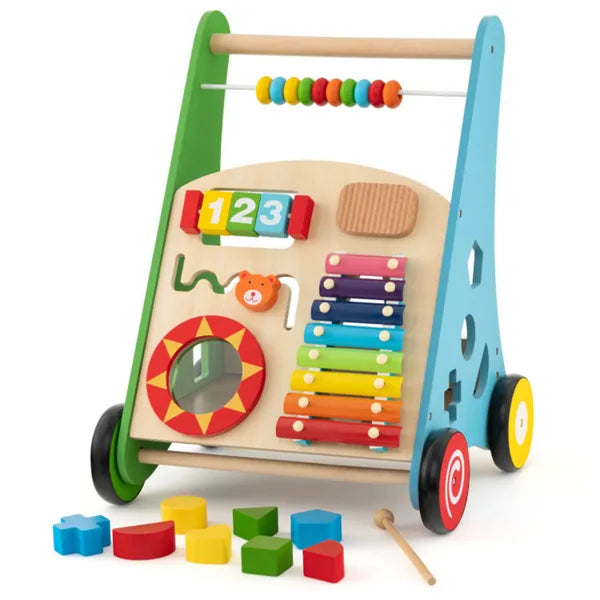
Must-have: Xylophones/Shakers
Age: 18m - 4y
Meal Melodies
Focus: Association & Motor
Must-have: Interactive bowls/Spoons
Age: 6m - 2y
Frequently Asked Questions About Musical Toddler Play
1. What are the benefits of musical learning toys?
They enhance cognitive development, build hand-eye coordination, and foster early language skills through rhythmic pattern recognition.
2. Are bath toys safe for musical exploration?
Yes, provided they are waterproof and made from non-toxic materials. Water flutes and tub drums are excellent for sensory play.
3. Can everyday items like bibs be educational?
Yes! Visual patterns on bibs can stimulate a toddler's eyes, and the routine of wearing them builds association and order.
4. How does music help with fine motor skills?
Grasping shakers, plucking strings, or striking keys requires precise hand and finger movements, strengthening essential muscles.
5. At what age should I introduce instruments?
Simple rhythm toys can be introduced as early as 6 months. Melody instruments like xylophones are great starting around 18 months.
6. Do musical toys help with sleep?
Yes, slow-paced melodies and rhythmic rocking toys can help regulate a toddler's nervous system before bed.
7. Why is wood better than plastic for instruments?
Wood provides a more natural resonant sound and varied weight, giving the brain better sensory 'data' during play.
8. Can strollers be learning tools?
Yes, attaching musical sensory clips to a stroller can keep a baby engaged and stimulate auditory skills during walks.
9. How long should a toddler play with these toys?
Follow the child's interest. Even 10 minutes of active sound creation is more beneficial than an hour of passive watching.
10. Do musical toys help with math?
Yes! Music is built on patterns, sequences, and fractions (beats). Mastering a rhythm is an early math exercise.
11. What is auditory discrimination?
The ability to distinguish between different sounds—a skill heavily practiced with pitch-based toys like bells.
12. How do I clean waterproof musical toys?
Rinse thoroughly after each bath and allow to air dry completely to prevent any mold or buildup.
13. Are electronic keyboards 'bad' for toddlers?
Not at all, as long as the child is the one pressing the keys to create the sound, rather than just listening to a demo button.
14. Can music help with social anxiety?
Yes, playing instruments provides a non-verbal way to express emotions and build confidence in group settings.
15. What are 'open-ended' musical toys?
Toys like drums or chimes that allow the child to create whatever sound or rhythm they imagine without a fixed outcome.
16. Why is a humidifier important for a toddler's nursery?
It maintains moist air, which prevents dry skin and irritation, ensuring the toddler is well-rested and ready to learn.
17. Do onesies help with development?
Comfortable, well-fitting onesies allow for full range of motion, which is essential for toddlers as they dance and move to music.
18. Is adult interaction required during musical play?
While independent play is great, singing along or modeling a beat helps the child learn faster and builds social bonds.
19. Why is 'cause and effect' important in music?
It teaches the child that their physical action (hitting the drum) has a logical, predictable result (the boom sound).
20. Do bead mazes count as musical toys?
While primarily for motor skills, the clicking sound of wooden beads provides rhythmic auditory feedback kids love.
21. Can musical toys reduce screen-time cravings?
Yes, by providing the physical and auditory stimulation that kids often seek from digital media in a healthier, tactile format.
22. How many instruments should a child have available?
Fewer high-quality items are better. Try 2-3 at a time (e.g., a drum, a shaker, and a keyboard).
23. Are there instruments for 12-month-olds?
Soft-grip maracas and large-surface floor drums are perfect for early grasping and rhythmic exploration.
24. Do toys help with self-feeding skills?
Yes, the coordination used to aim a musical spoon is the same coordination needed for standard utensils.
25. Can music help with vocabulary expansion?
Yes, songs with repetitive lyrics help children memorize and pronounce new words in a fun context.
26. What is a 'Family Jam Session'?
A low-pressure time where everyone in the family grabs an instrument and plays together, modeling a love for creativity.
27. Why are suction cups on bath toys important?
They keep the instrument stable, allowing the toddler to focus on the sound production rather than holding the toy still.
28. Can I buy these toys online?
Yes, WonderKidsToy offers many of these items directly with vetted safety and quality standards.
29. Do these toys make good gifts?
They are excellent gifts because they offer lasting educational value rather than short-term amusement.
30. Where can I find more Montessori toys?
WonderKidsToy.com has a dedicated section for Montessori-approved musical and sensory tools.
Final Thoughts: A Symphony of Growth
Musical learning is more than just making noise; it is a fundamental bridge to intelligence, focus, and emotional expression. By integrating high-quality instruments and active sensory play into your toddler's daily life, you are setting the stage for a well-rounded and confident childhood. Start your rhythm today, and watch your little one conduct their own path to brilliance.