

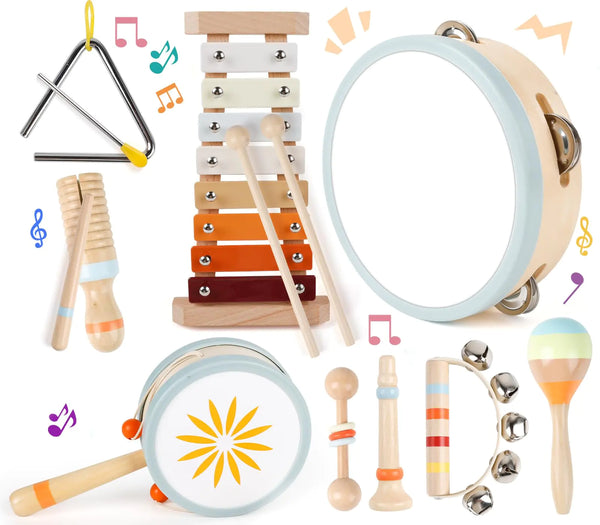
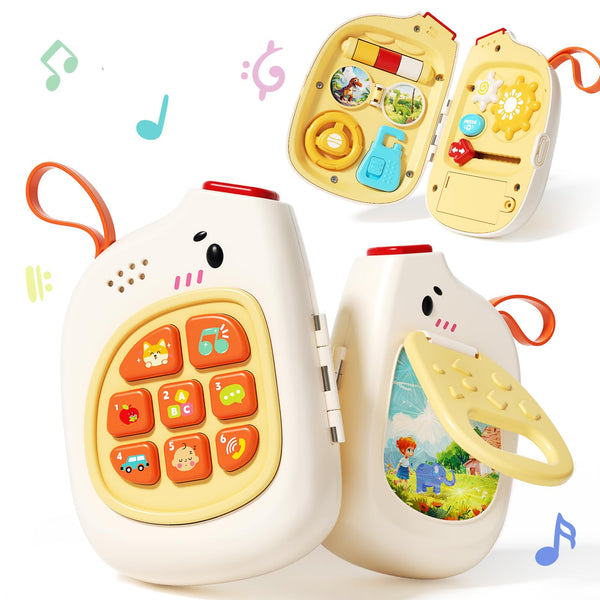
Let’s be real, there is nothing quite like the sound of a child discovering their first rhythm. Whether it’s the steady "thump-thump" of a drum or the bright "ding" of a xylophone, musical instruments are a gateway to a world of creativity. As parents, we often wonder: is this just a way to make noise, or is it actually helping them grow?
At wonderkidstoy.com, we believe that providing kids with the right tools to explore sound is one of the best ways to fire up their brains. These aren't just toys; they are sophisticated musical instruments toys that build coordination, boost confidence, and encourage teamwork—all while your little one thinks they're just having a jam session. From toddlers wiggling to a beat to preschoolers mastering their first melody, the right instrument makes every stage of childhood a bit more awesome.
Table of Contents
Noise vs. Intentional Play
Many parents hesitate to buy musical toys because they fear a house full of unorganized noise. However, the problem isn't the volume—it's the tool. Standard "noise-makers" don't offer the Active Discovery needed to keep a child engaged. Without an instrument that provides accurate sensory feedback, a child never learns to distinguish between a random bang and a purposeful note.
True educational toys solve this by being purpose-built for playability and safety. They are designed to accommodate tiny hands and emerging motor skills while being sturdy enough for enthusiastic play. When a child hears a beautiful, well-tuned sound, they transition from "spectator" to "creator."
Why Auditory play Stalls Milestones
Early childhood is a unique window for developing auditory processing and rhythm awareness. If a child's environment is filled only with passive screen time, they miss out on the vital "feedback loops" provided by physical sound-making. Research on cognitive skill development proves that children need active manipulation—like hitting a drum to see a result—to build the persistence and logic required for school readiness.
Active Discovery through Sound
Strategic music play turns your home into a laboratory of sound. Instead of just observing, kids use physical materials to understand logical sequencing and mathematical patterns through immediate results. This approach helps them master manual precision while building the academic confidence needed for future STEM fields.
Ready to spark their inner Mozart?
Explore our curated collection of tuned instruments, rhythmic sets, and sensory sound kits.
Shop Vetted Musical ToysMatching Instruments to Development
- Ages 2+: Percussion. Drums and shakers teach cause and effect. See our guide on musical toys for toddlers for more.
- Ages 4+: Strings. Ukuleles help with pincer grip and finger dexterity.
- Ages 5+: Keyboards & Wind. Pianos and recorders build system thinking and breath focus.
Inclusive Tools for Every Explorer
Parental Tips: Nurturing Sound Mastery
The environment is the "third teacher." Create a Music Nook—a small basket of accessible, high-quality instruments. This grounding in physical reality is a core part of the Montessori approach to independence. It allows children to choose sound when they feel inspired, rather than when it's "lesson time."
Frequently Asked Questions
At what age should my child start learning an instrument?
Exploration can begin at birth with simple shakers. Formal logic and manual precision for instruments like piano or ukulele typically develop between ages 4 and 6.
How do I know which instrument is right for my child?
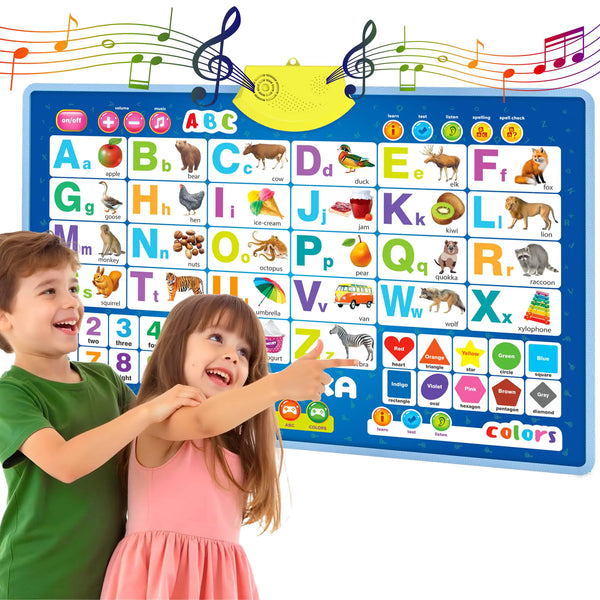
Watch their natural play patterns. If they tap on surfaces, try percussion. If they sing, try a keyboard or language learning toys to bridge melody and vocabulary.
Are these instruments safe for toddlers?
Yes, provided they are made from non-toxic materials and are free of small parts. Always look for age-appropriate certifications like ASTM or CPSIA.
What are the best "starter" instruments?
A sturdy wooden xylophone, rhythmic shakers, or a small drum set provide the best immediate physical feedback for young learners.
Final Thoughts: Nurturing a Lifetime of Awareness
Selecting the right musical instrument is about more than just giving a plaything—it is an investment in your child’s cognitive potential. By selecting tools that encourage rhythm, logic, and physical mastery, you are setting the stage for a lifetime of innovative thinking. Every note explored is a building block for a bright future.
Ready to build a better discovery box? Explore our expert-vetted early development toys and start the journey toward purposeful play today.


