
Montessori Preschool Math Toy: Number Skills Guide
A good Montessori preschool math toy can completely change the way young children experience numbers. Instead of making math feel like memorization, it turns counting, sorting, matching, and problem-solving into hands-on play.
The Montessori method encourages children to explore independently, learn through touch, and build confidence at their own pace. That is why Montessori math toys are so helpful for preschoolers who are just beginning to understand numbers, quantity, patterns, and early problem-solving.
If you are looking for a simple way to support early math learning at home, this guide explains how Montessori math toys work, why they are effective, and how they help children develop a natural love for numbers.

Key Benefits of Montessori Math Toys
Helps children understand numbers, counting, and quantity through hands-on play.
Supports self-directed learning so children can explore at their own pace.
Children strengthen hand control while moving beads, rods, tiles, and number pieces.
Transforms early math into play instead of pressure.
Why Montessori Math Tools Work So Well for Preschoolers
Montessori education is built around hands-on discovery. Instead of simply telling children what numbers mean, Montessori math materials allow them to touch, move, compare, count, and see mathematical ideas in a concrete way.
This is especially helpful for preschoolers because young children learn best through movement and sensory experience. When they hold number rods, count beads, or trace sandpaper numbers, they begin connecting abstract math ideas with real objects they can understand.
Montessori math toys help children move from “I see numbers” to “I understand what numbers mean.”
What Makes a Montessori Preschool Math Toy Special?
Natural Materials and Thoughtful Design
Many Montessori math toys use wood, beads, rods, tiles, and textured materials. These natural elements feel pleasant in a child’s hands and encourage calm, focused learning.
Sensory Learning Experience
Children do not only see numbers. They touch, arrange, count, compare, and match them. This multisensory approach helps preschoolers understand math more deeply.
Independent Exploration
Montessori toys are designed so children can discover patterns and correct mistakes naturally. This builds independence, patience, and confidence.

Key Montessori Math Toy Features
Counting Beads
Introduce quantity, counting, grouping, and number relationships.
Number Rods
Help children understand number order, length, comparison, and sequence.
Sandpaper Numbers
Support number recognition through touch, tracing, and visual memory.
Developmental Benefits of Montessori Math Toys
Mathematical Understanding
Montessori math toys help children understand numbers as real quantities, not just symbols to memorize.
Fine Motor Skills
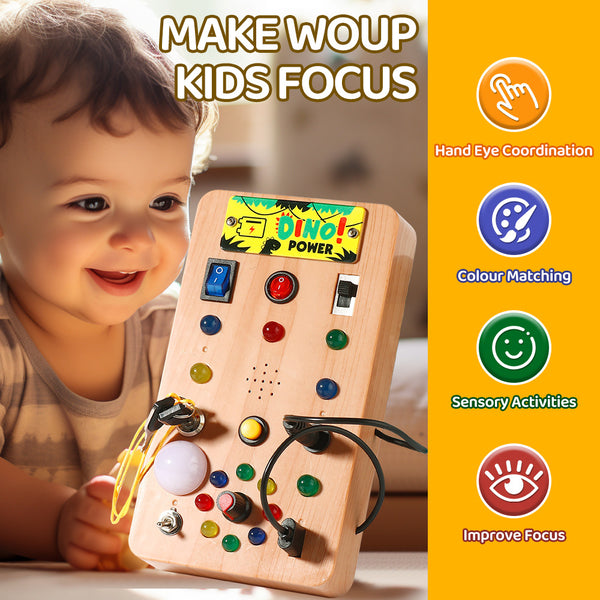
Moving beads, placing tiles, tracing numbers, and arranging rods help strengthen hand control and coordination.
Concentration and Focus
Because Montessori materials are simple and purposeful, they help children stay focused without too much distraction.
Self-Correction
Many Montessori materials allow children to notice and fix mistakes on their own, which builds confidence and independence.
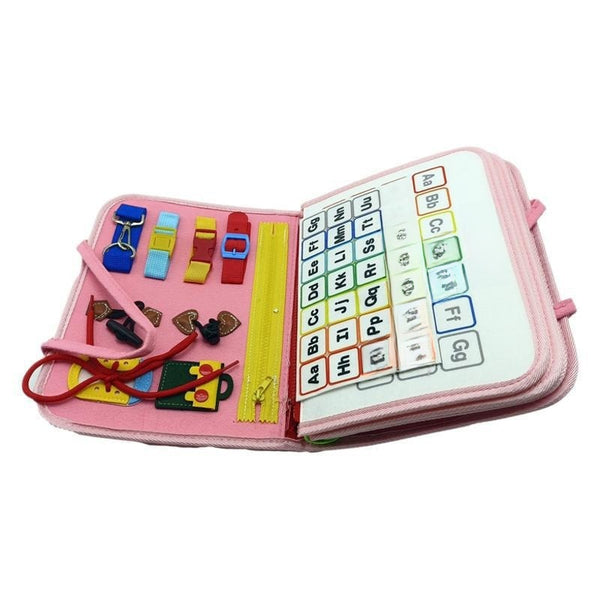
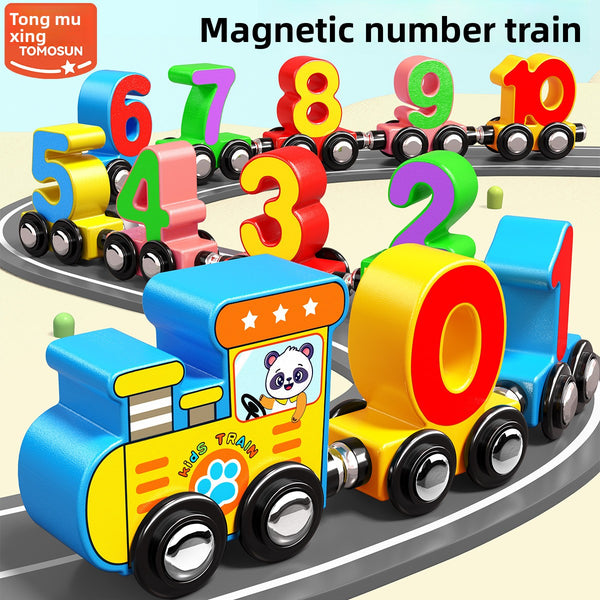


Favorite Montessori Math Activities for Preschoolers
Number Recognition
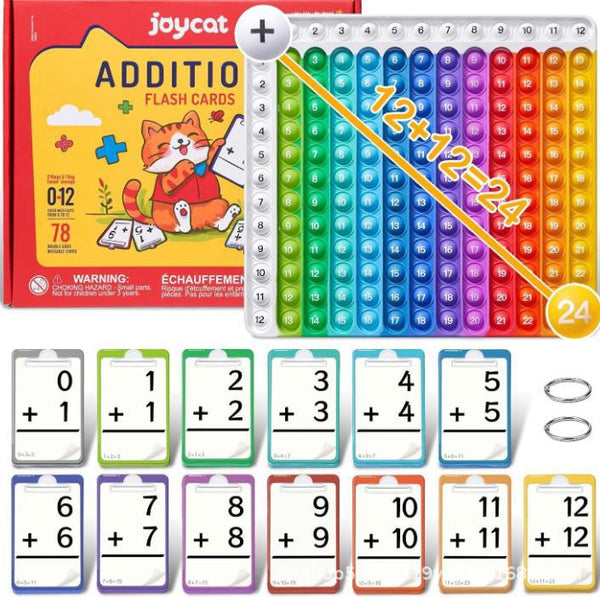
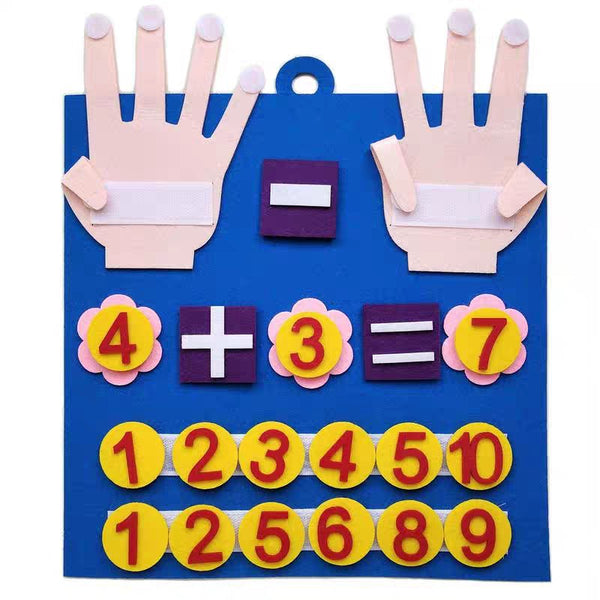
Use number cards, number rods, or sandpaper numbers to help children connect number symbols with real values.
Counting Practice
Counting beads, blocks, or small objects helps children practice one-to-one correspondence and number order.
Quantity Association
Children match numbers to groups of objects, helping them understand that each number represents a real amount.
Pattern Recognition
Simple color, shape, and number patterns help children build early logic and prediction skills.
Problem-Solving Games
Math bingo, counting hunts, matching games, and sorting challenges make learning feel playful and active.

Quick Guide: Montessori Math Activities by Learning Goal
Number Recognition
Best for helping children identify numbers and connect symbols with meaning.
Counting Exercises
Best for one-to-one counting, sequence, and quantity awareness.
Pattern Games
Best for early logic, observation, and problem-solving.
Math Challenges
Best for confidence, persistence, and independent thinking.
Final Thoughts: Why Montessori Math Toys Are Worth It
Montessori preschool math toys are a smart choice for helping children build early number confidence. They make math hands-on, visual, sensory, and enjoyable. Instead of memorizing numbers, children begin to understand how numbers work.
For preschoolers, this kind of playful math foundation can support future learning, stronger confidence, better problem-solving, and a more positive relationship with mathematics.
Explore Math & Counting ToysFrequently Asked Questions About Montessori Math Toys
1. What is a Montessori preschool math toy?
A Montessori preschool math toy is a hands-on learning tool that helps young children explore numbers, counting, quantity, patterns, and early problem-solving through play.
2. How does the Montessori method support math learning?
The Montessori method supports math learning by using concrete materials that children can touch, move, count, and compare before moving into abstract math ideas.
3. What are the benefits of Montessori math toys?
Montessori math toys help build number sense, fine motor skills, concentration, independence, problem-solving, and confidence with early math concepts.
4. Are Montessori math toys good for preschoolers?
Yes, they are excellent for preschoolers because they make numbers visual, hands-on, and easier to understand.
5. How do Montessori counting toys help children?
Montessori counting toys help children connect numbers with real quantities, practice sequence, and understand one-to-one counting.
6. How are Montessori math toys different from traditional math toys?
Montessori math toys focus on hands-on understanding and self-directed learning, while many traditional toys focus more on repetition or memorization.
7. Can Montessori math toys help children love math?
Yes, because they make math feel playful, calm, and achievable, children often become more confident and interested in numbers.
8. What Montessori math activities can I do at home?
You can try number matching, counting beads, sorting objects, tracing numbers, pattern games, and simple math scavenger hunts at home.


