

Eco-friendly educational toys are often marketed with words such as natural, green, sustainable or non-toxic. Those words can be useful starting points, but they do not all mean the same thing. A responsible purchase requires looking at the actual material, finish, construction, packaging, expected lifespan and evidence behind any certification claim.
The most sustainable-looking toy is not automatically the lowest-impact choice. A durable construction set used for years may create more value than a poorly made wooden toy that breaks quickly. A repairable toy, a shared sibling set or a carefully inspected secondhand item can also reduce repeated purchasing.
This guide helps parents compare wooden, textile, reusable and mixed-material toys without relying on vague marketing. It includes questions to ask, claims to verify, maintenance ideas and ways to choose fewer toys with longer useful lives.
Choose toys for long-term play
Explore sturdy Montessori-style toys for matching, stacking, building and repeated hands-on use.
Shop Montessori Educational Toys
Jump to a Section
Move Beyond the Green Label
Eco-friendly is a broad marketing phrase rather than one universal standard. A company may use it because a toy contains wood, arrives in less packaging, uses recycled content or is intended to last. These features are different and should be checked separately.
Begin by asking which impact matters most to your family. You may prioritize renewable or recycled materials, repairability, low packaging, fewer batteries, local availability or the ability to pass the toy to another child. A clear priority makes comparison practical.
Look at the entire product. A wooden body may include plastic connectors, electronic parts, paint, glue and mixed packaging. Mixed materials are not automatically poor choices, but they can affect repair and end-of-life options. Product information should identify major materials rather than relying on photographs.
Frequency of use matters too. A toy that supports many activities, matches the child’s interests and remains useful as play changes may reduce the need for several narrow products.
Important: This guide does not certify any specific toy as sustainable. Verify materials, testing, sourcing and certification documentation with the manufacturer or retailer before relying on a claim.
Compare Common Toy Materials Carefully
Wood
Wood can be renewable and durable, but sourcing, adhesives, finishes and construction quality matter. Look for specific information where provided.
Textiles
Cloth toys can be washable and lightweight. Check fibre content, dyes, filling, detachable parts and cleaning instructions.
Recycled plastic
Recycled content may reduce demand for virgin material, but families still need safety, durability and clear percentage information.
Conventional plastic
Well-made plastic can be washable and long-lasting. Prefer durable systems over disposable novelty items.
Metal
Metal can be strong and repairable, but weight, coatings, edges and rust resistance require attention.
Paper and cardboard
These materials work for cards, puzzles and crafts, though coatings and moisture resistance affect recycling and lifespan.
Natural does not automatically mean safer. Wood can splinter, heavy pieces can injure and poorly secured fabric parts can detach. Plastic does not automatically mean disposable. Judge the finished product, age guidance and quality controls.
Ask how materials are joined. Screws may allow approved repairs, while permanent glue or sealed electronics may not. A modular toy with replacement parts can stay useful longer than one discarded after a single component fails.

How to Check Environmental and Safety Claims
Specific claims are easier to evaluate than general ones. “Made with 70% recycled plastic” provides a measurable detail. “Planet-friendly” does not explain the material, manufacturing process or evidence.
When a product names a certification, look for the certifying organization, scope and certificate or licence details. A logo without context may apply only to packaging, one material or a supplier rather than the entire toy. Official documentation is stronger than a marketplace badge.
For wood, some families look for responsible forestry documentation. Textile standards may address chemical testing or organic fibre content. Different standards serve different purposes and should not be treated as interchangeable.
Read safety language carefully. “Meets applicable toy safety requirements” is different from claiming that a product is free from every possible substance. Requirements vary by market and age category. Buy products intended for the country where they will be used and keep traceable packaging.
- Ask what is certified: the whole toy, one material, the factory or the packaging?
- Look for an identifier: certificate number, licence holder or official database entry.
- Check current validity: certificates and standards can change.
- Separate safety and sustainability: one certification may not address both.
- Question absolutes: phrases such as completely non-toxic or zero impact require strong evidence.

Durability and Repairability Matter
A long-lasting toy spreads its material and manufacturing impact across years of use. Look for strong joints, protected edges, replaceable batteries, standard fasteners and parts that can be cleaned without damage.
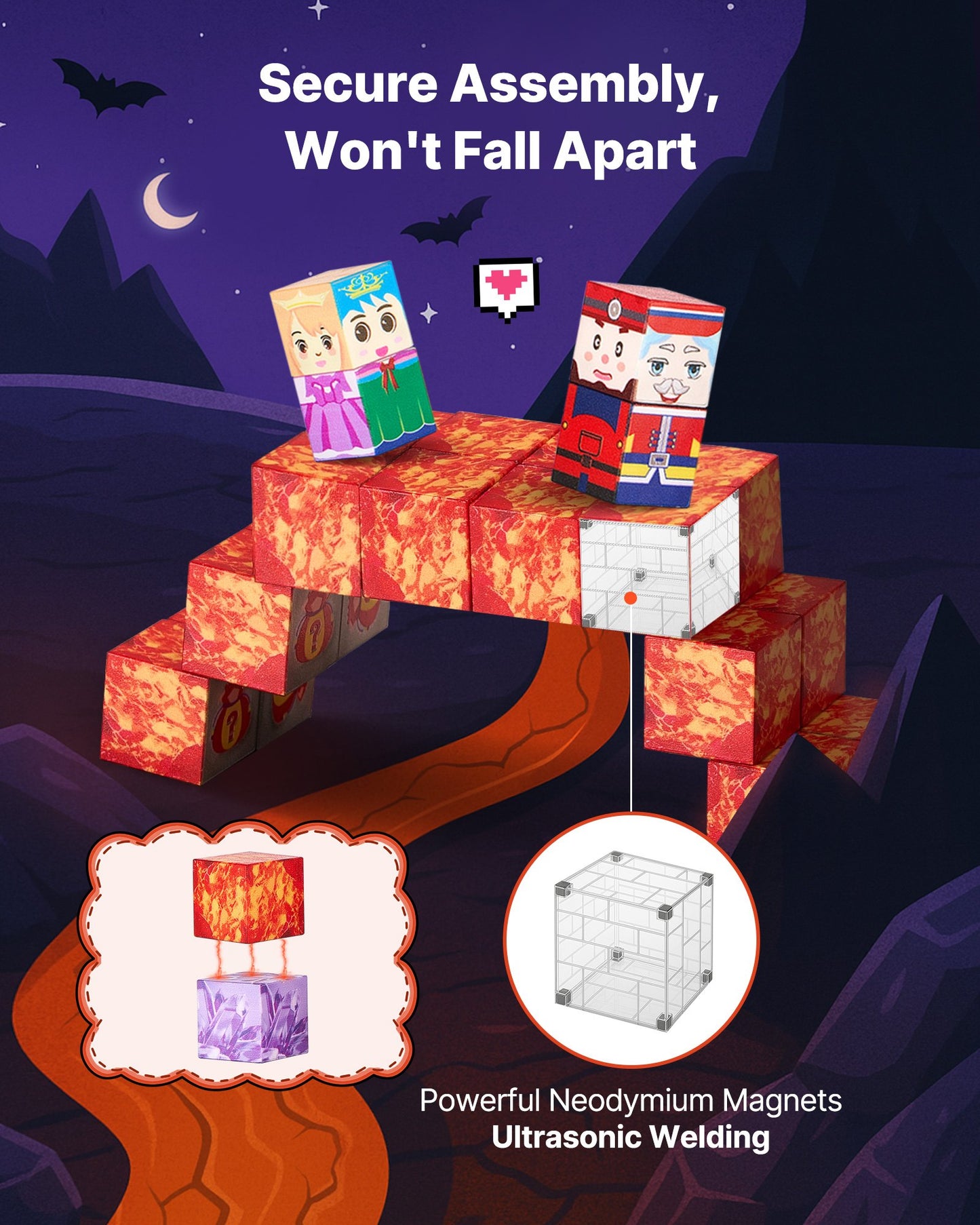
Consider likely failure points. Puzzle knobs, elastic cords, electronic doors, wheels and magnetic enclosures receive repeated stress. Product documentation and warranty terms can reveal whether repair or replacement support exists.
Repairability does not mean improvising unsafe fixes. Glue, tape or replacement hardware can change safety, especially around small parts, magnets, battery compartments or weight-bearing equipment. Follow manufacturer guidance and retire products that cannot be restored safely.
Availability of individual pieces can extend life. A company that supplies a missing puzzle part, connector or charging cable may prevent replacement of the whole set. Compatible open-ended systems may also accept future additions without making the original pieces obsolete.
Keep the model information and instructions. A photograph of the label and batch number helps families check recalls, obtain parts and pass accurate information to another owner.
Choose open-ended toys with repeat use
Browse building toys that support many designs instead of one short-lived activity.
Explore Building ToysChoose Lower-Waste Toys by Age and Stage
Babies
Prioritize washable, inspectable products made for mouthing and supervised floor play. A small high-use set is easier to maintain.
Toddlers
Choose sturdy large pieces, stackers, push toys and puzzles with secure components. Avoid buying years ahead.
Preschoolers
Open-ended blocks, pretend props, reusable drawing tools and matching games can support many stories.
School-age children
Construction systems, strategy games, science tools and craft equipment may support longer projects when refills exist.
Mixed-age families
Select a safe shared base collection, then store older children’s small parts separately.
A wide age range on the package does not guarantee that every stage will find the toy engaging. Look for several realistic play modes: stacking, sorting, patterning, building and storytelling.
Avoid buying complex kits long before a child can safely use them. Products may be lost, damaged in storage or outdated before they become relevant. Buy for present interests with modest room to grow.
Toy rotation can renew attention without purchasing more. Store part of the collection cleanly and return it later in a new combination.

Measure Value by Ways to Play
Long-term value comes from flexibility. Arches can become bridges, tunnels, enclosures or balance challenges. A reusable drawing tool can support marks, letters, maps and games. A fixed electronic routine may become familiar quickly even when it advertises many modes.
Before buying, list three activities the child could do now and two later uses. When the list depends on many adult-created additions, the toy may be less versatile than it appears.
Compatibility increases value. Blocks that work with figures and vehicles can support a larger play system. A board game with adjustable rules can include siblings. A microscope can support repeated observations instead of one packaged sample.
Child interest remains essential. A durable toy that does not match how the child plays may remain unused. Observe whether the child enjoys building, drawing, movement, stories, puzzles or detailed projects.
A large collection is not automatically more educational. A smaller visible selection can be easier to choose, begin and clean up.

Secondhand, Sharing and Passing Toys Forward
Secondhand toys can reduce demand for new products and make durable sets more affordable, but each item needs a safety review. Check current recalls, age guidance, missing instructions and whether the product has been modified.
Avoid products when safety depends on an unknown history, especially damaged battery toys or equipment with hidden structural wear. For ordinary puzzles, blocks and games, inspect every piece for splinters, cracks, corrosion, loose magnets, peeling finishes and choking hazards.
Confirm that the set is complete enough to function. A missing decorative piece may not matter, while a missing structural connector can make the toy unsafe or frustrating. Download official instructions when available.
Clean according to the material. Soaking wood, using harsh chemicals or machine-washing unsupported textiles can damage finishes and joints. Let items dry fully before storage.
When passing a toy forward, include the model name, age recommendation, instructions and known repairs. Do not donate unsafe items merely to avoid disposal.

Eco-Conscious Toy Buying Checklist
- Actual material: look for percentages, fibre content, wood information and mixed components.
- Evidence: verify named certifications through official documentation.
- Safety fit: confirm age guidance, testing market and part size.
- Expected lifespan: inspect joints, finishes, wheels and fasteners.
- Repair support: check warranties, replacement pieces and approved repairs.
- Cleaning method: make sure maintenance is realistic for your household.
- Battery dependence: decide whether electronics add lasting play value.
- Packaging: examine quantity, material and traceability information.
- Replay value: choose multiple meaningful activities rather than many effects.
- End of use: consider resale, sharing and local disposal options.
Price alone does not reveal environmental quality. An expensive toy may use vague claims, while an affordable basic toy may last for years. Compare evidence and expected use instead of assuming premium branding guarantees sustainability.

Care and Storage Extend Toy Life
Follow cleaning instructions for the actual material. Wipe wood as directed rather than soaking it. Dry metal and water toys fully. Wash textiles only according to their labels and keep electronics away from moisture.
Store pieces where they are visible and protected. Divided containers suit puzzles and games; open baskets may work for large blocks. Label sets so missing components can be noticed early.
Inspect high-use items regularly. Check seams, fasteners, wheels, cords, battery covers, magnets and finishes. Remove damaged toys until the manufacturer confirms a safe repair or replacement.
Teach age-appropriate care without blaming children for normal wear. Model returning caps, carrying a tray and counting game pieces. A simple reset routine helps toys remain complete enough for siblings, resale or donation.
Frequently Asked Questions
What does eco-friendly toy mean?
It is a broad phrase. Check the specific material, sourcing, durability, packaging, repairability and evidence behind each claim.
Are wooden toys always eco-friendly?
No. Wood source, finish, glue, construction, lifespan and shipping all matter.
Are plastic toys always a poor choice?
No. Durable and frequently used plastic toys may have long useful lives. Avoid disposable novelty products and vague claims.
Which certifications should I look for?
Verify the certifying organization, scope, licence details and current validity for the specific claim.
Is secondhand better than new?
It can reduce new purchasing when the product is complete, unrecalled, cleanable and safe after inspection.
How can I tell whether a toy will last?
Inspect joints, finishes and connectors, then review warranty, replacement-part and care information.
Do rechargeable toys have less impact?
They may reduce disposable battery use, but battery lifespan, repairability and actual play value still matter.
Is minimal packaging always better?
Reducing unnecessary packaging can help, but packaging also protects products and carries safety information.
How many toys should I buy?
There is no universal number. A smaller selection of well-used, varied toys is often easier to maintain.
Can any toy be guaranteed sustainable?
No product is impact-free. Compare evidence, lifespan, repair and end-of-life options rather than expecting a perfect label.
Buy Less Often by Choosing More Carefully
An eco-conscious purchase begins with specific questions rather than a green colour palette. Identify the material, verify claims, inspect wear points and decide whether the toy supports several kinds of play.
Durability, repairability, cleaning and child interest determine whether a toy remains useful. Sharing, secondhand buying and rotation can extend that life further.
Build a durable, open-ended toy collection
Explore Montessori-style toys for stacking, matching, sorting and repeat play.
Shop Montessori Educational ToysContinue Shopping by Learning Goal
Start with Educational Toys, then explore Montessori Toys and Problem-Solving Toys.
Secure checkout • Free worldwide shipping • Review current product details