

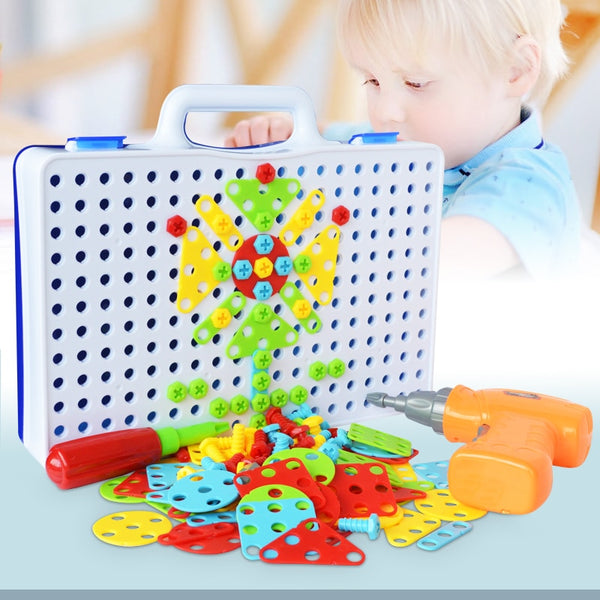
Puzzles are one of the simplest and smartest ways to turn everyday play into meaningful learning. The right puzzle can help children build patience, problem-solving skills, memory, hand-eye coordination, focus, and confidence. But not every puzzle works for every age. A puzzle that feels exciting and rewarding for one child may feel too easy or too frustrating for another.
That is exactly why learning how to select age-appropriate puzzles for children matters so much. When a puzzle matches a child’s developmental stage, it becomes more than just a toy. It becomes a valuable learning tool that supports growth while still feeling fun and achievable.
In this guide, you will learn how to choose puzzles for infants, toddlers, preschoolers, school-aged kids, and older children, along with the most important features to look for at each stage. Puzzles also pair beautifully with educational toys, puzzle brain teasers, problem-solving play sets, educational board games, and early development toys for a stronger learning environment at home.
Table of Contents
Not Every Puzzle Helps Every Child Learn Well
Puzzles are often seen as universal learning toys, but the truth is that the wrong puzzle can quickly lead to boredom or frustration. If a puzzle is far too easy, a child may lose interest right away. If it is too difficult, they may give up before they can enjoy the challenge or feel successful.
That is why choosing a puzzle based on age, developmental stage, interests, and skill level is so important. The right puzzle meets a child where they are and gently encourages them to grow from there.
A Poor Puzzle Match Can Turn Learning Into Frustration
Children learn best when they feel challenged but capable. A puzzle that is too advanced can create stress instead of curiosity. A puzzle that is too simple may not build any new skills at all. In both cases, the learning opportunity becomes weaker.
When puzzles are chosen well, they teach children how to persist, experiment, observe, and solve. When they are chosen poorly, children may stop engaging and miss out on the confidence-building benefits that make puzzle play so valuable.
Age-Appropriate Puzzles Make Learning Feel Natural and Fun
The best age-appropriate puzzles support a child’s current abilities while giving them just enough challenge to stay engaged. This is what makes puzzles such powerful learning tools. They can help children improve cognitive skills, visual perception, motor coordination, memory, logical thinking, and patience in a way that feels playful rather than forced.
From sensory puzzles for infants to word puzzles for school-aged kids and logic-based challenges for older children, the right puzzle at the right time can support learning across many stages of development.
Looking for toys that help children think and grow?
Explore hands-on learning toys that support memory, logic, coordination, and problem-solving through meaningful play.
Explore Puzzle & Brain Teasers
Understanding Your Child’s Puzzle-Playing Stage
A helpful way to choose the right puzzle is to look at your child’s developmental stage before focusing only on age printed on the box. Children do not all grow at the same pace, so the best puzzle is one that matches their real abilities and interests.
In general, these stages can help guide your choice:
Infants (0–1 year)
Focus on sensory play, safe materials, simple shapes, and hand-eye coordination.
Toddlers (1–3 years)
Look for chunky pieces, simple shape-matching, bright colors, and basic cause-and-effect learning.
Preschoolers (3–5 years)
Choose more complex shapes, simple jigsaws, letters, numbers, and early logic puzzles.
School-Aged Kids (6+ years)
Explore word puzzles, mazes, tangrams, crosswords, number puzzles, and multi-step problem-solving games.
The best puzzle does not just match a child’s age. It matches their current confidence, curiosity, and ability to stay engaged.
Choosing Puzzles for Infants, Toddlers, and Preschoolers
Safe and Simple Puzzles for Tiny Hands
For infants and toddlers, safety comes first. Look for puzzles with large pieces, smooth edges, sturdy materials, and non-toxic finishes. Wooden puzzles are often a strong choice because they are durable, tactile, and easy to handle. These also pair well with early development toys.
Textures, Sounds, and Basic Shapes
Younger children benefit from puzzles that engage the senses. Textured pieces, sound-based puzzles, and simple shape boards can help babies and toddlers build sensory awareness while strengthening hand-eye coordination.
Preschool Puzzles That Build Early Learning Skills
Preschoolers are often ready for slightly more complex puzzles, including simple jigsaws, matching puzzles, letter puzzles, and number puzzles. These help support memory, vocabulary, early math awareness, and visual reasoning.
Sensory Development Through Puzzle Play
Puzzles can also play an important role in sensory learning. Bright colors, high contrast visuals, different textures, and sound elements support early brain development in a very natural way. These work especially well alongside sensory learning toys.
Choosing Puzzles for School-Aged Children
Word and Number Puzzles for Literacy and Numeracy
Once children reach school age, puzzles can become more academic while still feeling fun. Word searches, crosswords, spelling puzzles, and number games are excellent for building literacy and numeracy in a more playful format.
Mazes and Tangrams for Spatial Reasoning
Mazes, tangrams, and visual logic puzzles help children build planning skills, visual processing, and spatial awareness. These are especially useful for children who enjoy hands-on thinking challenges. They also fit naturally with problem-solving play sets.
Cooperative Puzzle Games for Social Skills
Some puzzles are especially good for social learning because they encourage children to work together. Cooperative puzzle games help kids practice communication, turn-taking, patience, and teamwork, which makes them a great option for siblings or classroom settings.
Educational Puzzles That Broaden Knowledge
School-aged children also do well with educational puzzles based on geography, science, history, and art. These can help children connect school subjects to play and are a great match for educational toys and educational board games.
Choosing Puzzles for Tweens and Teens
3D Puzzles and Brainteasers
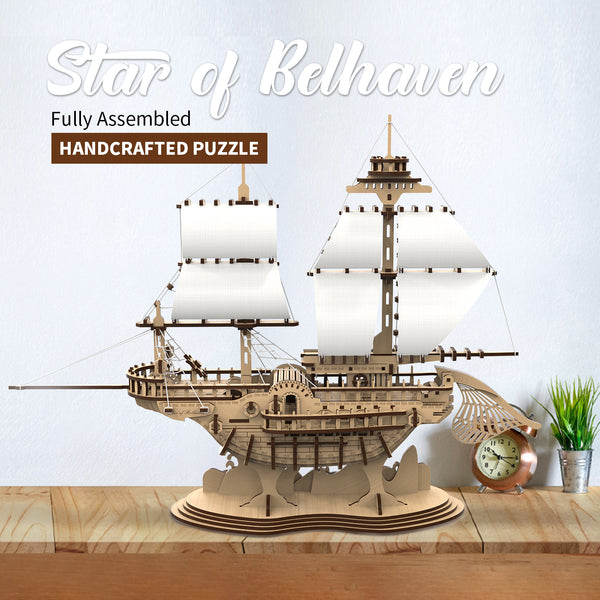
Older children often enjoy puzzles that feel more sophisticated and mentally challenging. 3D puzzles, advanced jigsaws, and brainteasers can strengthen persistence, visual reasoning, and multi-step problem-solving.
Escape Room and Logic Puzzles
Escape room style puzzles, cryptography challenges, and logic games are especially effective for promoting critical thinking. They also tend to feel exciting for older children because they offer challenge, mystery, and a goal to solve.
Team-Building and Competitive Puzzle Play
Advanced puzzles can also become social experiences. Team-based brainteasers, timed puzzle challenges, and complex construction puzzles help older kids develop collaboration and strategic thinking while keeping learning interesting.

Digital Puzzles vs Physical Puzzles
Digital puzzles can be a useful addition to learning, especially for children who enjoy interactive games, visual feedback, and quiz-based formats. There are many educational apps that help children practice logic, coding, vocabulary, and math through puzzles.
At the same time, physical puzzles still offer benefits that screens cannot fully replace. They build fine motor skills, hand-eye coordination, tactile learning, and real-world spatial understanding. A strong learning routine often includes a healthy balance of both.
When possible, combine hands-on puzzle play with carefully chosen digital tools in moderation. This creates a more rounded learning experience and helps children benefit from both formats.
Age-Appropriate Puzzle Guide: Quick Comparison Cards
These mobile-friendly comparison cards can help parents choose the right type of puzzle based on age and learning focus.
Infants
Best for: Sensory exploration
Main benefits: Touch, sound, shape recognition
Best puzzle type: Large sensory boards
Toddlers
Best for: Simple matching and motor practice
Main benefits: Coordination, basic logic
Best puzzle type: Chunky wooden puzzles
Preschoolers
Best for: Early academic learning
Main benefits: Letters, numbers, memory
Best puzzle type: Simple jigsaws and matching sets
School-Aged Kids
Best for: Logic and skill-building
Main benefits: Literacy, numeracy, reasoning
Best puzzle type: Word puzzles, mazes, tangrams
Tweens & Teens
Best for: Advanced challenge
Main benefits: Critical thinking, perseverance
Best puzzle type: 3D puzzles and logic games
All Ages
Best for: Flexible family learning
Main benefits: Focus, teamwork, fun
Best puzzle type: Cooperative puzzles and games
Safety First: What to Check Before You Buy a Puzzle
Safety is especially important when choosing puzzles for younger children. Always check piece size, materials, and recommended age range before buying. Large pieces help reduce choking risk, while smooth edges and durable construction help make puzzle play safer and more enjoyable.
It is also a good idea to inspect puzzles regularly for wear and tear. Broken corners, peeling layers, or loose pieces can reduce safety and make the toy less pleasant to use.
Whenever possible, choose non-toxic materials and sturdy designs that will hold up to repeated use. This gives your child a safer experience and also makes the puzzle a better long-term value.
How to Choose the Right Puzzle for Learning
Check the Recommended Age Range
The age label on the box is a useful starting point, especially for safety. It helps you understand the intended challenge level and piece size.
Match the Puzzle to Skill Level
Pay attention to your child’s attention span, hand skills, and confidence with similar activities. The best puzzle is one that feels achievable but still invites thinking.
Follow Their Interests
A child who loves animals, space, vehicles, numbers, or stories is more likely to stay engaged when the puzzle theme matches what they already enjoy.
Think About Learning Goals
Some puzzles build vocabulary. Some strengthen fine motor control. Others support logic, memory, or strategy. Choosing with a goal in mind helps you make smarter selections over time.
Final Thoughts
Selecting age-appropriate puzzles for learning is one of the easiest ways to make playtime more educational without taking the fun out of it. The right puzzle supports a child’s current stage, keeps them engaged, and gently helps them build new abilities over time.
Whether your child is just beginning with large sensory puzzles or ready for advanced brainteasers and logic games, there is a puzzle style that can meet them where they are. The goal is not to rush the challenge. It is to help them enjoy the process of thinking, trying, and succeeding.
Ready to choose smarter puzzles for learning through play?
Discover puzzles, games, and educational toys that help children build focus, logic, memory, and confidence every day.
Shop Educational PuzzlesFrequently Asked Questions About Age-Appropriate Puzzles
1. What makes a puzzle age-appropriate?
An age-appropriate puzzle matches a child’s developmental stage, skill level, attention span, and safety needs.
2. Why is it important to choose the right puzzle by age?
The right puzzle keeps children engaged and learning, while a poor match can lead to boredom or frustration.
3. Are puzzles good for child development?
Yes, puzzles support cognitive development, memory, focus, fine motor skills, patience, and problem-solving.
4. What kind of puzzles are best for infants?
Infants do best with large, safe sensory puzzles that include simple shapes, textures, and easy-to-handle pieces.
5. What puzzles are best for toddlers?
Toddlers often enjoy chunky wooden puzzles, shape sorters, and simple matching puzzles with bright colors and large pieces.
6. What puzzles are best for preschoolers?
Preschoolers usually do well with simple jigsaws, alphabet puzzles, number puzzles, and matching games.
7. What puzzles are best for school-aged children?
School-aged children often enjoy word puzzles, number puzzles, tangrams, mazes, and logic-based problem-solving games.
8. Are word puzzles educational?
Yes, word puzzles can improve vocabulary, spelling, reading skills, and general language confidence.
9. Are number puzzles good for learning math?
Yes, number puzzles can help children practice counting, pattern recognition, logic, and early numeracy skills.
10. How do puzzles help problem-solving?
Puzzles encourage children to compare, test, observe, and try different solutions until they find the right one.
11. How do puzzles help patience?
Puzzles teach children that some goals take time, focus, and repeated effort, which helps build patience and persistence.
12. What are tangrams good for?
Tangrams help children build spatial reasoning, shape recognition, visual problem-solving, and creativity.
13. Are mazes educational?
Yes, mazes support planning, attention, visual tracking, and logical thinking.
14. What are good puzzles for tweens and teens?
Older kids often enjoy 3D puzzles, brainteasers, logic games, escape room puzzles, and advanced construction challenges.
15. Are digital puzzles useful for learning?
Yes, digital puzzles can support learning, especially when they are age-appropriate and used in balance with physical play.
16. Are physical puzzles better than digital puzzles?
Physical puzzles are especially strong for fine motor skills and tactile learning, while digital puzzles can add variety and interactivity.
17. How do I know if a puzzle is too hard?
A puzzle may be too hard if your child becomes repeatedly frustrated, loses interest quickly, or cannot make progress even with help.
18. How do I know if a puzzle is too easy?
A puzzle may be too easy if your child solves it instantly every time and no longer seems challenged or interested.
19. Are wooden puzzles good for toddlers?
Yes, wooden puzzles are often an excellent choice for toddlers because they are durable, tactile, and easy to handle.
20. Are sensory puzzles useful for babies?
Yes, sensory puzzles can support touch, sound awareness, visual focus, and early motor coordination in babies.
21. Can puzzles help social skills?
Yes, cooperative puzzles and shared puzzle games can help children practice communication, teamwork, and turn-taking.
22. Are themed puzzles helpful?
Yes, themed puzzles can keep children more engaged by connecting learning to their interests such as animals, space, vehicles, or history.
23. Should I follow the age label on the puzzle box?
Yes, the age label is a useful guide, especially for safety, but you should also consider your child’s actual skill level and interests.
24. What safety features matter most in a puzzle?
Look for non-toxic materials, smooth edges, sturdy construction, and pieces large enough to avoid choking risks for young children.
25. How often should I check puzzle toys for damage?
It is a good idea to inspect puzzle toys regularly for broken pieces, sharp edges, peeling layers, or wear and tear.
26. Are puzzles good gifts for kids?
Yes, puzzles make thoughtful gifts because they combine fun, challenge, and educational value across many ages.
27. Can I make puzzles at home?
Yes, DIY puzzles made from cardboard, drawings, photos, or household items can be a fun and personalized learning activity.
28. Why is puzzle variety important?
A range of puzzle types helps children build different skills and keeps puzzle play interesting over time.
29. How can I keep my child motivated with puzzles?
Choose puzzles that match their skill level, follow their interests, celebrate progress, and gradually increase the challenge over time.
30. Where can I find more educational puzzles and learning toys?
You can explore educational puzzles, brainteasers, and hands-on learning collections at WonderKidsToy to support smarter play at every stage.