
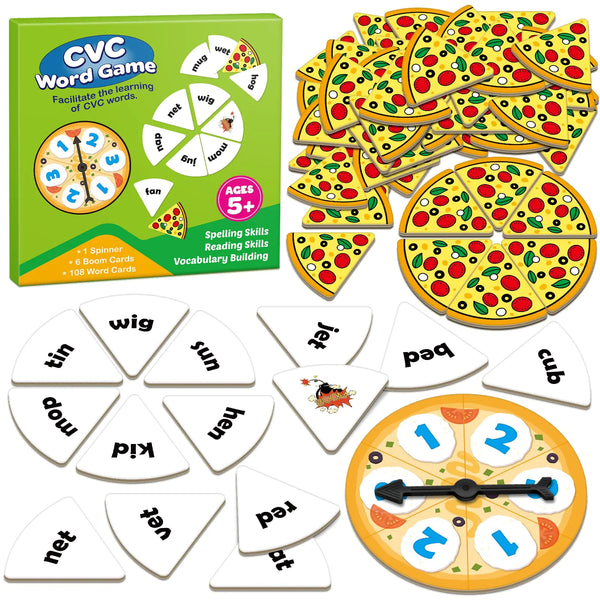


Preschoolers learn best when play feels hands-on, exciting, and meaningful. That is exactly why educational puzzles for preschoolers remain one of the smartest toy choices for early learning. A great puzzle does much more than keep little ones busy. It helps children think, observe, compare, sort, match, and solve problems in a playful way.
Many parents search for engaging puzzles for preschoolers, best educational puzzles for 3 year olds, and learning puzzles for toddlers and preschool kids because they want toys that support skill-building without feeling like work. The best puzzle toys help children build confidence, improve concentration, strengthen fine motor control, and enjoy the satisfaction of figuring something out on their own.
In this guide, you will discover why puzzles are so valuable in the preschool years, which puzzle types are most helpful, how to choose the right puzzle by age and skill level, and which categories make the best picks for growing young minds. Puzzle play also pairs beautifully with educational toys, problem-solving play sets, educational toys for 3 year olds, Montessori educational toys, and reading and writing toys to build a stronger early learning environment at home.
Table of Contents
Many Preschool Toys Keep Kids Busy, but Do Not Really Challenge Their Minds
A lot of toys can grab a preschooler’s attention for a few minutes. They may light up, make sounds, or create quick excitement, but that does not always mean they support meaningful learning. Parents often notice that some toys entertain without helping children think more deeply, solve problems, or stay focused for long.
Preschoolers are at an important stage where their brains are rapidly developing. They need toys that encourage them to compare, match, notice details, and persist through little challenges. That is exactly where puzzle toys stand out.
Without Hands-On Problem Solving, Preschoolers Miss Valuable Early Learning Opportunities
The preschool years are the perfect time to build attention, patience, visual thinking, and confidence. Children learn by doing, not just by watching. If play stays too passive, they miss out on important opportunities to test ideas, make corrections, and feel the joy of figuring things out for themselves.
Puzzles give preschoolers a safe and age-appropriate challenge. They teach children that trying again is part of learning. That kind of early resilience matters far beyond puzzle time and supports stronger habits in school and everyday life.
Educational Puzzles Turn Playtime Into Thinking Time
Educational puzzles for preschoolers combine fun with developmental value. Children match pieces, identify shapes, notice patterns, explore categories, and solve simple visual challenges through play. As they do this, they build important skills like fine motor control, hand-eye coordination, focus, memory, and problem-solving.
The best puzzles are engaging without being frustrating. They invite children to try, observe, and succeed step by step. That makes puzzles one of the best categories for parents who want screen-free learning toys for preschoolers that actually grow with their child.
Looking for toys that build focus, confidence, and problem-solving skills?
Explore educational puzzles and brain-building toys designed to help preschoolers learn through joyful hands-on play.
Shop Puzzle & Brain Teasers
What Are Educational Puzzles for Preschoolers?
Educational puzzles for preschoolers are age-appropriate puzzle toys designed to help young children learn through visual matching, shape recognition, sequencing, and problem-solving. These can include wooden peg puzzles, floor puzzles, shape sorters, alphabet puzzles, color-matching puzzles, animal puzzles, lift-and-learn puzzles, and simple themed jigsaw puzzles.
Unlike more advanced puzzles for older children, preschool puzzles are designed with larger pieces, simpler challenges, and colorful themes that support early development. They are meant to be approachable, confidence-building, and fun to repeat again and again.
Why Puzzles Matter for Preschool Development
They Strengthen Fine Motor Skills
Picking up, turning, and fitting pieces helps preschoolers improve finger strength, grip control, and coordination.
They Improve Problem-Solving
Children learn to compare shapes, notice patterns, test ideas, and keep trying until the puzzle works.
They Build Focus and Patience
Puzzles encourage children to slow down, observe carefully, and stay engaged in one task longer.
They Grow Confidence
Completing a puzzle gives preschoolers a real sense of accomplishment and helps them feel proud of their effort.
Puzzle play also connects naturally with problem-solving play sets and Montessori educational toys because all of these support independent discovery, concentration, and hands-on learning.
The best preschool puzzles do not just keep children occupied. They teach kids to observe, think, compare, and solve little challenges with confidence.
Best Types of Educational Puzzles for Preschoolers
Shape and Color Puzzles
These are wonderful first puzzles because they help preschoolers identify basic shapes, match colors, and notice visual differences. They are simple, satisfying, and highly repeatable.
Animal and Theme Puzzles
Animal puzzles, farm puzzles, vehicle puzzles, and other themed sets are great for children who love familiar images and storytelling. These puzzles also help build vocabulary and category recognition.
Alphabet and Literacy Puzzles
Alphabet puzzles support letter recognition and early literacy skills. They pair especially well with reading and writing toys and language learning toys.
Lift-and-Learn Puzzles
These puzzles often include simple facts, labels, or visual discoveries hidden beneath each piece. They are great for curiosity, memory, and tactile learning.
Floor Puzzles for Preschoolers
Large floor puzzles are fun for children who enjoy bigger movement-based play. They support visual tracking, teamwork, and full-body engagement while still building important cognitive skills.
Top Educational Puzzle Picks for Preschoolers
Instead of choosing a puzzle only by theme, it helps to choose by the skill you want to support most. Here are some of the strongest puzzle categories for preschool-age children.
Best for First-Time Puzzle Solvers
Large-piece shape puzzles, chunky wooden puzzles, and simple color-matching puzzles are ideal for beginners. These build success quickly and help children understand how puzzle play works.
Best for Fine Motor Development
Peg puzzles, lift-and-learn puzzles, and wooden inset puzzles are excellent for improving hand control, grip strength, and coordination.
Best for Early Literacy and Language Skills
Alphabet puzzles, word-picture matching puzzles, and themed story puzzles are especially strong for language-rich play and vocabulary building.
Best for Problem-Solving Growth
Simple jigsaw puzzles, sequencing puzzles, and category-based puzzles help preschoolers notice relationships, compare options, and think through solutions.
Best for Screen-Free Independent Play
Wooden preschool puzzles, Montessori-style matching activities, and floor puzzles are excellent for calm independent play that still feels active and educational.

Educational Puzzle Types: Quick Comparison Cards
This mobile-friendly comparison card layout makes it easier for parents to choose the right puzzle type based on skill level, age, and learning focus.
Shape & Color Puzzles
Best for: beginners and younger preschoolers
Main benefits: matching, color recognition, shape learning
Typical age: 2.5 to 4 years
Animal & Theme Puzzles
Best for: children who love familiar themes
Main benefits: vocabulary, visual matching, storytelling
Typical age: 3 to 5 years
Alphabet Puzzles
Best for: preschoolers building early literacy
Main benefits: letter recognition, phonics readiness, vocabulary
Typical age: 3 to 5 years
Lift-and-Learn Puzzles
Best for: curious learners
Main benefits: tactile play, memory, simple concept learning
Typical age: 3 to 5 years
Floor Puzzles
Best for: active preschoolers who enjoy movement
Main benefits: full-body engagement, teamwork, spatial awareness
Typical age: 3 to 6 years
Simple Jigsaw Puzzles
Best for: preschoolers ready for a challenge
Main benefits: problem-solving, persistence, visual discrimination
Typical age: 4 to 6 years
How to Choose the Best Puzzle for a Preschooler
Choose the Right Difficulty Level
A puzzle should feel challenging enough to be interesting but not so hard that it becomes frustrating. Preschoolers usually do best with large pieces, clear images, and a manageable number of parts.
Match the Theme to the Child’s Interests
Children stay engaged longer when they care about the theme. Animals, vehicles, shapes, letters, and nature are often especially popular in the preschool years.
Look for Strong, Safe Materials
Sturdy wooden pieces, thick cardboard, smooth edges, and child-safe finishes matter because preschoolers learn with their hands and need durable toys that last.
Pick Puzzles That Can Be Used Repeatedly
The best puzzles remain enjoyable over time and do not feel like one-time toys. Repetition is valuable in early learning because it reinforces visual recognition, confidence, and mastery.
Think About Skill Goals
Some puzzles are better for fine motor control, some for literacy, and some for visual problem-solving. Choosing with a goal in mind can help you build a more balanced early learning setup.
How to Use Preschool Puzzles in Home Learning
Puzzles are easy to use in everyday routines. A simple morning puzzle can create calm focus before the day begins. A floor puzzle after nap time can bring back energy in a structured way. A themed puzzle before storytime can also connect well to vocabulary and imagination.
Parents can also use puzzle time as a chance to build language. Ask questions like “What do you notice?” “Where do you think this piece belongs?” or “Can you find another animal piece?” These little conversations turn puzzle play into richer educational interaction.
Puzzles also work beautifully alongside educational board games, early development toys, and language learning toys to create more balanced screen-free learning at home.
Final Thoughts
Educational puzzles for preschoolers are one of the best ways to combine fun, focus, and early learning. They help children build important developmental skills while still feeling like joyful, low-pressure play. From shapes and animals to letters and floor puzzles, the right puzzle can turn a simple activity into a powerful learning experience.
If you want a toy that supports patience, confidence, visual thinking, and problem-solving in the preschool years, puzzles are one of the strongest categories to choose. They are simple, timeless, and deeply effective.
Ready to make playtime more thoughtful and skill-building?
Discover educational puzzles and brain-building toys that help preschoolers learn through matching, solving, and hands-on exploration.
Explore Preschool Puzzle ToysFrequently Asked Questions About Educational Puzzles for Preschoolers
1. Why are puzzles good for preschoolers?
Puzzles help preschoolers build fine motor skills, hand-eye coordination, patience, focus, visual thinking, and early problem-solving through hands-on play.
2. What age should a child start doing puzzles?
Many children can begin with simple chunky or shape puzzles around age 2, then move into more detailed preschool puzzles between ages 3 and 5.
3. What type of puzzle is best for a 3 year old?
Large-piece shape puzzles, animal puzzles, color puzzles, and chunky wooden puzzles are often excellent choices for many 3 year olds.
4. Are floor puzzles good for preschoolers?
Yes, floor puzzles are great for preschoolers because they combine full-body movement with visual matching, focus, and problem-solving.
5. Do puzzles help preschoolers learn to solve problems?
Yes, puzzles teach children to compare pieces, test ideas, make corrections, and keep trying until they find the right solution.
6. How do puzzles improve fine motor skills?
Children strengthen fine motor skills by picking up pieces, turning them, fitting them into place, and using careful hand movements during puzzle play.
7. Are wooden puzzles better for preschoolers?
Wooden puzzles are often a great choice because they are durable, easy for small hands to handle, and usually designed for repeated early learning play.
8. What skills do alphabet puzzles build?
Alphabet puzzles can support letter recognition, early literacy, phonics awareness, vocabulary building, and pre-reading confidence.
9. Are shape puzzles educational?
Yes, shape puzzles help children recognize forms, compare sizes, build matching skills, and strengthen visual discrimination in a playful way.
10. Do preschool puzzles help children focus better?
Yes, puzzles encourage preschoolers to slow down, pay attention, observe carefully, and stay with one task longer, which helps build concentration over time.
11. What are lift-and-learn puzzles?
Lift-and-learn puzzles are puzzles with raised or removable pieces that often reveal pictures, labels, or hidden details underneath for extra learning.
12. Are animal puzzles good for preschool learning?
Yes, animal puzzles are excellent because they help with vocabulary, theme recognition, matching, and storytelling while still feeling playful and familiar.
13. How many pieces should a preschool puzzle have?
It depends on the child, but many preschoolers do best with larger, manageable puzzles that are challenging without being overwhelming. Simpler designs often work best first.
14. Can puzzles help preschoolers feel more confident?
Yes, finishing a puzzle helps preschoolers feel successful and proud, which builds confidence and encourages them to take on new challenges.
15. Are preschool puzzles good for independent play?
Yes, many preschool puzzles are excellent for independent play because they give children a clear task and a satisfying goal they can work toward at their own pace.
16. Do puzzles help with hand-eye coordination?
Yes, children use hand-eye coordination constantly during puzzle play as they look closely at pieces and guide them into the right place.
17. What are the best puzzle themes for preschoolers?
Popular themes include animals, farms, vehicles, colors, shapes, letters, nature, and simple world or space themes that are visually exciting and easy to understand.
18. Can puzzles support early math skills?
Yes, puzzles can support early math thinking by helping children compare sizes, recognize shapes, notice patterns, and understand spatial relationships.
19. Do puzzles reduce screen time in a positive way?
Yes, puzzles are a strong screen-free activity because they keep children engaged with real hands-on learning and active thinking.
20. How can parents make puzzle time more educational?
Parents can talk through the process, name shapes or animals, ask questions, and encourage children to explain what they notice while they solve the puzzle.
21. Are Montessori-style puzzles good for preschoolers?
Yes, Montessori-style puzzles often support concentration, independent learning, tactile exploration, and calm problem-solving in a way that fits preschool development well.
22. Can puzzles be part of homeschool learning?
Absolutely. Puzzles are easy to include in homeschool routines because they support fine motor development, early academics, attention, and screen-free discovery.
23. Are educational puzzles good gifts for preschoolers?
Yes, educational puzzles make excellent gifts because they are fun, reusable, skill-building, and suitable for both home play and learning routines.
24. What is the difference between a toy puzzle and an educational puzzle?
An educational puzzle is designed with a clearer developmental purpose, such as building matching, literacy, vocabulary, shapes, memory, or problem-solving skills through play.
25. Can preschoolers do jigsaw puzzles?
Yes, many preschoolers can enjoy simple jigsaw puzzles with larger pieces and clear images, especially as they gain more confidence with basic puzzle play.
26. How often should preschoolers play with puzzles?
Short, regular puzzle sessions are usually very effective. Even a few times per week can help preschoolers build steady skill growth and stronger confidence.
27. What puzzles are best for preschoolers who get frustrated easily?
Chunky shape puzzles, inset puzzles, and simple theme puzzles with fewer, larger pieces are often better for children who need early wins and a gentler learning curve.
28. Can puzzle play support language development?
Yes, puzzle play supports language when children name objects, talk about themes, answer questions, and describe what they are doing while solving the puzzle.
29. What should parents look for in a high-quality preschool puzzle?
Look for age-appropriate difficulty, sturdy child-safe materials, clear visuals, large pieces, and a theme that matches the child’s interests and learning stage.
30. Where can parents explore more educational puzzle options for preschoolers?
A dedicated puzzle and brain teaser collection is a great place to start because it brings together educational puzzle options designed to support preschool development through hands-on play.