
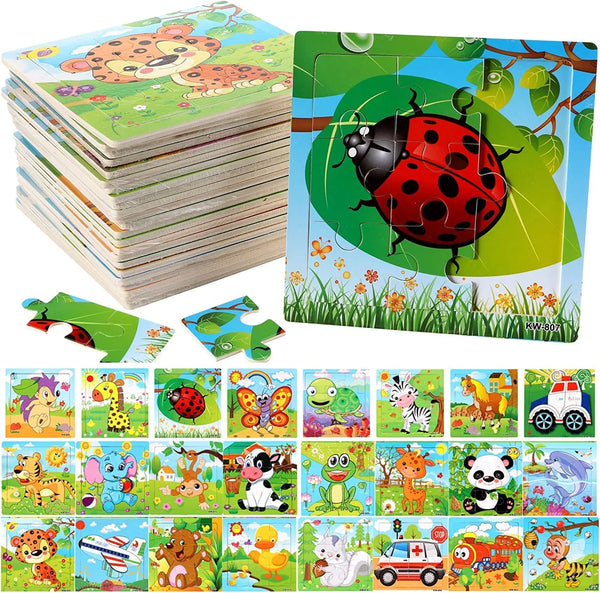
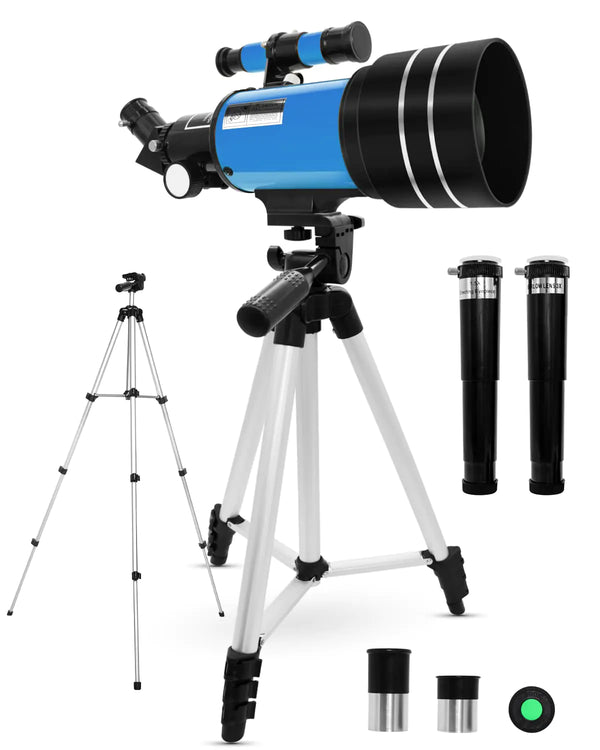

The world of animal science is a gateway to wonder for young minds. From understanding how a tiny ant builds its home to exploring the anatomy of prehistoric giants, biology offers endless opportunities for discovery. Animal science educational toys do more than just entertain; they serve as foundational instruments that help children understand the complex web of life and develop empathy for living creatures.
Many parents search for the best biology toys for kids because they want to nurture a natural curiosity for the natural world. Choosing toys that promote active discovery and hands-on experimentation is a smart way to foster future academic success. Exploring a high-quality science and nature toys collection is the first step in unlocking your child's scientific potential.
In this guide, you will learn about top-rated tools—from interactive habitats to detailed anatomy models—that make biology fun. These picks pair perfectly with educational toys and STEM toys to create a rich environment for early exploration.
Table of Contents
Why Abstract Science Often Fails to Stick
For many children, science in school can feel like a dry collection of facts and diagrams. Reading about a life cycle in a book is vastly different from building a habitat or observing metamorphosis in person. When kids are only taught through passive observation, they often lose interest in biological sciences before they even have a chance to explore them. This leads to a disconnect from nature and a lack of the "troubleshooting" skills required for scientific inquiry.
Families today want their children to be observant and analytical. They want tools that turn "life science" into a living, breathing experience at home rather than just another video to watch.
Why Missing Hands-On Science Stalls Cognitive Progress
The window for fostering a scientific mindset is widest during childhood. If a child's only interaction with biology is through a screen, they miss vital opportunities to develop spatial awareness and observational precision. Without the challenge of maintaining a habitat or identifying microscopic details, the development of high-level logic and responsibility can be delayed. This often results in a lack of "grit"—the persistence to follow an experiment through to the end.
Choosing specialized top biology toys ensures your child is learning how to think, not just what to memorize. By neglecting hands-on discovery, we risk raising kids who are consumers of technology rather than students of the world around them.
Animal Science Toys that Empower Active Discovery
The right animal science toys turn your home into a laboratory. Instead of just looking at pictures, kids build 3D Anatomy Models or observe Gel Ant Habitats. This "active discovery" helps them understand biological systems through physical interaction and observation. Whether it's a butterfly habitat or a magnifying bug viewer, the result is a focused, curious learner ready for the future.
By introducing toys that require active participation, you provide your child with a foundation for life-long empathy and logic. Exploring science kits and experiments is the most effective way to foster these essential biological skills at home.
Ready to spark their inner biologist?
Discover our hand-picked collection of science kits and nature toys designed for curious young explorers.
Shop Science & Nature NowActive interaction with nature and habitats helps children build the observation skills needed for scientific success.
Habitats & Life Cycles: Watching the Miracle of Growth
One of the most engaging ways to teach animal science is through live observation. Butterfly Habitats and ant farms provide a front-row seat to metamorphosis and architecture. These tools teach responsibility and patience as children must nurture their tiny guests. This isn't just about bugs; it's a foundational step in building biological logic. For more ideas, see our guide on top science kits to ignite young minds.
Watching an ant build a 3D tunnel or a caterpillar form a chrysalis creates a sensory memory that a textbook cannot replicate. These experiences stay with a child, building a lasting respect for the environment.
3D Anatomy: Bringing Internal Systems to Life
For older kids, understanding how an organism works on the inside is the next step. 4D Anatomy Models—like the Woolly Mammoth or Animal Cell sets—provide a tactile way to explore organ systems and skeletal structures. Assembly of these models builds fine motor mastery and spatial reasoning. Check out our problem-solving sets to find more toys that challenge the brain.
By physically placing organs or organelles, children grasp the complexity of life. This hands-on approach makes complex biological concepts accessible and significantly more memorable.
Quick Comparison: Animal Science Toy Types
Live Habitats
Best for: Life cycles & responsibility.
Main benefits: Observation, patience.
Age range: 6 - 12 years
Anatomy Models
Best for: Internal logic & precision.
Main benefits: 3D thinking, mechanics.
Age range: 10 - 15+ years
Exploration Tools
Best for: Backyard discovery.
Main benefits: Focus, visual precision.
Age range: 4 - 10 years
Backyard Discovery: The World as a Laboratory
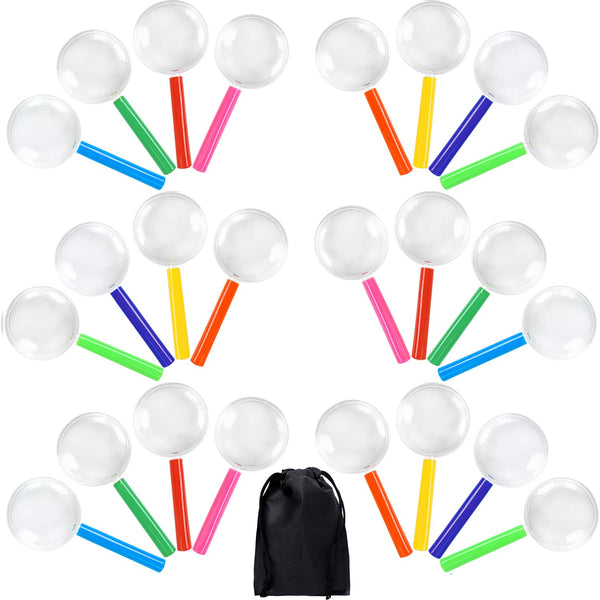
The best animal science learning often happens just outside the back door. Using real binoculars or magnifying viewers turns a walk in the park into a mobility-themed discovery mission. These tools train the brain for visual discrimination and focus—skills that translate directly to reading and math excellence. Learn more in our outdoor educational play guide.
When children use real tools, they begin to see themselves as "real scientists." This self-confidence is the most valuable trait an educational toy can build. Pairing nature play with Dinosaur Push Cars for toddlers adds a layer of prehistoric imagination to the fresh air.
How to Choose the Best Animal Science Tool
Match the "Patience Threshold"
Habitats require days of waiting, while model kits provide instant building fun. Choose a tool that matches your child's current attention span to avoid frustration. Refer to our guide on expert insights on choosing toys for more tips.
Prioritize Materials over Lights
Choose toys made from high-quality, durable materials. Natural wood blocks or robust plastic habitats provide better tactile feedback and last longer. Check out our sustainable building blocks for eco-friendly modeling options.
Focus on Open-Ended Interaction
The best science learning is 90% child and 10% toy. Kits that allow for unstructured exploration build better critical thinking than toys with only one "right" way to play. This is why we love the versatility of Creative Building Kits.
Final Thoughts: Nurturing a Lifetime of Wonder
Animal science toys are more than simple playthings—they are bridges to the stars and the depths of the ocean. By selecting tools that encourage rhythm, logic, and exploration, you are setting the stage for a lifetime of innovative thinking. Every discovery made through a magnifying viewer is a building block for a bright scientific future.
Ready to build a better science box? Explore our expert-selected range of biology and nature toys today. Your journey toward meaningful play starts here. You can even check out products like our Stacked High Block Toys to build your own biome!
Empower Every Discovery
Discover curated toys that inspire curiosity, build confidence, and make learning about biology irresistibly fun.
Visit WonderKidsToy TodayAnimal Science Toy FAQ
1. What are animal science educational toys?
These are interactive tools designed to teach children about biology, life cycles, and ecosystems through hands-on model building and observation.
2. How do biology toys help brain development?
They foster observational precision, logical planning, and empathy by requiring active interaction from the child.
3. What is a butterfly habitat?
A mesh enclosure that allows children to observe the metamorphosis of caterpillars into butterflies, teaching life cycles and care.
4. Are these kits safe for children?
Yes, reputable science toys follow strict safety standards like ASTM to ensure materials are non-toxic and designs are age-appropriate.
5. At what age should I buy anatomy models?
Simple models can start at age 8; detailed 4D anatomy kits are usually recommended for ages 14-15+ due to complex assembly.
6. Do biology toys reduce screen time?
Yes, they provide high-engagement physical challenges that are often more rewarding for children than passive video watching.
7. Can toys help with speech delays?
Yes, by introducing new vocabulary and encouraging storytelling through animal figures and interactive habitats.
8. Can toys teach math through biology?
Yes, through measuring specimen growth, counting populations in a habitat, and understanding symmetry in wings.
9. What is the Object Permanence Box?
A Montessori toy that teaches infants things exist even when out of sight—foundational for understanding hidden biological systems later.
10. How do I maintain wooden nature toys?
Wipe them with a damp cloth and mild soap. Avoid soaking to prevent the wood from warping.
11. Do these toys help with school readiness?
Absolutely. They build the concentration, fine motor control, and logic needed for a structured classroom environment.
12. What are the best travel biology toys?
Small bug viewers, nature identification cards, and portable puzzles are easy to carry and engaging on trips.
13. Can science kits teach responsibility?
Yes, by requiring regular care, cleaning, and feeding of live specimens in a habitat.
14. Are expensive science sets worth it?
High-quality, reusable habitats and durable models offer far more play value and safety than cheap alternatives.
15. What is "grit" in science play?
The persistence to keep trying a complex build or wait for a butterfly to emerge—a vital life skill fostered by STEM toys.
16. Why choose wooden blocks for biology builds?
They allow children to build physical models of animal homes, teaching structural integrity and center of mass.
17. Can biology toys help with anxiety?
The rhythmic, slow-paced nature of observing a habitat can be very grounding and calming for anxious toddlers.
18. Do toys help with fine motor control?
Yes, picking up puzzle pieces, using tweezers in a lab, or assembling anatomy kits builds hand strength.
19. How do I choose non-toxic toys?
Look for "BPA-free" and safety certifications from major testing bodies like ASTM or EN71.
20. What is "Symbolic Play"?
When a child uses a block to represent an animal; science toys help bridge the gap to "Reality-Based" understanding.
21. Can I buy these toys online?
Yes, specialized stores like WonderKidsToy curate collections based on developmental milestones and safety.
22. Why rotate science toys every 2 weeks?
To maintain novelty and ensure your child is being challenged by new skills without being overwhelmed.
23. Can math happen without numbers in biology?
Yes, through learning patterns, volume, and proportions during tactile science play.
24. Do toys build academic confidence?
Yes, the mastery of a difficult science project or habitat gives kids a huge boost in self-esteem.
25. What is an ant habitat gel?
A blue nutrient-rich gel that provides ants with food and water while allowing children to see tunnels from every angle.
26. Can toys teach physics through biology?
Yes, through exploring balance, leverage, and friction in anatomical models and animal builds.
27. Are interactive books good for science?
Yes, they engage multiple senses and encourage toddlers to participate in animal identification.
28. Do toys improve attention spans?
Yes, hands-on science requires sustained focus to see results, unlike the quick shifts of passive screens.
29. Can toys teach biology to 3-year-olds?
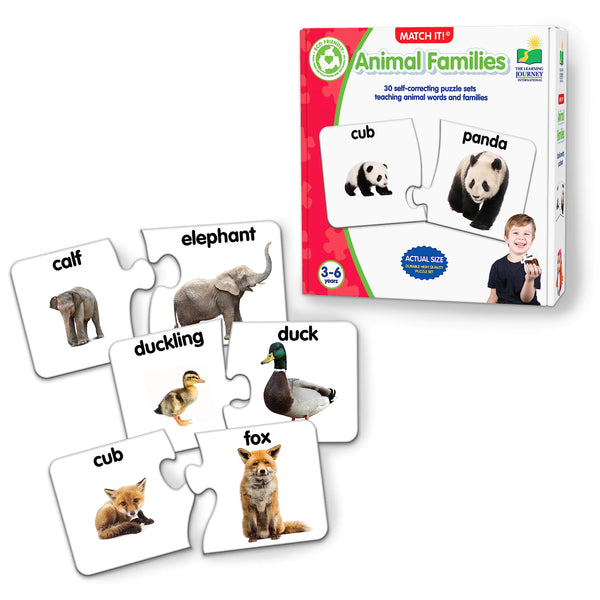
Yes, through simple animal matching, sorting by species, and understanding basic habitats.
30. Where can I find high-quality biology toys?
Explore the specialized STEM and nature collections at WonderKidsToy for vetted, high-quality options.