
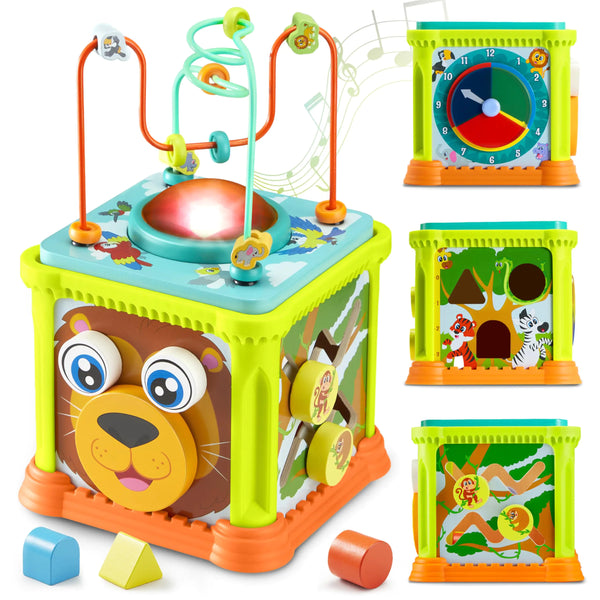

Empowering the youngest learners means providing tools that spark curiosity, enhance cognitive development, and encourage creative expression from an early age. Educational toys play a pivotal role in this journey, offering toddlers immersive, hands-on experiences that lay the foundation for lifelong learning. When we move beyond simple entertainment, we turn playtime into a fruitful developmental milestone.
Many parents search for the best toys for toddler brain development to help their children reach milestones like fine motor mastery and spatial awareness. Choosing toys that promote logical sequencing and sensory exploration is a smart way to support rapid growth. Exploring a high-quality collection is the first step in turning your home into a vibrant learning laboratory.
In this guide, you will learn how construction toys, puzzles, and artistic tools accelerate physical and mental confidence. These strategies pair perfectly with early development toys and Montessori educational toys to foster a lifelong love of discovery.
Table of Contents
Beyond Entertainment: Breaking the Cycle of Passive Consumption
In an age of endless digital content, toddlers often fall into a state of passive entertainment. Many modern toys are designed to "perform" for the child—flashing lights and making sounds that leave the child as a mere spectator. This lack of active manipulation prevents them from understanding the physical laws of the world, such as balance, gravity, and symmetry. When play doesn't challenge the brain to solve spatial puzzles, the spark of intrinsic curiosity can begin to fade. Families today want tools that act as "partners in discovery"—materials that require a child to lead the action to see a result.
Why Mindless Play Stalls Developmental Milestones
Early childhood is a unique window for developing executive function and fine motor mastery. If a child’s environment is filled only with low-effort entertainment, they miss out on the vital "feedback loops" provided by physical resistance and trial-and-error. Without the challenge of stacking wobbly blocks or fitting a complex puzzle piece, the development of logical sequencing and persistence (grit) can be delayed. This often translates to a lack of confidence in academic settings later in life. Learn more in our guide on cognitive skill development.
Choosing specialized sensory-focused toys ensures your child is building an ordered mind. By neglecting these physical foundations, we risk raising kids who rely on gadgets for entertainment rather than their own inner drive. Learn more in our guide on building problem-solving skills.
The Active Discovery Approach: Turning Mastery into Fun
The right educational toys turn your living room into a laboratory of discovery. Instead of just pressing a button, kids use physical materials to understand cause and effect through immediate results. This "active discovery" helps them build a growth mindset, where mistakes are seen as learning opportunities. Whether it is a jigsaw puzzle or a magnetic tile build, the result is a focused, capable learner ready for the future. This approach pairs perfectly with Stacked High Block Toys to build 3D spatial logic.
By introducing toys that require active participation, you provide your child with a foundation for life-long innovation. Exploring our problem-solving sets is the most effective way to foster these essential logic skills at home.
Ready to spark their inner genius?
Discover our hand-picked collection of blocks, puzzles, and creative kits designed for future success.
Shop Educational Toys NowActive interaction with natural wood materials helps children refine their visual and tactile discrimination.
Building Blocks of Creativity: Construction Play
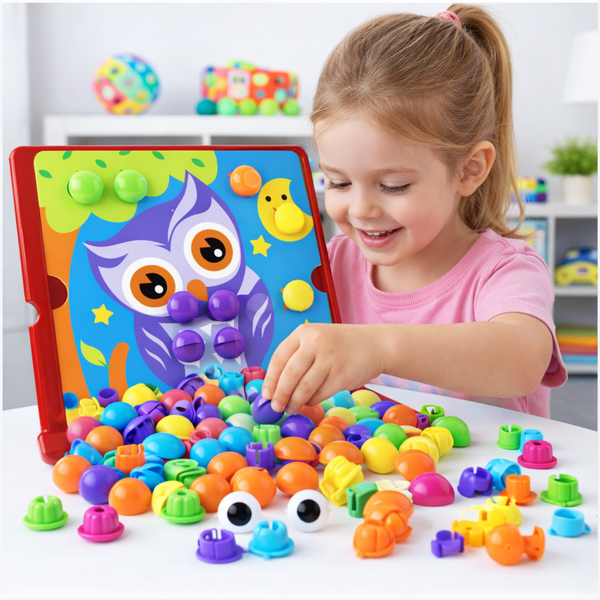
Construction toys like Mega Bloks and wooden sets are essentially "manual dexterity trainers" for small hands. As children grasp, stack, and align these pieces, they are developing the pincer grip and wrist stability required for future writing. This tactile discovery is vital for stereognosis—the ability to identify objects by touch alone. Learn more in our expert guide on choosing tools.
Cognitive Growth with Puzzles and Sorting
Puzzles act as a workout for the visual-spatial intelligence. When a toddler tries to fit a shape sorter piece or a jigsaw segment, they are practicing mental rotation and pattern recognition. These skills are foundational for future math and engineering success. To keep the challenge appropriate, refer to our guide on age-appropriate puzzles.
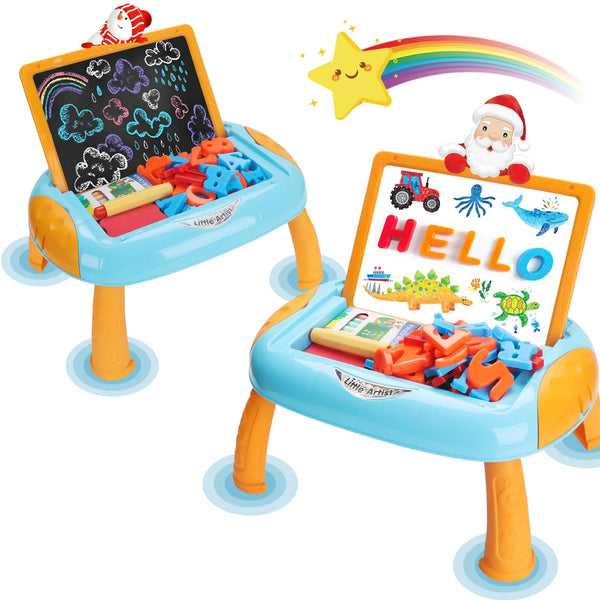
To enhance these stories, incorporate an Educational Toy Drawing Pad where children can sketch out the shapes they’ve learned or map their completed "worlds."
Quick Comparison: Discovery Toy Styles
Building Sets
Best for: Engineering & Balance.
Benefits: Fine motor, spatial awareness.
Typical age: 1 - 5 years
Logic Puzzles
Best for: Problem-Solving.
Benefits: Focus, pattern recognition.
Typical age: 2 - 6 years
Art & Sensory
Best for: Expression & Senses.
Benefits: Creativity, emotional IQ.
Typical age: 1 - 6 years
Artistic and Musical exploration
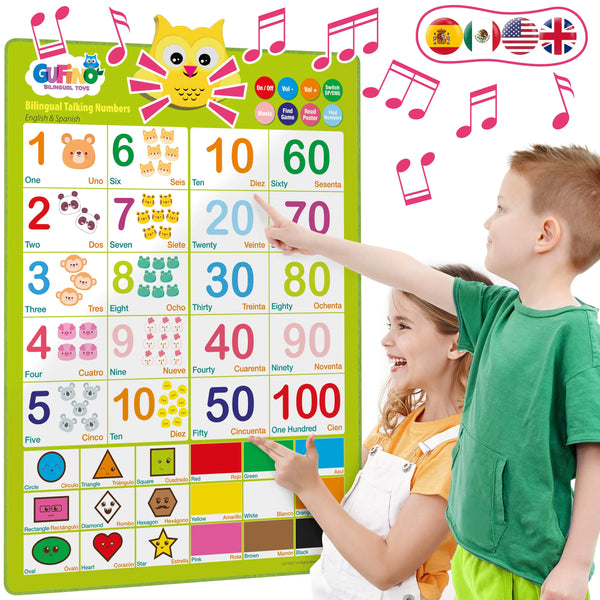
Multi-sensory engagement is "brain food" for toddlers. Artistic tools like finger painting and musical instruments act as visual and auditory discrimination tools. When a child follows a rhythm or mixes colors, they are practicing sensory integration. For tips on musical development, check out musical toys for development.
Using alongside musical play helps children understand cause and effect through immediate sonic results.
How to Pick the Best Discovery Tools
Look for "Low floor, High ceiling"
Choose toys that are easy to start with (low floor) but have the depth to challenge a child as they master skills (high ceiling). Blocks and magnetic tiles are perfect examples of this versatile principle.
Prioritize Natural, Durable Materials
High-quality sustainable wooden toys are safer and provide a better tactile connection than hollow plastic, aiding in sensory brain mapping.
Focus on Self-Correction
The best Montessori-style toys allow the child to see their own mistake (like a block not fitting). This builds academic confidence without needing adult intervention.
Final Thoughts: Nurturing a Lifetime of Awareness
Educational toys are much more than simple playthings—they are investments in your child’s brain potential. By selecting tools that encourage rhythm, logic, and physical mastery, you are setting the stage for a lifetime of innovative thinking. Every pieces snapped and ogni sound explored is a building block for a bright future.
Ready to build a better discovery box? Explore our curated range of Montessori and sensory toys today. Your journey toward purposeful play starts here. You can even try our Stacked High Block Toys to get started!
Empower Every Milestone
Discover curated toys that inspire curiosity, build confidence, and make learning irresistibly fun.
Visit WonderKidsToy TodayFAQ
1. What are educational toys for toddlers?
They are interactive tools designed to teach logic, motor skills, and science through hands-on play and exploration.
2. How do toys build brain power?
By providing tactile and visual puzzles that require critical thinking, pattern recognition, and fine motor coordination.
3. What age group are these toys for?
They are effective from 12 months through age 6, matching the sensitive periods for sensory and logical development.
4. Are educational toys safe for home use?
Yes, high-quality brands follow strict safety standards like ASTM to ensure materials are non-toxic and designs are age-appropriate.
5. What is the Montessori approach to toys?
It focuses on child-led choice, independence, and self-correcting designs that allow children to master skills at their own pace.
6. Do these toys reduce screen time?
Yes, providing physical alternatives with high engagement is the best way to limit dependence on passive digital entertainment.
7. Can toys help with speech delays?
Yes, by encouraging auditory discrimination, vocabulary naming, and social interaction through shared play.
8. Can toys teach math naturally?
Yes, through understanding quantities (blocks), geometric symmetry (tiles), and volume (sorters).
9. Why is "Grit" important in play?
It is the persistence to finish a difficult puzzle or build—a vital life skill fostered by complex educational toys.
10. How do I maintain wooden toys?
Wipe them with a damp cloth and mild soap; never soak them in water to avoid warping the natural grain.
11. Do these toys help with ADHD focus?
Yes, the high level of tactile engagement and clear immediate goals help children build longer concentration spans.
12. What are the best toys for travel?
Small magnetic puzzle cubes, fabric quiet books, and portable drawing boards are easy to carry and engaging.
13. Can motor skills improve reading readiness?
Yes, visual tracking and coordination developed through play help the eyes move smoothly across a page of text later.
14. Are expensive sets worth it?
High-quality, durable materials offer far more long-term play value and safety than cheap, flimsy alternatives.
15. What is "Narrative Play"?
Play where a child acting out a story, often with dolls or building sets, which builds sentence structure and social confidence.
16. Why choose non-toxic finishes?
Babies explore with their mouths and skin; ensuring toys are lead-free and BPA-free is vital for their long-term health.
17. What is an Object Permanence Box?
A Montessori classic that teaches infants things exist even when out of sight—foundational for emotional security.
18. Can toys teach physics at home?
Yes, through ramps, pulleys, and block sets that show forces like gravity and motion in action.
19. Are there STEM toys for 2-year-olds?
Yes, focus on "Cause and Effect" like ball-drops, large sorting rings, and chunky stacking sets.
20. Do eco-toys help social skills?
Yes, collaborative sets (like building a shared tower) teach turn-taking and shared problem-solving.
21. How do I setup a discovery area?
Use low shelves, clear bins for organization, and a flat surface to define the "work" space, allowing for independent choice.
22. What is "symbolic play"?
When a child uses a block to represent a phone; discovery toys provide the bridge to this abstract, creative thinking.
23. Can toys teach biology too?
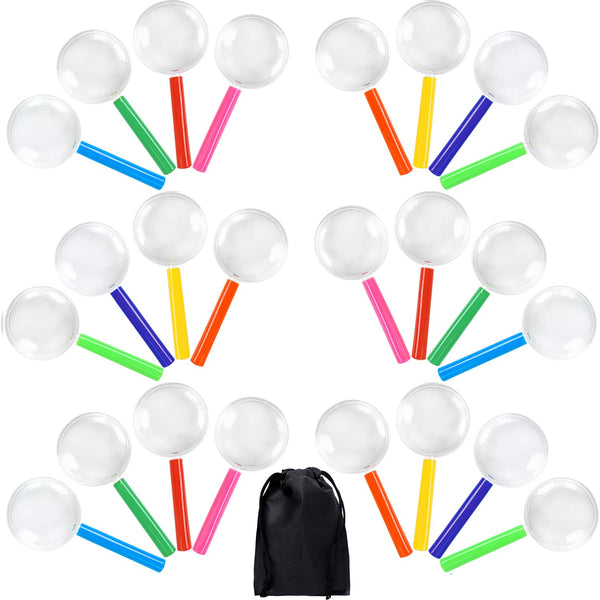
Yes, through 3D animal models, life-cycle puzzles, and magnifying kits that explore growth patterns.
24. How many toys should be out at once?
Montessori experts recommend keeping 6-10 purposeful toys accessible to maintain concentration.
25. Do magnetic tiles foster creativity?
Absolutely. They allow for 3D architectural exploration and imaginative building that standard blocks cannot.
26. Why avoid battery-operated "performing" toys?
They often perform "for" the child, taking away the opportunity for the kid to use their own spatial logic.
27. How does active play help with sleep?
The mental exertion of problem-solving helps regulate a child's natural sleep-wake cycle.
28. Is toy rotation hard to manage?
No, just put half your toys in a bin in the closet and swap them every two weeks to maintain novelty.
29. Can math happen without numbers?
Yes, through understanding proportions, symmetry, and volume during tactile construction play.
30. Where can I find high-quality toddler toys?
Explore the specialized collections for every milestone at WonderKidsToy for high-quality discovery options.