

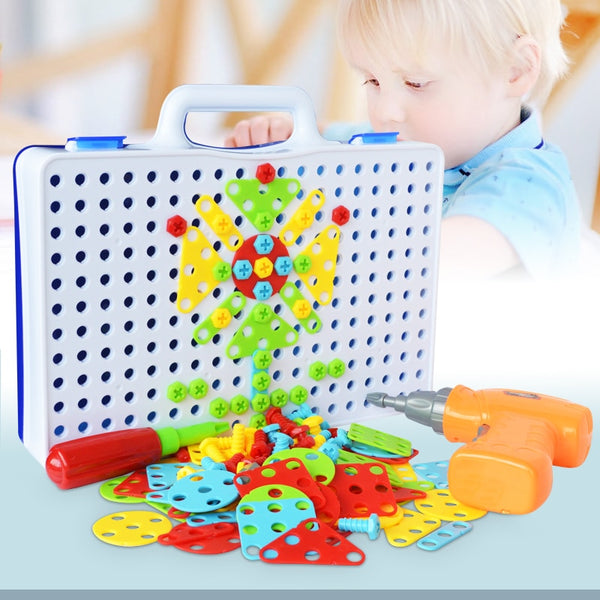
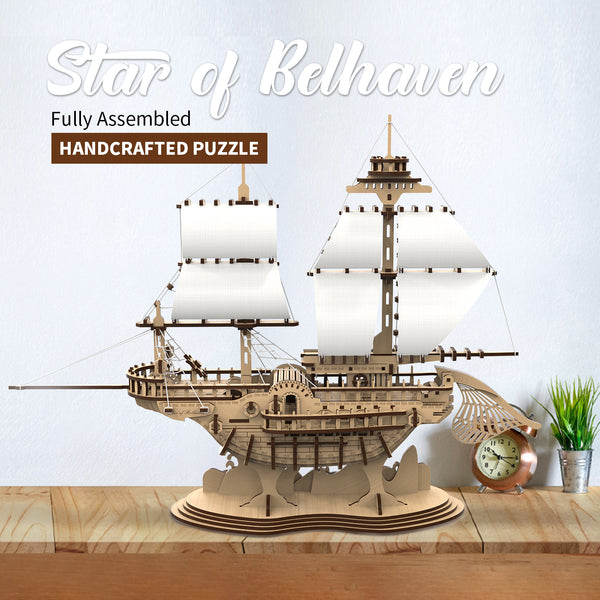
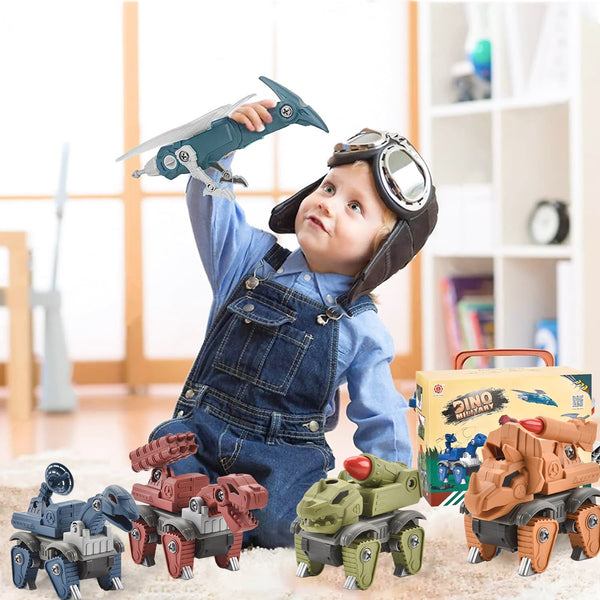
Children are naturally curious. They love figuring out how things work, testing ideas, and trying again when something does not go as planned. That is exactly why childhood is the perfect time to build problem-solving skills. The right toys can turn that natural curiosity into stronger critical thinking, better focus, and more confident learning.
The best problem solving toys for kids do much more than keep children busy. They challenge children to think, experiment, compare, build, and discover solutions on their own. Whether a child is working through a puzzle, creating a structure from blocks, or solving a simple STEM challenge, they are building important brain skills through play.
If you want toys that support deeper thinking and smarter play, start with collections like educational toys, problem-solving play sets, puzzle and brain teasers, STEM toys, and Montessori educational toys. These types of toys help children build the mental flexibility and confidence they need for both school and everyday life.
Many Toys Entertain Children but Do Not Truly Challenge Their Thinking
Many toys are designed to grab attention fast, but they do not always help children think deeply. Lights, sounds, and simple push-button responses may be exciting for a few minutes, yet they often do not encourage real problem-solving. When toys do everything for the child, there is less room for experimentation, persistence, and discovery.
Parents who want more meaningful play often look for toys that build skills instead of just filling time. They want toys that strengthen memory, concentration, reasoning, and creativity while still feeling fun and age-appropriate.
Without the Right Toys, Kids Can Miss Valuable Opportunities to Build Critical Thinking Early
Problem-solving is one of the most important life skills a child can develop. It affects how children approach challenges, learn from mistakes, and think through possible solutions. When children do not get enough chances to practice these skills, they can become more easily frustrated, less patient, and less confident when something feels difficult.
The good news is that play creates a natural and low-pressure way to build these abilities. The right toy gives children a challenge that feels exciting instead of stressful. It helps them stay curious, work through trial and error, and feel proud when they figure something out for themselves.
Choose Toys That Turn Playtime Into Problem-Solving Practice
The best problem solving toys help children think actively instead of passively. They ask children to compare, sort, build, test, remember, and try new ideas. This type of play supports critical thinking, brain development, concentration, and creativity all at once.
Some of the strongest choices include puzzle toys, building toys, Montessori toys, STEM toys, memory games, and open-ended learning tools. Each of these helps children practice problem-solving in a different way. Together, they create a rich play environment that supports both fun and learning.
Looking for toys that build real thinking skills?
Explore hands-on learning toys that help kids solve problems, stay curious, and build confidence through play.
Why Problem Solving Skills Are Important for Kids
Problem-solving helps children think independently, analyze challenges, and discover solutions without giving up too quickly. These skills matter in school, in friendships, in creative projects, and in daily life. When children learn how to work through a challenge step by step, they become more capable and more confident.
Problem solving toys create natural opportunities for children to practice these habits. A child may need to test several puzzle pieces before finding the right fit. Another child may need to rebuild a tower after it falls. These moments teach persistence, flexibility, and the understanding that mistakes are part of learning.
Every time a child solves a small challenge through play, they build the mindset needed to handle bigger challenges later.
Puzzle Toys That Encourage Logical Thinking
Puzzle toys are some of the best toys for building problem-solving skills because they require children to study patterns, compare shapes, and test different options before finding the correct answer. This strengthens logical thinking and spatial awareness in a clear, hands-on way.
Puzzles also help children slow down and focus. Instead of rushing, they learn to observe carefully and think through the next step. Over time, this can improve attention span and patience. Families looking for these kinds of toys can explore puzzle and brain teaser toys for kids who enjoy quiet challenges and satisfying problem-solving play.
Building Toys That Encourage Problem Solving
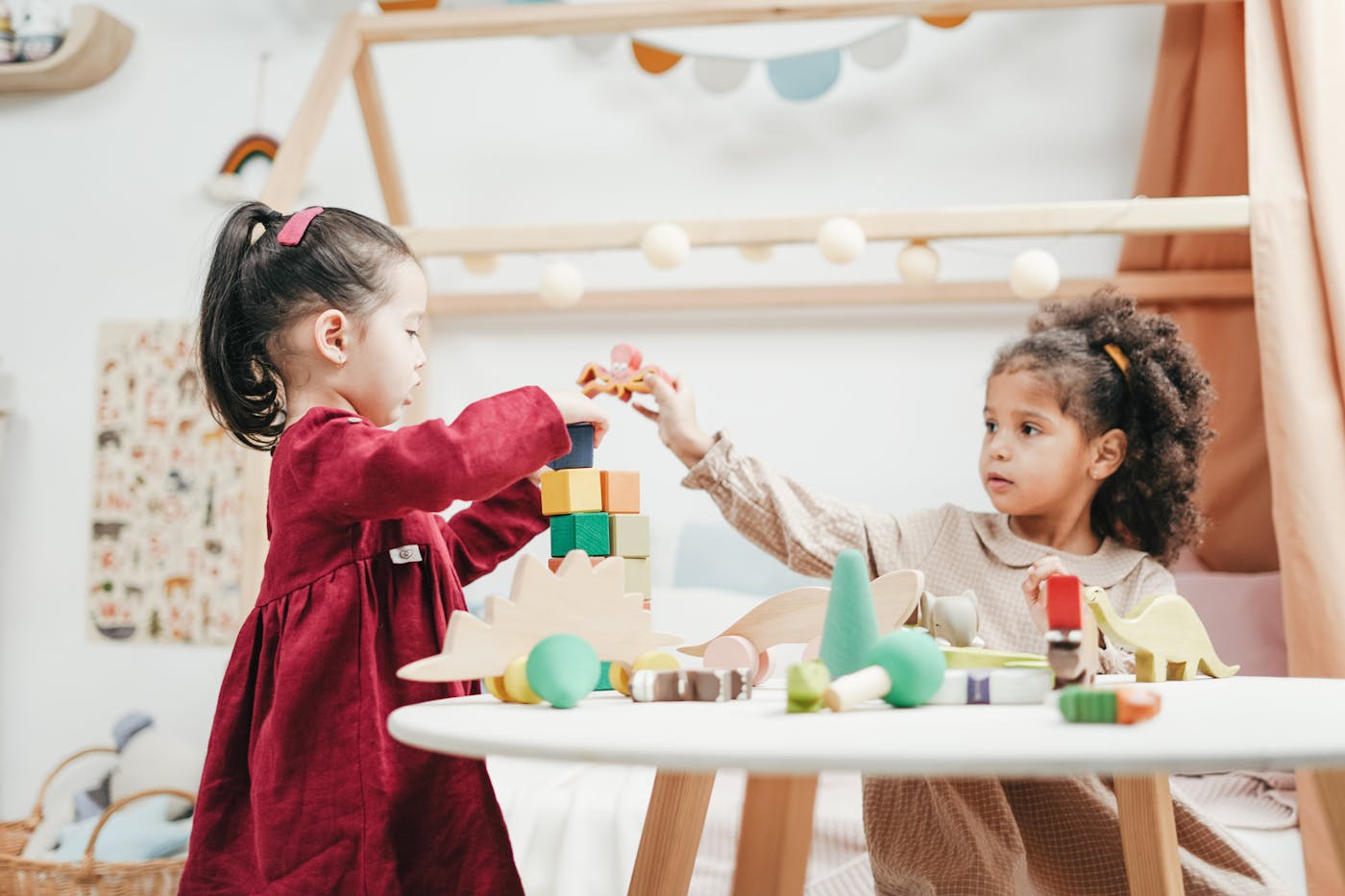
Building toys are another powerful way to support critical thinking and brain development. When children build with blocks, construction sets, or open-ended materials, they must decide what to make, which pieces to use, and how to keep the structure stable. If something falls apart, they learn by adjusting their design and trying again.
This type of play supports spatial reasoning, creativity, and persistence. It also helps children understand cause and effect in a very practical way. Great options often come from building and construction toys, STEM toys, and sustainable building blocks.
Montessori Toys That Encourage Independent Thinking
Montessori toys are especially helpful for encouraging independent learning because they are designed to let children explore and figure things out without constant adult direction. Many Montessori-style toys involve sorting, stacking, matching, sequencing, and practical life skills, all of which support deeper thinking.
These toys often work best because they are simple, focused, and self-correcting. Children can see when something does not fit or work, which encourages them to try again on their own. Parents can explore Montessori educational toys and sensory learning toys for calm, hands-on materials that build independence and concentration.
Problem Solving Toys and STEM Learning
Many of the best problem solving toys are also STEM toys because science, technology, engineering, and math naturally involve curiosity, experimentation, and testing ideas. STEM play encourages children to explore how systems work, what happens when they make changes, and how they can improve their results.
Engineering toys, robotics kits, coding toys, and science kits are all strong options for children who enjoy discovering how things work. These toys can be found in collections like engineering toys, coding and programming toys, coding and robotics toys, and science kits and experiments.
STEM problem-solving play helps children see that questions, mistakes, and experiments are all part of finding better solutions.
How Problem Solving Toys Improve Memory, Concentration, and Creativity
Problem-solving toys do not build only one skill at a time. Many of them strengthen multiple abilities together. Matching games, sequence games, and puzzle toys can improve memory because children must remember patterns, positions, or steps. Building toys and logic challenges improve concentration because they require careful attention over time.
Creativity also plays a big role in problem-solving. Children need imagination to think of new possibilities and test different solutions. This is why open-ended toys are so valuable. They invite children to design, invent, and solve in their own unique way. Collections like art and creativity kits and arts and crafts for kids can also support flexible thinking when combined with other learning toys.
Quick Guide: Best Problem Solving Toy Types for Kids
This simple comparison table can help parents choose the right type of problem-solving toy based on the skill they want to support most.
Creating a Learning Environment That Encourages Thinking
Parents can strengthen problem-solving skills even more by creating a play environment that supports exploration. A balanced toy selection often works best. Puzzle toys, building toys, STEM toys, Montessori materials, and educational games can all play a role in helping children think more deeply.
Rotating toys every few weeks can keep children curious and engaged without overwhelming them. A calmer, more organized play space also helps children focus longer and use toys more intentionally. Simple access to high-quality learning tools often leads to better play than a room filled with too many choices.
Build a smarter play environment at home
Choose educational toys that support concentration, memory, creativity, and real-world problem-solving through everyday play.
Final Thoughts
The best problem solving toys for kids do more than teach one skill. They help children become more thoughtful, focused, patient, and creative over time. Through puzzles, building, experimentation, and independent play, children learn how to work through challenges instead of avoiding them.
That kind of growth matters far beyond playtime. It supports learning in school, stronger confidence in daily life, and a mindset that welcomes discovery. Whether you start with puzzle toys, STEM toys, Montessori educational toys, or problem-solving play sets, the right toy can make a real difference in how your child thinks and learns.
Frequently Asked Questions About Problem Solving Toys for Kids
1. What are problem solving toys for kids?
Problem solving toys are toys that encourage children to think, test ideas, and discover solutions through play.
2. Why are problem solving toys important?
They help children build critical thinking, logical reasoning, persistence, and confidence while learning through hands-on play.
3. Do puzzle toys improve problem-solving skills?
Yes, puzzle toys help children analyze patterns, compare options, and work through solutions step by step.
4. What skills do problem solving toys develop?
They often develop logical thinking, memory, concentration, creativity, spatial reasoning, and persistence.
5. Are problem solving toys educational?
Yes, they are educational because they help children practice important cognitive and thinking skills in a playful way.
6. Are puzzle toys good for brain development?
Yes, puzzle play can support brain development by strengthening pattern recognition, memory, and reasoning skills.
7. Are STEM toys problem solving toys?
Many STEM toys are excellent problem-solving toys because they encourage experimentation, analysis, and testing ideas.
8. Do problem solving toys improve concentration?
Yes, many of these toys require children to focus carefully, which helps improve concentration over time.
9. Are Montessori toys good for problem solving?
Yes, Montessori toys encourage independent discovery and repeated hands-on practice, which can strengthen problem-solving skills.
10. Can problem solving toys improve creativity?
Yes, creative thinking is a big part of problem-solving because children often need to try new ideas and alternative solutions.
11. Are problem solving toys expensive?
They are available in many price ranges, from simple puzzles to more advanced STEM kits.
12. Are problem solving toys safe for kids?
Most children’s toys are made to follow safety standards, but it is still important to choose age-appropriate options.
13. Do problem solving toys improve memory?
Yes, many toys involve remembering patterns, positions, or sequences, which can strengthen memory skills.
14. Are problem solving toys good gifts for kids?
Yes, they make excellent gifts because they combine fun with meaningful learning and skill-building.
15. What are the best toys for critical thinking?
Puzzles, building sets, strategy games, Montessori materials, and STEM challenge toys are all strong choices for critical thinking.
16. What toys help kids think independently?
Montessori toys, open-ended building toys, and many problem-solving sets help children think more independently.
17. Do building toys help with problem-solving?
Yes, building toys encourage children to plan, test designs, adjust ideas, and improve structures through experimentation.
18. Are brain teaser toys good for kids?
Yes, brain teaser toys are great for strengthening logic, patience, and flexible thinking in children.
19. Can educational board games improve problem-solving?
Yes, many educational board games encourage planning, strategy, decision-making, and patience.
20. What age should kids start using problem solving toys?
Children can start with simple age-appropriate problem-solving toys very early, especially puzzles, sorters, and matching toys.
21. Are sensory toys helpful for critical thinking?
Sensory toys can support attention, exploration, and pattern recognition, especially for younger children and hands-on learners.
22. How do problem solving toys help in school?
They help children practice focus, persistence, reasoning, and memory, which can support learning across many school subjects.
23. What are the best problem solving toys for toddlers?
For toddlers, simple puzzles, shape sorters, stacking toys, and Montessori-style toys are often some of the best choices.
24. What are the best problem solving toys for preschoolers?
Preschoolers often enjoy more advanced puzzles, matching games, building toys, and beginner STEM activities.
25. What are the best problem solving toys for older kids?
Older kids often benefit from STEM kits, engineering toys, coding games, brain teasers, and strategy-based educational games.
26. Do problem solving toys help with patience?
Yes, these toys often require repeated attempts and careful attention, which can help children become more patient.
27. Can problem solving toys reduce frustration over time?
They can help children handle frustration better by teaching them that trying again and adjusting their approach is part of success.
28. Are open-ended toys good for problem-solving?
Yes, open-ended toys are excellent because they allow children to invent, experiment, and solve challenges in many different ways.
29. Where can parents explore problem solving toys?
Parents can explore strong options in the WonderKidsToy Puzzle & Brain Teasers, STEM Toys, Montessori Educational Toys, and Problem-Solving Play Sets collections.
30. What is the biggest benefit of problem solving toys?
The biggest benefit is that they help children become more thoughtful, confident, and capable thinkers through enjoyable, hands-on play.