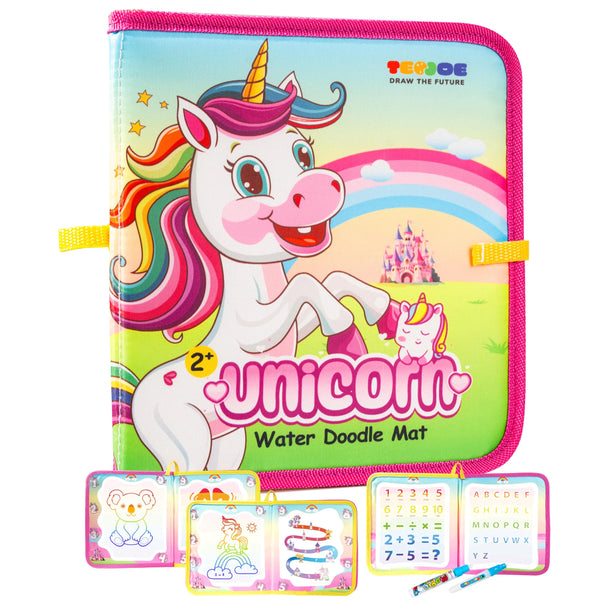


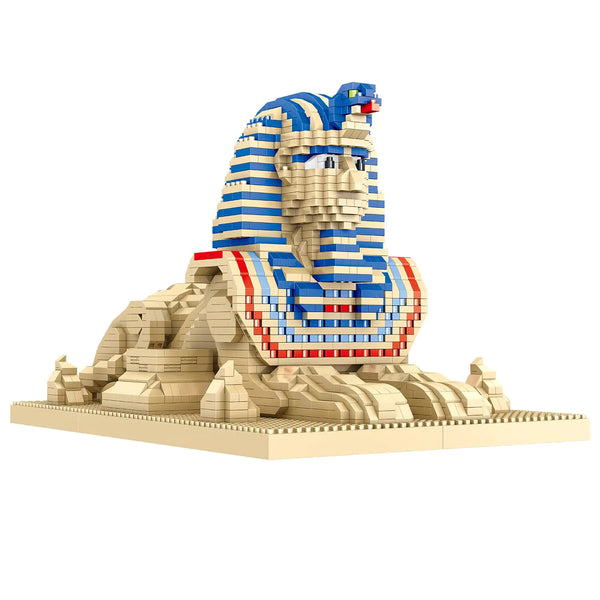

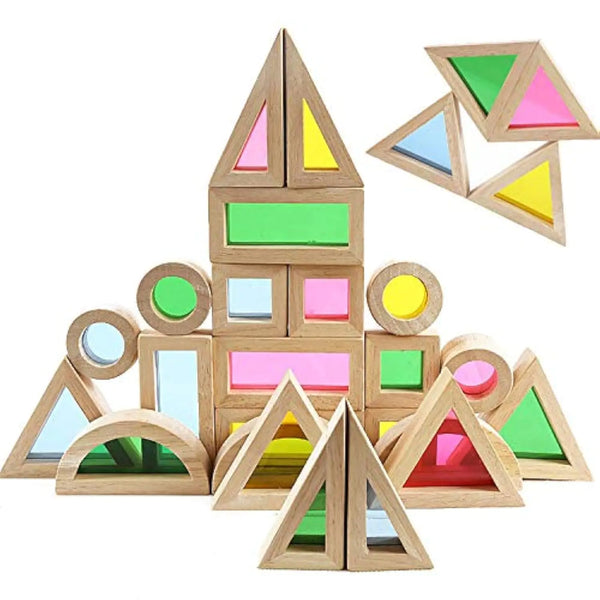
Every parent wants toys that do more than create a few minutes of excitement. The real goal is to find learning toys for kids that keep children engaged while also helping them build useful skills. That is where many parents get stuck. There are thousands of toys online, but only a small percentage truly support development in a meaningful, lasting way.
The best learning toys help children think, explore, build, solve, imagine, and communicate. They turn playtime into something deeper without making it feel like work. That is why parents who care about focus, creativity, confidence, and early skill-building often prioritize educational learning toys instead of passive entertainment toys.
Whether you are shopping for toddlers, preschoolers, or older children, the strongest toy choices usually have one thing in common: they require the child to participate. Kids learn more when they are stacking, building, matching, sorting, experimenting, and solving instead of simply pressing a button and watching the toy do everything for them.
If you are building a smarter toy collection at home, this topic connects naturally with educational toys, STEM toys, problem-solving play sets, building & construction toys, language learning toys, and educational toys for 3 year olds.
In this guide, you will learn how to choose the best learning toys for kids, which categories are worth buying, how to match toys to different developmental goals, and how to find toys that support real learning while still feeling fun enough for children to return to again and again.
Table of Contents
Many Toys Entertain Children but Do Not Actually Help Them Learn
A toy can be exciting without being useful. That is one of the biggest mistakes parents run into when shopping online. Bright colors, lights, sounds, and trendy packaging can make a toy look impressive, but none of that guarantees real developmental value. In fact, many toys that seem exciting at first lose attention quickly because the child is not actually doing much with them.
When a toy performs automatically, the child often becomes a watcher instead of a learner. There is very little room for problem-solving, creativity, or deeper thought. That may keep a child busy for a few moments, but it usually does not help them build the kind of skills parents are really looking for.
This is why searching for the best learning toys for kids requires a different mindset. The question is not just, “Will my child like this?” The better question is, “Will this toy help my child grow while still feeling fun enough to use often?”
When Play Becomes Too Passive, Kids Miss Valuable Learning Opportunities
Children learn best when they are involved. They need to move pieces, test ideas, ask questions, build structures, match patterns, solve little challenges, and experiment with outcomes. This is what helps them build attention span, memory, persistence, and confidence.
If most play becomes passive, children can miss these opportunities. Instead of discovering how things work, they get used to quick stimulation. Instead of thinking through problems, they expect instant results. Over time, that can weaken patience and reduce the quality of play itself.
That is why strong learning toys matter so much. They bring children back into the learning process and help them practice skills in a way that feels natural and rewarding.
The Best Learning Toys Make Children Active Thinkers, Not Just Busy Kids
A strong learning toy invites action. It asks the child to think, try, repeat, imagine, connect, build, or solve. It turns play into an experience where the child becomes the one creating the result instead of simply reacting to a toy that performs on its own.
That is what separates good learning toys from ordinary toys. Educational learning toys support development without making play feel forced. Children stay engaged because the toy feels enjoyable, but the learning value keeps growing underneath the fun.
When you choose the right learning toys, you are not just buying products. You are building an environment that supports curiosity, independence, confidence, and real skill development over time.
Want toys that teach while kids play?
Explore learning toys that help children build creativity, focus, problem-solving, and confidence through hands-on play.
Shop Learning ToysQuick Picks: Best Learning Toys by Type
If you want the fastest shortlist, these are some of the strongest learning toy categories for most children.
Educational Toys
A strong all-around choice for skill-building, focus, and learning through play.
Explore educational toys →Problem-Solving Toys
Great for logic, focus, decision-making, and persistence.
Explore problem-solving toys →Building Toys
Excellent for creativity, fine motor skills, and open-ended discovery.
Explore building toys →STEM Toys
Perfect for kids who love experimenting, building, and discovering how things work.
Explore STEM toys →What Are Learning Toys for Kids?
Learning toys are toys designed to support a child’s development through play. They help children practice important skills such as problem-solving, memory, creativity, coordination, language, number sense, and critical thinking while still keeping the experience fun and engaging.
Some learning toys are broad and support many areas at once. Others are more specific and focus on one goal, such as early math, speech development, building, or logic. What matters most is not the label on the toy. What matters is whether the toy encourages the child to think and participate actively.
That is why the best learning toys often overlap with educational toys, STEM toys, logic toys, language tools, and building activities. They all support learning, but in slightly different ways.
Why Learning Toys Matter More Than Ever
Strong learning toys can shape how a child approaches challenge, curiosity, and confidence. That is why they remain one of the most valuable categories for parents who want more from playtime.
Children learn to compare, test, sort, and solve instead of only reacting.
Hands-on learning often keeps children engaged longer and helps build concentration.
When children solve challenges themselves, they begin to trust their own thinking.
Many learning toys quietly support language, math, logic, memory, and creativity.
Children become more active learners instead of passive watchers.
Good learning toys are often used again and again in different ways over time.
The best learning toys do more than keep children busy. They help children become more curious, more capable, and more confident through everyday play.
Best Types of Learning Toys for Kids
Educational Toys
Educational toys are often the best starting point because they support broad development. These toys can help with number sense, letter recognition, matching, early reasoning, coordination, and memory while still feeling fun enough for everyday use.
STEM Learning Toys
STEM toys are strong choices for children who love to build, explore, and test ideas. They support science, technology, engineering, and math thinking through active discovery. If you have already started building topic clusters, these also connect naturally with broader pages like best STEM toys for kids.
Problem-Solving Toys
These toys help children develop logic, patience, persistence, and flexible thinking. They are excellent for parents who want toys that build real thinking power instead of only entertainment.
Language Learning Toys
Language toys are especially valuable in the early years because they help children build vocabulary, confidence, listening, and communication. They are often underrated but highly effective.
Building & Construction Toys
Building toys are excellent for open-ended play because they support creativity, coordination, spatial thinking, patience, and experimentation. They often keep children engaged much longer than fixed-purpose toys.
Learning Toys by Age
Toddlers
Toddlers usually do best with simple learning toys that support sensory play, stacking, matching, basic cause and effect, and motor development. Toys should be visually clear, easy to begin with, and enjoyable through repetition.
Preschoolers
Preschoolers are often ready for stronger educational toys, early STEM experiences, pretend play, simple puzzles, and foundational logic games. For younger preschoolers, this pairs especially well with your age-focused content like best toys for 3 year olds.
School-Age Kids
Older children often enjoy more advanced building toys, brain teasers, educational games, coding toys, robotics, and stronger problem-solving challenges. At this stage, learning toys can become even more focused and skill-specific.
Best Learning Toys by Skill Focus
These mobile-friendly comparison cards help parents choose toys based on the skill they want to strengthen most.
Focus & Attention
Best for: kids who need deeper engagement
Main toy type: problem-solving and puzzle toys
Explore focus-building toysCreativity & Open-Ended Play
Best for: imaginative builders and makers
Main toy type: building and creative learning toys
Explore creative learning toysEarly Academic Skills
Best for: structured early learning support
Main toy type: educational learning toys
Explore educational toysLanguage & Communication
Best for: vocabulary and speaking growth
Main toy type: language learning toys
Explore language toysSTEM & Logic
Best for: curious thinkers and builders
Main toy type: STEM learning toys
Explore STEM learning toysYounger Preschoolers
Best for: age-appropriate early learners
Main toy type: educational toys by age
Explore toys for age 3How to Choose the Right Learning Toy Fast
Choose Based on the Skill You Want to Support
If you want better focus, go with problem-solving toys. If you want creativity, choose building toys. If you want broad early learning, start with educational toys. Matching the toy to the goal makes buying much easier.
Look for Active Participation
The best learning toys ask children to do something: build, sort, compare, imagine, match, solve, or test. The more active the child is, the more meaningful the learning usually becomes.
Prioritize Replay Value
Good learning toys are not one-time novelty items. They invite repeated use, multiple ways to play, and stronger long-term value.
Match the Toy to the Child’s Stage
A toy that is too easy gets ignored. A toy that is too difficult gets frustrating. The right fit is something challenging enough to feel rewarding but clear enough to keep the child engaged.
Why Learning Toys Are Worth Buying
Parents often ask whether learning toys are actually worth the investment. In most cases, the answer is yes, especially when the toy is well-matched to the child’s stage and interest. Learning toys often stay useful longer than passive entertainment toys because they offer deeper play value and stronger replay potential.
They also help children build skills that matter beyond playtime. Better focus, stronger language, more confidence, early logic, and flexible thinking all carry into school and everyday life.
If you want toys that support growth instead of just short-term distraction, learning toys are one of the safest and smartest categories to invest in.
Ready to build a smarter toy collection?
Choose learning toys that support creativity, focus, problem-solving, language, and hands-on discovery through meaningful play.
Browse Best Learning ToysFinal Thoughts
The best learning toys for kids do not feel like lessons. They feel engaging, interesting, and rewarding. That is exactly why they work so well. Children stay involved because the toy is fun, but underneath that fun they are building real skills that support long-term growth.
If you want a smart starting point, begin with educational toys and then branch into STEM, language, building, or problem-solving based on what your child naturally enjoys most.
When you choose the right toys, play becomes more meaningful, learning becomes more natural, and your child gets more value from every moment.
Frequently Asked Questions About Learning Toys for Kids
1. What are learning toys for kids?
Learning toys for kids are toys designed to support child development through play by helping build skills such as thinking, problem-solving, language, coordination, creativity, and memory.
2. What are the best learning toys for kids?
The best learning toys usually include educational toys, STEM toys, problem-solving toys, building toys, and language toys that match the child’s age and interest.
3. Why are learning toys important?
Learning toys are important because they help children grow through active play and support skills like focus, critical thinking, creativity, and confidence.
4. Are educational toys and learning toys the same?
They overlap a lot. Educational toys are often a major part of learning toys, but learning toys can also include STEM, building, language, and logic-focused play materials.
5. Do learning toys really help children learn?
Yes, when they are well-designed and age-appropriate, learning toys can help children practice and strengthen many important developmental skills through hands-on play.
6. What age should children start using learning toys?
Children can begin using simple learning toys very early, especially toys that support sensory exploration, stacking, matching, and basic problem-solving.
7. Are STEM toys learning toys?
Yes, STEM toys are a strong category within learning toys because they teach children through building, experimenting, and hands-on discovery.
8. What learning toys are good for toddlers?
Toddlers usually do well with simple educational toys, stacking toys, sensory toys, matching toys, and early language-building materials.
9. What learning toys are good for preschoolers?
Preschoolers often benefit from educational games, early STEM toys, language toys, problem-solving toys, and building sets.
10. What are the best learning toys for school-age kids?
School-age kids often enjoy stronger challenge-based toys such as robotics, advanced building toys, brain teasers, educational games, and STEM kits.
11. Do learning toys improve focus?
Yes, many learning toys improve focus because they require the child to stay engaged, complete a task, or solve a challenge.
12. Do learning toys help with confidence?
Yes, when children solve challenges and complete activities on their own, it can build confidence and independence naturally.
13. Are building toys considered learning toys?
Yes, building toys are excellent learning toys because they support creativity, motor skills, spatial reasoning, patience, and problem-solving.
14. What learning toys help with speech and language?
Language learning toys, pretend play materials, storytelling toys, and interactive educational toys can support vocabulary and communication growth.
15. What learning toys help with problem-solving?
Problem-solving toys, logic games, puzzles, STEM toys, and building sets are all strong choices for improving reasoning skills.
16. Are learning toys worth buying?
Yes, learning toys are often worth buying because they provide longer-term value and help children build useful skills through repeated play.
17. What makes a toy truly educational?
A toy becomes educational when it encourages active participation, supports skill-building, and helps the child think, solve, build, compare, or create.
18. Can learning toys reduce passive play?
Yes, many learning toys reduce passive play because they ask children to do more than watch or press a button.
19. Are screen-free toys also learning toys?
Many screen-free toys are strong learning toys, especially when they support building, logic, creativity, language, or hands-on problem-solving.
20. What learning toys are best for creativity?
Building toys, creative kits, art-based activities, and open-ended educational toys are especially good for creativity.
21. Are learning toys good gifts for kids?
Yes, learning toys make excellent gifts because they combine fun with long-term skill-building and are often appreciated by both children and parents.
22. Can learning toys help with school readiness?
Yes, learning toys can support early school readiness by helping children build focus, language, early math understanding, coordination, and confidence.
23. What should I avoid when choosing learning toys?
Try to avoid toys that are too passive, too overstimulating, too frustrating for the child’s stage, or too limited in replay value.
24. What learning toys are best for younger preschoolers?
Younger preschoolers usually do best with educational toys by age, simple problem-solving toys, basic STEM activities, and imaginative learning toys.
25. Are logic games learning toys?
Yes, logic games are excellent learning toys because they strengthen reasoning, patience, and critical thinking.
26. Can learning toys support independent play?
Yes, many learning toys are great for independent play because they encourage children to explore, repeat, and solve on their own.
27. What is the difference between learning toys and regular toys?
Learning toys are designed to support child development more intentionally, while regular toys may focus mainly on entertainment without deeper skill-building.
28. Do learning toys improve memory?
Many learning toys can help improve memory, especially toys that involve matching, recall, sequencing, and repeated skill practice.
29. Where can I shop the best learning toys for kids online?
You can shop thoughtfully selected learning toys online through WonderKidsToy’s educational, STEM, language, and problem-solving collections.
30. What is the biggest benefit of choosing strong learning toys?
The biggest benefit is that strong learning toys help children grow through meaningful play, turning everyday fun into confidence, curiosity, and real skill development.