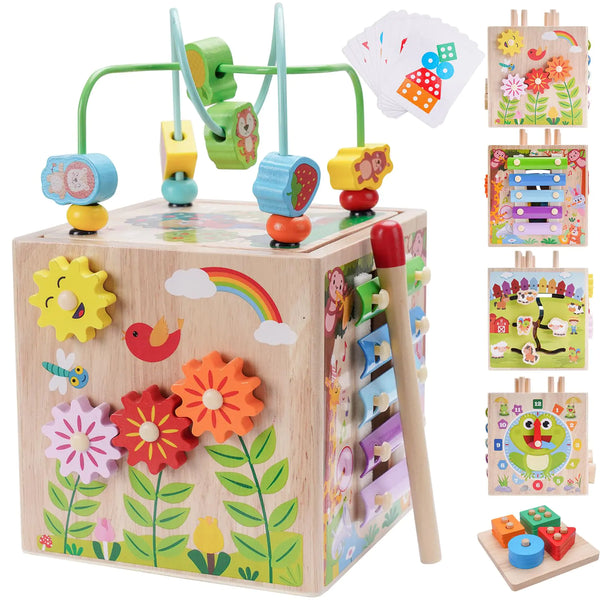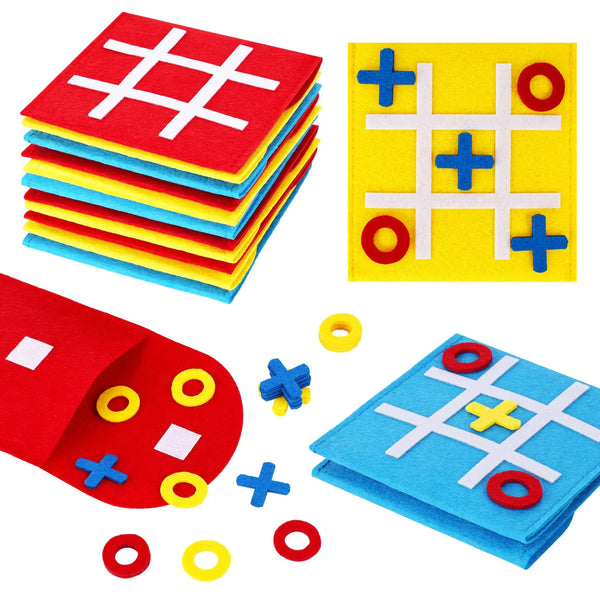


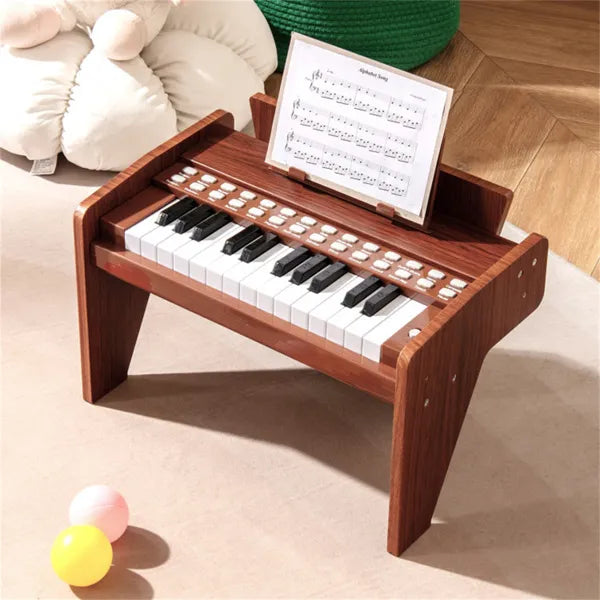
Most toys today are designed to entertain children… not to help them grow.
They light up, make sounds, and grab attention — but after a few minutes, kids lose interest. Why? Because there’s no real thinking involved.
Real learning happens when children interact, explore, experiment, and solve problems. That’s where interactive educational toys make all the difference.
Table of Contents
- The problem with modern toys
- What are interactive toys
- Benefits of interactive learning
- Best types of toys
- Best toys by age
- How to choose toys
The Problem With Most Toys Today
Walk into any toy store, and you’ll see shelves full of “educational” toys. But most of them require almost no thinking.
Children press a button… and the toy does everything.
This creates short bursts of excitement but does not build real skills like focus, creativity, or problem-solving.
Over time, this leads to shorter attention spans and less curiosity.
Why Passive Play Slows Learning
Children learn best when they are actively involved.
They need to touch, build, experiment, and explore.
Passive toys take away these opportunities. Instead of thinking, children just react.
This is why many kids quickly get bored — their brain is not engaged.
What Are Interactive Educational Toys?
Interactive educational toys are designed to engage children in active learning.
They respond to actions, encourage thinking, and require participation.
Instead of watching, children:
- solve problems
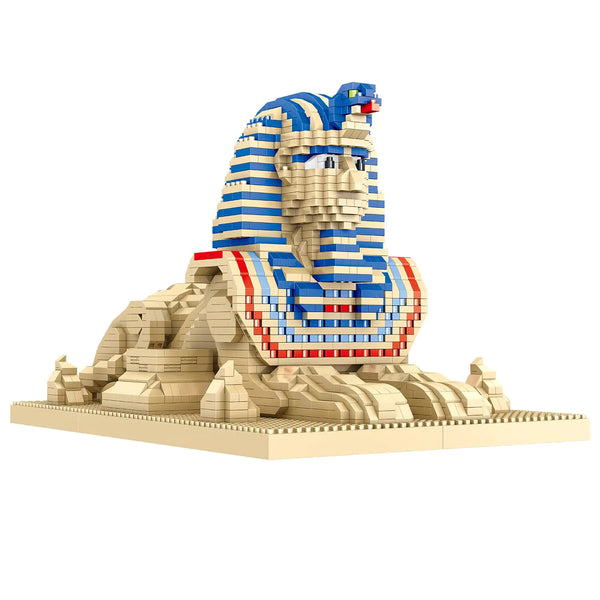
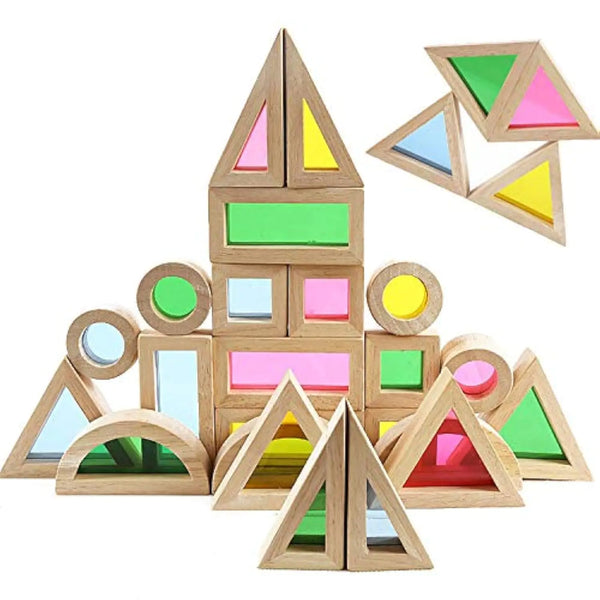
- build structures
- experiment with ideas
- create new things
Why Interactive Toys Improve Learning
Kids remember what they actively do.
Engagement builds attention span.
Open-ended play sparks ideas.
Kids learn by figuring things out.
Best Types of Interactive Educational Toys
Puzzle Toys
Improve logic and reasoning. Explore puzzles
STEM Toys
Build science and engineering skills. Explore STEM toys
Montessori Toys
Develop focus and independence. Explore Montessori toys
Creative Toys
Boost imagination and creativity. Explore creative toys
Best Interactive Toys by Age
Toddlers: sensory + stacking toys
Preschool: puzzles + pretend play
School kids: STEM + logic games
How to Choose the Right Toy
- Choose age-appropriate difficulty
- Focus on skill-building
- Avoid overstimulation
- Prefer open-ended toys
Help Your Child Learn Faster Through Play
Choose toys that build intelligence — not just entertainment.
Explore Educational ToysFrequently Asked Questions About Interactive Educational Toys for Kids
1. What are interactive educational toys?
Interactive educational toys are toys that require children to actively participate rather than passively watch. These toys encourage kids to think, solve problems, build, explore, and respond to challenges, making learning more effective and engaging.
2. How do interactive toys help child development?
They support multiple areas of development including memory, focus, creativity, coordination, and problem-solving. Because children are actively engaged, their brain forms stronger neural connections compared to passive play.
3. Are interactive toys better than traditional toys?
Yes, in most cases. Traditional toys can still be valuable, but interactive toys provide deeper engagement by encouraging children to think and participate rather than just observe.
4. What age is best for interactive educational toys?
Interactive toys can benefit children from as early as infancy through school age. The key is choosing age-appropriate toys that match developmental stages.
5. Do interactive toys improve intelligence?
They help develop cognitive skills like reasoning, memory, and problem-solving, which are closely linked to intelligence and learning ability.
6. Can interactive toys reduce screen time?
Yes, they provide engaging alternatives to screens by keeping children mentally stimulated through hands-on play.
7. What are the best interactive toys for toddlers?
For toddlers, the best options include sensory toys, stacking toys, simple puzzles, and Montessori toys that encourage exploration and motor skill development.
8. What are STEM toys and how are they interactive?
STEM toys focus on science, technology, engineering, and math. They are interactive because they require children to experiment, build, and solve real-world challenges.
9. Are Montessori toys considered interactive?
Yes, Montessori toys are one of the best examples of interactive toys because they encourage independent thinking, exploration, and hands-on learning.
10. What skills do interactive toys develop?
They develop problem-solving, creativity, focus, coordination, memory, logical thinking, and independence.
11. Are interactive toys good for brain development?
Yes, they stimulate multiple areas of the brain by encouraging active participation, which strengthens neural pathways.
12. Do interactive toys improve focus?
Yes, because they require attention and engagement, they help children practice concentrating on tasks.
13. What are the best toys for creativity?
Art kits, building toys, and open-ended play sets are excellent for developing creativity.
14. How do interactive toys help problem-solving?
They present challenges that require children to think, experiment, and try different solutions.
15. Are interactive toys safe?
Yes, when they are age-appropriate and made from safe materials.
16. Do interactive toys help school readiness?
Yes, they build foundational skills needed for reading, math, and problem-solving.
17. What toys improve memory?
Matching games, puzzles, and logic-based toys help improve memory.
18. Are expensive toys better?
Not always. The value lies in how interactive and engaging the toy is, not its price.
19. How many toys does a child need?
Fewer, high-quality interactive toys are better than many passive ones.
20. Should toys be rotated?
Yes, rotating toys keeps children interested and engaged.
21. Can interactive toys help shy children?
Yes, they encourage expression and confidence through play.
22. What are screen-free interactive toys?
They are toys that do not use screens but still engage children actively.
23. Are puzzles interactive toys?
Yes, they are one of the best interactive toys for developing logic.
24. Do interactive toys improve creativity?
Yes, especially open-ended toys that allow multiple ways to play.
25. What toys are best for 5-year-olds?
STEM toys, puzzles, and building sets are great for this age.
26. Do toys impact long-term learning?
Yes, early play experiences shape how children learn and think later.
27. Can toys teach problem-solving?
Yes, through challenges and trial-and-error play.
28. What makes a toy educational?
A toy is educational if it builds skills through interaction and thinking.
29. How do parents choose the right toy?
Focus on age, skill development, and engagement level.
30. Where can I buy the best interactive toys?
You can explore curated, high-quality interactive toys at WonderKidsToy designed for real learning.