LEARN • EXPLORE • GROW
Pretend Play Kitchen Toys for Kids: Hands-On Learning for Curious Kids
Pretend Play Kitchen Toys for Kids is a household role-play collection for families seeking purposeful, hands-on play. Children imitate familiar household routines, name actions and tools, serve imaginary food or drinks, and build stories around helping at home.
This parent guide explains the listed variants, learning possibilities, screen use, setup, safety, and buying checks without assuming unconfirmed specifications.
Why Parents May Choose It
The best activities give children something real to do while leaving room for questions and discovery. This pretend play kitchen toys for kids creates a manageable experience that parents can introduce in clear steps. Children can look closely, make decisions, test an idea, and talk about what happened.
Children imitate familiar household routines, name actions and tools, serve imaginary food or drinks, and build stories around helping at home. The process matters more than a perfect result. A child may begin by watching, then try one part with help, and later return with greater independence.
Thoughtful Learning
Supports imaginative play, everyday vocabulary, social confidence, and sequencing through patient participation.
Parent-Friendly Setup
Begin at a clear table and demonstrate only the help that is needed.
Repeatable Play
Revisiting the activity can build familiarity and confidence.
Fully Screen-Free
No app or digital display is required for the main experience.
Learning Benefits Through Purposeful Play
This product may support imaginative play, everyday vocabulary, social confidence, and sequencing when it matches the child’s age, interests, and abilities. Benefits are not guaranteed outcomes; they grow through repeated, enjoyable participation and supportive conversation.
Parents can ask the child to describe a choice, predict what may happen, compare two parts, or explain the next step. These prompts connect physical play with vocabulary, memory, and reasoning without taking over the task.
A calm setup makes the experience easier. Clear a stable surface, reduce distractions, and allow enough time so the child does not feel rushed. Praise attention, patience, and careful problem-solving rather than speed or a perfect result.
Families can revisit the activity in short sessions. Repetition helps children notice patterns, remember sequences, and become more independent. Store the parts in a labelled container and keep instructions with the selected variant.
How Children Can Play and Learn
Children imitate familiar household routines, name actions and tools, serve imaginary food or drinks, and build stories around helping at home.
Start by looking at the selected option together. Name visible parts and let the child ask questions. If instructions are supplied, review them before opening or mixing every component. Break a longer activity into small stages and create a safe stopping point.
Encourage the child to notice rather than guess quickly. When something does not work, invite a second look instead of forcing a component. The child can compare positions, retrace a sequence, or ask for a small hint. This supports persistence while keeping play positive.
Afterward, ask the child to demonstrate or explain the process. Teaching the steps back to an adult can strengthen sequencing language and confidence. A drawing, short story, sorting challenge, or display label can extend the activity.
Screen Classification and Play Environment
Fully screen-free. The verified product record does not identify an app or digital display as necessary for the main experience. Families can use it during quiet time, a learning break, a playdate, or a parent-child activity.
Screen-free does not mean supervision-free. Choose a well-lit table, keep food and drinks away, and prevent loose components from reaching younger siblings or pets. A predictable routine—prepare, review safety, explore, tidy, and discuss—also supports responsibility.
Current Variant Options
The live selector currently lists these supplier-named choices:
- Juice Machine Blue
- Blue Coffee Machine
- Blue Washing Machine
- Blue Vacuum Cleaner
- Bread Machine Blue
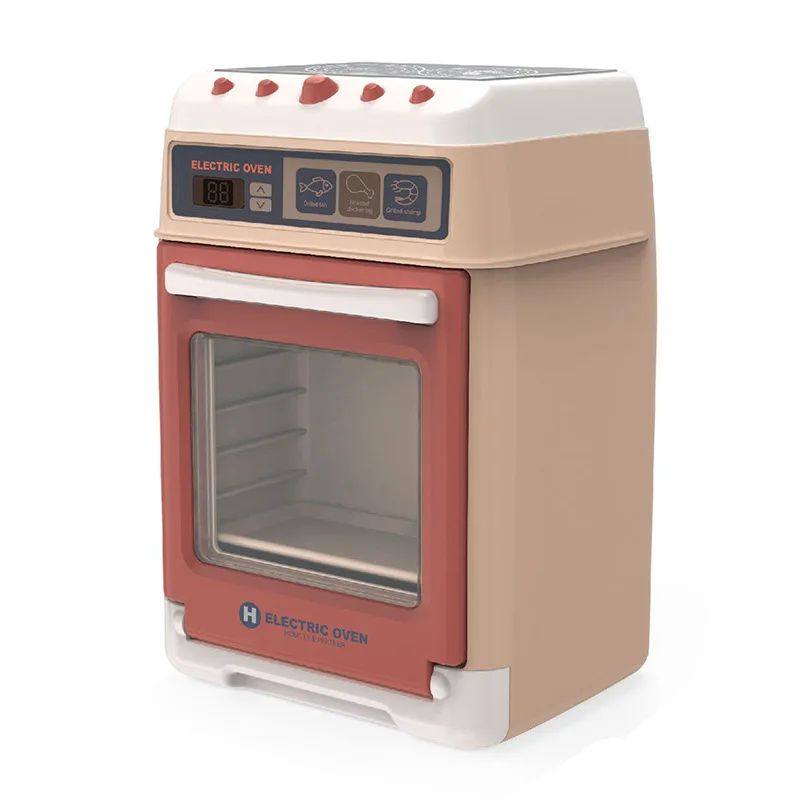
- Oven Blue
- Juice Machine Brown
- Brown Coffee Machine
- Brown Vacuum Cleaner
- Bread Machine Brown
- Brown Mixer
- Oven Brown
Names do not confirm measurements, quantities, materials, or accessories unless explicitly stated. Compare the selected name with its matching images before ordering. Only the option chosen at checkout is included.
If size, piece count, packaging, instructions, or accessories will affect the decision, please review the product images or packaging for confirmation. Keep a note of the selected option until the order arrives.
Buying Guidance for Parents and Gift Buyers
Choose this product when the child enjoys a household role-play collection and has the patience or support needed for its main activity. Consider working space, storage, available supervision, and whether small parts are appropriate in the home.
For gifts, confirm the manufacturer’s age guidance, exact variant, and recipient’s interests. A child who enjoys careful projects may value the process, while a child seeking instant action may prefer another toy style.
Supplier option names can be brief, so use images and packaging as the final reference. Decorative props, background objects, and every variant pictured are not automatically included.
Safety, Care, and Storage
Follow the manufacturer’s age guidance and warnings. Adult supervision is recommended, especially when small, detachable, delicate, or pointed parts may be present. Inspect all parts before use and stop if anything becomes loose, cracked, sharp, or damaged.
Keep components away from younger children and pets, use the activity on a stable surface, and store everything together after play. Exact materials, dimensions, piece counts, accessories, and care directions should be confirmed from the selected option’s images or packaging.
Do not force, bend, trim, heat, or modify parts. Use glue, tools, batteries, or liquids only if official instructions require them and a capable adult manages the step. Store away from moisture, direct heat, and heavy objects.
More Ways to Extend the Experience
The first session can focus on becoming familiar with the product. Later sessions can emphasize remembering steps, trying a new strategy, using more precise words, or completing more independently.
Create small challenges without turning play into a test. Ask the child to sort parts, explain a pattern, compare choices, sketch the result, or tell a story inspired by the activity. Keep challenges flexible and pause when the child becomes tired or frustrated.
This pretend play kitchen toys for kids can offer continuing value when stored carefully, introduced calmly, and matched with a child who enjoys this kind of exploration.
Commonly Asked Questions by Parents
What is this product designed for?
It is a household role-play collection designed to encourage imaginative play, everyday vocabulary, social confidence, and sequencing through hands-on use.
Is it screen-free?
Yes. The main activity is fully screen-free, and no app or digital display is identified as necessary in the verified listing.
Which options are available?
The current selector lists Juice Machine Blue, Blue Coffee Machine, Blue Washing Machine, Blue Vacuum Cleaner, Bread Machine Blue, Oven Blue, Juice Machine Brown, Brown Coffee Machine, Brown Vacuum Cleaner, Bread Machine Brown, Brown Mixer, Oven Brown. Choose one option carefully before checkout.
Will I receive every option shown?
No. The order includes only the variant selected at checkout unless that option explicitly states a multipack.
What skills can it support?
It may support imaginative play, everyday vocabulary, social confidence, and sequencing, depending on the child, setup, and level of adult guidance.
How can parents introduce it?
Begin on a clear table, review the selected option and packaging, demonstrate one safe step, and let the child explore without rushing.
Does it include small parts?
Small or detachable parts may be present. Review the packaging and selected images, and keep components away from younger children.
What age is it suitable for?
Use the manufacturer’s age guidance and warnings on the packaging. An exact age range is not confirmed in the available record.
Are dimensions and materials confirmed?
Not fully. Please review the product images or packaging for confirmation of dimensions, materials, and exact specifications.
How should it be cleaned?
Follow the package directions. When no special direction is supplied, use a soft dry cloth and avoid soaking or harsh cleaners.
Can children use it independently?
Independence depends on age, experience, and the selected option. An adult should first inspect it and remain available for supervision.
Is it a good gift?
It can suit a child interested in a household role-play collection, provided the age guidance, space, and selected variant are appropriate.
What should I check on arrival?
Confirm the variant name, compare contents with selected images, inspect every part, read warnings, and keep packaging until verified.
Choose the Right Option for Your Child
Review the variant, images, packaging guidance, and safety information, then add Pretend Play Kitchen Toys for Kids to a thoughtful hands-on play routine.