
-


95-Piece Corner Play Kitchen Set for Kids – Realistic Steam and Sound Effects Pretend Cooking Toy
Regular price $417.00Regular priceUnit price per$696.00Sale price $417.00SAVE 40% -
5-in-1 Jungle Wooden Activity Cube for Toddlers – Montessori Sensory Learning Toy Ages 1-3
Regular price $166.00Regular priceUnit price per$278.00Sale price $166.00SAVE 40% -
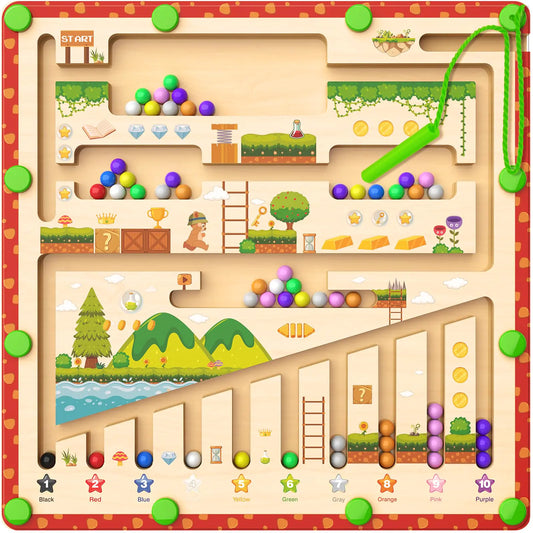
Montessori Magnetic Color and Number Maze Board for Preschoolers – 55 Beads Ages 3-5
Regular price $83.00Regular priceUnit price per$138.00Sale price $83.00SAVE 40% -
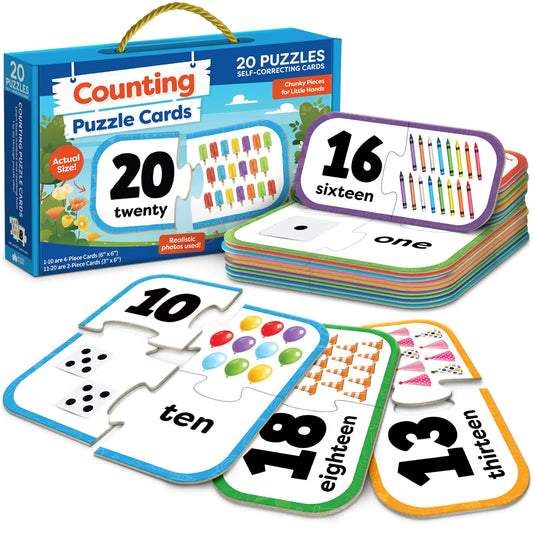
26-Piece Self-Correcting Number Matching Puzzle Set – Montessori Counting Game Ages 3-5
Regular price $111.00Regular priceUnit price per$180.00Sale price $111.00SAVE 38% -
Mess-Free Button Art Craft Toy Set for Toddlers – Fine Motor Skills Activity Ages 3-5
Regular price $111.00Regular priceUnit price per$180.00Sale price $111.00SAVE 38%





Build Focus, Fine Motor Skills, and Tactile Discovery
Sensory learning toys for kids engage children's natural curiosity about textures, sounds, movement, and touch. These toys support focused play, fine motor skill development, hand-eye coordination, and calm exploration through hands-on discovery. Instead of passive consumption, sensory toys invite children to slow down, notice details, and engage deeply with materials and movements.
Our collection of sensory toys for kids, fine motor toys, tactile learning toys, Montessori-inspired toys, and sensory activities includes busy boards, textured toys, fidget toys, tactile exploration sets, sound-based toys, and hands-on materials that help children develop through touch, movement, and repetitive play.
Whether your child is a sensory seeker, needs tools for focus and calm, loves exploring textures, or benefits from hands-on tactile learning, this collection supports multisensory development. Explore related collections like Montessori educational toys, early development toys, educational toys for 3 year olds, and educational toys.
Children Learn Through Senses, But Modern Play Often Skips Tactile Exploration
Young children are naturally driven to explore through touch, texture, sound, and movement. But many modern toys skip genuine sensory engagement—they're flat, one-dimensional, or overstimulating rather than inviting meaningful tactile discovery. Without rich sensory experiences, children miss critical developmental opportunities for fine motor skill building, focus development, and neurological organization.
Quality sensory play isn't frivolous—it's how young brains develop coordination, attention, self-regulation, and understanding of the physical world.
Without Rich Sensory Experiences, Children's Development Suffers
Children who don't engage in hands-on sensory play miss opportunities to develop fine motor control, hand-eye coordination, focus and attention skills, self-regulation through calming tactile input, and neurological organization. Research shows that sensory-rich play supports brain development, emotional regulation, and learning readiness far more effectively than passive activities.
Kids who lack access to quality sensory experiences often struggle with fine motor skills, attention regulation, and the ability to calm themselves through tactile input—skills that matter throughout childhood and beyond.
Sensory Toys Provide Rich Tactile Experiences That Build Skills and Calm
Our collection of sensory learning toys for kids does one thing brilliantly: it keeps children engaged in meaningful tactile exploration that builds fine motor skills, focus, coordination, and emotional regulation. Kids aren't just playing. They're developing hand strength, sensory awareness, attention span, and the neurological organization that comes from hands-on sensory engagement.
From busy boards and fine motor toys to tactile exploration sets, fidget and calming toys, and sensory materials, these options support the kind of focused, multisensory play that builds genuine developmental skills and provides genuine calm through touch.
Support Your Child's Sensory Development
Shop sensory toys that build fine motor skills, focus, and calm through hands-on tactile exploration.
Explore Sensory ToysWhy Sensory Learning Toys Build Real Developmental Skills
Sensory toys for kids aren't just calming (though they are). They're developmental tools. When a child works with textures, presses buttons, turns knobs, and explores tactile materials, they're strengthening the neural pathways and motor control that support all future learning.
Pressing, grasping, turning, sorting, and manipulating build hand strength, dexterity, and coordination needed for writing and self-care skills.
Repetitive sensory play naturally builds attention span and the ability to focus deeply on a single activity.
Tactile input can be deeply calming, helping children self-regulate, manage transitions, and soothe anxious feelings.
Through touch, sound, and movement, children develop body awareness and sensory discrimination skills.
Safe sensory play invites children to wonder, notice details, compare textures, and engage curiosity naturally.
Multisensory experiences activate multiple brain regions, supporting overall neurological organization and development.
The most valuable thing sensory toys teach kids is that they can explore safely, discover through touch, and calm themselves through tactile engagement—skills that matter throughout life.
Types of Sensory Learning Toys
Different sensory toys engage different senses and developmental needs. The best collections include variety so children experience diverse sensory inputs and developmental benefits.
Busy Boards and Fine Motor Toys
Boards with buttons, zippers, latches, knobs, and switches that build fine motor coordination and problem-solving.
Textured and Tactile Toys
Sensory toys with varied textures—bumpy, smooth, soft, crinkly—that invite tactile exploration and comparison.
Fidget and Calming Toys
Toys designed to provide calming sensory input, support focus, and help children self-regulate through tactile engagement.
Sound and Movement Toys
Toys that engage auditory and vestibular senses through sound, music, and movement experiences.
Montessori Sensory Materials
Specifically designed materials from Montessori education that support sensory discrimination and concentration.
Water and Sand Play Toys
Toys for water and sand exploration that provide unique sensory experiences and fine motor practice.
Shop Sensory Toys by Developmental Goal
Find sensory learning toys based on the developmental skill you want to support. These mobile-friendly cards help parents choose the right sensory experiences.
Busy Boards & Hand Toys
Build hand strength and dexterity through buttons, latches, knobs, and manipulatives.
Best for: Ages 1-5, hand coordination, problem-solving, early skill development
Explore Busy Boards →Textured & Tactile Toys
Explore textures, develop sensory discrimination, and engage curiosity through touch.
Best for: All ages, sensory discrimination, exploration, curiosity building
Explore Tactile Toys →Fidget & Calming Toys
Provide soothing tactile input that supports focus, attention, and emotional self-regulation.
Best for: Ages 3+, attention support, anxiety management, sensory seeking
Explore Fidget Toys →Sound & Music Toys
Engage auditory and vestibular senses through sound exploration and movement.
Best for: All ages, auditory development, movement coordination, joy and engagement
Explore Sound Toys →Montessori Sensory Materials
Specifically designed materials that teach sensory discrimination through structured play.
Best for: Ages 2-6, sensory discrimination, concentration, structured learning
Explore Montessori →Water & Sand Play Toys
Unique sensory experiences through water and sand exploration and manipulation.
Best for: Ages 2+, open-ended play, sensory exploration, outdoor discovery
Explore Water Play →Sensory Toys for Every Age
The best sensory toys for kids match your child's current developmental stage while offering challenges that support growth. Different ages benefit from different sensory experiences.
Sensory Toys for Infants and Toddlers (0-18 months)
Safe, simple toys with varied textures, sounds, and tactile materials for early sensory development.
Sensory Learning Toys for Toddlers (18 months - 3 years)
Busy boards, fine motor toys, and more complex sensory materials that match developing coordination.
Sensory Toys for Preschoolers (3-5 years)
More sophisticated sensory experiences including Montessori materials, fidget toys, and structured sensory activities.
Sensory Play for School-Age Kids (5+ years)
Fidget toys for attention support, advanced Montessori materials, and sensory tools for self-regulation.
How Sensory Learning Toys Support Child Development
When children engage with quality sensory toys regularly, something important happens. They develop not just motor skills and sensory awareness, but also the ability to regulate themselves through tactile input, sustain attention, and find genuine calm.
Research shows that children who experience rich sensory play develop stronger fine motor skills, better focus and attention, healthier emotional regulation, improved body awareness, and greater confidence in their physical abilities. These benefits compound over time.
Why Fine Motor Skills Matter: Building Foundations for Learning
Fine motor skills—the ability to control small hand and finger movements—are foundational for writing, drawing, self-care, and countless daily tasks. Fine motor toys and sensory play aren't optional extras. They're essential developmental tools that build the hand strength, coordination, and control that children need for academic success and independence.
Quality sensory play during early childhood creates neural pathways and muscle development that support these critical skills throughout life.
Sensory Toys and Emotional Regulation
Beyond skill development, sensory toys provide powerful tools for emotional self-regulation. Many children naturally seek sensory input to calm themselves or manage anxiety. The right sensory toys give them safe, healthy ways to self-soothe through tactile engagement.
For sensory-seeking children, fidget toys, and tactile materials can be the difference between dysregulation and calm focus. This skill—the ability to use sensory input to regulate emotions—is invaluable throughout life.
How to Choose the Right Sensory Toys for Your Child
When selecting sensory learning toys, ask: What sensory input does my child need or seek? Are they drawn to tactile play, sound, movement, or calm fidgeting? What developmental skills do they need to build? What sensory experiences will keep them engaged for extended play?
The best sensory toys match your child's current interests while offering genuine developmental benefits. Look for toys that encourage exploration, support safe repeated play, and engage different senses. Quality matters—well-designed sensory toys should be durable, safe, and genuinely engaging.
Don't be afraid to experiment. Different children seek different sensory inputs. Your child's preferences will guide you to what they need most.
Sensory Toys for Focus and Attention Support
Many children benefit from sensory input to support focus and attention. Fidget toys, textured materials, and repetitive tactile activities can help children settle their nervous systems and concentrate. This is especially valuable for children who struggle with sustained attention or need sensory input to feel regulated.
Quality sensory toys give children healthy, productive outlets for sensory-seeking behavior and tools for self-regulation that serve them throughout school and beyond.
Sensory Toys Make Meaningful Gifts
If you're shopping for birthdays, holidays, or special occasions, sensory toys are gifts that support genuine development over time. These toys get used repeatedly, encourage focused play, and grow with your child as their skills and interests evolve.
Unlike toys that entertain briefly, quality sensory toys invite sustained, evolving engagement. Kids return to them repeatedly, discovering new approaches, building stronger skills, and finding genuine calm through familiar tactile experiences.
Why Parents Choose WonderKidsToy for Sensory Learning Toys
At WonderKidsToy, we believe sensory development matters. That's why this collection includes carefully curated sensory toys for kids that provide rich tactile experiences, genuine developmental benefits, and tools for focus and calm. From busy boards and fine motor toys to tactile exploration materials, fidget toys, and Montessori sensory items, these options support the kind of hands-on sensory play that builds real skills and genuine well-being.
- Curated collection of high-quality sensory toys
- Options for every age and sensory need
- Toys that support fine motor, focus, and regulation
- Montessori-inspired and expert-recommended options
- Sensory materials proven to build skills and support calm
Explore More Early Development and Montessori Collections
Kids who love sensory play often enjoy these related collections:
- Montessori Educational Toys
- Early Development Toys
- Educational Toys for 3 Year Olds
- Educational Toys
- Puzzle & Brain Teasers
- Arts & Crafts for Kids
Support Your Child's Sensory Development
Shop sensory learning toys that build fine motor skills, focus, calm, and confidence through hands-on tactile play.
Shop Sensory ToysFrequently Asked Questions About Sensory Learning Toys
1. What are sensory learning toys?
Toys designed to engage children's senses through touch, sound, movement, and texture, building fine motor skills, focus, and development.
2. Why are sensory toys important for development?
They build fine motor skills, strengthen focus and attention, support emotional regulation, develop sensory awareness, and create neurological pathways for learning.
3. At what age can kids start with sensory toys?
From infancy onwards. Different ages benefit from different sensory experiences—start with simple toys for babies and progress as children grow.
4. What are fine motor toys?
Toys like busy boards, button toys, and manipulatives that strengthen hand control and coordination through pressing, grasping, and turning.
5. Can sensory toys help with focus?
Yes. Fidget toys and repetitive sensory play can help children settle and concentrate, especially those who need sensory input for regulation.
6. What's the difference between sensory toys and fidget toys?
Sensory toys engage multiple senses for exploration and skill-building; fidget toys specifically provide calming tactile input for focus and regulation.
7. Are Montessori sensory toys worth it?
Yes. They're specifically designed for sensory discrimination and concentration development based on proven educational principles.
8. Can sensory toys help anxious children?
Often yes. Tactile input and fidget toys can be deeply calming for anxious children and provide healthy self-regulation tools.
9. How long do kids stay interested in sensory toys?
Quality sensory toys sustain interest for months or years, especially as children discover new ways to play and engage.
10. What sensory toy is best for my child?
It depends on what they're drawn to—tactile input, sound, movement, or calm fidgeting. Observe their preferences and choose accordingly.
11. Are sensory toys good for autistic children?
Many autistic children benefit from sensory toys that match their sensory preferences and regulation needs.
12. Do sensory toys reduce screen time?
Yes. Engaging sensory play naturally draws kids away from screens toward hands-on tactile engagement.
13. What makes a good busy board?
Multiple fine motor activities, safe materials, durable construction, and buttons/latches that require real problem-solving.
14. Can siblings of different ages use the same sensory toys?
Sometimes. Younger kids might need help; older kids might find it too simple. Age-matched toys usually work better.
15. How do sensory toys support emotional regulation?
Tactile input naturally calms the nervous system, helping children manage stress, transitions, and big emotions.
16. What sensory input helps children who fidget?
Fidget toys, textured materials, and toys requiring repetitive motion—anything that gives sustained tactile input.
17. Are expensive sensory toys worth it?
Quality matters. Better toys are more durable, safer, and more engaging—worth the investment for long-term use.
18. Do sensory toys help with writing preparation?
Yes. Fine motor toys build hand strength and control essential for writing, drawing, and self-care skills.
19. Can sensory play support speech development?
Yes. Sound toys and interactive sensory play can support auditory development and communication skills.
30. What's the biggest benefit of sensory toys?
Kids learn that they can explore safely, calm themselves through touch, and build real skills that support learning and well-being throughout life.
Support Your Child's Sensory Development Through Play
Sensory development matters. Kids who engage with quality sensory toys build fine motor skills, strengthen focus and attention, develop emotional regulation, and gain confidence in their abilities. The right sensory toys make hands-on learning tangible, engaging, and genuinely fun.
Shop sensory learning toys that build fine motor skills, focus, emotional calm, and the kind of developmental confidence that matters for school and life.
More Collections
- Best Arts and Crafts for Kids
- Best Board Games for Kids
- Best Building and Construction Toys for Kids
- Best Developmental Toys for Babies and Toddlers
- Best Educational Toys for 3 Year Olds
- Best Geography Toys for Kids
- Best Global Learning Toys for Kids
- Best Language Learning Toys for Kids and Toddlers
- Best Learning Toys for Kids
FREE: Get $99 worth Creative Digital Vault
Order now and get instant access to 130+ Digital Learning Books. While your item ships, your child can start learning immediately!
Explore Screen Free Toys
Looking for more fun and educational toys for kids? Explore our most popular collections designed to support STEM learning, creativity, language development, problem-solving, and hands-on play.