
-
120-Inch Dinosaur Coloring Paper Roll for Kids – Giant Sticky Wall Drawing Poster
Regular price $87.00Regular priceUnit price per$87.00Sale price $87.00 -
CVC Word Phonics Learning Game Set for Preschool and Kindergarten – Early Reading Toy Ages 4-6
Regular price $113.00Regular priceUnit price per$113.00Sale price $113.00 -
Double-Sided Magnetic Chalkboard Learning Table for Toddlers – Screen-Free Ages 1-3
Regular price $175.00Regular priceUnit price per$278.00Sale price $175.00SAVE 37% -
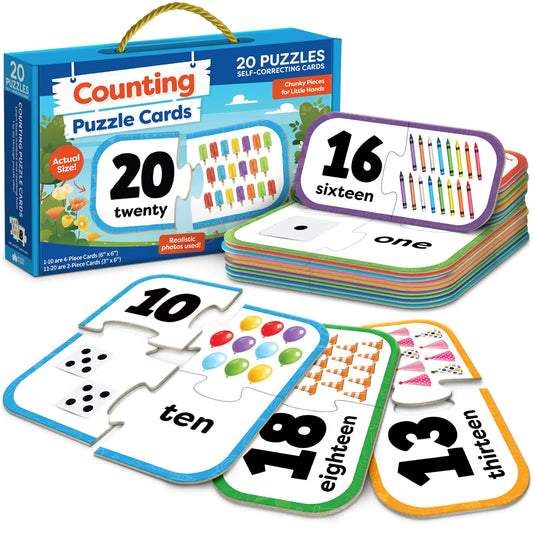
26-Piece Self-Correcting Number Matching Puzzle Set – Montessori Counting Game Ages 3-5
Regular price $111.00Regular priceUnit price per$138.00Sale price $111.00SAVE 20% -
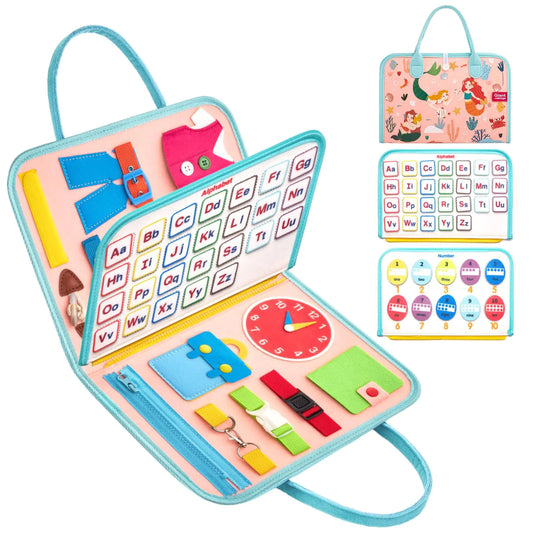
Little Mermaid Montessori Busy Board – 17-Activity Toddler Sensory Learning Toy Ages 1-4
Regular price $138.00Regular priceUnit price per$236.00Sale price $138.00SAVE 42% -
Bilingual English Spanish ABC Interactive Learning Poster for Toddlers Ages 2-4
Regular price $166.00Regular priceUnit price per$278.00Sale price $166.00SAVE 40% -
Mess-Free Button Art Craft Toy Set for Toddlers – Fine Motor Skills Activity Ages 3-5
Regular price $111.00Regular priceUnit price per$180.00Sale price $111.00SAVE 38%





Build Early Literacy, Letter Recognition, and Writing Confidence
Reading and writing toys for kids support early literacy development through hands-on play that makes letter recognition, phonics, spelling, and handwriting practice feel natural and enjoyable. Instead of drill-based practice that feels like work, reading and writing toys invite children to explore letters and sounds through discovery, storytelling, tracing, and creative play.
Our collection of reading toys for kids, writing toys, alphabet learning toys, phonics games, and early literacy materials includes letter recognition toys, alphabet puzzles, tracing activities, phonics games, reusable writing boards, spelling toys, magnetic letters, and story-building games that help children develop confidence with reading and writing.
Whether your child is just discovering letters, practicing letter sounds, building early words, preparing for handwriting, or developing reading comprehension, this collection supports meaningful literacy learning. Explore related collections like language learning toys, Montessori educational toys, puzzle and brain teasers, and educational toys.
Many Children Struggle With Reading and Writing Because Early Practice Feels Like Work, Not Play
Children develop literacy through repeated, joyful exposure to letters, sounds, and words. But when letter practice feels forced, pressured, or disconnected from play, children resist. They may develop negative associations with reading and writing before they've even started real learning.
Without playful, hands-on literacy experiences, children miss critical opportunities to develop phonetic awareness, letter recognition, fine motor skills, and genuine enthusiasm for reading and writing.
Without Early Literacy Play, Children Fall Behind in Reading and Writing Skills
Research shows that children who engage in playful early literacy experiences develop stronger reading skills, better writing readiness, larger vocabularies, and more genuine interest in books. Without these early experiences, children may struggle with literacy later, face reading anxiety, or feel less confident about academic learning overall.
Early literacy isn't optional—it's foundational. And the best early literacy learning happens through play, not pressure. When children discover letters through hands-on games, storytelling, and creative writing activities, they develop skills and confidence that shape their entire academic journey.
Reading and Writing Toys Make Literacy Learning Playful and Natural
Our collection of reading and writing toys for kids does one thing brilliantly: it makes literacy development feel like play rather than work. Kids aren't studying letters. They're building words with magnetic letters, tracing letter shapes, matching words to pictures, telling stories, and discovering that reading and writing are genuinely fun.
From alphabet learning toys and phonics games to writing practice boards, spelling toys, and story-building games, these options support the kind of playful, hands-on literacy learning that builds genuine reading confidence and writing readiness.
Build Your Child's Reading and Writing Confidence
Shop reading and writing toys that make letters, sounds, words, and stories feel playful and engaging.
Explore Reading & Writing ToysWhy Reading and Writing Toys Build Real Literacy Skills
Reading and writing toys aren't just fun. They're literacy builders. When a child successfully sounds out a word, traces a letter they recognize, builds a word with magnetic letters, or tells a story using picture cards, they're developing the neural pathways and skills that support reading and writing for life.
Repeated exposure to letter shapes, sounds, and names through play develops automatic letter recognition.
Playing with sounds, rhymes, and letter-to-sound connections builds the phonetic understanding that underlies reading.
Tracing, drawing, and fine motor activities develop the hand strength and control needed for handwriting.
Story-based games and picture-word matching toys naturally build vocabulary in meaningful contexts.
Successful letter and word experiences create positive associations with reading and genuine confidence.
Games that involve story creation develop narrative thinking and communication skills alongside literacy.
The most valuable thing reading and writing toys teach kids is that literacy is fun, meaningful, and something they can do successfully—that's foundation for lifelong learning.
Types of Reading and Writing Toys
Different reading and writing toys support different literacy skills. The best collections include variety so children practice diverse literacy competencies.
Alphabet and Letter Recognition Toys
Toys that help children learn letter names, shapes, and sounds through matching, sorting, and tracing activities.
Phonics and Sound Games
Phonics toys that teach how letters and letter combinations make sounds, supporting early reading skills.
Word-Building Toys
Magnetic letters, word tiles, and letter blocks that let children build and manipulate words.
Tracing and Writing Practice Toys
Reusable writing boards, tracing tablets, and finger-painting activities that develop pencil control.
Story and Comprehension Games
Games based on familiar stories or picture sequences that develop reading comprehension and narrative thinking.
Spelling and Word Games
Games that encourage spelling practice and word pattern recognition in fun, low-pressure contexts.
Shop Reading and Writing Toys by Learning Goal
Find reading and writing toys based on the literacy skill you want to develop. These mobile-friendly cards help parents choose the right literacy tools.
Alphabet Learning Toys
Learn letter names, shapes, and recognition through matching, sorting, and tactile activities.
Best for: Ages 2-4, letter recognition, alphabet awareness, early learning
Explore Alphabet Toys →Phonics Games
Learn how letters make sounds and sounds build words through playful phonics games.
Best for: Ages 3-6, phonetic awareness, sound-letter connection, pre-reading
Explore Phonics Toys →Word-Building Toys
Build, manipulate, and spell words using magnetic letters, word tiles, and letter blocks.
Best for: Ages 3-7, word recognition, spelling practice, hands-on learning
Explore Word Toys →Writing Practice Toys
Develop pencil control and writing readiness through tracing, drawing, and reusable writing boards.
Best for: Ages 2-6, fine motor, handwriting readiness, pencil control
Explore Writing Toys →Story Games
Build reading comprehension and narrative thinking through story-based games and activities.
Best for: Ages 3-8, comprehension, storytelling, narrative skills
Explore Story Toys →Vocabulary Games
Expand vocabulary and language understanding through picture-word matching and naming games.
Best for: Ages 2-6, vocabulary building, word associations, language development
Explore Vocabulary Toys →Reading and Writing Toys for Every Age
The best reading and writing toys match your child's literacy stage while offering genuine learning challenges. Early literacy develops through stages, and toys should match where children are developmentally.
Reading and Writing Toys for Toddlers (18 months - 3 years)
Simple alphabet recognition, tactile letter exploration, and pre-writing activities with large, safe materials.
Early Literacy Toys for Preschoolers (3-5 years)
Letter-to-sound connection, simple word building, phonics games, and fine motor writing practice.
Reading and Writing Toys for Early Readers (5-7 years)
Word-building challenges, spelling games, comprehension activities, and handwriting development.
Reading Games for School-Age Kids (7+ years)
Advanced word games, comprehension challenges, creative writing prompts, and literacy-building games.
How Reading and Writing Toys Support Child Development
When children engage with quality reading and writing toys regularly, significant literacy development happens. They develop not just reading skills, but genuine confidence with words, enthusiasm for stories, and the writing readiness that supports academic success.
Research shows that children who experience playful early literacy practice develop stronger reading skills, better writing readiness, larger vocabularies, higher interest in books, and more confidence in academic learning. These benefits compound over time.
Why Phonetic Awareness Matters: The Foundation of Reading
Phonetic awareness—the ability to hear and work with the sounds in words—is the single strongest predictor of reading success. Phonics toys and reading games build this foundation naturally through play, without pressure or drilling.
When children develop phonetic awareness playfully, they approach reading with confidence rather than anxiety. This early foundation shapes their entire reading journey.
Writing Readiness: Building Fine Motor Skills and Letter Knowledge
Writing toys that focus on tracing, drawing, and fine motor practice aren't just about handwriting preparation. They're also reinforcing letter recognition and building the hand strength needed for writing. This multisensory approach to letter learning is powerful.
When children see letters, hear their sounds, and trace their shapes, they develop deep letter knowledge that supports both reading and writing.
Reading and Writing Toys Support Vocabulary and Language Development
Reading toys that pair words with pictures naturally build vocabulary. Writing activities that encourage storytelling develop language expression. Together, they create a rich language foundation.
Children with larger vocabularies and more developed language skills typically become stronger readers and writers. These toys build both simultaneously.
How to Choose the Right Reading and Writing Toys
When selecting reading and writing toys, ask: What literacy skill is my child working on? Are they interested in letters or words? Do they need fine motor practice? Will they be able to engage independently? What will keep them interested over time?
The best reading and writing toys are engaging, developmentally appropriate, visually appealing, and support independent play. They should feel like choices kids want to make, not work they have to do.
Observe your child's interests. If they're fascinated by letters on signs, letter toys will captivate them. If they love telling stories, story-based games will be irresistible. Match toys to genuine interests and watch engagement happen naturally.
Reading and Writing Toys Make Meaningful Gifts
If you're shopping for birthdays, holidays, or special occasions, reading and writing toys are gifts that support genuine literacy development over time. These aren't toys that entertain briefly. They're literacy investments that grow with your child.
Quality reading and writing toys sustain interest for years as children's literacy skills develop. They're often treasured possessions that become memory-filled resources of childhood learning.
Why Parents Choose WonderKidsToy for Reading and Writing Toys
At WonderKidsToy, we believe early literacy matters. That's why this collection includes carefully curated reading and writing toys for kids that make letters, sounds, words, and stories engaging. From alphabet learning toys and phonics games to word-building toys, writing practice materials, and story-based games, these options support the kind of playful, hands-on literacy learning that builds genuine skills and authentic confidence.
- Curated collection of quality reading and writing toys
- Options for every literacy stage and learning style
- Toys that build letter recognition, phonics, and writing readiness
- Materials that support independent, joyful literacy discovery
- Toys proven to build literacy skills and reading confidence
Explore More Literacy and Educational Collections
Parents building early literacy often explore these related collections:
- Language Learning Toys
- Montessori Educational Toys
- Educational Toys for 3 Year Olds
- Puzzle & Brain Teasers
- Sensory Learning Toys
- Educational Toys
Build Your Child's Reading and Writing Confidence
Shop reading and writing toys that make letters, sounds, words, and stories engaging and fun.
Shop Reading & Writing ToysFrequently Asked Questions About Reading and Writing Toys
1. At what age should kids start learning to read?
Early literacy learning can start as young as 18 months with alphabet toys; formal reading typically develops between 5-7 years.
2. Are reading toys better than books?
Both are valuable. Books build comprehension and love of reading; reading toys build letter and phonics skills. Combine both.
3. What's phonetic awareness?
The ability to hear and work with sounds in words—the foundation of reading and decoding ability.
4. Can writing toys really help with handwriting?
Yes. Tracing, drawing, and fine motor activities build pencil control and hand strength needed for handwriting.
5. Are phonics games effective?
Yes. Research shows phonics instruction through play builds strong decoding skills and reading ability.
6. What's the difference between letter recognition and phonetic awareness?
Letter recognition is knowing letter names; phonetic awareness is understanding the sounds letters make.
7. Do reading toys reduce screen time?
Yes. Engaging reading toys naturally draw children away from screens toward hands-on literacy discovery.
8. Can magnetic letters really teach spelling?
Yes. Building words with magnetic letters develops word patterns and spelling understanding through hands-on experience.
9. What makes a good reading toy?
Clear learning focus, engaging design, appropriate difficulty, ability to use independently, and durability for repeated play.
10. How long do kids use reading and writing toys?
Quality toys sustain interest for years as literacy skills develop, often passing to younger siblings.
11. Should I use alphabet toys before letter toys?
It depends on the child. Some kids learn best with letter names first; others benefit from sounds. Most benefit from both approaches.
12. Can children learn to read without reading toys?
Yes, but reading toys make learning easier and more enjoyable. Books are essential; toys provide complementary skill-building.
13. Are reusable writing boards good for handwriting practice?
Yes. They let kids practice without pressure, erase and retry, and develop pencil control naturally.
14. Can shy children benefit from reading toys?
Yes. The low-pressure, self-paced nature of toys can help build confidence in children reluctant to perform.
30. What's the biggest benefit of reading and writing toys?
Kids learn that reading and writing are fun, achievable, and worth their effort—that confidence shapes their entire literacy journey.
Build Your Child's Literacy Confidence and Love of Reading
Early literacy matters. When children experience playful, hands-on learning with letters, sounds, words, and stories, they develop skills, confidence, and genuine enthusiasm for reading and writing. Quality reading and writing toys make this learning tangible, engaging, and genuinely fun.
Shop reading and writing toys that build letter recognition, phonetic awareness, writing readiness, and the kind of literacy confidence that supports success in school and beyond.
More Collections
- Best Arts and Crafts for Kids
- Best Board Games for Kids
- Best Building and Construction Toys for Kids
- Best Developmental Toys for Babies and Toddlers
- Best Educational Toys for 3 Year Olds
- Best Geography Toys for Kids
- Best Global Learning Toys for Kids
- Best Language Learning Toys for Kids and Toddlers
- Best Learning Toys for Kids
FREE: Get $99 worth Creative Digital Vault
Order now and get instant access to 130+ Digital Learning Books. While your item ships, your child can start learning immediately!
Explore Screen Free Toys
Looking for more fun and educational toys for kids? Explore our most popular collections designed to support STEM learning, creativity, language development, problem-solving, and hands-on play.