
-
3D Wooden Hawk Mechanical Wall Clock Puzzle Kit
Regular price $146.00Regular priceUnit price per$278.00Sale price $146.00SAVE 47% -
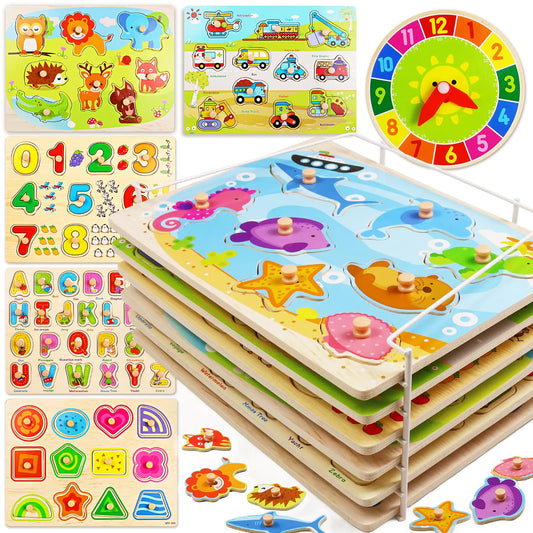
6-Pack Wooden Peg Puzzle Set with Storage Rack and Learning Clock – Toddler Toy Ages 2-4
Regular price $194.00Regular priceUnit price per$320.00Sale price $194.00SAVE 39% -

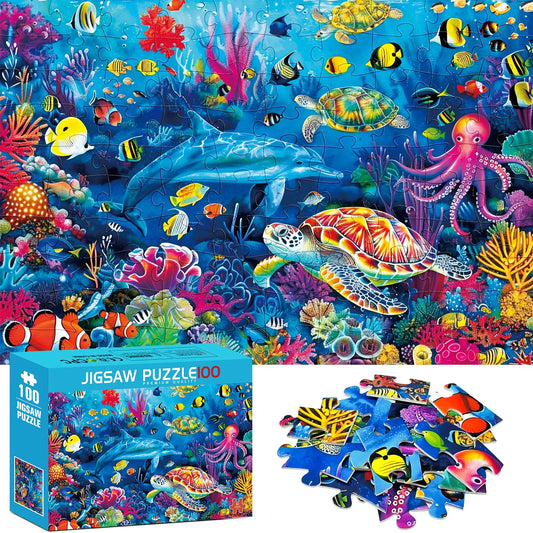
100-Piece Wild Animals Jigsaw Puzzle for Kids – Screen-Free Educational Family Puzzle Ages 4-8
Regular price $76.00Regular priceUnit price per$138.00Sale price $76.00SAVE 45% -

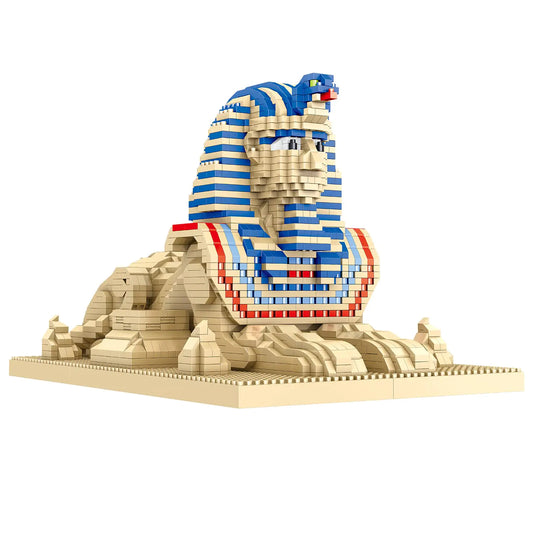
2732-Piece Great Sphinx of Egypt Micro Building Blocks Set – Advanced STEM Construction Toy
Regular price $208.00Regular priceUnit price per$320.00Sale price $208.00SAVE 35% -

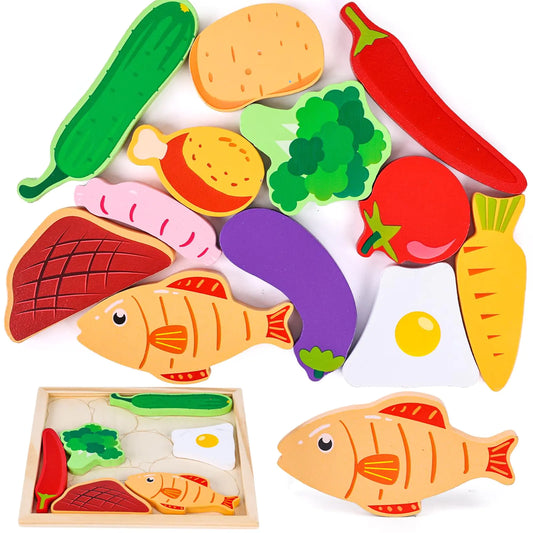
12-Piece Wooden Food Stacking Puzzle Set for Toddlers – Montessori Fine Motor Learning Toy Ages 2-4
Regular price $69.00Regular priceUnit price per$138.00Sale price $69.00SAVE 50% -
200-Piece Solar System Floor Puzzle for Kids – Space Science Jigsaw Learning Toy Ages 6+
Regular price $125.00Regular priceUnit price per$208.00Sale price $125.00SAVE 40% -
72-Piece Rainbow Counting Stones Montessori STEM Toy – Hands-On Math Learning Ages 3-7
Regular price $208.00Regular priceUnit price per$320.00Sale price $208.00SAVE 35% -
Montessori Wooden Rainbow Block Set – 24-Piece Learning Toy
Regular price $427.00Regular priceUnit price per$427.00Sale price $427.00 -
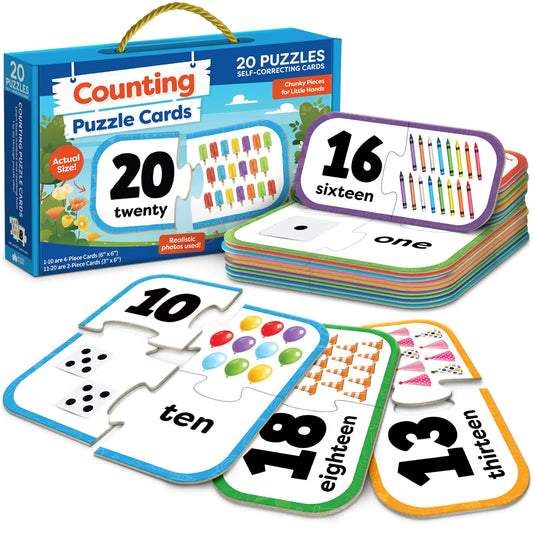
26-Piece Self-Correcting Number Matching Puzzle Set – Montessori Counting Game Ages 3-5
Regular price $111.00Regular priceUnit price per$138.00Sale price $111.00SAVE 20% -
Mess-Free Button Art Craft Toy Set for Toddlers – Fine Motor Skills Activity Ages 3-5
Regular price $111.00Regular priceUnit price per$180.00Sale price $111.00SAVE 38%









Build Logic, Focus, Memory, and Problem-Solving Confidence
Puzzle and brain teaser toys for kids turn thinking into play. When children solve a puzzle, they're not studying problem-solving—they're experiencing it. They're testing ideas, adjusting approaches, discovering patterns, and experiencing the genuine satisfaction of solving a challenge through their own effort. This is where real confidence is built.
Our collection of puzzle toys, brain teaser toys, logic puzzles, matching puzzles, wooden puzzles, STEM puzzles, shape puzzles, and problem-solving toys includes options for every age and challenge level—from toddlers discovering how shapes fit together to school-age children tackling complex logic challenges.
Whether your child is building spatial reasoning through shape puzzles, developing logical thinking with brain teasers, strengthening focus through challenging games, or you're looking for screen-free activities that genuinely engage young minds, this collection supports meaningful problem-solving and thinking. Explore related collections like problem-solving play sets, educational board games, STEM toys, and math and counting toys.
Many Kids Need More Opportunities for Real Problem-Solving Without Pressure or Performance Anxiety
Children are naturally drawn to challenges. They want to figure things out, solve mysteries, discover patterns, overcome obstacles. Yet many children don't get enough opportunities for genuine problem-solving—experiences where they can think, test, fail, adjust, and succeed on their own timeline.
Without regular problem-solving experiences, children develop weaker logical thinking, less persistence with challenges, reduced confidence in their ability to figure things out, and lower tolerance for frustration. These gaps compound. Children who struggle with problem-solving in early years often become anxious about challenges and more likely to give up when facing difficulty.
Without Joyful Problem-Solving Practice, Children Develop Fragile Confidence and Fear of Challenges
Children who don't experience regular, successful problem-solving develop learned helplessness. They see challenges as threatening rather than interesting. They're quick to say "I can't" rather than "let me try." They avoid difficulty instead of embracing it. When children don't build problem-solving confidence early, they're at higher risk for academic anxiety, lower persistence, reduced creativity, and less willingness to take intellectual risks.
These patterns become deeply ingrained. Children who develop anxiety around problem-solving often carry it throughout their educational journey, limiting their success in mathematics, science, and creative thinking—fields that require comfort with challenges and failure as part of the learning process.
Puzzle and Brain Teaser Toys Make Problem-Solving Safe, Rewarding, and Genuinely Fun
Our collection of puzzle and brain teaser toys for kids does one thing brilliantly: it makes genuine problem-solving accessible and irresistibly engaging. Kids aren't learning about problem-solving in theory. They're experiencing it in real time—testing approaches, discovering what works, celebrating success, and building confidence that they can figure things out.
From classic puzzles that build spatial reasoning to logic puzzles that develop step-by-step thinking, brain teaser games that strengthen memory and pattern recognition, matching and sorting toys that develop logical thinking, and progressive challenge sets that grow with children's skills, these options support the kind of engaging, self-directed problem-solving that builds genuine confidence and persistence.
Build Your Child's Problem-Solving Confidence and Love of Challenge
Shop puzzle and brain teaser toys that make thinking, problem-solving, and challenge-taking genuinely fun.
Explore Puzzle & Brain TeasersWhy Puzzle and Brain Teaser Toys Build Real Thinking Skills and Lasting Confidence
Puzzle and brain teaser toys aren't just entertainment. They're confidence-builders. When children engage with genuine challenges regularly, they develop stronger logical thinking, greater persistence with difficulty, deeper problem-solving flexibility, genuine confidence in their ability to figure things out, and lasting resilience when facing obstacles.
Children learn to analyze problems, identify patterns, consider multiple approaches, and work through logical sequences.
Puzzles help children understand how objects relate in space and visualize solutions before executing them.
Puzzle play naturally demands sustained concentration and resistance to distraction.
Remembering piece positions, recognizing patterns, and tracking progress naturally strengthen working memory.
When puzzles require multiple attempts, children learn that effort and adjustment lead to success.
Solving a challenge independently builds authentic confidence that transfers to facing other difficulties.
Puzzle toys teach children that they are capable problem-solvers, that challenges are interesting rather than threatening, and that persistence and flexible thinking lead to success—beliefs that shape their entire approach to learning and life.
The Power of Safe Challenge and Self-Directed Problem-Solving
The best puzzles are neither too easy (boring) nor too hard (frustrating). They're in the "sweet spot" where children experience genuine challenge but can succeed with effort. This is where growth happens. When children work through a genuinely challenging puzzle and solve it, they experience authentic success—the kind that builds lasting confidence.
Puzzle play is self-directed. No adult is evaluating performance. No one is watching to judge. There's no "right" or "wrong" approach. This freedom is crucial. Children develop problem-solving flexibility and willingness to try different approaches because they're not afraid of judgment.
Types of Puzzle and Brain Teaser Toys
Different puzzles challenge different kinds of thinking. Understanding the categories helps you choose materials that develop specific problem-solving skills.
Classic Jigsaws and Shape Puzzles
Puzzles with interlocking pieces that develop spatial reasoning, fine motor skills, and visual discrimination.
Logic Puzzles and Brain Teasers
Challenges that require step-by-step reasoning, pattern recognition, and flexible thinking.
Memory and Matching Games
Games that develop working memory, attention, visual recognition, and recall through matching challenges.
3D and Spatial Puzzles
Challenges that develop three-dimensional thinking, spatial visualization, and mental rotation skills.
Pattern and Sequence Puzzles
Games focused on recognizing, completing, and creating patterns—developing mathematical and logical thinking.
Shop Puzzle Toys by Thinking Skill and Challenge Type
Find puzzle and brain teaser toys based on the thinking skills you want to develop. These mobile-friendly cards help parents navigate different puzzle types.
Classic Jigsaws and Shape Puzzles
Build spatial reasoning, fine motor skills, and visual discrimination through shape-fitting.
Skills built: Spatial reasoning, persistence, fine motor control
Explore Jigsaw Puzzles →Logic Puzzles and Brain Teasers
Develop step-by-step reasoning, problem analysis, and flexible thinking.
Skills built: Logic, reasoning, patience, persistence
Explore Logic Puzzles →Memory and Matching Games
Build working memory, visual recognition, attention, and recall through matching challenges.
Skills built: Memory, focus, attention, visual discrimination
Explore Memory Games →3D and Spatial Puzzles
Develop three-dimensional thinking, spatial visualization, and mental rotation.
Skills built: 3D thinking, spatial visualization, mental rotation
Explore 3D Puzzles →Pattern and Sequence Puzzles
Develop mathematical thinking, logical sequence understanding, and pattern creation.
Skills built: Patterns, sequences, mathematical thinking, logic
Explore Pattern Puzzles →Escalating Difficulty Puzzles
Grow with children's skills—start simple, progress to complex challenges.
Skills built: Long-term engagement, growing confidence, sustained challenge
Explore Progressive Puzzles →Puzzle and Brain Teaser Toys for Every Age and Skill Level
The best puzzle toys match developmental stage while offering genuine challenge. As children grow, they can handle more complex puzzles, longer solving times, more abstract thinking, and deeper problem-solving challenges.
Puzzles for Toddlers (12-24 months)
Simple shape sorters, large-piece puzzles, color matching that introduce basic problem-solving and spatial concepts.
Puzzles for Preschoolers (2-4 years)
4-12 piece jigsaw puzzles, simple shape puzzles, matching games that build spatial reasoning and persistence.
Puzzles for Early Elementary (4-7 years)
12-48 piece jigsaws, logic puzzles, brain teasers, matching games that strengthen problem-solving and focus.
Puzzles for School-Age Kids (7+ years)
Complex jigsaws (100+ pieces), advanced logic puzzles, 3D brain teasers, challenging pattern games that develop sophisticated thinking skills.
How Puzzle Toys Support Academic Success and Lifelong Problem-Solving Confidence
When children engage with puzzle and brain teaser toys regularly, significant development happens. They develop stronger logical thinking that directly supports mathematics and science learning, better spatial reasoning that predicts geometry and STEM success, greater persistence with difficulty that transfers to academic challenges, and genuine confidence in their ability to solve problems.
Research shows that children with strong puzzle-solving skills and problem-solving confidence perform better academically, pursue STEM interests more frequently, display greater resilience when facing challenges, develop higher growth mindset, and experience less anxiety around learning difficulties. These benefits compound throughout their educational journey.
Puzzles Teach That Failure Is Information, Not Judgment
A puzzle piece doesn't fit. An approach doesn't work. A solution takes another try. These moments are where real learning happens. With puzzles, there's no judgment—just feedback. Children learn that when something doesn't work, they can try differently, adjust their approach, and eventually succeed.
This is one of the most valuable lessons puzzle toys teach: that persistence, flexible thinking, and trying different approaches lead to success. This mindset transfers to every challenge children encounter, shaping their resilience and growth trajectory for life.
How to Choose the Right Puzzle and Brain Teaser Toys
When selecting puzzle and brain teaser toys, consider your child's age, current problem-solving level, fine motor development, and patience with challenge. The best puzzles are in the "sweet spot"—challenging enough to be engaging but achievable with effort.
Look for variety. Some children thrive with visual-spatial puzzles; others prefer logic challenges. Some love matching games; others prefer 3D problems. A collection with different puzzle types will hold interest longer and develop broader thinking skills.
Most importantly, choose puzzles your child will actually want to work on. Engagement is everything. A puzzle that seems perfect but never gets attempted isn't supporting problem-solving development. Trust your child's interests as your best guide.
Puzzle Toys Make Thoughtful, Long-Lasting Gifts
If you're shopping for birthdays, holidays, or special occasions, puzzle and brain teaser toys are gifts that support genuine development while providing lasting engagement. Unlike toys that age out quickly, quality puzzles remain challenging as children's skills develop and they progress to more complex challenges.
Puzzle toys are especially valuable for children who love challenges, benefit from hands-on thinking, show strong spatial reasoning, enjoy independent play, or need to build problem-solving confidence. They're gifts that deliver value throughout childhood and often pass to younger siblings.
Why Parents Choose WonderKidsToy for Puzzle and Brain Teaser Toys
At WonderKidsToy, we believe puzzle and brain teaser toys should make genuine thinking accessible, rewarding, and genuinely fun. That's why this collection includes carefully curated puzzles that combine appropriate challenge, engagement, and real developmental value—materials that build logical thinking, problem-solving confidence, and authentic resilience.
- Thoughtfully selected puzzles for every age and challenge level
- Options that develop different thinking skills—spatial, logical, visual, sequential
- Materials designed to build genuine confidence through successful problem-solving
- Puzzles that sustain engagement through years of growing skill
- Tools for developing persistence, flexibility, and resilience through hands-on thinking
Explore More Problem-Solving and Thinking Collections
Parents who value puzzle toys often explore these complementary collections:
- Problem-Solving Play Sets
- Educational Board Games
- STEM Toys
- Math and Counting Toys
- Engineering Toys
- Educational Toys
Build Your Child's Problem-Solving Confidence and Love of Challenge
Shop puzzle and brain teaser toys that make thinking, challenging, and problem-solving genuinely fun.
Shop Puzzle ToysFrequently Asked Questions About Puzzle and Brain Teaser Toys
1. What are puzzle and brain teaser toys?
Toys that challenge children to think logically, solve problems, recognize patterns, and develop spatial reasoning through hands-on play.
2. Are puzzle toys good for kids?
Yes. They develop logical thinking, problem-solving, spatial reasoning, focus, memory, and persistence.
3. What age should kids start puzzles?
Very young—simple shape sorters for toddlers; more complex puzzles as children develop.
4. Do brain teasers build problem-solving skills?
Yes. They require step-by-step thinking, pattern recognition, and flexible approaches to finding solutions.
5. How do puzzles develop spatial reasoning?
By requiring children to understand how pieces fit together in 2D and 3D space.
6. Are puzzles good for focus and attention?
Yes. Puzzle play naturally demands sustained concentration and resistance to distraction.
7. Can puzzles help with memory?
Yes. Remembering piece positions and recognizing patterns naturally strengthens working memory.
8. Do brain teasers develop logical thinking?
Yes. They require analyzing problems, considering options, and working through logical sequences.
9. Are puzzle toys good for patience building?
Yes. Multi-step puzzles naturally teach children that solving takes time and multiple attempts.
10. Can puzzles help prevent frustration anxiety?
Yes. Regular puzzle success builds confidence that challenges are solvable.
11. Are wooden puzzles better than cardboard?
Both are valuable; wooden puzzles tend to be more durable and suit young children better.
12. How many pieces should a child's puzzle have?
Choose based on age and skill—pieces should provide challenge without overwhelming frustration.
13. Are brain teasers good gifts?
Yes. They're thoughtful gifts that support thinking and problem-solving development.
14. Can puzzles help with math skills?
Yes. Spatial reasoning and pattern recognition developed through puzzles support mathematics learning.
15. Are 3D puzzles harder than 2D?
Generally yes; they require more sophisticated spatial visualization and mental rotation.
16. How long should puzzle play sessions be?
Let children work at their own pace; 15-30 minutes is typical for younger children, longer for older ones.
17. Can puzzles be used for homeschool?
Yes. They make engaging, hands-on learning activities for math, spatial reasoning, and thinking skills.
18. Do logic puzzles develop IQ?
They develop specific thinking skills, particularly logical reasoning and problem-solving flexibility.
19. Are brain teasers screen-free?
Yes. Most puzzles and brain teasers are completely screen-free, hands-on activities.
20. Can puzzles help with confidence building?
Yes. Successfully solving challenges builds genuine confidence in problem-solving ability.
21. How do I choose the right difficulty level?
Choose puzzles challenging enough to be engaging but achievable with reasonable effort.
22. Are pattern puzzles different from matching puzzles?
Yes; patterns require recognizing and continuing sequences; matching requires finding identical items.
23. How do puzzles teach persistence?
When solutions take multiple attempts, children learn that effort and adjustment lead to success.
24. Are logic grids good for kids?
Yes. They develop deductive reasoning and systematic problem-solving in older children.
25. Can puzzles help STEM learning?
Yes. Spatial reasoning, logical thinking, and pattern recognition are all foundational to STEM.
26. Are there puzzles for different learning styles?
Yes. Visual, kinesthetic, and analytical learners can all find engaging puzzle types.
27. How long do puzzles stay interesting?
Quality puzzles sustain interest for years as children's skills develop and they progress to harder challenges.
28. Can puzzles improve academic performance?
Yes. Research shows problem-solving skills from puzzles support academic success across subjects.
29. Should I help with puzzles or let them solve alone?
Start with encouragement; let them try independently for the confidence-building benefit of solving.
30. What's the biggest benefit of puzzle toys?
They prove to children that they are capable problem-solvers, that challenges are interesting, and that persistence and flexible thinking lead to success—beliefs that shape their entire relationship with learning and life.
Build Your Child's Problem-Solving Confidence and Love of Challenge
Quality puzzle and brain teaser toys are investments in logical thinking, problem-solving confidence, persistence, and resilience. When children have genuine challenges that they can solve independently, they develop authentic confidence that transfers to every difficulty they encounter.
Shop puzzle and brain teaser toys that make thinking fun, challenges rewarding, and problem-solving genuinely engaging for your child.
More Collections
- Best Arts and Crafts for Kids
- Best Board Games for Kids
- Best Building and Construction Toys for Kids
- Best Developmental Toys for Babies and Toddlers
- Best Educational Toys for 3 Year Olds
- Best Geography Toys for Kids
- Best Global Learning Toys for Kids
- Best Language Learning Toys for Kids and Toddlers
- Best Learning Toys for Kids
FREE: Get $99 worth Creative Digital Vault
Order now and get instant access to 130+ Digital Learning Books. While your item ships, your child can start learning immediately!
Explore Screen Free Toys
Looking for more fun and educational toys for kids? Explore our most popular collections designed to support STEM learning, creativity, language development, problem-solving, and hands-on play.