-
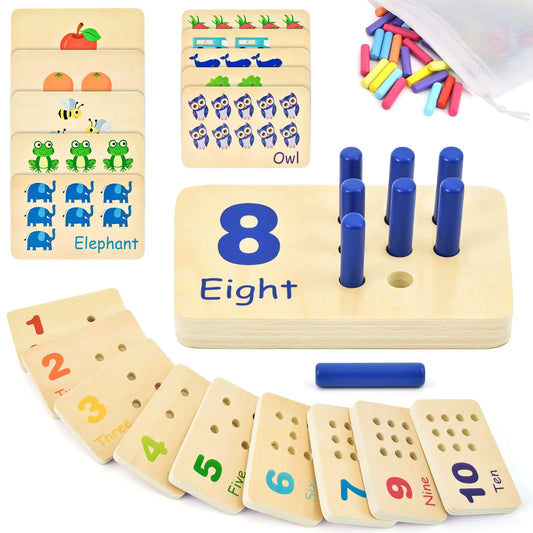
48-Piece Natural Wood Montessori Math Counting Board – Early Number Learning Toy Ages 3-6
Regular price $56.00Regular priceUnit price per$112.00Sale price $56.00SAVE 50% -

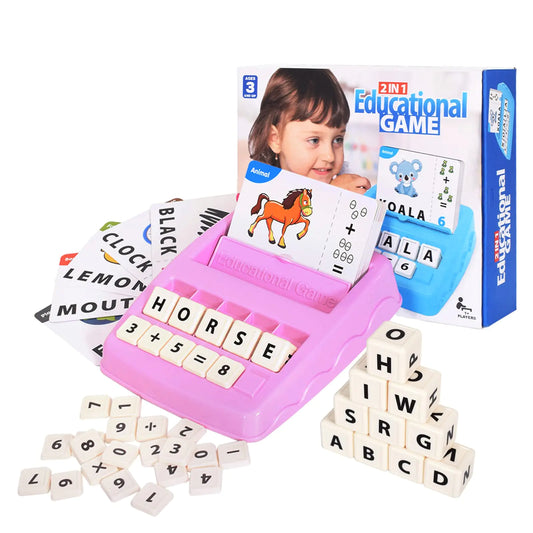
Matching Letters Words and Math Learning Game for Kids – Hands-On Educational Spelling Toy Ages 3-6
Regular price $127.00Regular priceUnit price per$212.00Sale price $127.00SAVE 40% -

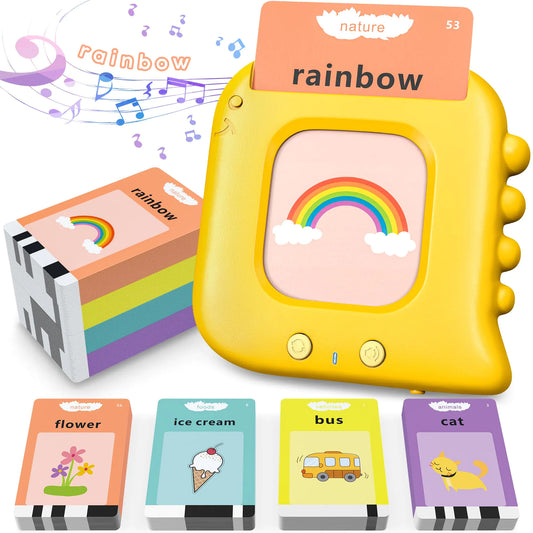
240-Word Talking Flash Cards for Kids – Interactive Speech and Language Development Toy Ages 2-5
Regular price $98.00Regular priceUnit price per$141.00Sale price $98.00SAVE 30% -


CVC Word Phonics Learning Game Set for Preschool and Kindergarten – Early Reading Toy Ages 4-6
Regular price $112.00Regular priceUnit price per$212.00Sale price $112.00SAVE 47% -
Montessori Wooden Kerplunk Dice Tower Game for Kids
Regular price $141.00Regular priceUnit price per$226.00Sale price $141.00SAVE 38% -

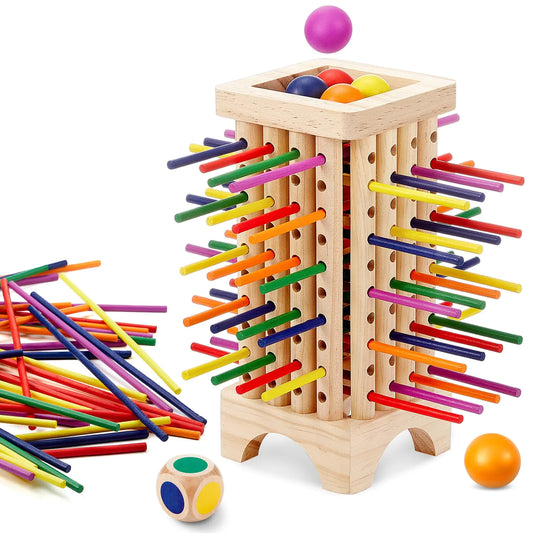
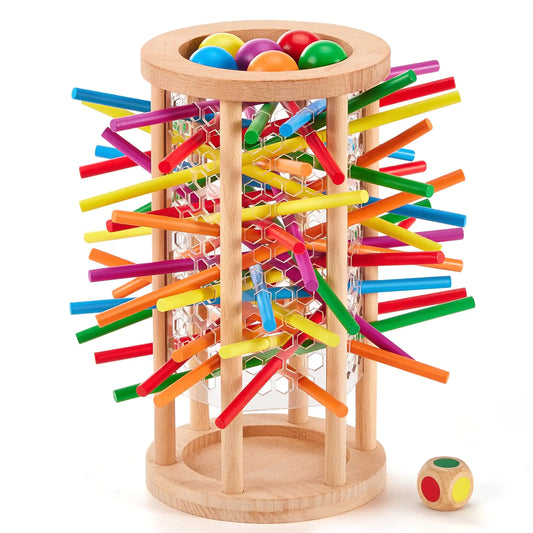
Montessori Wooden Tower Stacking Game with 42 Colorful Sticks – Strategy Toy for Kids Ages 3+
Regular price $112.00Regular priceUnit price per$169.00Sale price $112.00SAVE 34% -

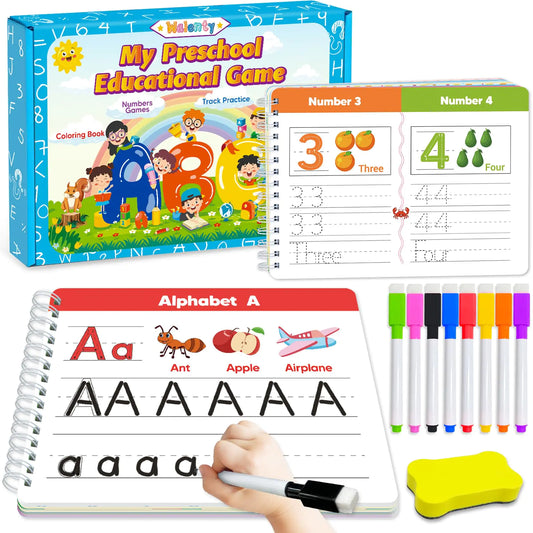
52-Page Reusable Preschool Learning Workbook for Kids Ages 3-5 – Writing and Math Activity Book
Regular price $112.00Regular priceUnit price per$198.00Sale price $112.00SAVE 43% -
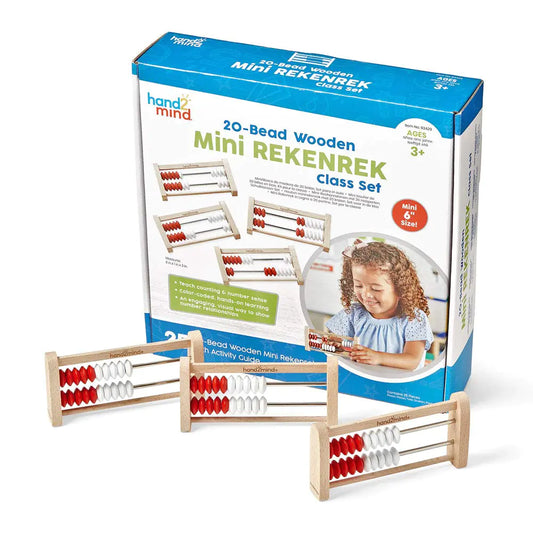
Wooden Rekenrek for Kids Ages 3–7 — Counting & Math | 25 Pieces
Regular price $368.00Regular priceUnit price per -
Montessori Counting Board for Ages 2–5 — Counting & Math | Double-Sided
Regular price $141.00Regular priceUnit price per -
Unicorn Math Balance Scale for Kids – Montessori STEM Number Learning Toy Ages 3-7
Regular price $169.00Regular priceUnit price per$283.00Sale price $169.00SAVE 40%






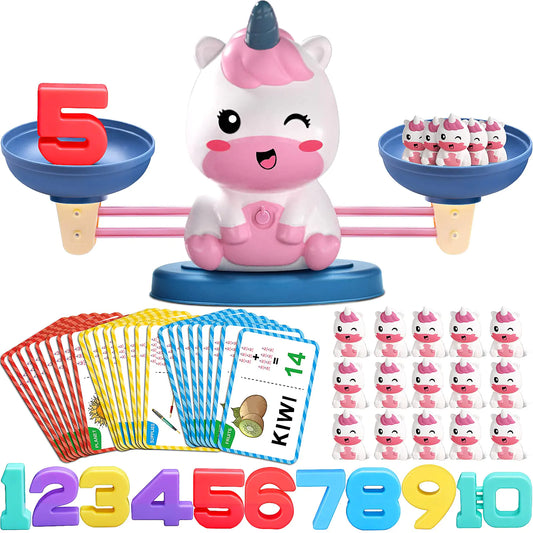
Math and counting toys for kids help children build number sense, counting skills and early math confidence through hands-on play. Instead of seeing numbers only on a worksheet, children can touch, sort, count, compare, match and move real objects that make math easier to understand.
This collection includes math toys, counting toys, number learning toys, math manipulatives, counting beads, number blocks, math cards, sorting toys, pattern toys, addition and subtraction toys, Montessori math materials and early math games that support playful number learning for toddlers, preschoolers and school-age kids.Types of Math and Counting Toys
The best math toys make numbers visible, touchable and repeatable. Different math and counting toys support different skills, from basic counting and number recognition to sorting, patterns, early addition, subtraction and problem-solving.Counting Toys
Counting toys help children practice number order, one-to-one counting, quantity awareness and early number confidence through hands-on play.
Math Manipulatives
Math manipulatives such as counters, beads, blocks and number pieces make abstract ideas easier by letting children move and compare quantities.
Number Recognition Toys
Number learning toys help kids connect written numerals with real quantities, counting activities and simple number vocabulary.
Sorting & Pattern Toys
Sorting toys and pattern toys help children group by color, shape, size, number and order while building logical thinking and early math reasoning.
Addition & Subtraction Toys
Addition and subtraction toys help kids see what happens when groups are joined, separated, counted and compared.
Math Games & Puzzles
Early math games, puzzle toys and board games help children practice counting, strategy, memory, focus and problem-solving.
Math and Counting Toys by Age
Math Toys for Toddlers
For toddlers, choose simple counting toys, stacking toys, sorting toys, color matching toys and number pieces with large, easy-to-hold parts.
Counting Toys for Preschoolers
Preschoolers can use counting beads, number blocks, math cards, sorting sets and early math games to practice numbers, patterns and quantities.
Math Toys for Ages 5–7
Kids ages 5 to 7 may enjoy addition and subtraction toys, pattern toys, math manipulatives, counting games and beginner math puzzles.
Math Toys for Older Kids
Older kids may enjoy more advanced math games, strategy games, logic puzzles, measurement activities and problem-solving toys.
Explore Related Collections
What Kids Learn With Math Toys
Children begin to understand that numbers represent real quantities they can count, compare and move.
Counting toys help kids practice number order, one-to-one counting and quantity awareness through repetition.
Number learning toys help children connect written numbers with spoken numbers and real objects.
Sorting and pattern toys build logical thinking, comparison skills and early mathematical reasoning.
Addition and subtraction toys help children see how groups can be joined, separated and counted again.
Hands-on success with numbers helps children feel capable and more comfortable with early math learning.
How to Choose the Right Math and Counting Toy
The best math and counting toy depends on your child’s age, attention span and current math stage. A toddler may need simple sorting and counting toys. A preschooler may be ready for number recognition, math cards and pattern toys. An older child may enjoy addition, subtraction, logic games and math puzzles.
- Choose counting toys for number order, one-to-one counting and quantity awareness.
- Choose number recognition toys for connecting numerals with real quantities.
- Choose math manipulatives for hands-on addition, subtraction and comparison practice.
- Choose sorting and pattern toys for logic, grouping, sequencing and early reasoning.
- Choose early math games for children who enjoy rules, turns, challenges and playful repetition.
Math Toys Make Meaningful Learning Gifts
Math and counting toys make thoughtful gifts because they combine fun play with useful early learning. They can support number sense, counting, sorting, pattern recognition and confidence across multiple stages.
For toddlers: choose simple counting toys, stacking toys, sorting toys and large number pieces.
For preschoolers: choose counting beads, number blocks, math cards, pattern toys and Montessori math materials.
For school-age kids: choose addition and subtraction toys, math games, logic puzzles and strategy-based math activities.
Frequently Asked Questions
What are math and counting toys?
Math and counting toys are hands-on learning toys that help children practice counting, number recognition, sorting, patterns, quantities and early math concepts through play.
At what age should kids start using counting toys?
Many children can start with simple counting and sorting toys as toddlers. As they grow, they can move into number recognition, patterns, math manipulatives and early math games.
What are the best counting toys for toddlers?
Good counting toys for toddlers include stacking toys, sorting toys, large number blocks, counting beads and simple matching activities with safe, easy-to-hold pieces.
Do math toys help with number sense?
Yes. Math toys can support number sense by helping children connect numbers with real quantities they can count, compare and move.
What are math manipulatives?
Math manipulatives are physical objects such as counters, beads, blocks, rods or number pieces that children can move to understand counting, comparing, addition and subtraction.
Are Montessori math materials good for kids?
Montessori math materials can be useful because they make numbers, quantity and early operations hands-on, visual and easier to repeat independently.
Do pattern toys help with math?
Yes. Pattern toys help children notice order, repetition, sequence and relationships, which are important early math thinking skills.
Can math toys help children who struggle with numbers?
Hands-on math toys may help because they make numbers more concrete. Children can see, touch and move quantities instead of only looking at symbols.
Are math toys good gifts?
Yes. Math and counting toys make useful gifts because they combine playful learning with skills children can build over time.
What is the biggest benefit of math toys?
The biggest benefit is that math toys help children experience numbers as real, understandable and playful, which can build early math confidence.
More Collections
- Arts and Crafts for Kids That Build Creativity & Confidence
- Best Board Games for Kids
- Best Robot Kits by Age
- Building & Construction Toys for Kids That Build STEM Skills
- Coding and Robotics Toys for Kids
- Coding Toys for Kids That Teach Logic & STEM
- Early Development Toys for Babies & Toddlers That Build Brain, Motor & Language Skills
- Educational Board Games for Kids That Make Learning Fun
- Educational Learning Toys for Kids That Build Real Skills
FREE: Get $99 worth Creative Digital Vault
Order now and get instant access to 130+ Digital Learning Books. While your item ships, your child can start learning immediately!
Explore Screen Free Toys
Looking for more fun and educational toys for kids? Explore our most popular collections designed to support STEM learning, creativity, language development, problem-solving, and hands-on play.