
-
224-Word Spanish English Bilingual Talking Flash Cards for Kids – Interactive Language Learning Toy Ages 0-8
Regular price $69.00Regular priceUnit price per$138.00Sale price $69.00SAVE 50% -


CVC Word Phonics Learning Game Set for Preschool and Kindergarten – Early Reading Toy Ages 4-6
Regular price $111.00Regular priceUnit price per$208.00Sale price $111.00SAVE 47% -
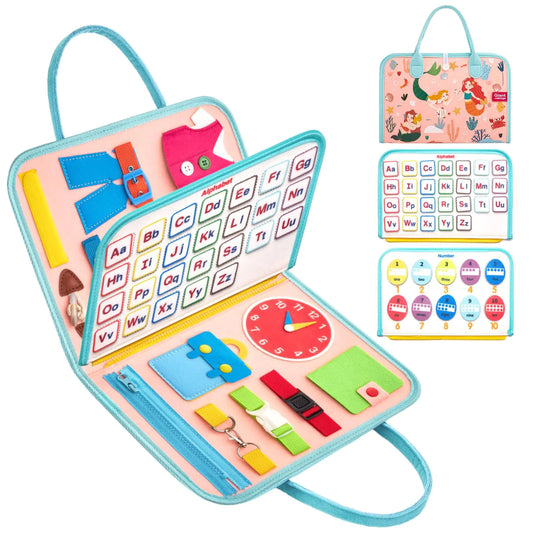
Little Mermaid Montessori Busy Board – 17-Activity Toddler Sensory Learning Toy Ages 1-4
Regular price $138.00Regular priceUnit price per$236.00Sale price $138.00SAVE 42% -
Montessori Wooden Bead Maze Toy – Fine Motor Activity Ages 1-4
Regular price $166.00Regular priceUnit price per$278.00Sale price $166.00SAVE 40% -
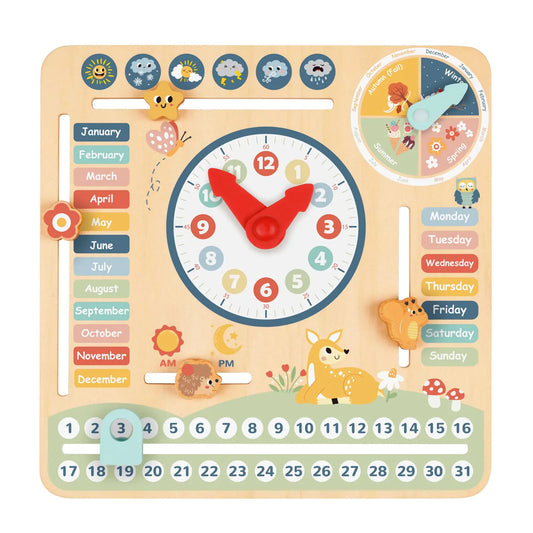
Montessori Wooden Daily Calendar Board – Time & Weather Learning Toy
Regular price $125.00Regular priceUnit price per$208.00Sale price $125.00SAVE 40% -


400 Sight Words Talking Flash Cards for Toddlers – Screen-Free Electronic Learning Toy Ages 1-5
Regular price $138.00Regular priceUnit price per$208.00Sale price $138.00SAVE 34% -
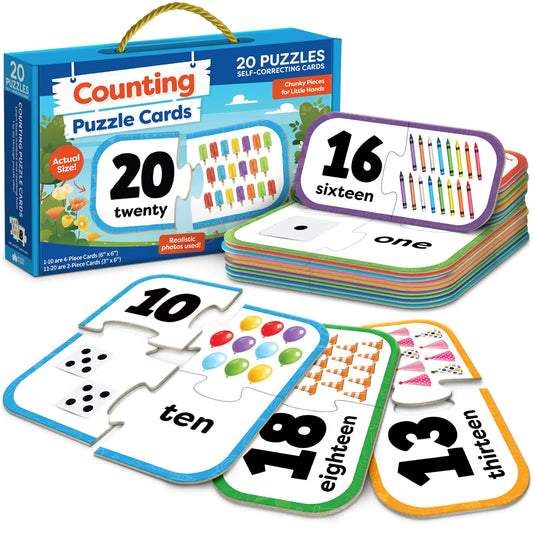
26-Piece Self-Correcting Number Matching Puzzle Set – Montessori Counting Game Ages 3-5
Regular price $111.00Regular priceUnit price per$180.00Sale price $111.00SAVE 38%






Top Toys for Developing Language Skills, Speech Confidence, and Early Literacy
When children play with the right language learning toys, they don't feel like they are practising. They feel like they are playing. Words become fun. Letters become puzzles. Sounds become games. Vocabulary grows naturally. And speech confidence builds — not through pressure or drills, but through joyful, repeated, hands-on play that children choose to come back to again and again.
This collection includes the best toys for developing language skills, toy laptops for kids and toddlers, hands-on phonics toys, bilingual learning toys, alphabet and letter recognition toys, speech development toys, vocabulary builders, talking flash cards, and early literacy toys — covering every language learning need from first words through early reading and beyond.
Parents building a complete early literacy environment often explore reading and writing toys, educational toys for 3 year olds, Montessori educational toys, early development toys, and sensory learning toys.
Find Language Toys by What You Need
Best Toys for Developing Language Skills in Children
The best toys for developing language skills do something that worksheets and rote learning cannot: they make children want to repeat. Vocabulary grows when words are encountered many times in enjoyable contexts. Language confidence builds when speaking feels like playing, not performing. The best language development toys create those conditions naturally.
Research consistently identifies these as the most effective types of toys for language development in young children:
Interactive talking toys — toys that speak words, name objects, ask questions, and invite verbal responses from children. These build vocabulary through auditory exposure and prompt children to use language actively.
Alphabet and letter toys — hands-on letter sets, interactive alphabet boards, and magnetic letter systems that teach letter names, shapes, and sounds through play.
Toy laptops and electronic learning pads — child-friendly interactive devices with vocabulary games, letter recognition activities, and phonic exercises in an engaging format. See the full toy laptop section below.
Story and picture cards — talking flash cards, vocabulary cards, and story prompts that build word knowledge and narrative language through visual and auditory engagement.
Word-building and spelling toys — moveable letter tiles and word construction games that let children physically build words, strengthening their understanding of how language is structured.
What Toys Can Help With Speech Development?
Parents frequently ask what toys can help with speech development — and the answer is clearer than many expect. The most effective speech development toys are ones that motivate children to listen, imitate, and respond verbally. When a toy speaks a word and waits for the child to respond, names objects that prompt the child to name them back, or makes activities so fun that children narrate what they are doing, speech develops naturally through play.
The most effective toys for speech development include:
Talking and interactive vocabulary toys — toys that model clear speech, name objects and actions, and invite children to repeat or respond.
Sound and phonics games — activities that focus on individual sounds, rhyming, and the building blocks of spoken language. These are especially valuable for children working on pronunciation.
Story and pretend play toys — toys that invite narrative, role-play, and conversation, which naturally extend vocabulary and practise sentence structure.
Toy laptops with speech activities — child-friendly interactive devices with verbal exercises, sound recognition games, and vocabulary-building programs that provide structured speech practice in a fun format.
Note: If you have specific concerns about your child's speech development, language-learning toys are a valuable supplement to — but not a replacement for — guidance from a speech and language therapist.
Best Toy Laptops for Kids and Toddlers — Language Learning in an Interactive Format Kids Love
Toy laptops for kids are one of the most searched language learning toy categories — and for good reason. Children who see adults using laptops and computers are naturally drawn to child-sized versions, which means toy laptops get used repeatedly and enthusiastically. The best ones channel that enthusiasm directly into vocabulary building, letter recognition, phonics practice, and early reading skills.
The best toy laptops for kids go far beyond simply looking like a computer. Quality children's toy laptops include: letter and alphabet activities that teach names and sounds; vocabulary games with pictures and spoken words; number recognition and counting exercises; phonics programs with letter-sound practice; and multiple languages in bilingual models.
Best Toy Laptop for Toddlers (Ages 2–3)
The best toy laptop for toddlers should have large, easy-to-press keys, simple and clear activities, bright visual design, and age-appropriate vocabulary content. Look for durability above all — toddlers are enthusiastic users. Bilingual options are especially valuable at this age when language acquisition is at its peak.
Best Toy Laptop for 3, 4, and 5 Year Olds
The best toy laptop for a 3 year old introduces letters, numbers, and simple vocabulary games. The best toy laptop for a 4 year old adds beginning phonics, spelling activities, and more complex vocabulary challenges. The best toy laptop for a 5 year old should offer reading readiness activities, word-building challenges, and age-appropriate games that keep school-starters genuinely engaged.
Many of the toy laptops in this collection also function as bilingual learning toys, offering content in two languages — making them excellent for families raising multilingual children.
Hands-On Phonics Toys — Making Sound and Letter Learning Fun and Active
Hands-on phonics learning is widely recognised as one of the most effective approaches to early literacy. When children physically handle letters, move tiles, match sounds to pictures, and manipulate phonics materials rather than passively watching or listening, they build far stronger letter-sound knowledge and reading readiness.
The best hands-on phonics toys include: magnetic letter sets with phonics groupings; sound-matching games where children match beginning sounds to pictures; rhyming card games; letter tile word-building sets; interactive alphabet boards that speak letter sounds; and phonics card games that make sound practice feel competitive and fun.
Effective phonics learning through toys typically covers: letter name recognition; letter sound association (phoneme-grapheme correspondence); onset and rime patterns; CVC word building (consonant-vowel-consonant); blending and segmenting sounds; and rhyme recognition — all of which are foundational to confident, fluent reading.
For children building reading readiness alongside phonics skills, explore reading and writing toys for complementary materials.
Bilingual Learning Toys — Your Questions Answered
Parents raising bilingual or multilingual children have very specific questions about bilingual toys. Here are direct answers to the most common ones.
How do bilingual toys help toddlers learn new languages?
Bilingual toys expose toddlers to vocabulary, sounds, and word patterns in two languages simultaneously through play. Since toddlers' brains are especially receptive to language acquisition, hearing words in two languages repeatedly — connected to images, objects, and actions — helps build dual-language pathways. The best bilingual toys make this feel natural by switching between languages in context rather than treating each language as separate lessons.
What features should I look for in a bilingual toy for early learning?
Look for: clear, native-speaker audio pronunciation in both languages; vocabulary that connects to the child's everyday environment (body parts, food, animals, colours, numbers); age-appropriate content with large buttons or simple controls for young children; durable construction for frequent use; and content that presents both languages as equally important rather than treating one as primary. Toy laptops with bilingual settings are especially popular for combining structured bilingual learning with a format children love.
Are there bilingual toys that also support motor skill development?
Yes. Many bilingual learning toys combine language content with hands-on physical interaction — pressing buttons, sorting cards, matching tiles, or building words with letter tiles. These dual-purpose toys build vocabulary and fine motor skills simultaneously, which is especially valuable for toddlers at peak development for both skill areas.
What age range is best for bilingual electronic learning toys?
Most developmental experts suggest that age 2–6 is the most responsive window for bilingual language acquisition, with the 2–4 range being especially powerful for vocabulary. Electronic bilingual learning toys with simple controls work well from around 18 months; more complex bilingual toy laptops are excellent for children ages 3–7. That said, language exposure at any age delivers benefit — bilingual toys for school-age children remain effective for building and reinforcing vocabulary.
Shop Language Learning Toys by the Skill You Want to Build
Find the right language toy based on your child's current language stage and the specific skill you want to develop.
Language Development Toys
Talking toys, flash cards, and vocabulary builders that grow word knowledge through playful repetition.
Builds: vocabulary, word recognition, listening, speech confidence
Explore Language Toys →Toy Laptops for Kids
Child-friendly learning laptops with phonics, vocabulary, letters, and bilingual content.
Builds: letters, phonics, vocabulary, bilingual skills
Shop Toy Laptops →Alphabet and Phonics Toys
Hands-on letter sets and phonics games building reading-ready letter-sound knowledge.
Builds: letter recognition, letter sounds, phonemic awareness
Explore Reading Toys →Bilingual Learning Toys
Dual-language toys building vocabulary and speech confidence in two languages simultaneously.
Builds: bilingual vocabulary, pronunciation, cultural awareness
Explore Bilingual Toys →Early Literacy Toys
Word-building, spelling, and reading-prep toys bridging language and early reading skills.
Builds: spelling, word structure, early reading confidence
Explore Writing Toys →Storytelling and Expression Toys
Story cards and communication games that develop expressive language and narrative thinking.
Builds: expressive language, listening, communication confidence
Explore Story Games →Language Learning Toys by Age — From First Words to Fluent Reading
Language Toys for Toddlers (12 Months – 2 Years)
This is peak language acquisition. Every word a toddler hears frequently in a meaningful context is a word they are much more likely to acquire. The best language toys at this stage are those that name, repeat, and create joyful connections between words and objects.
Best choices: simple talking toys, soft vocabulary books, picture card sets, sound toys that name animals and objects, and beginner bilingual toys with large buttons and clear audio.
Language Toys for Preschoolers (Ages 2–4)
Preschoolers are ready for alphabet introduction, simple phonics games, talking flash cards, beginner toy laptops, and vocabulary games with pictures and words. This is the age where language learning toys deliver some of their highest developmental value.
Best choices: interactive alphabet toys, talking flash cards, bilingual toy laptops for toddlers, magnetic letter sets, vocabulary matching games, and phonics sound books.
Language Toys for Ages 4–6 (Reading Readiness)
Children at this stage are building the exact skills they need for reading: phonemic awareness, letter-sound knowledge, word recognition, and early spelling. Language toys at this age should directly support these skills.
Best choices: hands-on phonics games, word-building letter tile sets, toy laptops with phonics programs, vocabulary games, spelling toys, and reading readiness flash cards. Explore reading and writing toys for this stage.
Language Toys for School-Age Children (7+)
Older children benefit from spelling games, advanced vocabulary builders, communication and storytelling games, and bilingual tools that extend or maintain a second language. Explore educational board games for language-based group games at this age.
Why Playful Language Learning Outperforms Pressure-Based Practice
Language develops most powerfully when children are engaged, relaxed, and motivated to communicate. When learning feels like pressure — drills, flashcards at the dinner table, forced repetition — children's stress responses can actually inhibit language processing. But when language play feels joyful and children choose to return to it, vocabulary and skills build naturally through the repetition that engagement creates.
The best language learning toys create a positive feedback loop: the child enjoys the toy, plays with it repeatedly, hears and uses words many times in enjoyable contexts, and builds vocabulary and confidence without any sense of effort. This is what makes language toys such a powerful tool for parents — the learning happens as a natural result of play children genuinely love.
Language Learning Toys as Gifts — What to Choose and Why
Language learning toys are among the most universally appreciated educational gifts because they deliver real, visible value. Parents notice when their child's vocabulary expands, when they begin recognising letters, when they start sounding out words, or when they show enthusiasm for books. These observable developments make language toys memorable gifts.
For babies and young toddlers: simple talking vocabulary toys, soft bilingual books, sound naming toys.
For toddlers ages 2–3: toy laptop, talking flash cards, magnetic alphabet sets, bilingual learning toys.
For preschoolers ages 3–5: phonics games, word-building sets, interactive alphabet toys, bilingual toy laptops.
For school-age children: spelling games, vocabulary builders, communication games, advanced bilingual tools.
Language toys are especially meaningful gifts for bilingual families, children showing enthusiasm for letters and words, early readers, children with speech goals, and any child whose parents want to give something that genuinely supports their development.
Give Your Child the Language Skills That Unlock Everything Else
Strong language skills are the foundation for reading, writing, academic success, social confidence, and lifelong learning. The best time to build them is through the natural, joyful, repeated play that quality language learning toys make possible.
Shop the best toys for developing language skills, toy laptops for kids and toddlers, hands-on phonics toys, bilingual learning toys, alphabet and vocabulary toys, and speech development toys — all in one carefully curated collection.
Frequently Asked Questions About Language Learning Toys for Kids
1. What is the best toy for developing language skills?
The best toys for developing language skills are interactive talking toys, toy laptops with vocabulary programs, hands-on phonics games, alphabet sets, and bilingual learning toys — all chosen for their ability to make children want to use language repeatedly and joyfully.
2. What are the best toys for language development?
The best toys for language development include interactive vocabulary toys, talking flash cards, toy laptops with language programs, magnetic letter sets, phonics games, and bilingual toys that make word learning natural through play.
3. What toys can help with speech development?
Toys that help with speech development are ones that motivate children to listen and respond verbally — talking vocabulary toys, interactive toy laptops, sound matching games, phonics sets, and story prompts that invite narration and conversation.
4. What are the best toy laptops for kids?
The best toy laptops for kids combine letter recognition, phonics practice, vocabulary games, and bilingual content in a child-friendly format. Look for durable construction, age-appropriate content, clear audio, and activities that keep children genuinely engaged.
5. What is the best toy laptop for toddlers?
The best toy laptop for toddlers has large easy-to-press keys, simple age-appropriate activities, clear vocabulary content, durable construction, and optionally bilingual settings. Look for child-safe materials and content matched to ages 2–3.
6. What is the best toy laptop for a 3 year old?
The best toy laptop for a 3 year old introduces letters, numbers, and simple vocabulary games with easy controls. Look for content that matches preschool readiness — letter recognition, animal names, colours, and beginning phonics.
7. What is the best toy laptop for a 4 year old?
The best toy laptop for a 4 year old adds beginning phonics, spelling activities, and more complex vocabulary challenges. Look for interactive activities that feel like games while building reading readiness skills.
8. What is the best toy laptop for a 2 year old?
The best toy laptop for a 2 year old has very simple controls, large buttons, clear audio, and basic vocabulary content. It should be extremely durable and focused on naming, listening, and simple sound recognition.
9. How do bilingual toys help toddlers learn new languages?
Bilingual toys expose toddlers to vocabulary, sounds, and word patterns in two languages simultaneously through play. Hearing words in both languages repeatedly — connected to images and actions — builds dual-language pathways during the critical early acquisition window.
10. What features should I look for in a bilingual toy for early learning?
Look for clear native-speaker audio in both languages, everyday vocabulary content, age-appropriate controls for young children, durable construction, and content that treats both languages as equally important.
11. Are there bilingual toys that also support motor skill development?
Yes. Many bilingual learning toys involve pressing buttons, sorting cards, matching tiles, or building words with letter tiles — combining vocabulary learning with fine motor development that is especially valuable for toddlers.
12. What age range is best for bilingual electronic learning toys?
Ages 2–6 is the most responsive window for bilingual acquisition, with 2–4 especially powerful for vocabulary. Simple bilingual toys work from 18 months; bilingual toy laptops are excellent for ages 3–7.
13. What are the best bilingual learning toys?
The best bilingual learning toys offer clear pronunciation in both languages, age-appropriate vocabulary, interactive activities children enjoy, and durable construction. Bilingual toy laptops, talking flash cards, and interactive vocabulary sets are consistently popular choices.
14. What are hands-on phonics toys?
Hands-on phonics toys are materials that let children physically interact with letters and sounds — magnetic letter sets, sound-matching games, phonics card games, letter tile word-builders, and interactive alphabet boards that speak sounds.
15. Do language learning toys help prepare children for reading?
Yes. Alphabet toys, phonics games, and letter recognition materials build the exact skills that reading requires — letter-sound knowledge, phonemic awareness, and word recognition — making language learning toys among the best reading preparation tools available.
16. Are toy laptops good for language learning?
Yes. Quality toy laptops with vocabulary programs, phonics activities, and bilingual content are excellent language learning tools because children are highly motivated to engage with them, making the repetition that language learning requires feel effortless.
17. Are language learning toys good for toddlers?
Excellent. Toddlerhood is peak language acquisition. Simple talking toys, vocabulary books, bilingual toys, and toy laptops during this period can meaningfully accelerate vocabulary development and language confidence.
18. What are talking flash cards and are they effective?
Talking flash cards are interactive cards that speak words, ask questions, and provide feedback when children interact with them. They are effective for vocabulary building because they create the auditory + visual + tactile combination that research shows aids word acquisition.
19. Can language toys help children with speech delays?
Language learning toys can provide valuable supplementary support for children with speech delays by creating engaging, low-pressure opportunities for listening and verbal participation. Always pair toy use with guidance from a qualified speech and language therapist.
20. What is phonemic awareness and how do toys build it?
Phonemic awareness is the ability to hear and work with individual sounds in words — the foundation of reading. Toys build it through rhyming games, sound-matching activities, and phonics sets that help children tune into sounds they may otherwise hear only as continuous speech.
21. Are language toys better than apps for language development?
Both have value. Physical language toys — especially hands-on phonics materials and interactive talking toys — offer tactile engagement that apps don't. Many families use both strategically, using physical toys for hands-on play and quality educational apps selectively.
22. Do language learning toys support bilingual children?
Yes. Bilingual learning toys, bilingual toy laptops, and dual-language talking toys are specifically designed to support children developing two languages simultaneously, providing natural exposure to both vocabularies through play.
23. How do I choose the right language toy for my child?
Match the toy to your child's age, current language stage, and the specific skill you want to support. The most important factor: choose toys your child will actually engage with repeatedly. Engagement creates the repetition that builds language.
24. Are language learning toys screen-free?
Many are. Magnetic letter sets, phonics card games, talking flash cards, and story toys are all screen-free. Toy laptops use small screens in an interactive, hands-on context that differs significantly from passive screen viewing.
25. Do language toys help with reading comprehension?
Yes. Strong vocabulary — built through language toys — is the single strongest predictor of reading comprehension. Children who know more words understand more of what they read, reinforcing comprehension skills that compound throughout school.
26. Are language learning toys good gifts?
Excellent gifts. Language toys deliver visible, meaningful results — parents notice vocabulary growth, letter recognition, and reading enthusiasm — making them among the most appreciated educational gifts for children of any age.
27. Do language toys support children who are learning English?
Yes. Many interactive language toys are excellent for children learning English as an additional language, providing clear pronunciation, vocabulary building, and phonics practice in an engaging, low-pressure format.
28. Are language learning toys good for homeschool?
Very much so. Language learning toys make literacy instruction interactive and engaging in ways that traditional materials cannot. Many homeschooling families use them as core components of their language arts programs.
29. Can toy laptops help develop vocabulary?
Yes. The best toy laptops for kids include dedicated vocabulary programs that introduce and reinforce words through pictures, audio, and interactive games — making vocabulary building feel like play.
30. Where is the best place to buy language learning toys online?
WonderKidsToy's language learning toys collection offers curated toys for vocabulary, phonics, speech development, bilingual learning, and early literacy — for toddlers, preschoolers, and school-age children.
More Collections
- Best Arts and Crafts for Kids
- Best Board Games for Kids
- Best Building and Construction Toys for Kids
- Best Developmental Toys for Babies and Toddlers
- Best Educational Toys for 3 Year Olds
- Best Geography Toys for Kids
- Best Global Learning Toys for Kids
- Best Learning Toys for Kids
- Best Math and Counting Toys for Kids
FREE: Get $99 worth Creative Digital Vault
Order now and get instant access to 130+ Digital Learning Books. While your item ships, your child can start learning immediately!
Explore Screen Free Toys
Looking for more fun and educational toys for kids? Explore our most popular collections designed to support STEM learning, creativity, language development, problem-solving, and hands-on play.